Things to Do in La Rioja, Argentina: Top Places to Visit and Recommended Tours
We wrote this guide in Spanish and translated it with the help of AI. Leer en castellano
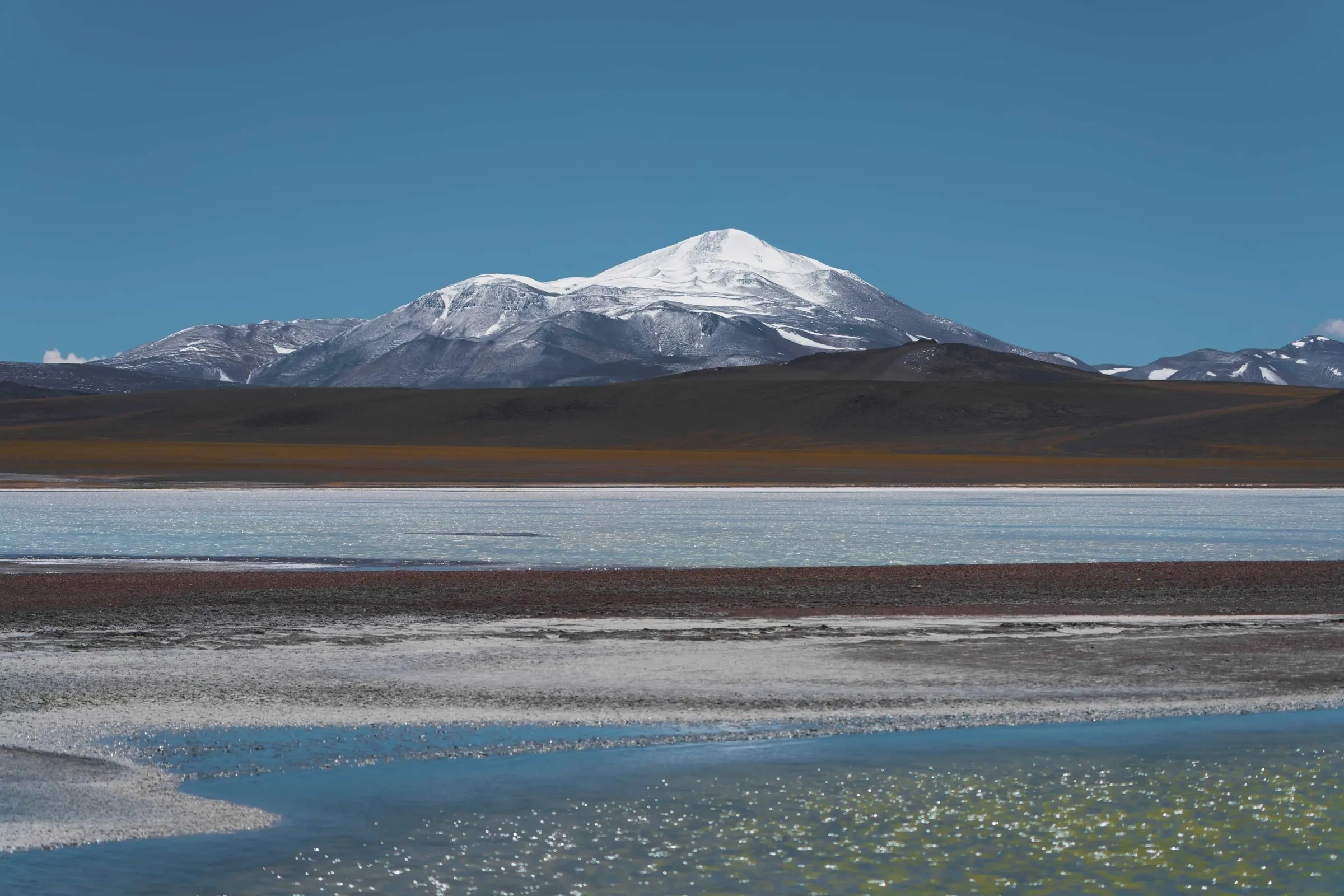
When we traveled to La Rioja, we had no idea we'd find landscapes so imposing and so varied: reddish canyons, volcanoes over 5,000 m (16,404 ft) above sea level, high-altitude lakes and towns that seem frozen in time. In this guide we share what to do in La Rioja, Argentina, with our recommendations for places you shouldn't miss, scenic routes and tips for an unforgettable experience.
This article has affiliate links: if you book or buy through them, we earn a commission at no extra cost to you.
When should you go to La Rioja?
La Rioja has a warm, dry climate, with daytime temperatures ranging between 20 and 35 °C. The best time to visit is spring (September to November) and fall (March to May), when temperatures aren't as high and there are fewer tourists.
Even so, we visited La Rioja in February, in the middle of summer, so we could go up to the Cráter Corona del Inca, which you can only climb in that season. If you're planning a summer visit, it's a good idea to do your tours early in the morning or at the end of the day, since the temperatures around noon can be unbearable.

Travel with peace of mind with Heymondo travel insurance
Get your travel insurance on Heymondo (opens in a new tab)
This is an affiliate link: if you book or buy through it, we earn a commission at no extra cost to you.
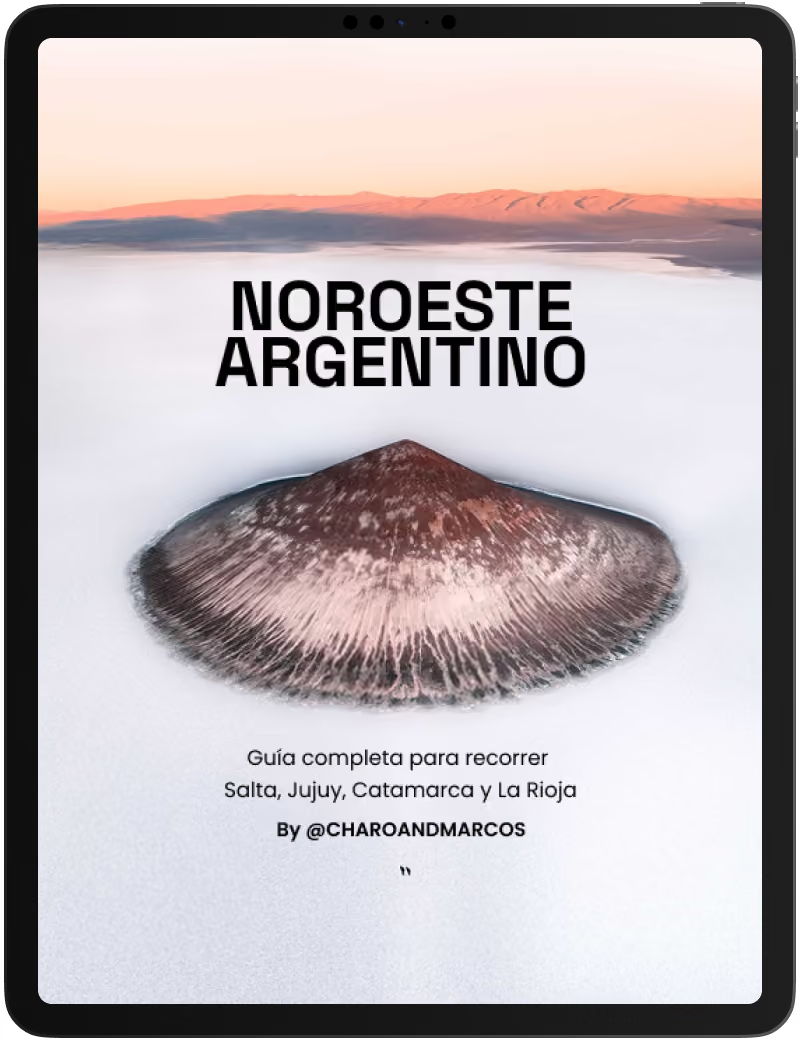
Traveling around Northwest Argentina?
We put everything we learned in Salta, Jujuy, Catamarca and La Rioja into our Northwest Argentina ebook.
- A PDF for your phone that works offline
- Itineraries for each province, with where to stay and eat
- Maps of each province with every stop marked
- Free updates forever
Only going to La Rioja? There's also the La Rioja ebook.
How do you get to La Rioja?
Getting to La Rioja is easy, and there are several options depending on your budget and the kind of trip you're planning. Here are the most common ways to reach this province in northwestern Argentina:
✈️By plane
The fastest way to get there is by plane. The city of La Rioja has an airport with daily flights from Buenos Aires, operated by Aerolíneas Argentinas.
Another option many people consider to save money is flying to San Juan province, which sometimes has lower fares. From there, you can take a bus or rent a car.
🚌 By bus
You can also get there by bus from Buenos Aires and other major cities like Córdoba, Mendoza or San Miguel de Tucumán. Companies like Flechabus and Andesmar run this route frequently. The trip from Buenos Aires takes between 13 and 15 hours.
🚗 By car
If you prefer the freedom of the open road, you can drive to La Rioja. From Buenos Aires it's about 1,150 km (around 12 to 14 hours of driving). The roads are in good condition, and you can combine the trip with stops in other provinces like Córdoba or San Luis.
📍 Want to explore La Rioja on your own? We recommend renting a car to get more out of places like El Chiflón, Cuesta de Miranda or Talampaya National Park. You can look for options here: RentalCars

Rent your car to explore La Rioja here
Rent a car on DiscoverCars (opens in a new tab)
This is an affiliate link: if you book or buy through it, we earn a commission at no extra cost to you.
What's the best way to get around La Rioja?
The best way to get around La Rioja is by car. Renting one gives you the freedom to travel at your own pace, take scenic detours and reach little-known places.
We flew from Buenos Aires to the city of La Rioja and rented a car there to tour the province on our own. It was the best decision we could have made: the scenery is spectacular, and public transport doesn't connect many of these places.
✨ Want to do the same? You can book your car in advance here: RentalCars
If you'd rather not drive, don't worry: you can also see La Rioja's main sights by booking tours with local agencies.
There are organized tours that take you to places like Talampaya, the Cañón del Triásico, Laguna Brava or the Valle de la Luna (in San Juan), leaving from the city of La Rioja or from Villa Unión.
🧭 Traveler's tip: We recommend checking platforms like Civitatis to see the tour options and read reviews before booking.

See all the tours you can do in La Rioja!
See tours on Civitatis (opens in a new tab)
This is an affiliate link: if you book or buy through it, we earn a commission at no extra cost to you.
Things to do in La Rioja
1. Talampaya National Park
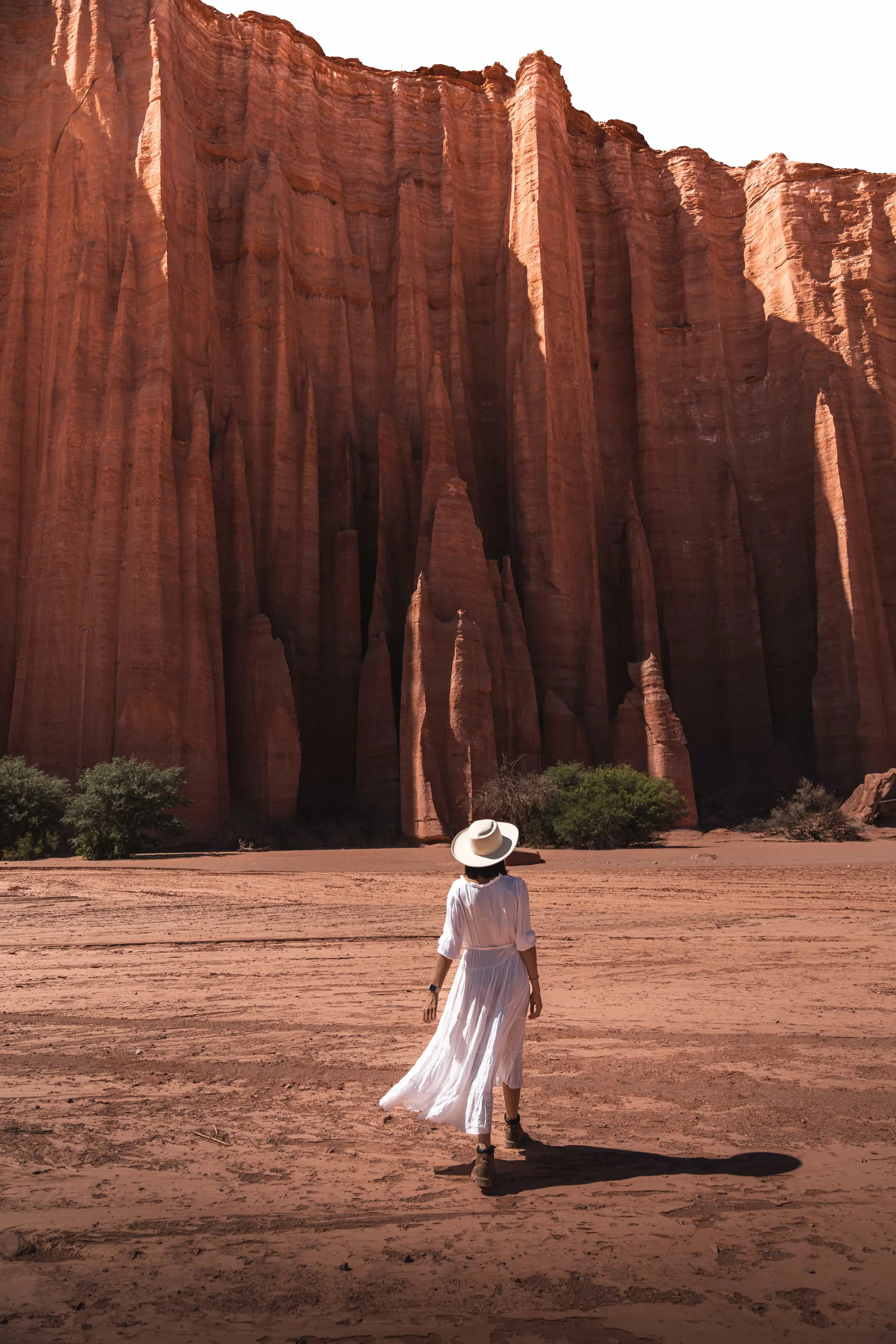
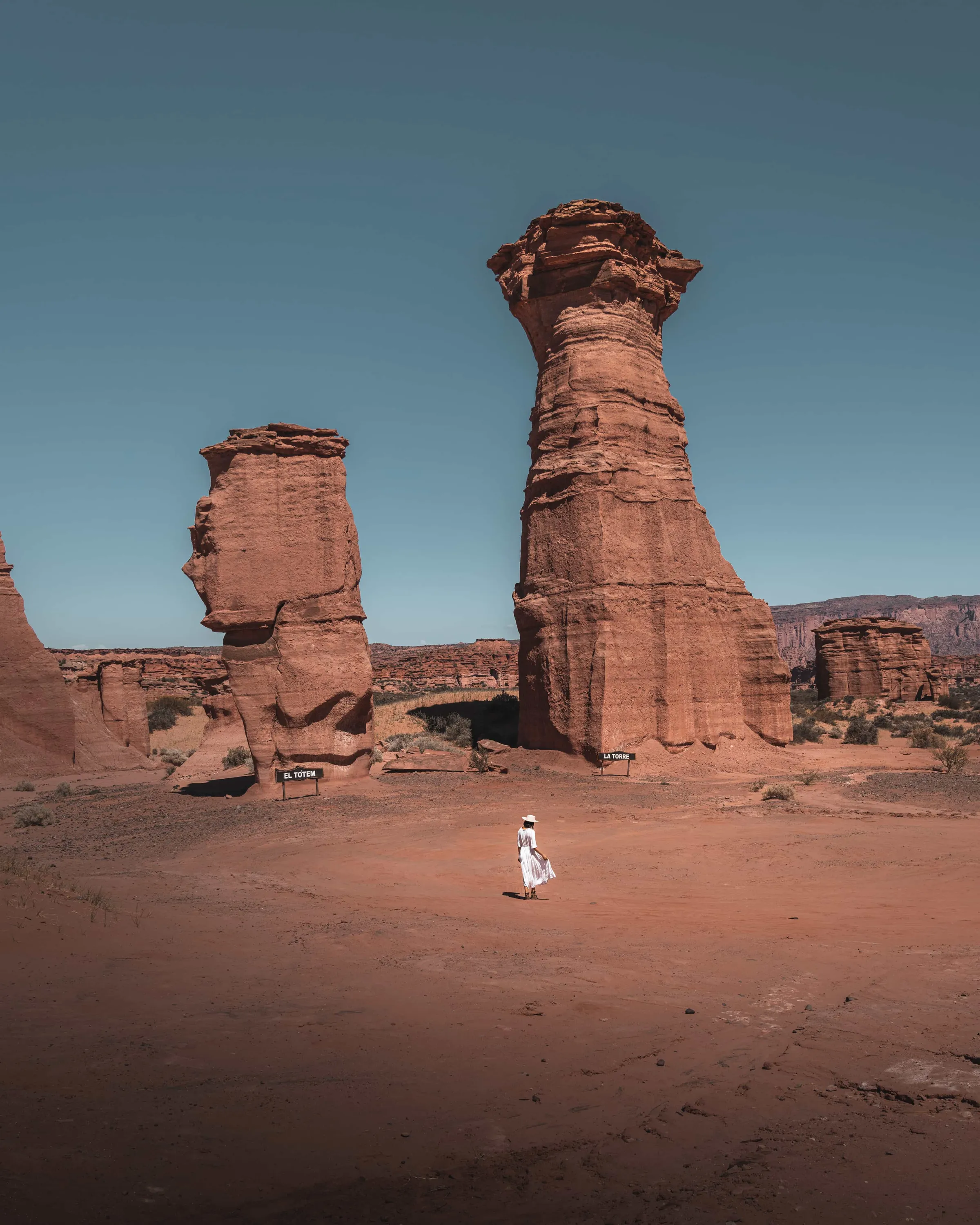
One of the big highlights of La Rioja. Covering more than 2,000 km² in the middle of the province's desert, Talampaya National Park wows you with its towering rock formations, more than 250 million years old. Some of the most famous are “La Catedral” and “El Monje”, with walls up to 150 m (492 ft) high.
Beyond the natural spectacle, it's home to guanacos, pumas, foxes, condors and other native species adapted to the arid climate.
In 2000 it was declared a UNESCO World Heritage Site, together with Ischigualasto Provincial Park, for its geological and paleontological importance.
📌 You can only visit with authorized guides. Several companies offer tours. If you don't know which one to pick, here's a guide with options and recommendations to help you.
2. Ischigualasto Provincial Park (Valle de la Luna)
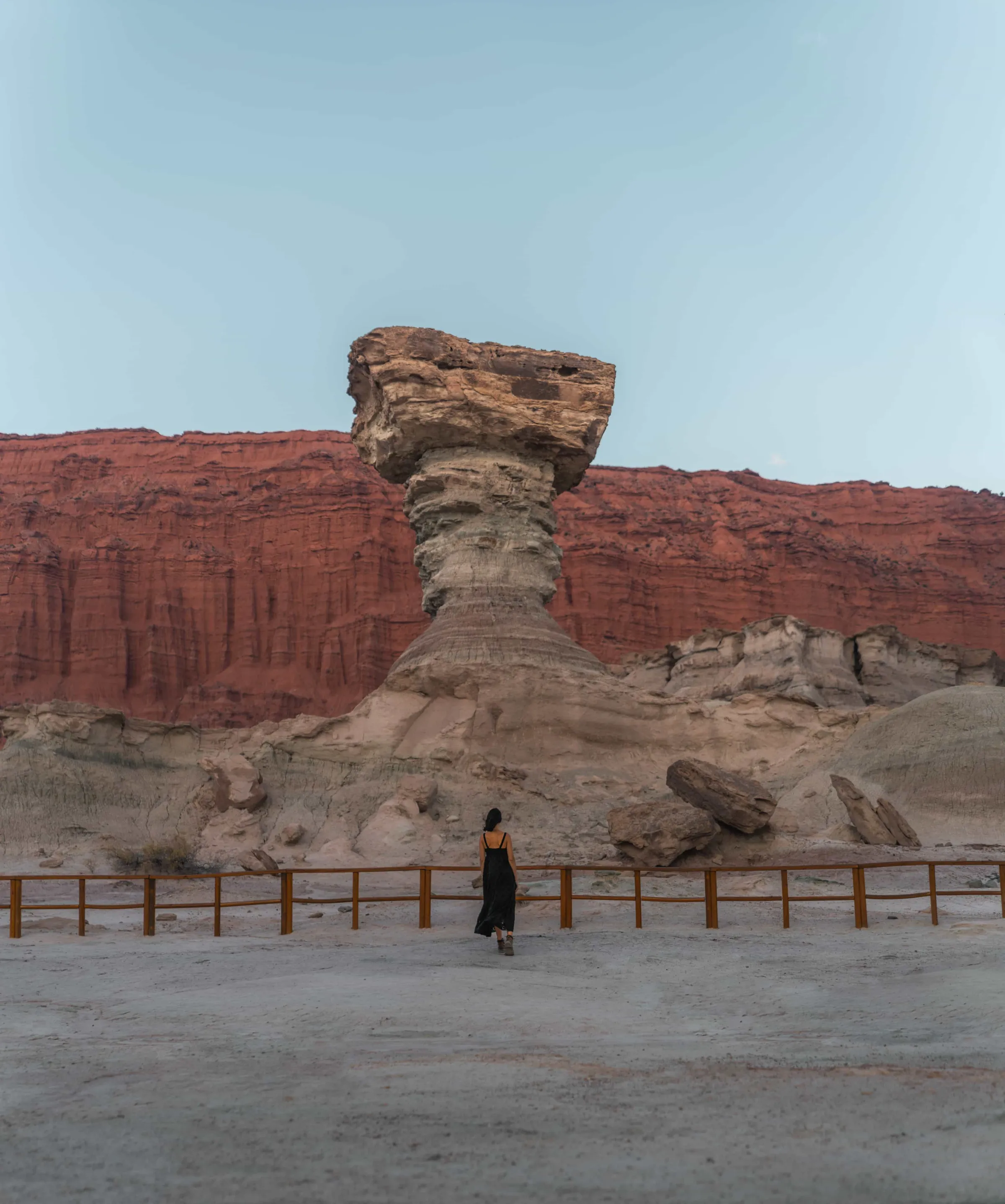
Although it's in San Juan province, it's easy to visit from La Rioja. This park has unique formations more than 200 million years old. It's one of the most important paleontological sites in the world, with numerous fossils of animals and plants that lived in the Triassic period, like dinosaurs, pterosaurs, reptiles and primitive plants.
The guided driving circuit is the most popular option: you go in your own car, following the guide and stopping at key points like “El Hongo”, “El Submarino” and “La Esfera”. The park also offers other ways to see it, such as walks, bike rides and 4x4 tours. You have to book the 4x4 tours at least 3 days in advance.
💡 We did the circuit at 17:30, which was ideal for enjoying the colors of the sunset.
If you're going during a full moon, don't miss the night tour. You can also book a tour from Villa Unión that covers Talampaya and Ischigualasto in the same day.
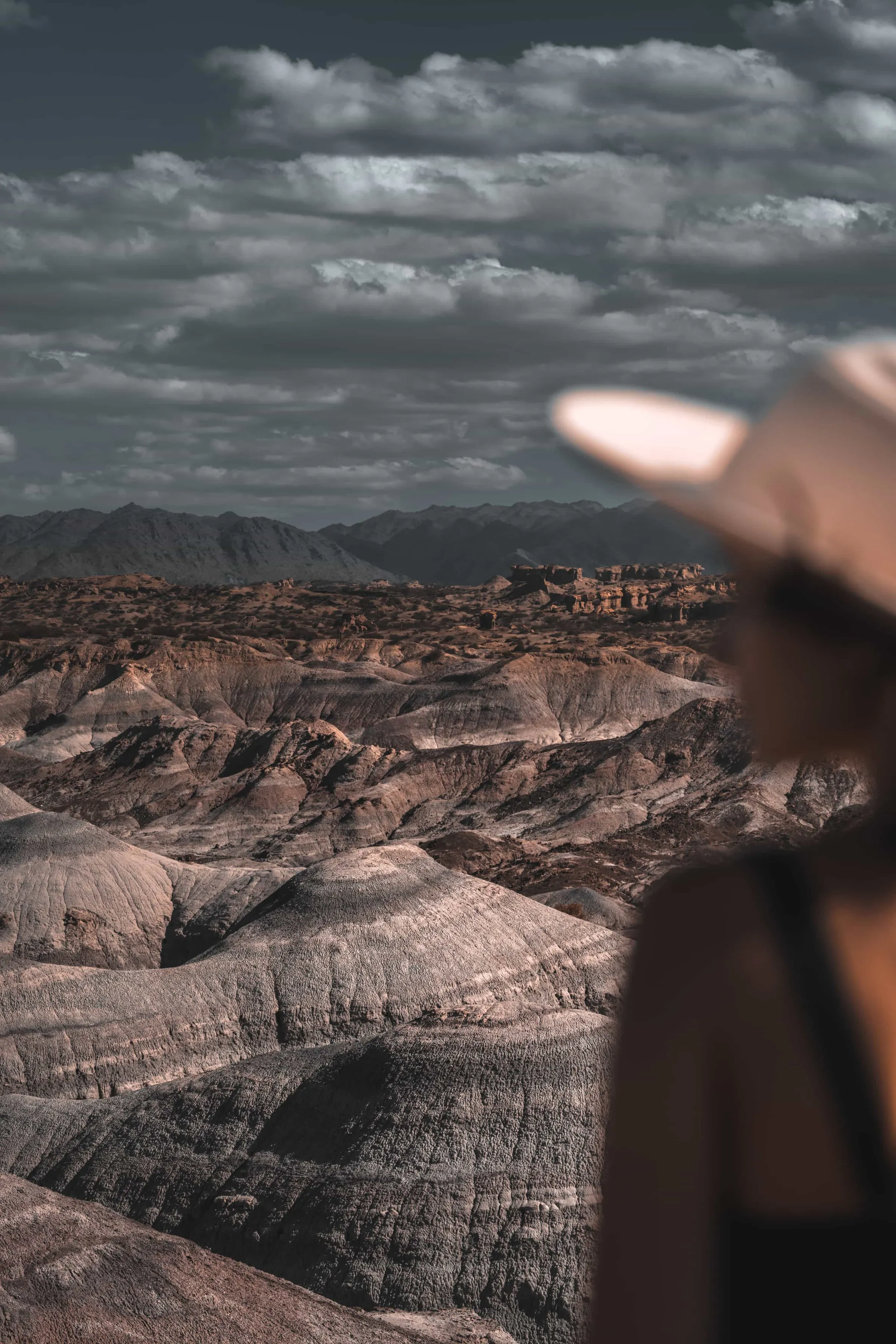
3. Laguna Brava
One of the most impressive postcard views in the Andes. At 4,170 m (13,681 ft) above sea level, it's a saltwater lake surrounded by mountains, deserts and salt flats that change color with the daylight.
You can get to the lake in your own pickup truck, but we always recommend going on a tour (if you have a vehicle, you can join the agencies' outings for a lower price), since you're driving through remote places where the weather is unpredictable, the roads are unpaved and there's no signal if something goes wrong. The guides drive this road every day, know the terrain and are prepared for any emergency.
👉 Many agencies leave from Villa Unión. We went with Fernando, a local guide we recommend 100%. If you'd like his contact details, write to us on Instagram. You can also book the tour online here.
Along the way you visit incredible places like Cuesta de la Troya, Jagüe, El Pesebre, Refugio El Peñón, Cerro Toro, Bahía de los Flamencos and even an archaeological site with the remains of a plane.
We recommend always bringing warm clothes, even in summer, since temperatures drop a lot at that altitude. Also drink plenty of water and stay hydrated during the tour, which helps prevent altitude sickness.
4. Quebrada de la Troya
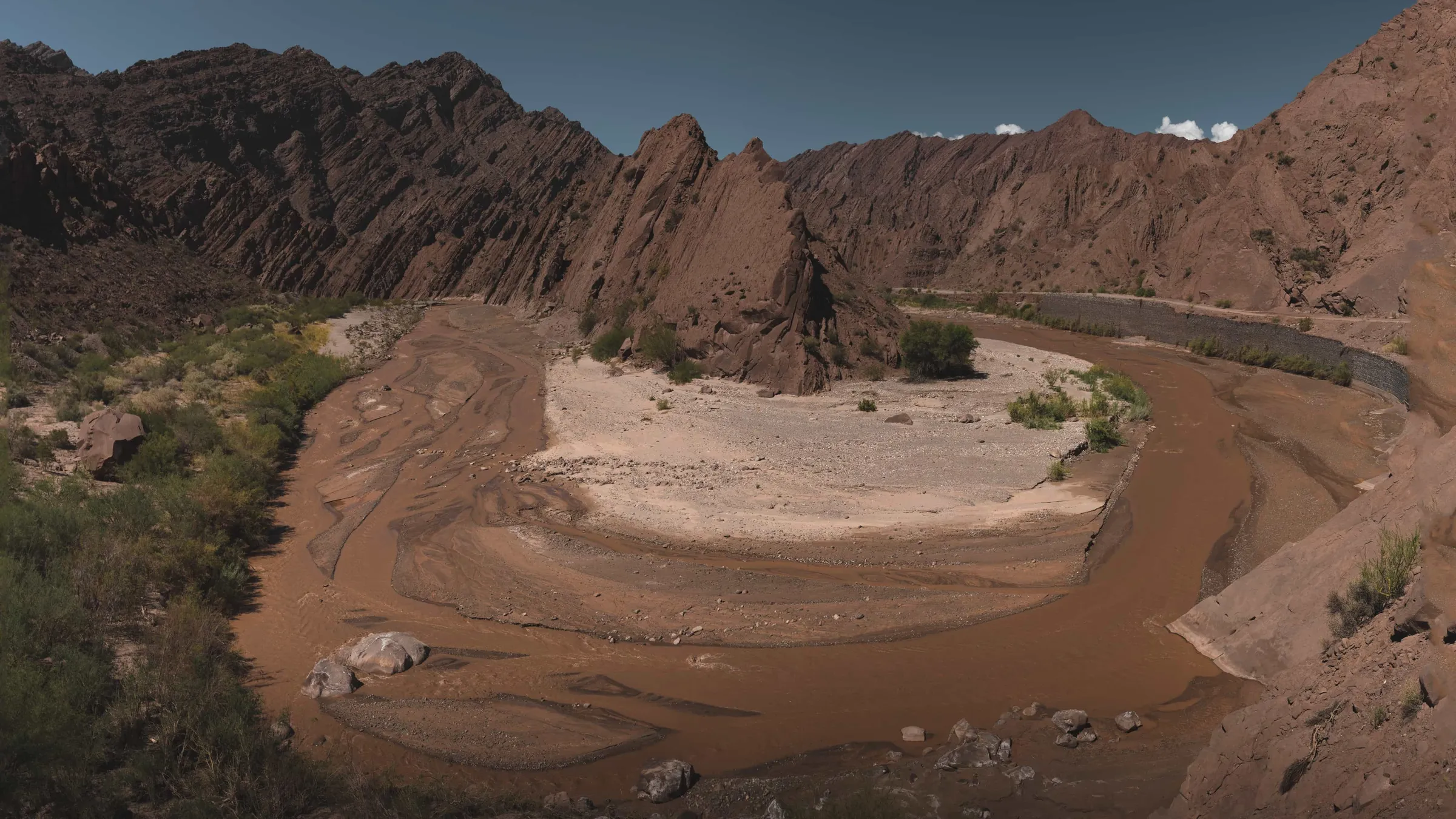
The Quebrada de la Troya is a few kilometers from Vinchina, in La Rioja province, and was formed by the Vinchina River, now known as the Bermejo River. Its mountains have very peculiar formations and are tilted in an east-west direction. A cliffside road of about 10 km lets you enjoy this landscape.
The area also has cave paintings and petroglyphs from the Diaguita culture, dating back more than 1,000 years.
On the way to Laguna Brava you pass through this incredible gorge, which is just 1 hour from Villa Unión.
5. Volcancito de Troya
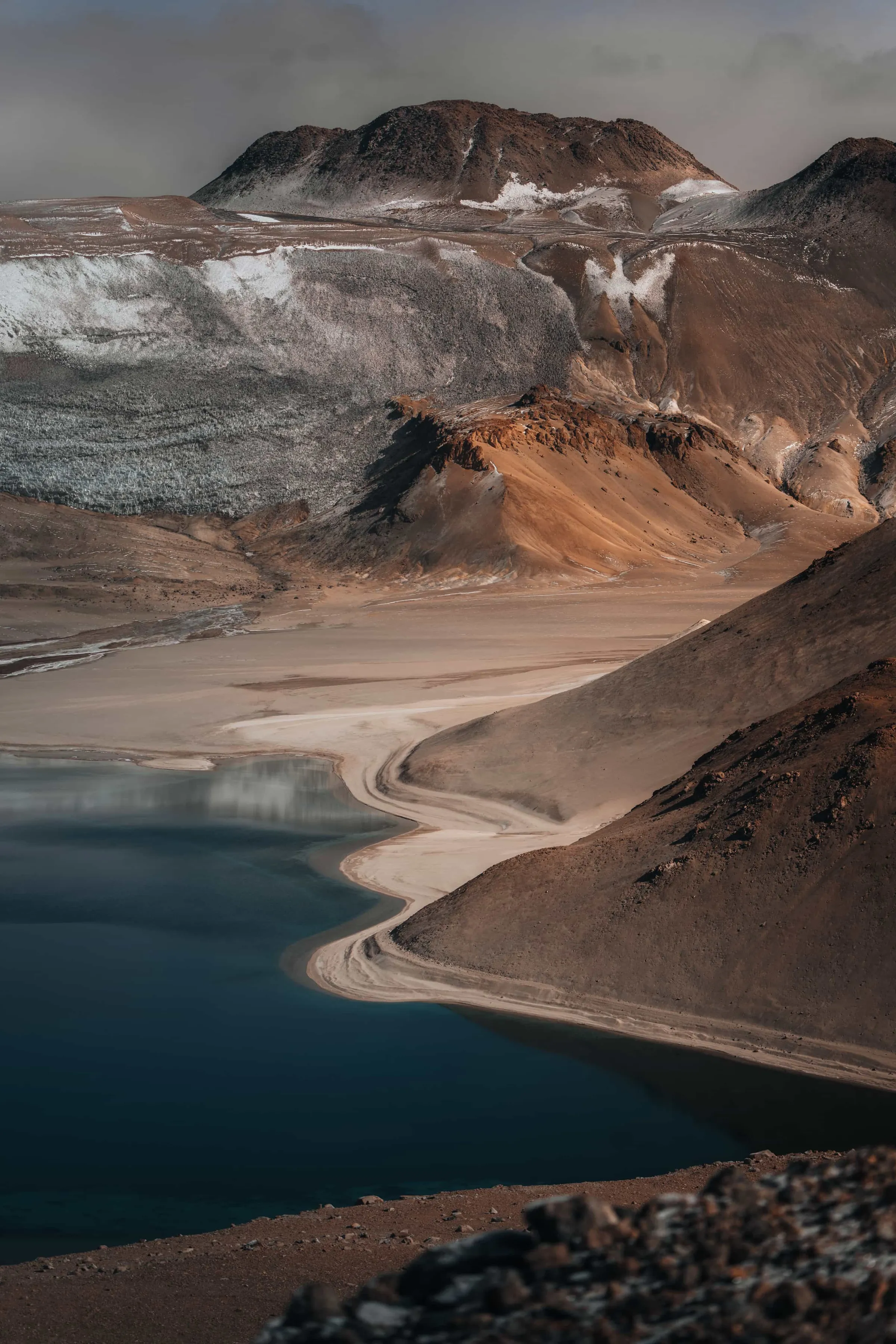
The Volcancito de Troya is about 30 km from Laguna Brava and is an even more remote spot than the lake, so it's best to visit with a tour guide. This inactive volcano rises to an altitude of 4,000 m (13,123 ft) above sea level and formed about 10 million years ago. From the top you get a spectacular view of the area.
If you book a tour to Laguna Brava or the Cráter Corona del Inca, you can ask the guide about adding a visit to this little volcano. We didn't get to do it, and we really wish we had.
6. Cráter Corona del Inca
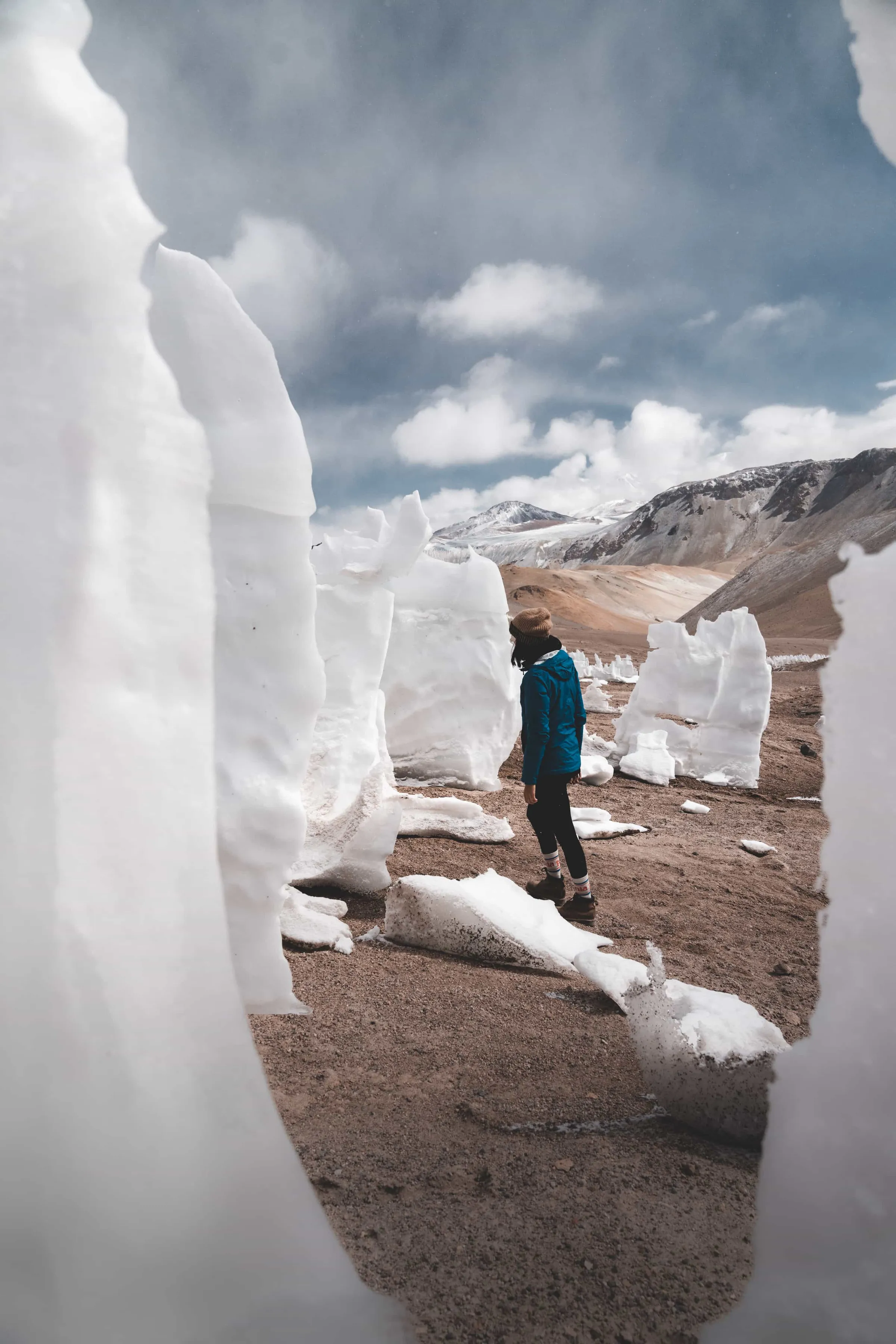
One of our favorite places in La Rioja. At 5,500 m (18,045 ft) above sea level, it's a water-filled crater surrounded by glaciers, pumice stone and mountains of more than 6,000 m (19,685 ft).
Getting to this spot in the middle of the Andes is quite an adventure. You can only reach it by 4x4 during the summer months. Booking a tour is almost mandatory, since it's a remote site at an extremely high altitude with very little signage.
Tours usually leave Villa Unión at 3 a.m. and return in the afternoon. We combined it with Laguna Brava and slept in the little village of Alto Jagüe. We did the tour that lasts 2 days and one night.
We recommend bringing lots of warm clothes, plenty of water and some snacks.
Book the tour to the crater here or write to us on Instagram for our guide's contact details.
7. Cañón del Triásico
In the Banda Florida Municipal Reserve, very close to Villa Unión, it's a geological and paleontological paradise with fossils more than 200 million years old. The rock formations, colors and textures create a landscape like no other.
One experience we never got around to is the one the agency offers: a sunset outing with a picada (a board of cold cuts and cheese) and wine under the stars.
✨There are also daytime tours you can book here.
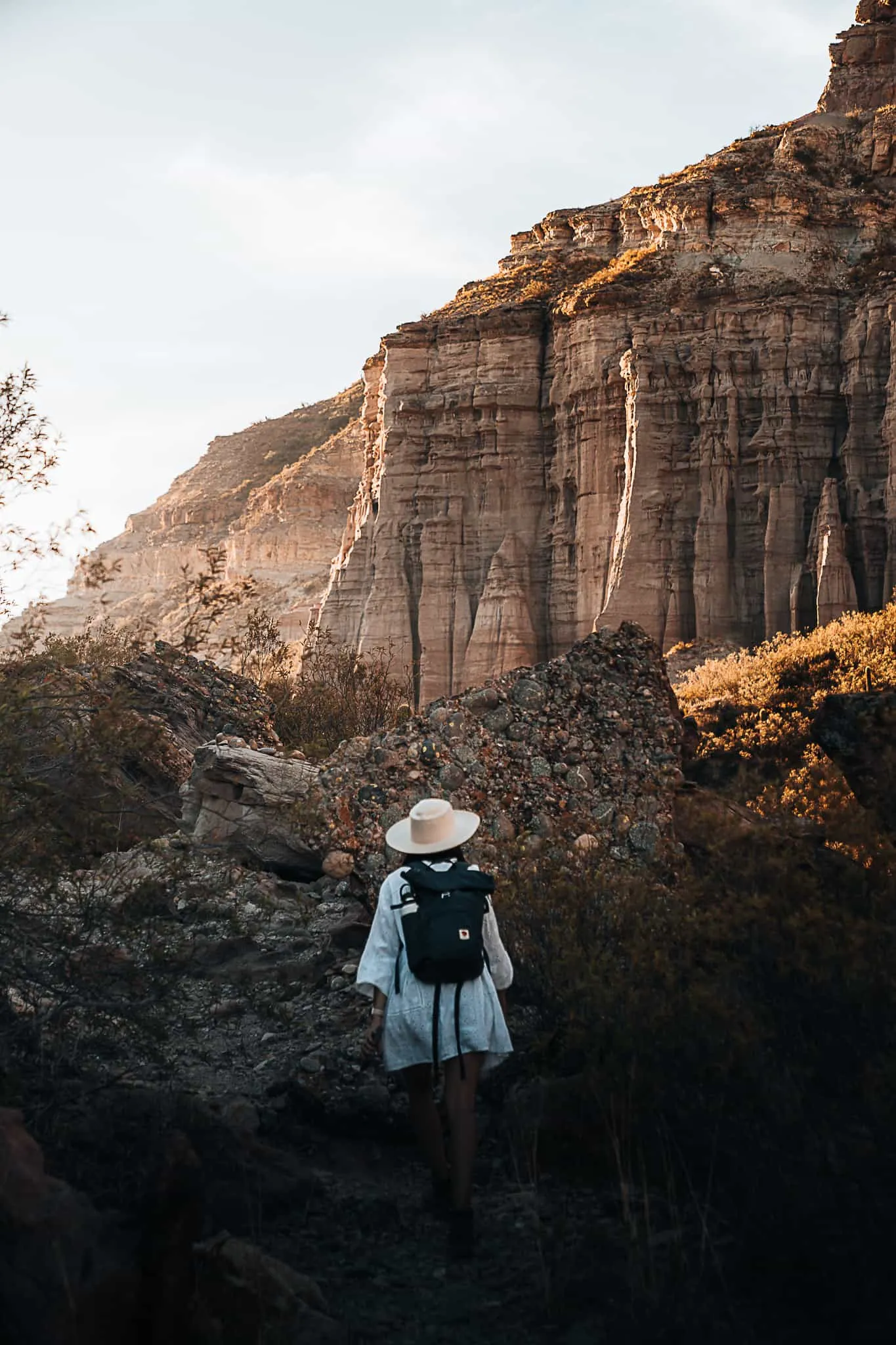
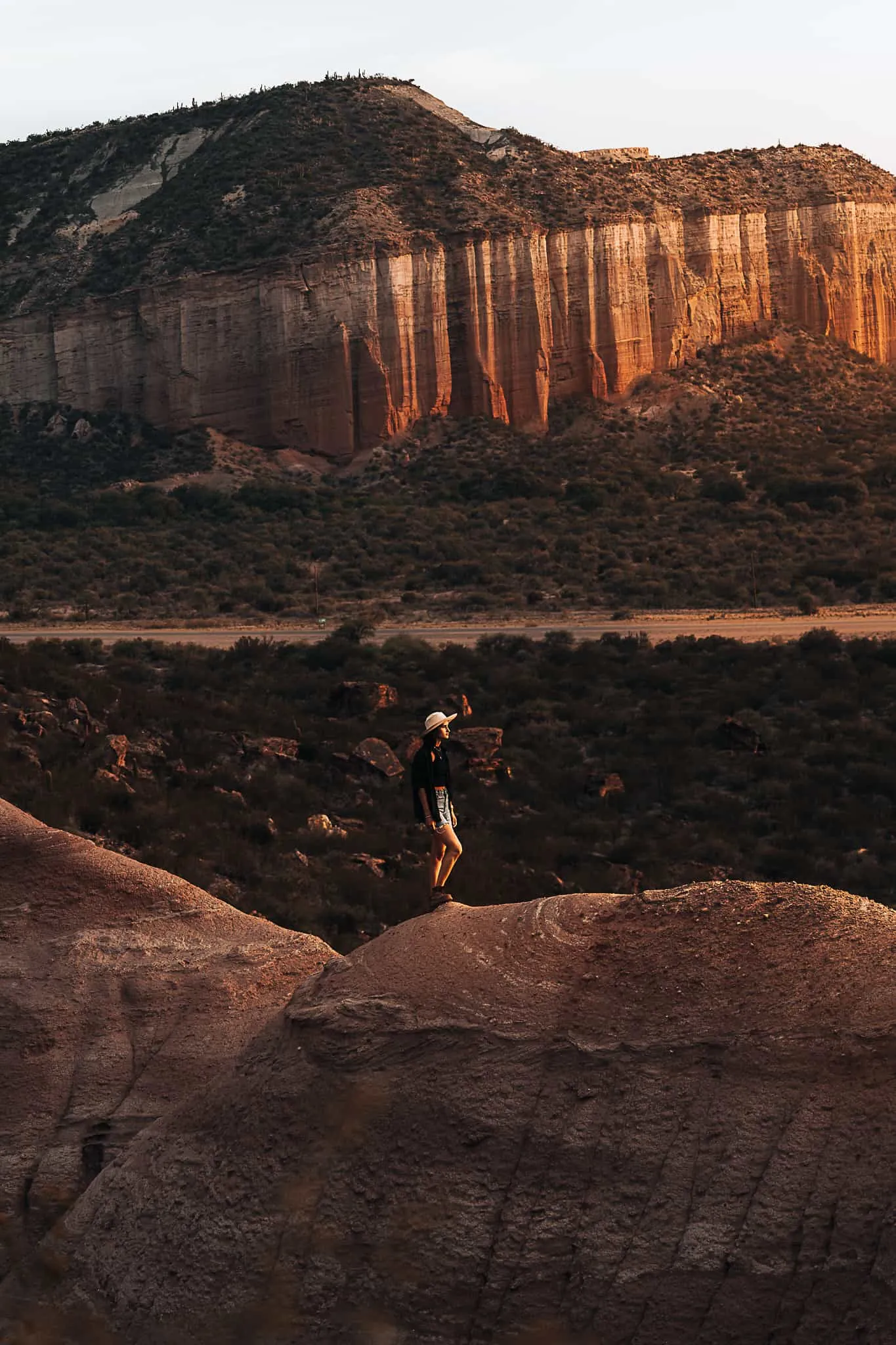
8. El Chiflón
Little known, but highly recommended. This provincial park was created in 2002 to protect an area of 9,000 hectares with rock formations, fossils and spectacular landscapes. To give you an idea, it's part of the Talampaya/Ischigualasto geological basin and shares similar scenic, geological and cultural features with those parks.
Its name comes from the sound of the wind passing between the formations.
📍You can only visit with an authorized guide.
You can stay at the park's hotel (La Posta Pueblo del Chiflón), and from there they'll set you up with a guided walk of about 2 hours. The hotel is also in a strategic spot if you want to visit Talampaya National Park and the Valle de la Luna (Ischigualasto), since it's halfway between the two.
9. Cuesta de Miranda
This is one of the most famous and scenic routes in the region, known for its panoramic views of the Andes and the natural beauty of the landscape.
The road winds through the mountains, connecting the city of Chilecito with the town of Nonogasta. Along the way you can see unique rock formations, deep valleys and canyons, as well as small villages and picturesque towns.
🚗 You can drive it on your own or join a tour that also includes the Cañón del Ocre.
10. Cañón del Ocre (Mina La Mejicana)
Just 25 km from Chilecito, this canyon stands out for the ocher color of its mountains. You can also visit the historic Mina La Mejicana, a gold and silver mine. It opened in the late 19th century and was one of the most important mines in the area. You can visit it on a tour.
Besides the history, it's an ideal place for hiking and taking photos. Formations like "El Gigante Durmiente" and the "Cabeza del Indio" are some of the most photographed.
✨You can book a visit to Mina La Mejicana from Villa Unión here.
11. Los Colorados Provincial Reserve
On Route 74 (Ruta 74), near Chilecito and El Chiflón, this reserve surprises you with its reddish landscape, similar to Talampaya. It's less well known, which makes it even more special.
You visit with a local guide, and it's an excellent complement if you've already explored Talampaya and Ischigualasto and want to keep discovering one-of-a-kind corners.
We recommend avoiding the hours when the temperatures become unbearable.
Tour to Los Colorados Provincial Reserve.
12. Wineries and vineyards
La Rioja is also wine country. Around Chilecito you'll find several wineries producing high-quality varieties, especially Malbec and Torrontés, emblematic of the region.
Many of these wineries offer guided visits with tastings, and some even have their own restaurants where you can pair the wines with regional dishes.
📅 We recommend checking and booking ahead, since not all of them offer visits or tastings every day.
13. Vallecito Encantado
A corner with an impressive geological history. This natural area from the Paleozoic era (more than 360 million years old) has landscapes full of rock shapes: the profile of the mummy, the boat, the lizard, the hat, the broken cup and the ball, among many others.
📍It's about 30 km from Villa Unión, and you can only do the circuit with an authorized guide. You can book the tour to Vallecito Encantado here.

Here are all the places to stay in Villa Unión
Book your stay on Booking (opens in a new tab)
This is an affiliate link: if you book or buy through it, we earn a commission at no extra cost to you.
Where to stay in La Rioja
In La Rioja you'll find all kinds of places to stay, from luxury hotels to hostels and homestays.
To get to know the province's tourist spots better, it's best to stay in the areas close to them. Here's a list:
El Chiflón: This beautiful provincial park is home to the hotel "La Posta Pueblo del Chiflón", 30 km from Ischigualasto Provincial Park and 74 km from Talampaya National Park, a perfect midway point for visiting these natural wonders.
Villa Unión: This small town is 60 km from Talampaya National Park and an ideal starting point for exploring Laguna Brava and the Cráter Corona del Inca.
Chilecito: From here you can visit the Cañón del Ocre, Mina La Mejicana and Cuesta de Miranda, see the town of Famatina and visit nearby vineyards.
Frequently asked questions about traveling to La Rioja
What can you do in La Rioja?
You can visit natural landscapes like Talampaya, Laguna Brava or Cuesta de Miranda, and towns with history like Chilecito or Famatina. There are also wineries, hot springs and hiking.
What are the best places to visit in La Rioja?
Talampaya National Park is the star, but Laguna Brava, the Cráter Corona del Inca, El Chiflón, Chilecito and Vinchina are also incredible.
How many days do I need to see La Rioja?
With 3 to 4 days you can visit the main spots, but if you add places like Laguna Brava or the Cráter Corona del Inca, we recommend at least 5 days.
How do you get around La Rioja?
The best option is to rent a car. There's public transport, but it doesn't reach many of the more natural or remote destinations.
What's the best time of year to travel to La Rioja?
From April to October. In summer it can get very hot in places like Talampaya or Villa Unión. In winter it's cool, but ideal for exploring without overheating.
- Did a price or a detail change? Tell us at hello@charoandmarcos.com
- Still have a question? Ask us on Instagram (opens in a new tab)

Your next step
Northwest Argentina ebook
A PDF that works offline, with itineraries and maps of Salta, Jujuy, Catamarca and La Rioja.