Things to Do in Catamarca, Argentina: The Best Places to Visit
We wrote this guide in Spanish and translated it with the help of AI. Leer en castellano
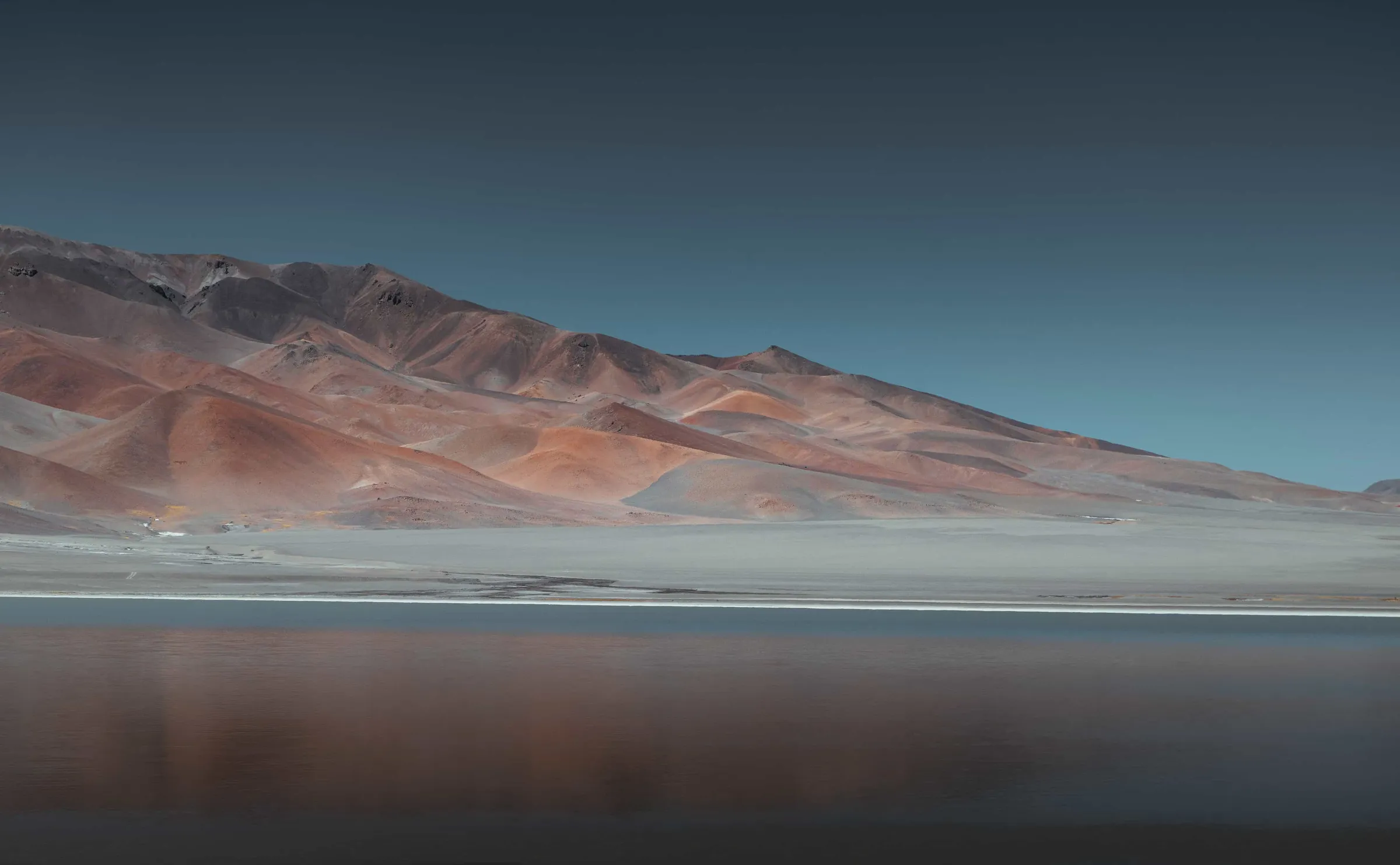
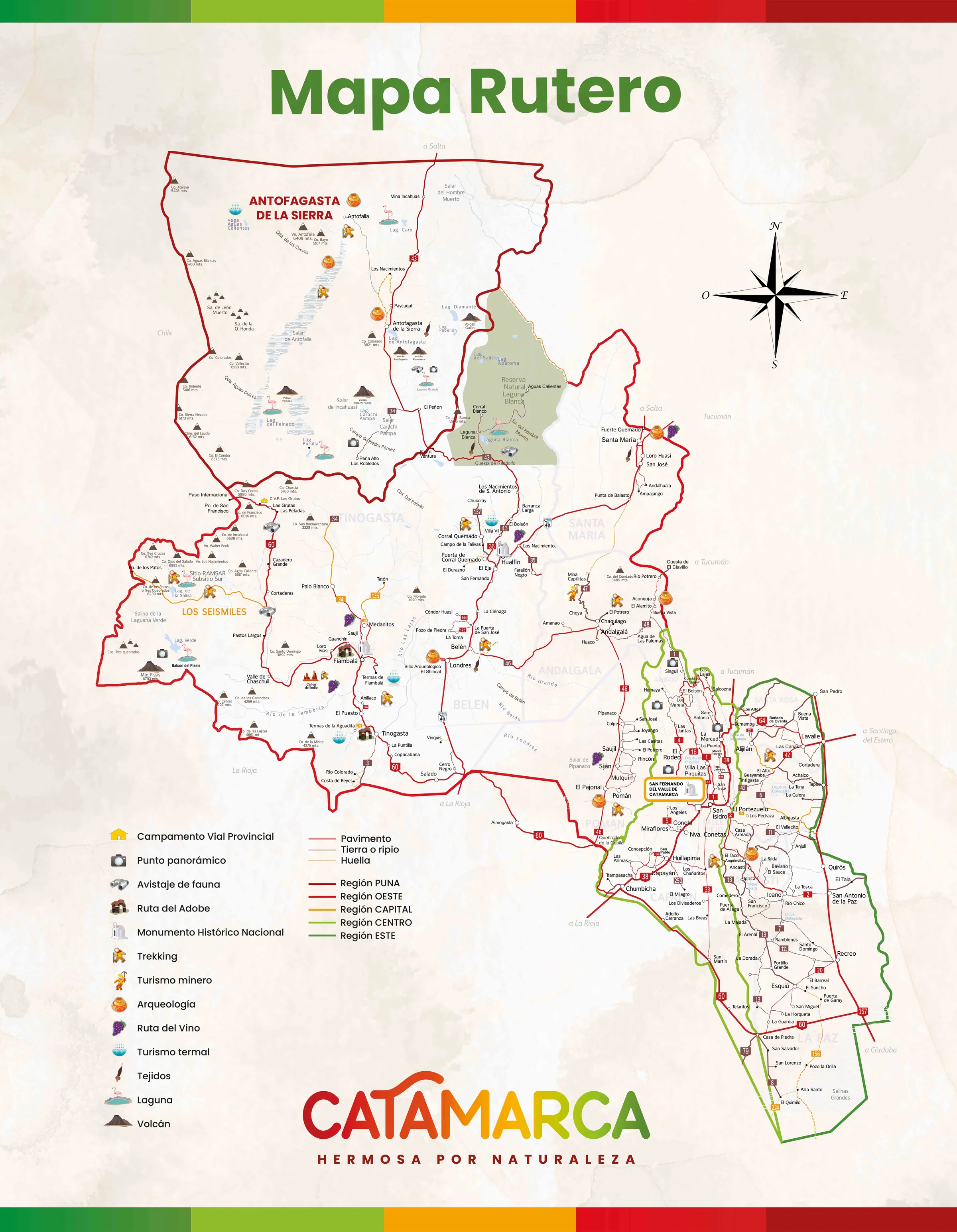
If you're thinking of traveling to Catamarca, you've come to the right place. In this guide we share everything you can do and see in one of the most surprising and least explored provinces in Argentina: from imposing landscapes like Campo de Piedra Pómez, Volcán Galán and Salar de Antofalla to towns full of history, ancestral culture and routes that are ideal by car or on a tour.
This article has affiliate links: if you book or buy through them, we earn a commission at no extra cost to you.
When is the best time to visit Catamarca's Puna?
The best time to visit Catamarca's Puna (high plateau) is in spring (September to November) and fall (March to May). During those months temperatures are more pleasant and there's less risk of rain and storms. In summer temperatures can get very high, and in winter they can drop quite low, especially at night.
As for what to wear, it's important to be prepared for sudden temperature changes and shifting conditions. Here are some suggestions:
- Layers: Bring several layers of clothing. Wear a T-shirt or long-sleeved shirt as a base layer, a mid layer (like a sweater or a light jacket) and an outer layer (a waterproof, windproof jacket).
- Warm clothing: A warm jacket is essential, especially for the cold nights.
- Pants: Long, sturdy pants are ideal. Consider bringing a pair of thermal leggings.
- Footwear: We recommend waterproof boots with good grip, since the ground can be uneven.
- Accessories: Don't forget a hat, gloves and a scarf to protect yourself from the cold.
- Sun protection: Wear sunscreen, since UV radiation is more intense at high altitude.

Travel with peace of mind with Heymondo travel insurance
Get your travel insurance on Heymondo (opens in a new tab)
This is an affiliate link: if you book or buy through it, we earn a commission at no extra cost to you.
Traveling around Northwest Argentina?
We put everything we learned in Salta, Jujuy, Catamarca and La Rioja into our Northwest Argentina ebook.
- A PDF for your phone that works offline
- Itineraries for each province, with where to stay and eat
- Maps of each province with every stop marked
- Free updates forever
Only going to Catamarca? There's also the Catamarca ebook.
How to get to Catamarca
Getting to Catamarca is fairly easy. You can fly to Catamarca Airport from Buenos Aires, Córdoba and other major cities. From there, the best plan is to rent a car or hire a taxi to a town like Tinogasta, Fiambalá or Belén (depending on how you want to plan your route), which are almost 4 hours from San Fernando del Valle de Catamarca.
Another option is to fly to La Rioja Airport, which is almost 3 hours from Fiambalá, for example. If you also want to explore La Rioja, here's our complete guide.
Use this link to see the car rental options in Catamarca and La Rioja.

Book your car to explore Catamarca here
Rent a car on DiscoverCars (opens in a new tab)
This is an affiliate link: if you book or buy through it, we earn a commission at no extra cost to you.
Tips and recommendations for visiting Catamarca's Puna
Most of the places to visit in Catamarca's Puna are at high altitude, above 3,500 m (11,480 ft). That's why it's essential to take things slowly to avoid altitude sickness. We recommend drinking plenty of water to stay hydrated, eating light and avoiding alcohol, which can intensify the effects of the altitude. Enjoying the Puna takes some care, but the reward is a landscape from another world.
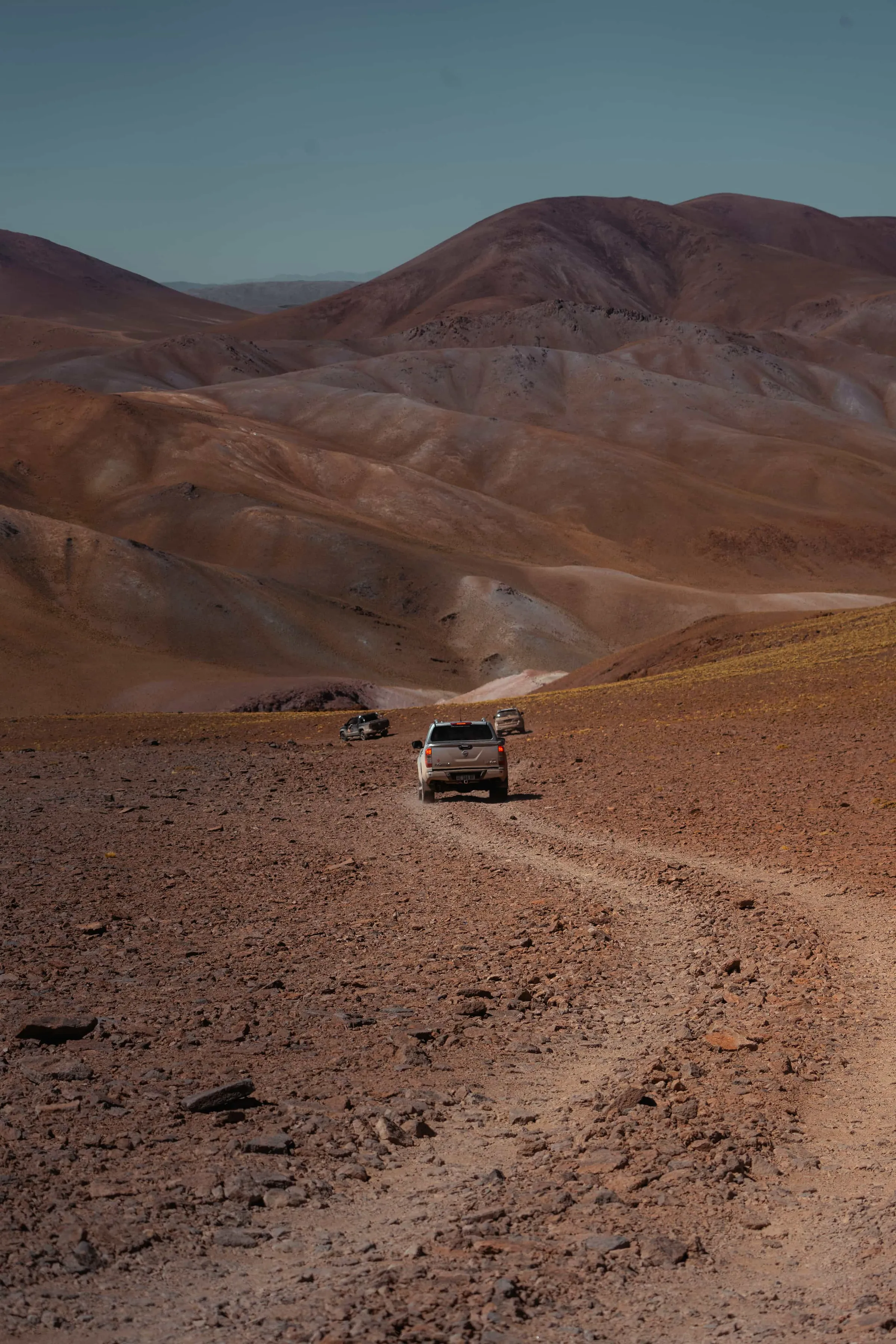
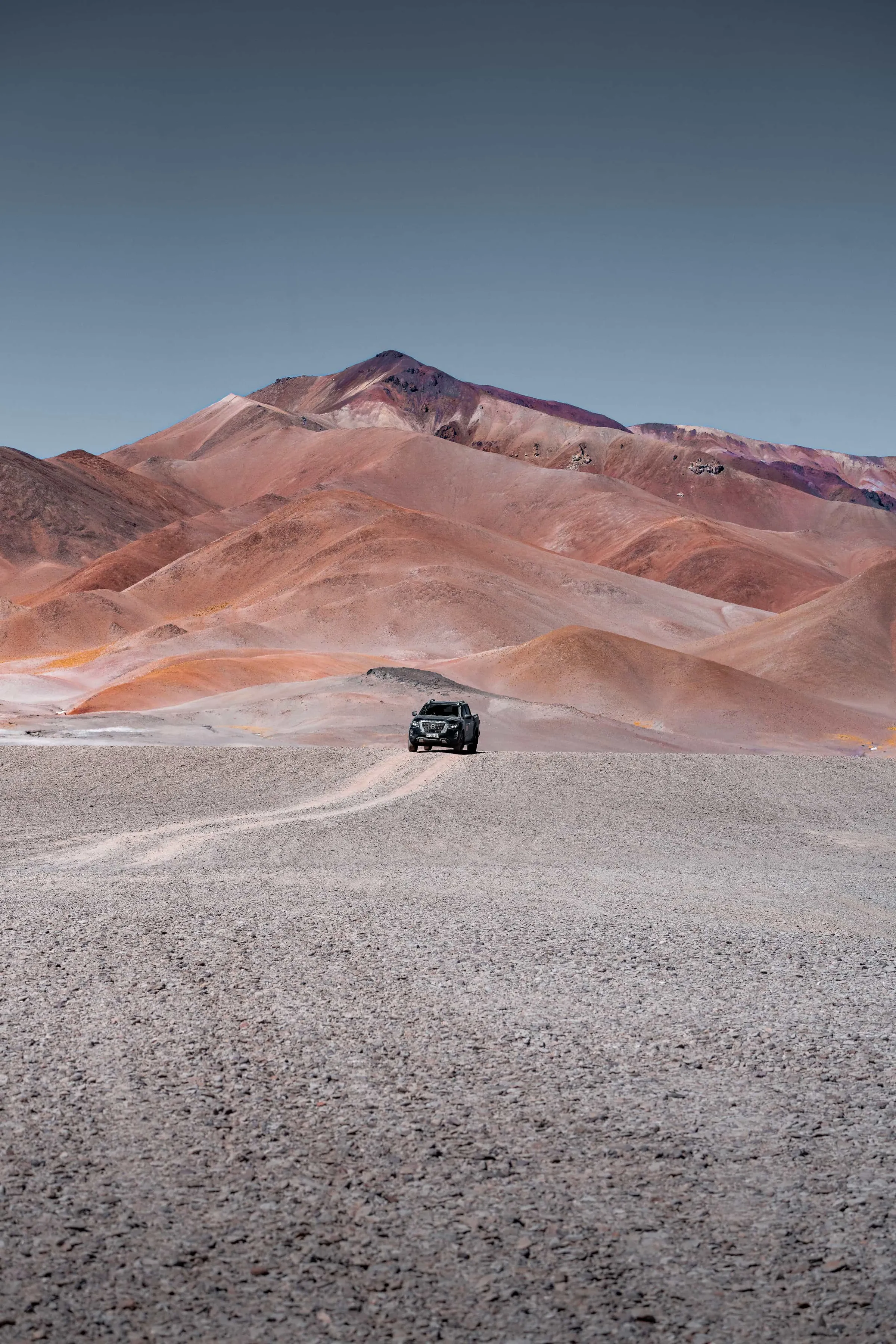
Most destinations in the Puna, like Salar de Antofalla or Campo de Piedra Pómez, can only be reached by 4x4. The roads are loose gravel, some with tight bends and steep grades. That's why, to see these places, we always recommend booking a tour or, if you have a 4x4 pickup truck, hiring a local guide to go with you along the way. We went with Offroad Argentina, an agency that takes you to the best places in the Puna in your own 4x4 truck or as a passenger in one of theirs.
The weather in the Puna is also unpredictable, with temperatures that can swing dramatically between day and night and storms that can come up without warning. It's essential to carry enough fuel, since there are no gas stations on the gravel roads. You also need to bring water, food, a first-aid kit and basic tools for vehicle repairs. A GPS or detailed maps are a good idea, since there's no cell signal along most of the way.
The Puna is a fragile, remote ecosystem, so it's important to follow the rules of responsible tourism: leave no trash behind and respect the local wildlife and plants.

See all the tours in Catamarca
See tours on Civitatis (opens in a new tab)
This is an affiliate link: if you book or buy through it, we earn a commission at no extra cost to you.
Things to do in Catamarca
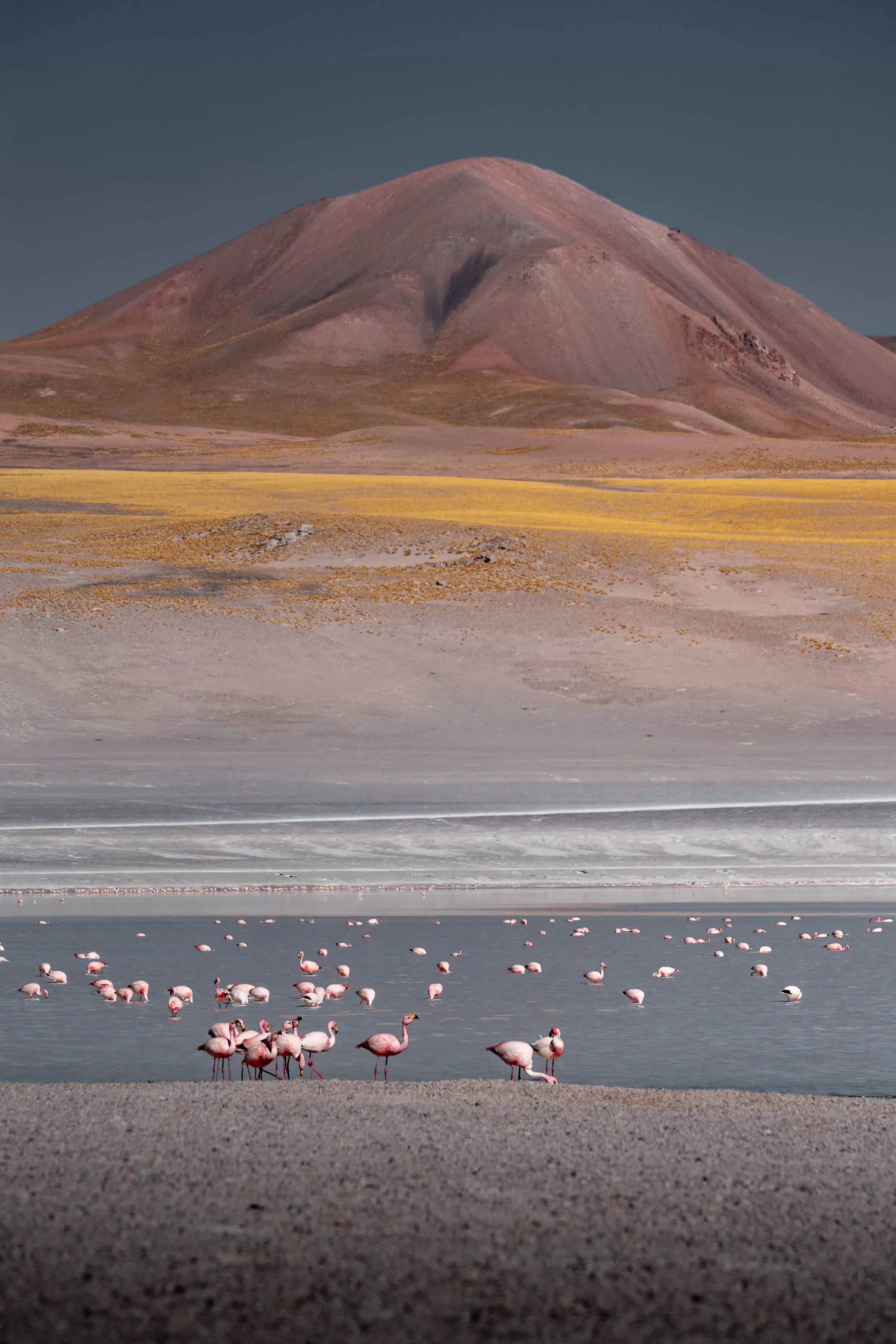
1. Volcán Galán and Laguna Diamante
Exploring Volcán Galán by 4x4 is an epic adventure through one of the most impressive and remote landscapes in Catamarca's Puna. With a diameter of 40 km and an altitude of 6,000 m (19,690 ft), the volcano is quite a sight. The volcano itself is very high, but by truck you'll reach its base at about 4,600 m (15,090 ft).
The route to Volcán Galán begins in Antofagasta de la Sierra, a small town at about 3,300 m (10,830 ft). From here you reach the road that leads to the volcano. The drive to the Galán caldera takes 5 to 6 hours. You need a vehicle suited to the terrain, experience on difficult ground and proper preparation. That's why we don't recommend going on your own. It's better to book a tour or go with a local guide.
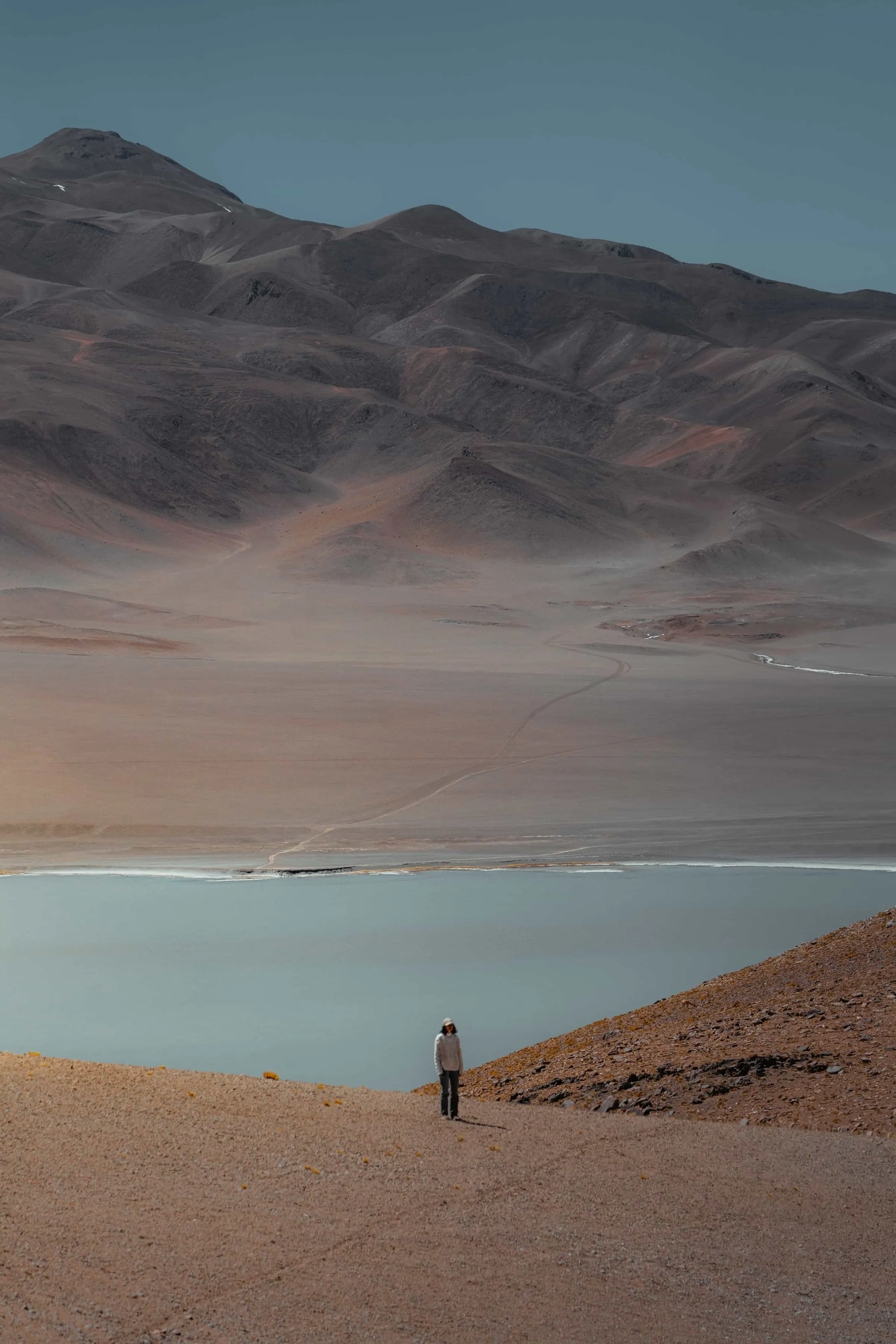
Laguna Diamante, in the crater of Volcán Galán, is one of the highlights. Its surface looks like a diamond from certain angles and gives the volcano's landscape a beauty all its own.
2. Campo de Piedra Pómez
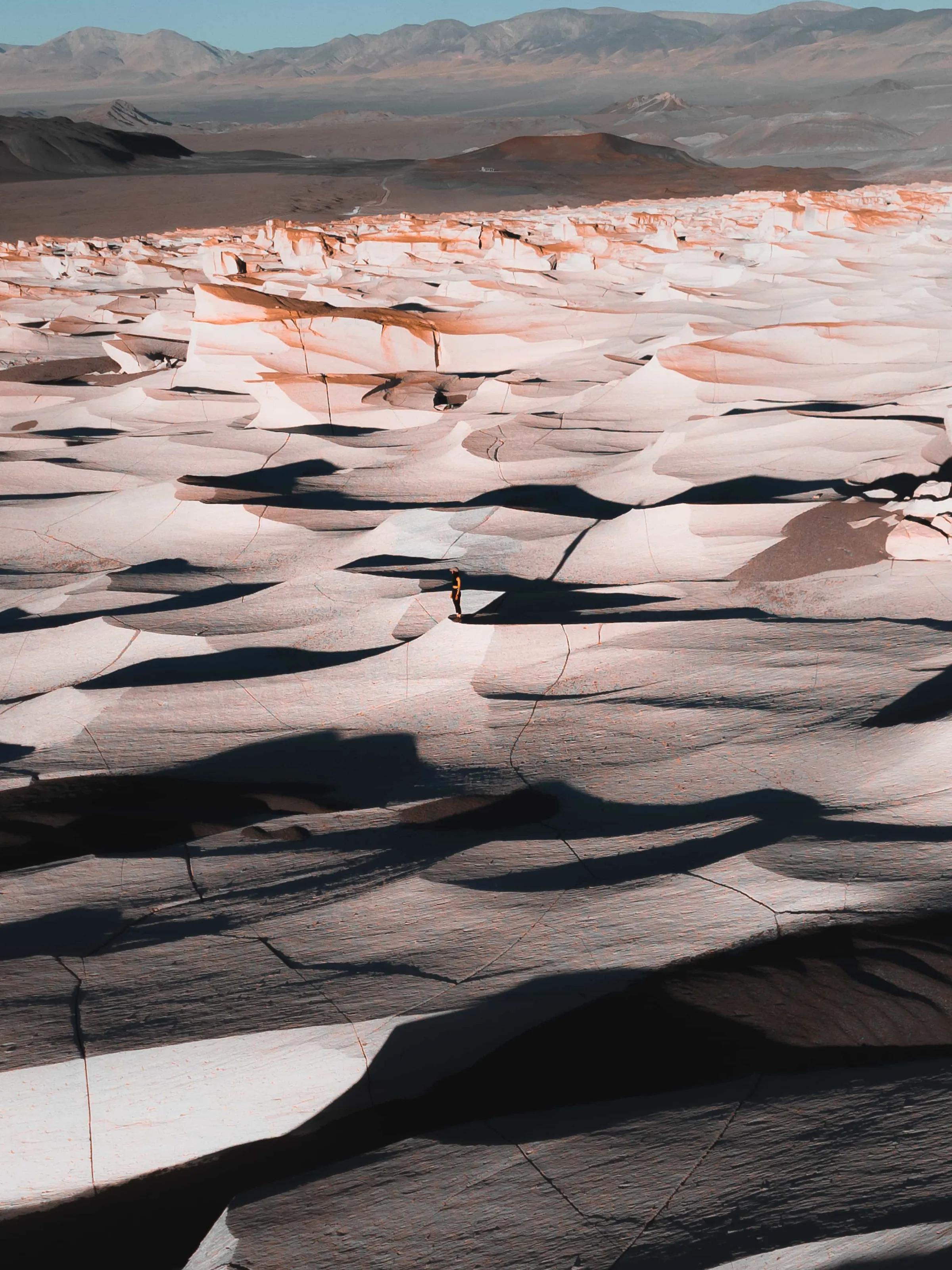
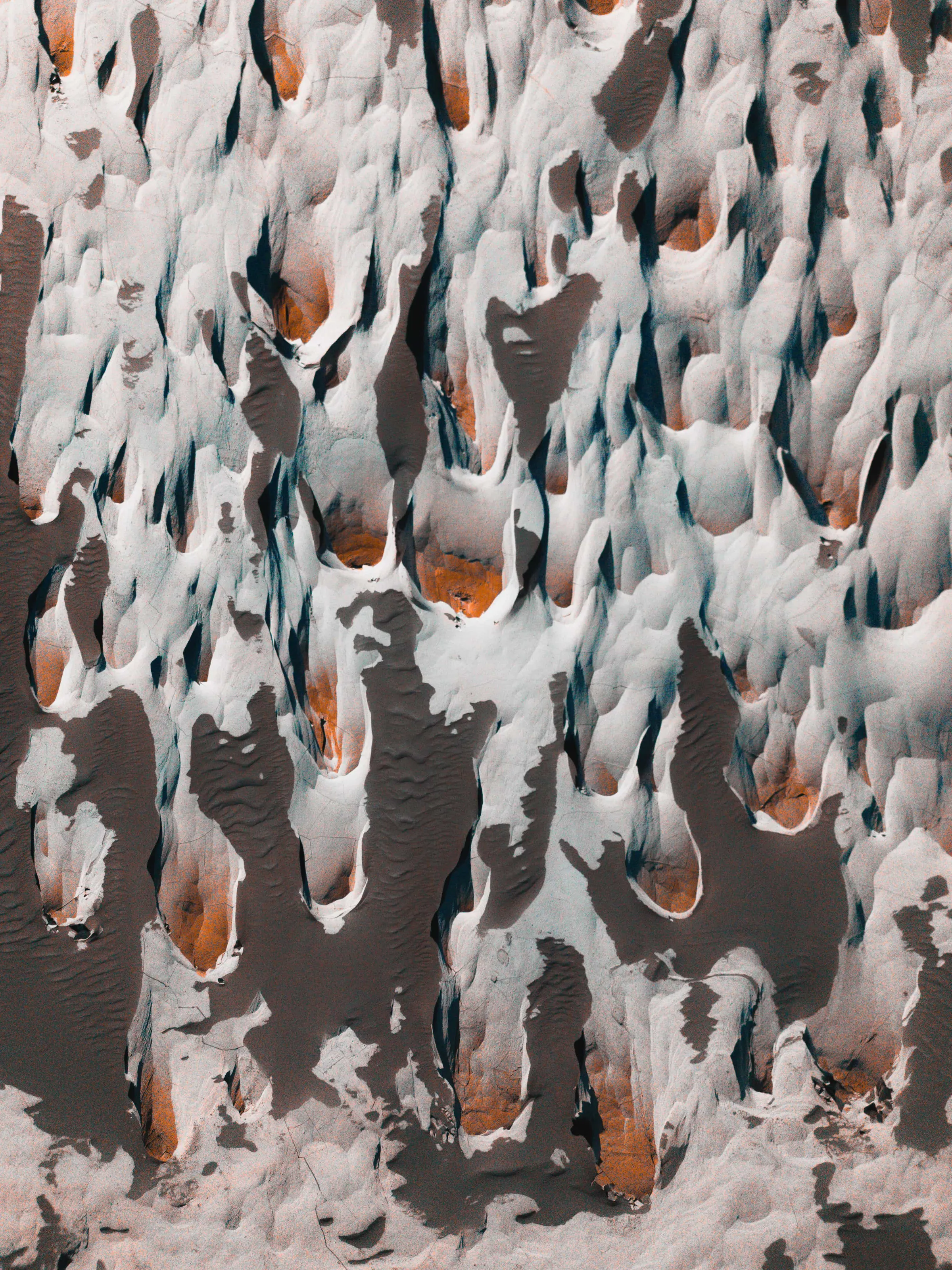
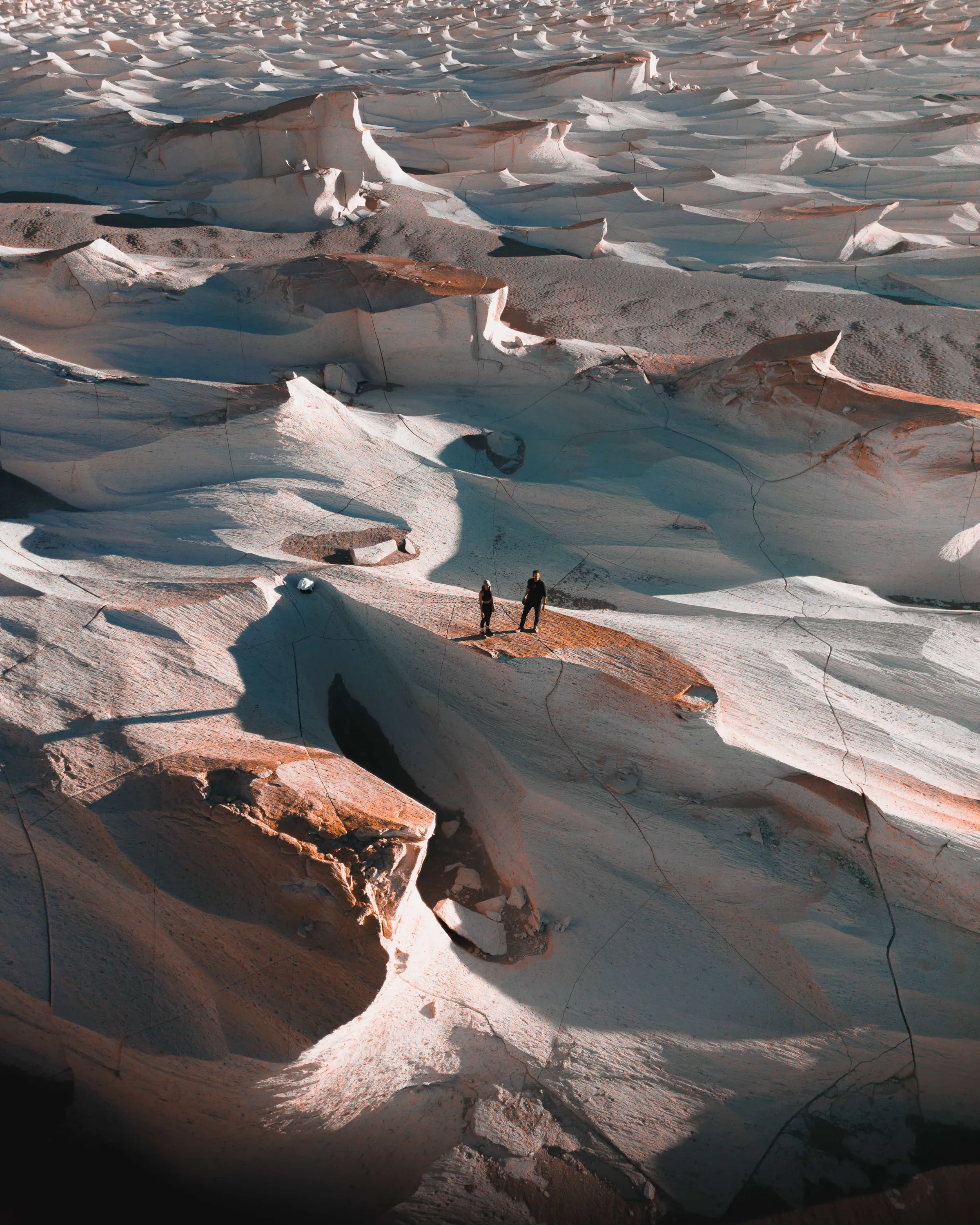
Another of the most impressive and unusual landscapes in the Argentine Puna is Campo de Piedra Pómez. This big desert is full of rock formations made of pumice, a light, porous volcanic stone. The formations stretch for several kilometers, creating a surreal landscape that looks like it's from another planet.
The most common starting point for Campo de Piedra Pómez is El Peñón, a small town in the Puna. The 4x4 drive from El Peñón to Campo de Piedra Pómez takes about 1.5 to 2 hours. You can also get there from Antofagasta de la Sierra. That drive is longer and can take 3 to 4 hours by 4x4 because of the distance and the condition of the road.
We don't recommend going on your own here either. It's better to book a tour or go with a local guide.
Tip: The sunset light is perfect for photographing the place.

3. Salar de Antofalla
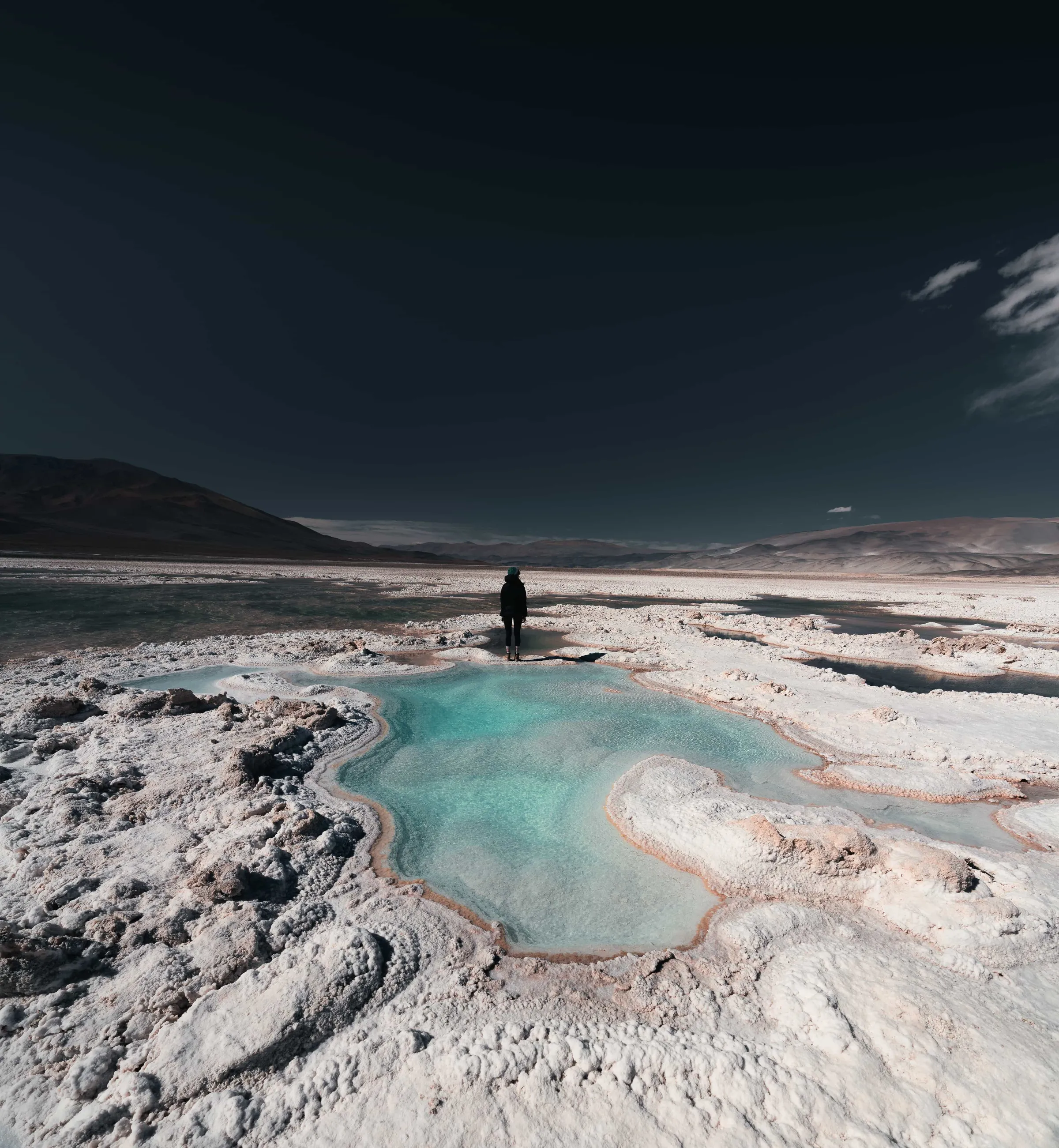
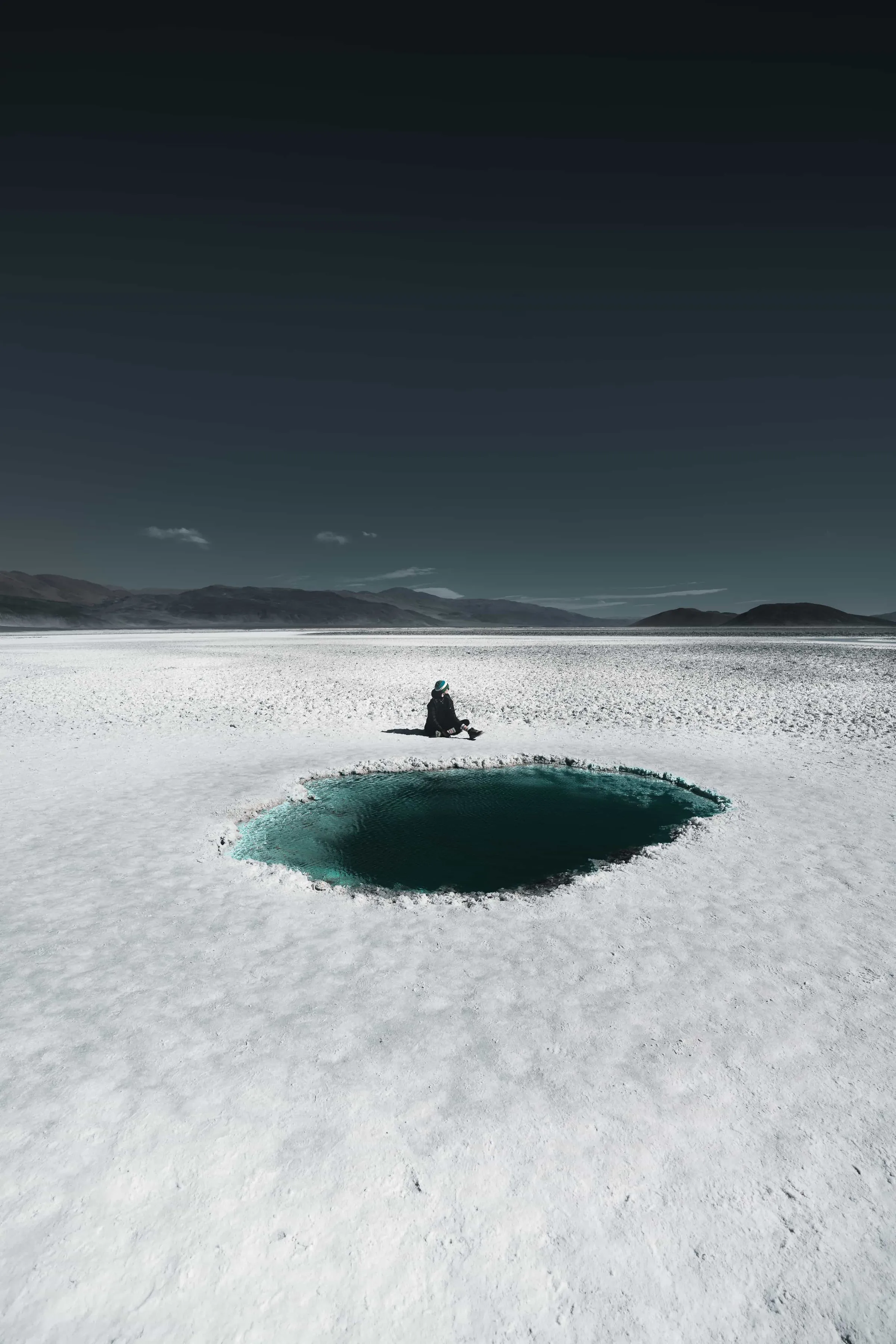
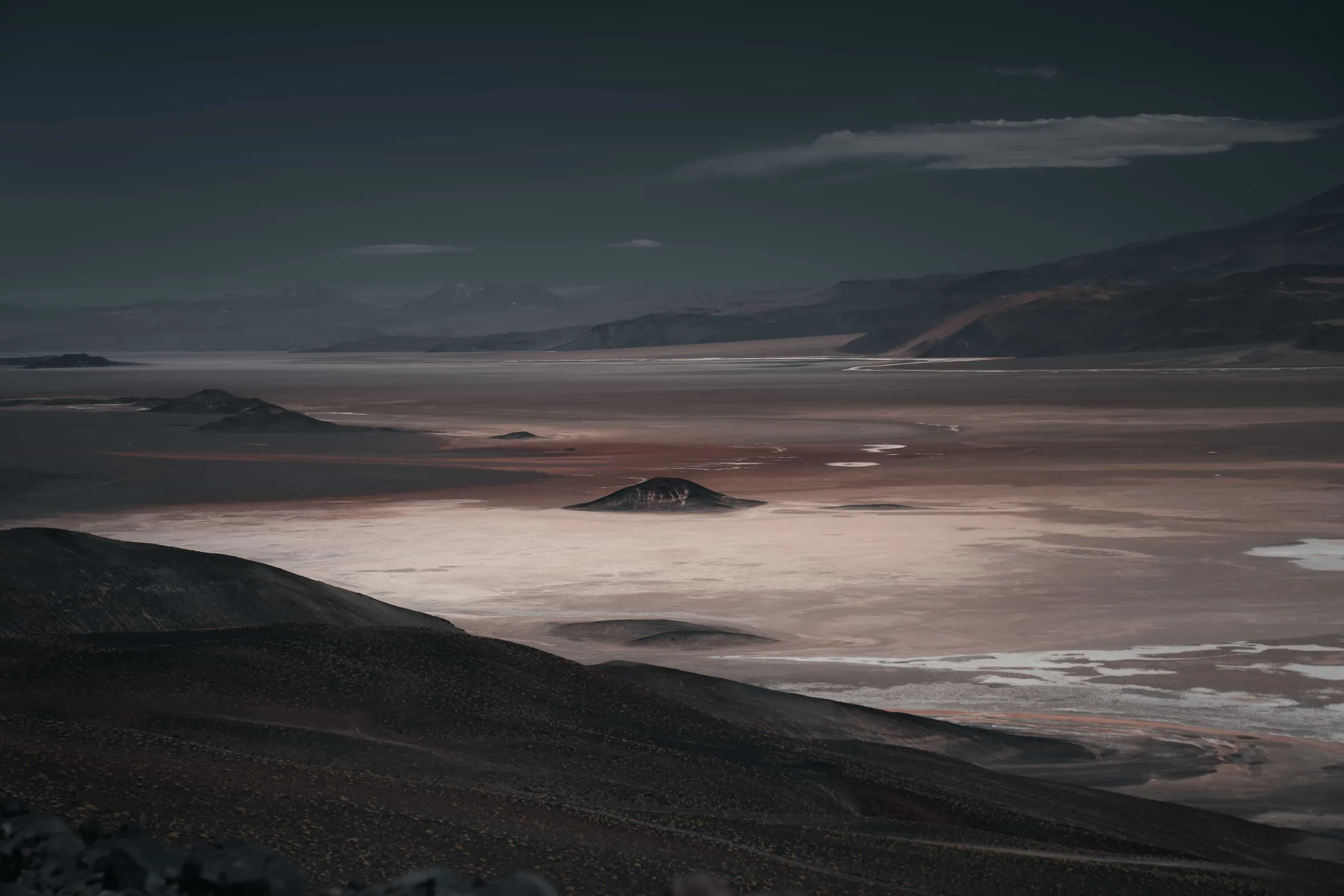
Salar de Antofalla is one of the most impressive and extensive salt flats in Argentina and the widest in South America. It sits at more than 4,000 m (13,120 ft) and stretches for about 150 km.
The scenery is absolutely spectacular, with a horizon that seems to have no end and a bright white surface that reflects the sky, creating an impressive visual effect. The salt flat is also known for its natural pools in different colors, formed by saltwater in shades from deep blue to emerald green.
Salar de Antofalla is about 80 km northwest of the town of Antofagasta de la Sierra, at roughly 3,900 m (12,800 ft). The 4x4 drive can take 2 to 3 hours. Getting to the salt flat is an adventure in itself. You reach it on gravel roads that aren't well signposted, so a 4x4 is a must. We don't recommend going on your own. It's better to book a tour or go with a local guide, since they know the region well and can make sure the trip is safe.
4. Ruta de los Seismiles
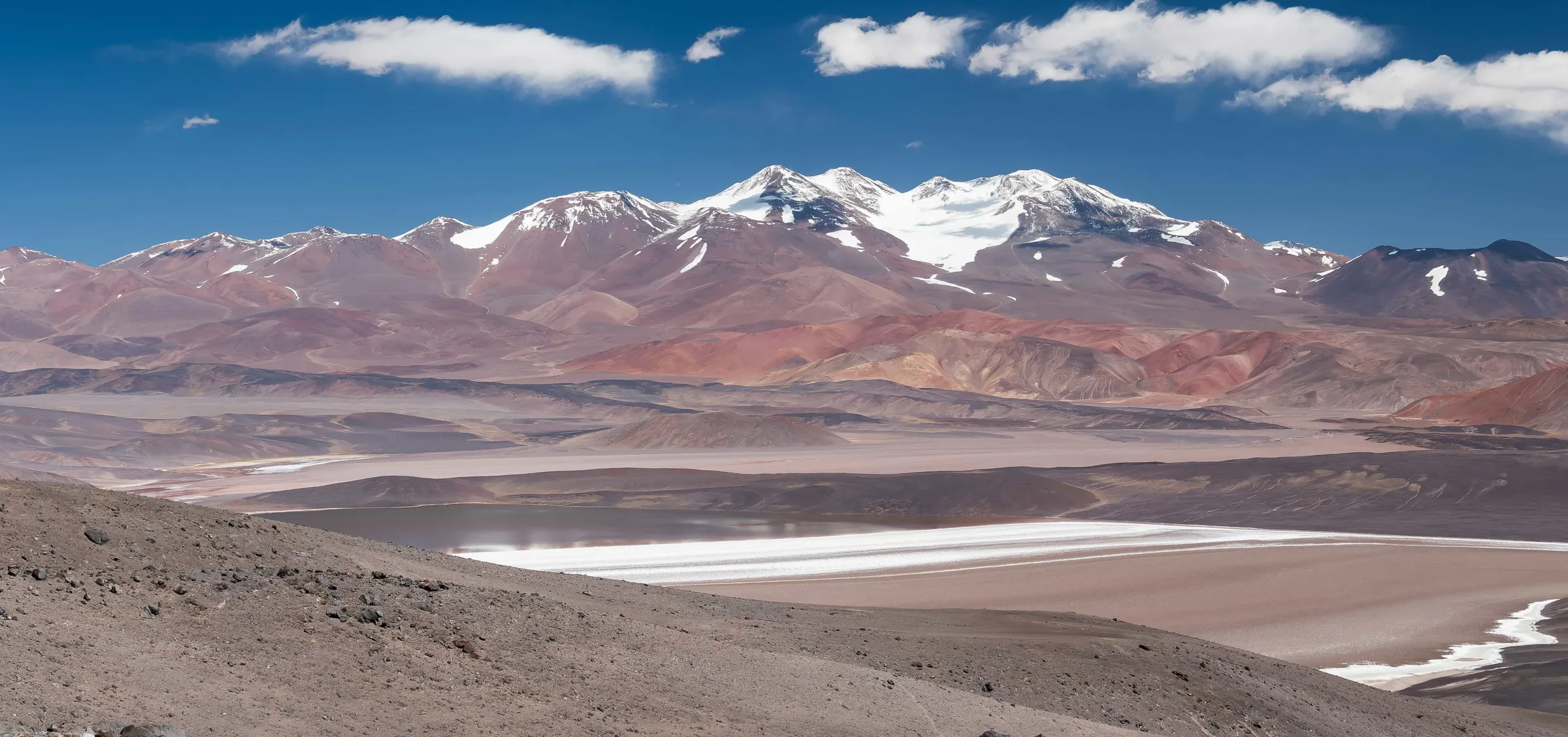
Can you imagine being surrounded by peaks over 6,000 m (19,690 ft)? The Ruta de los Seismiles (Route of the Six-Thousanders) is a drive of about 200 km from the town of Fiambalá to the San Francisco border crossing with Chile. This paved road owes its name to the impressive number of mountains and volcanoes above 6,000 m, which makes it an essential destination for anyone who loves Andean landscapes.
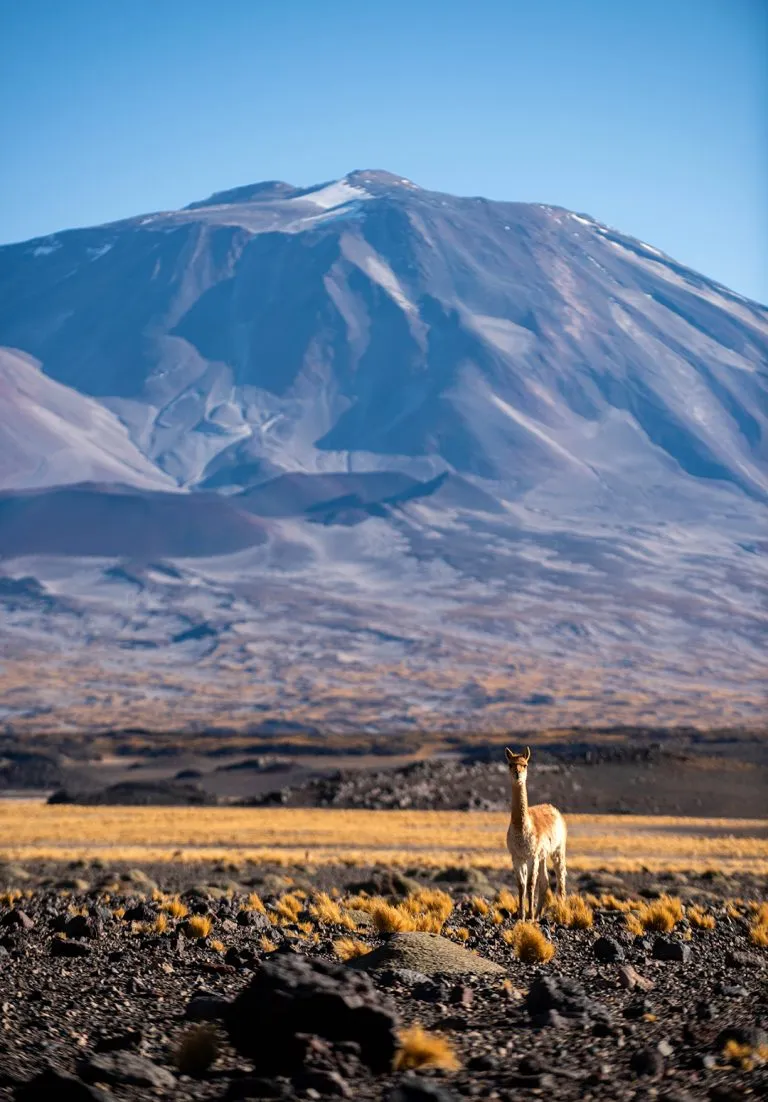
Along the way you can see majestic peaks like Ojos del Salado (6,893 m, or 22,615 ft), the highest volcano in the world and the second-highest summit in the Americas, surpassed only by Aconcagua. Other giants like Monte Pissis (6,792 m, or 22,283 ft), Cerro Tres Cruces, Incahuasi and San Francisco also dominate the horizon. Besides these summits, the landscape has colorful rock formations, salt flats and lagoons, and native wildlife like vicuñas, flamingos and llamas.
The road is paved and runs through very high areas, so it's best to do the trip with guides and in a 4x4, especially if you want to go to places like Balcón del Pissis, Laguna Verde or Laguna Azul, which require detours on secondary roads.
The weather in the region can be unpredictable, with wind, cold and the chance of snow even outside winter. So it's wise to leave early, keep the tank full and be ready for extreme conditions. There are basic roadside shelters along the route, but it's essential not to stray from the main road.
If you're not planning to cross into Chile, the Hostería Internacional de Cortaderas is a good place to stop, rest or even spend the night in the middle of Catamarca's Puna.
5. Balcón del Pissis Viewpoint
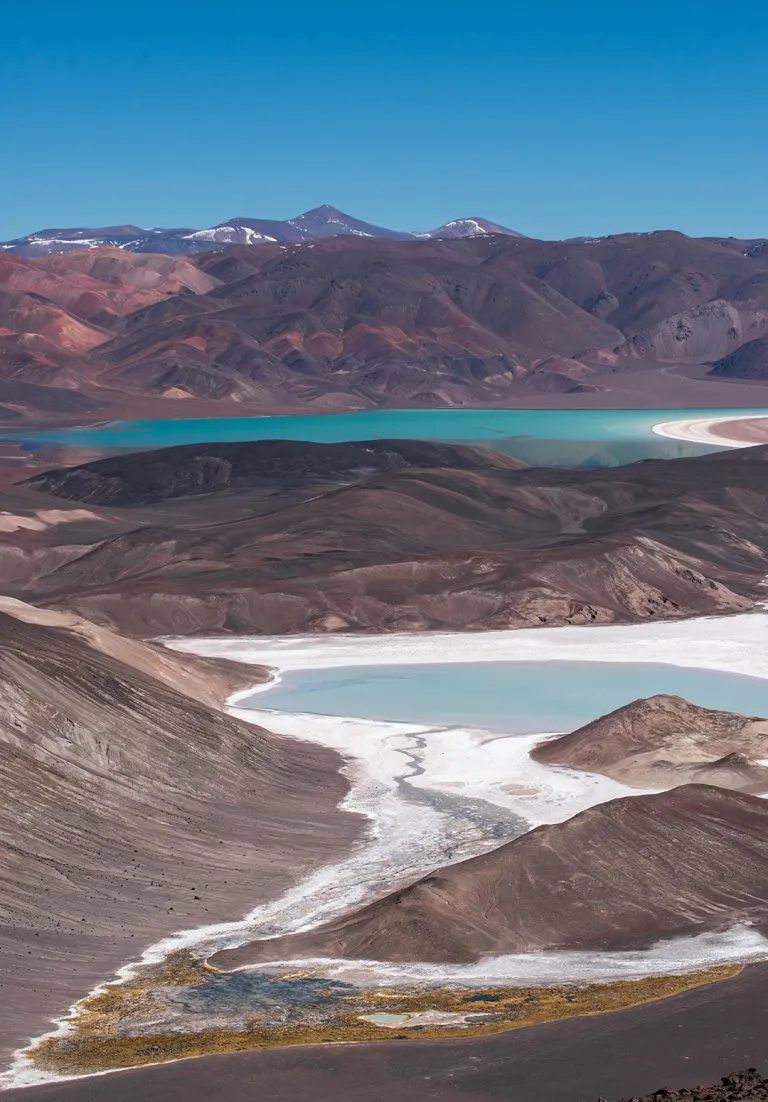
It's a natural viewpoint off the main Ruta de los Seismiles in Catamarca, with an impressive view of Monte Pissis, one of the highest inactive volcanoes in the world, at an altitude of 6,792 m (22,283 ft).
Getting to Balcón del Pissis isn't easy. You take a dirt turnoff that starts near Paraje Pastor Largo, about 55 km from the Ruta de los Seismiles. This gravel road is well maintained because the lithium and gold mines in the area use it, but it's best driven only in a 4x4. Joining a tour or hiring a local guide is ideal, since the terrain is challenging and you can get altitude sickness up there.
The route starts at Laguna de los Aparejos, where you'll often see flamingos that migrate to the area in summer. The next stop is Laguna Celeste, famous for its intense turquoise color. Then you climb to Balcón del Pissis, where you get a spectacular view of the volcano, Laguna Negra and several contrasting white salt flats.
Many tours end at Balcón del Pissis, but some continue around Laguna Negra toward Laguna Verde.
6. La Ruta del Adobe
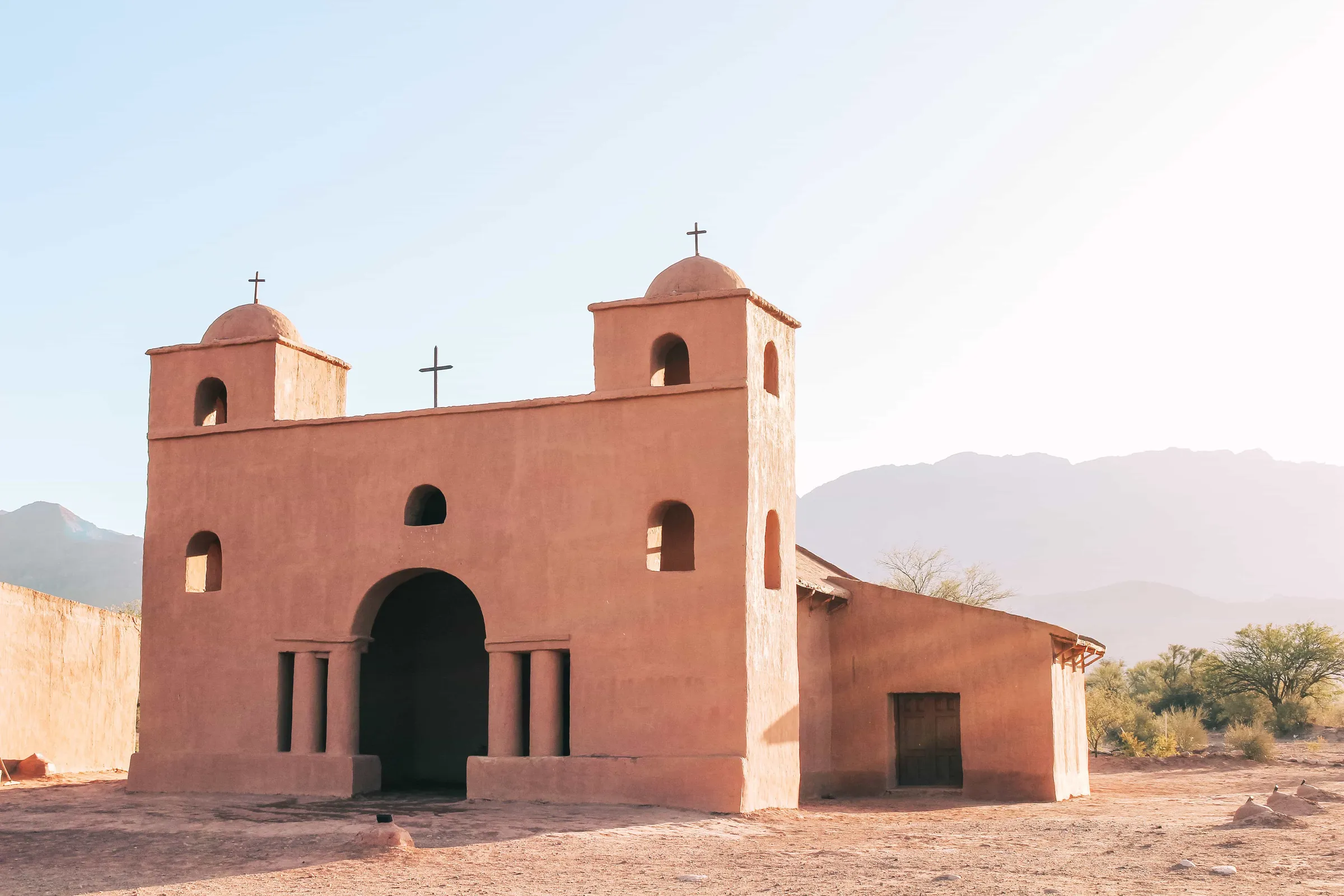
Exploring La Ruta del Adobe (the Adobe Route) is like traveling back in time. It's a 55 km cultural route between Fiambalá and Tinogasta that immerses you in colonial history and architecture. Along the way you can admire old buildings made of adobe, a mix of mud, straw and manure.
Highlights include the Iglesia de San Pedro (1770), the Oratorio de los Orquera (1710), the Iglesia Nuestra Señora de Andacollo and the ruins of Watungasta, an important pre-Inca settlement. The route takes you past historic monuments, many of them free to visit.
7. The dunes
Catamarca's dunes cover three desert formations: Tatón, Saujil and Medanitos.
Dunas de Tatón: In Tinogasta, these dunes cover 103 km² and are known for their impressive height. The tallest dune, "Federico Kirbus", stands at 2,845 m (9,334 ft) above sea level. You can go sandboarding, ride ATVs or try motocross, and it's best to go by 4x4.
Dunas de Saujil: About 10 km northwest of Fiambalá, the "Duna Mágica de Saujil" rises 90 m (295 ft) at a 45-degree slope. It's ideal for sandboarding and has lovely panoramic views.
All these dunes have been stages of the Dakar Rally.
8. Los Castillos de Villa Vil
Los Castillos de Villa Vil are in western Catamarca, near the town of Villa Vil. To get there, take a dirt road about 2.3 km before the Villa Vil bridge. You can do it in a regular car, though it's better if the car doesn't sit too low. From the end of the unpaved road, you have to walk about 7 km (4.3 miles) to the Castillos. The walk takes around 1 hour each way.
You don't have to hire a guide, but we recommend downloading a route from Wikiloc. It's important to respect the surroundings and not touch the formations.
9. Termas de Fiambalá
The Termas de Fiambalá are famous for their natural hot springs, which rise at more than 1,700 m (5,580 ft) above sea level. About 15 km from the town of Fiambalá, these springs are surrounded by mountains, ideal for relaxing after exploring the region's arid landscapes. The thermal waters, with temperatures ranging from 38°C to 70°C, are known for their therapeutic properties.
To go, you have to book ahead with the Fiambalá municipal government.
10. Laguna Carachi Pampa
It's a little-known gem about 15 km from Campo de Piedra Pómez. It sits at roughly 3,900 m (12,800 ft), in a high-altitude basin in the Puna.
To get to Laguna Carachi Pampa, you can set out from Campo de Piedra Pómez. The 4x4 drive to the lagoon takes around 30 to 45 minutes, depending on the terrain and the weather. The road is mostly gravel and can include stretches of uneven ground, so it's best to have a suitable vehicle and experience driving on difficult terrain.

See all the places to stay in Catamarca
Book your stay on Booking (opens in a new tab)
This is an affiliate link: if you book or buy through it, we earn a commission at no extra cost to you.
Where to stay in Catamarca
When it comes to lodging in Catamarca, it's essential to plan ahead, since there still aren't many places to stay and they tend to fill up quickly. The key places to spend the night on your route are:
- Tinogasta or Fiambalá: Ideal bases if you're planning to explore the Seismiles area and the dunes. Also for resting after exploring the Ruta del Adobe or relaxing at the Termas de Fiambalá.
- Antofagasta de la Sierra: Perfect for reaching Campo de Piedra Pómez, Laguna Carachi Pampa, Volcán Galán and Salar de Antofalla.
- Belén or Londres: Good bases if you're planning to explore the area around Los Castillos de Villa Vil.
- Did a price or a detail change? Tell us at hello@charoandmarcos.com
- Still have a question? Ask us on Instagram (opens in a new tab)

Your next step
Northwest Argentina ebook
A PDF that works offline, with itineraries and maps of Salta, Jujuy, Catamarca and La Rioja.