How to plan your trip to India: a complete guide with tips
We wrote this guide in Spanish and translated it with the help of AI. Leer en castellano
Traveling to India is a one-of-a-kind experience that brings together culture, history and landscapes. But it's true that organizing a trip to this country can raise a lot of questions. In this guide we share everything you need to plan your adventure, from the best time to go, the visa and cultural advice to how many days to set aside and how to get around the country. With these practical tips, you'll be ready to enjoy the richness and diversity India has to offer.
This article has affiliate links: if you book or buy through them, we earn a commission at no extra cost to you.
Best time to travel to India
If you're organizing a trip to India, the first thing to know is that the weather varies a lot depending on the time of year and the region. The country has three main seasons: hot, monsoon and cold.
- Hot season (April to June): very hot and dry, with temperatures that can go over 40°C. Still, it's a good time to visit mountain regions like the Himalayas, or the beach areas in the south of India.
- Monsoon season (July to September): heavy rain and humid weather. The rains are essential for farming, but they can cause floods and make it harder to get around.
- Cold season (October to March): the best time to visit India. Temperatures are more pleasant, between 10°C and 25°C, so you can comfortably explore tourist destinations like Delhi, Agra, Jaipur or even Rajasthan and Varanasi.
💡 Tip: remember that India is enormous and the weather can vary a lot between the north, the south and the mountain areas. Always check the forecast for the places you're going to visit.

Travel with peace of mind with Heymondo travel insurance
Get your travel insurance on Heymondo (opens in a new tab)
This is an affiliate link: if you book or buy through it, we earn a commission at no extra cost to you.
Culture of India: religions, languages and customs
India's culture is one of the oldest and most diverse in the world, with more than 5,000 years of history. With more than 1.4 billion people, India is the most populous country in the world, and that diversity shows in its religions, languages, food and traditions.
🙏 Religions in India
Traveling to India also means stepping into a country where many religions live side by side. It's the birthplace of several major religions, including Hinduism, Buddhism, Sikhism and Jainism, and each one shows up in temples, festivals and everyday rituals.
- 🕉️ Hinduism is the majority religion (79.8%) and plays a key role in daily life.
- ☪️ Islam is practiced by 14.2%.
- ✝️ Next come Christianity (2.3%) and Sikhism (1.7%).
In every corner of the country you'll find temples, mosques, churches and gurdwaras full of spiritual life.
📜 The caste system
One of the most striking social features is India's caste system, a structure thousands of years old that still shows up today in parts of everyday life, like marriage and job opportunities.
Although it was officially abolished, its influence lives on:
- Brahmins: priests and teachers.
- Kshatriyas: warriors and rulers.
- Vaishyas: merchants and farmers.
- Shudras: laborers and artisans.
- Dalits: historically marginalized, known as “untouchables.”
Many social initiatives and laws aim to fight caste discrimination, but it's still a reality.
🗣️ Languages of India
India has 22 official languages and more than 1,600 dialects. The most widely spoken are:
- Hindi, the most used language, especially in the north.
- English, which serves as a secondary official language and is used a lot in tourism and business.
On our month-long trip around India, we didn't have much trouble communicating with people, since so many of them speak English.
🍛 Traditional Indian food
One of the greatest pleasures of traveling to India is trying its incredible food. Indian cuisine is known around the world for its intense flavor, its use of spices and its regional variety.
Some of our favorite dishes were:
- Curries (vegetarian or with chicken)
- Biryani (spiced rice)
- Samosas (small fried stuffed pastries)
- Dosas (rice and lentil crepes, typical of the south)
A lot of people travel here afraid of the famous “Delhi Belly” (traveler's diarrhea), but we had very good experiences. We were very careful about what we ate and drank (you'll find our tips further down).
👩🏻🍳 One more thing: many dishes are safe for people with celiac disease, which made life a lot easier for Marcos. Even so, there's always a risk of cross-contamination, so it's key to let them know and ask carefully everywhere you eat.
👗 How to dress in India
Clothing in India is colorful, traditional and, in many regions, very different from ours. Saris, salwar kameez and kurtas aren't just traditional dress: they also reflect identity and culture.
For tourists, especially women, it's important to dress modestly in certain areas:
- Avoid low necklines and very short shorts.
- Always carry a scarf to cover your shoulders or your head if you go into a temple.
- You always go barefoot into temples and homes (socks can come in handy).
🏛️ A brief history of India
India's history is fascinating and complex. It goes back to the Indus Valley Civilization (around 2500 BC), one of the oldest in the world. Over time, great empires arose, such as:
- The Maurya Empire and the Gupta Empire, which promoted Buddhism and cultural development.
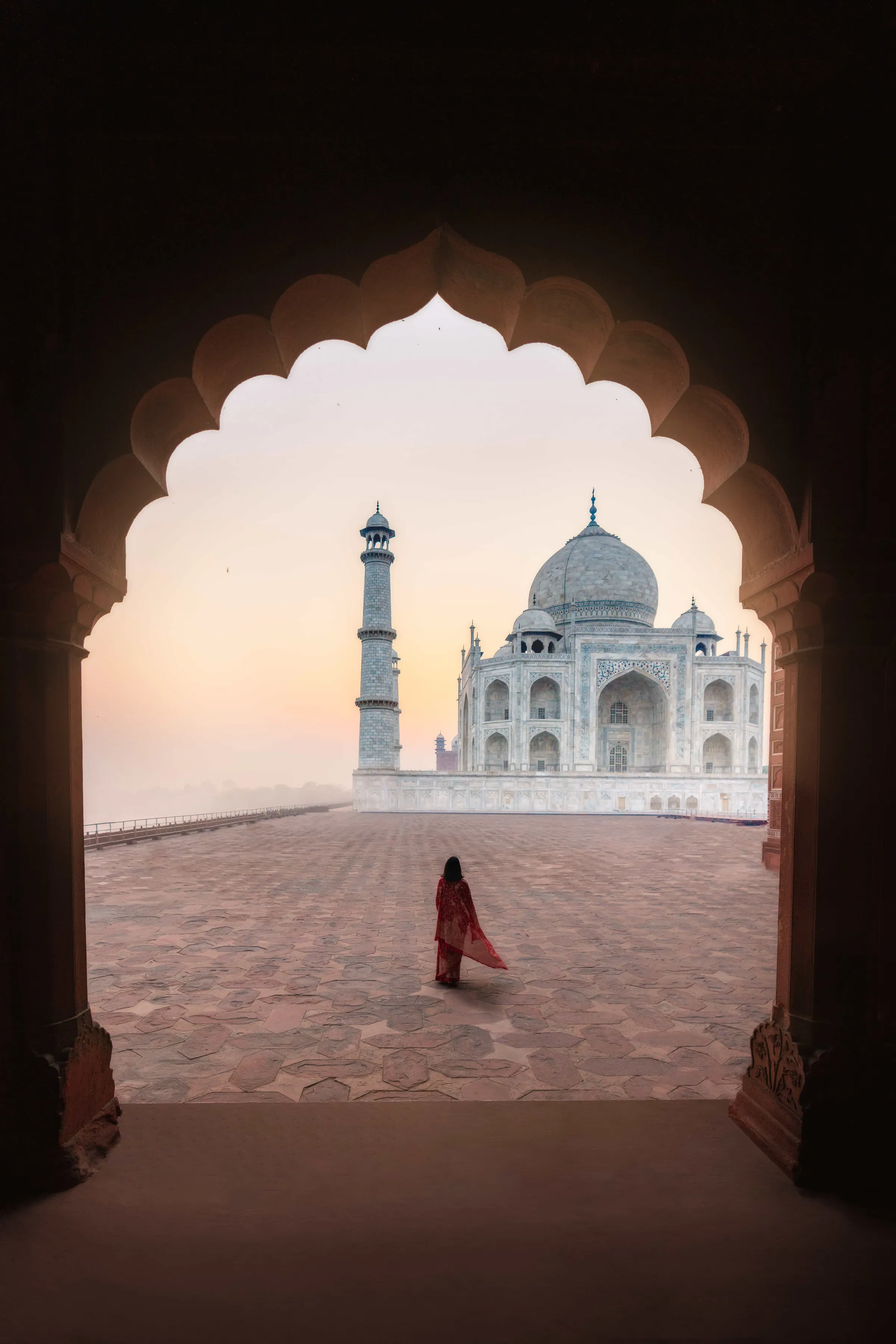
- The Mughal Empire (1526–1857), which left wonders like the Taj Mahal.
- British rule (the British Raj), which lasted until 1947, when India won its independence, led by figures like Mahatma Gandhi.
Today India is a democratic republic with a vibrant past that's still very much present in its architecture, religions and customs.
🇮🇳 Realities and contrasts
India isn't an easy destination, but it is one of the most transformative. It's a country of deep contrasts: tradition and modernity, spirituality and chaos, extreme wealth and extreme poverty.
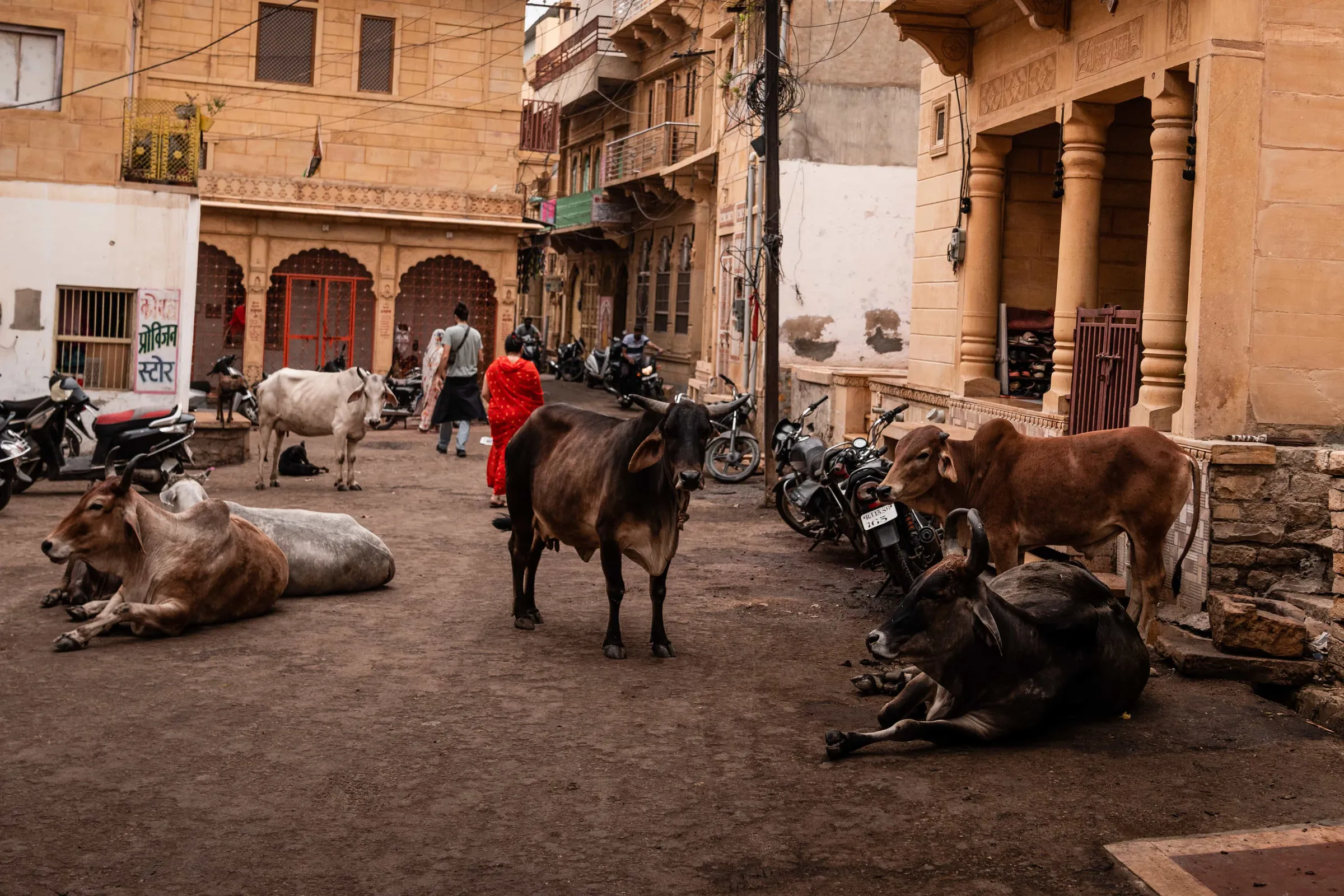
One sight you'll see in every city is cows in the street. They're sacred in Hinduism, a symbol of generosity and life. Yet many of them are neglected, eat garbage and live in harsh conditions, and that really affected us.
💬 People in India were, in general, kind, curious and very respectful toward us. We felt welcome and, although the culture shock is strong, we were always treated cordially.
🙏 Customs and cultural tips for India
To have a good experience, it's key to respect India's customs:
- Greet people with a “namaste” (palms together, a slight bow of the head).
- Don't point with your feet or touch anyone's head (both are considered disrespectful).
- Ask permission before taking photos of people.
- At religious sites, dress appropriately and follow the local rules.
With all its diversity, India makes for a fascinating cultural journey. From deep-rooted traditions to daily life, every side of this culture leaves a lasting impression.
How many days do you need for a trip to India?
India is huge, diverse and overwhelming, so the number of days you need depends on your interests and how much time you have. Our advice: don't try to see it all in one trip.
🔸 If you have a week, you can do the famous Golden Triangle:
Delhi – Agra – Jaipur, which takes in the capital, the Taj Mahal and the Pink City. It's ideal for a first visit to India.
🔸 If you have two or three weeks, you can add other incredible places, such as:
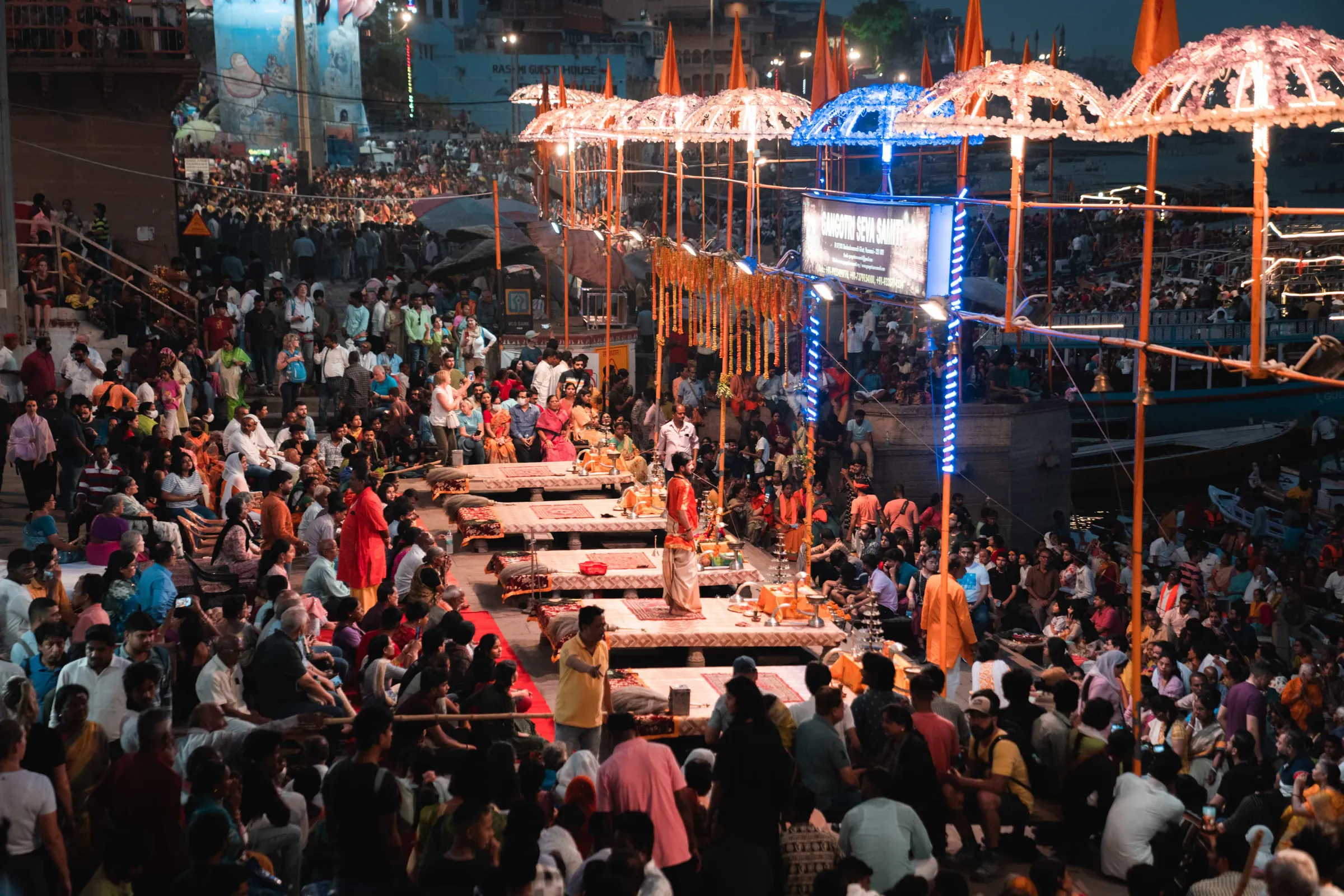
- Varanasi, the sacred city on the banks of the Ganges
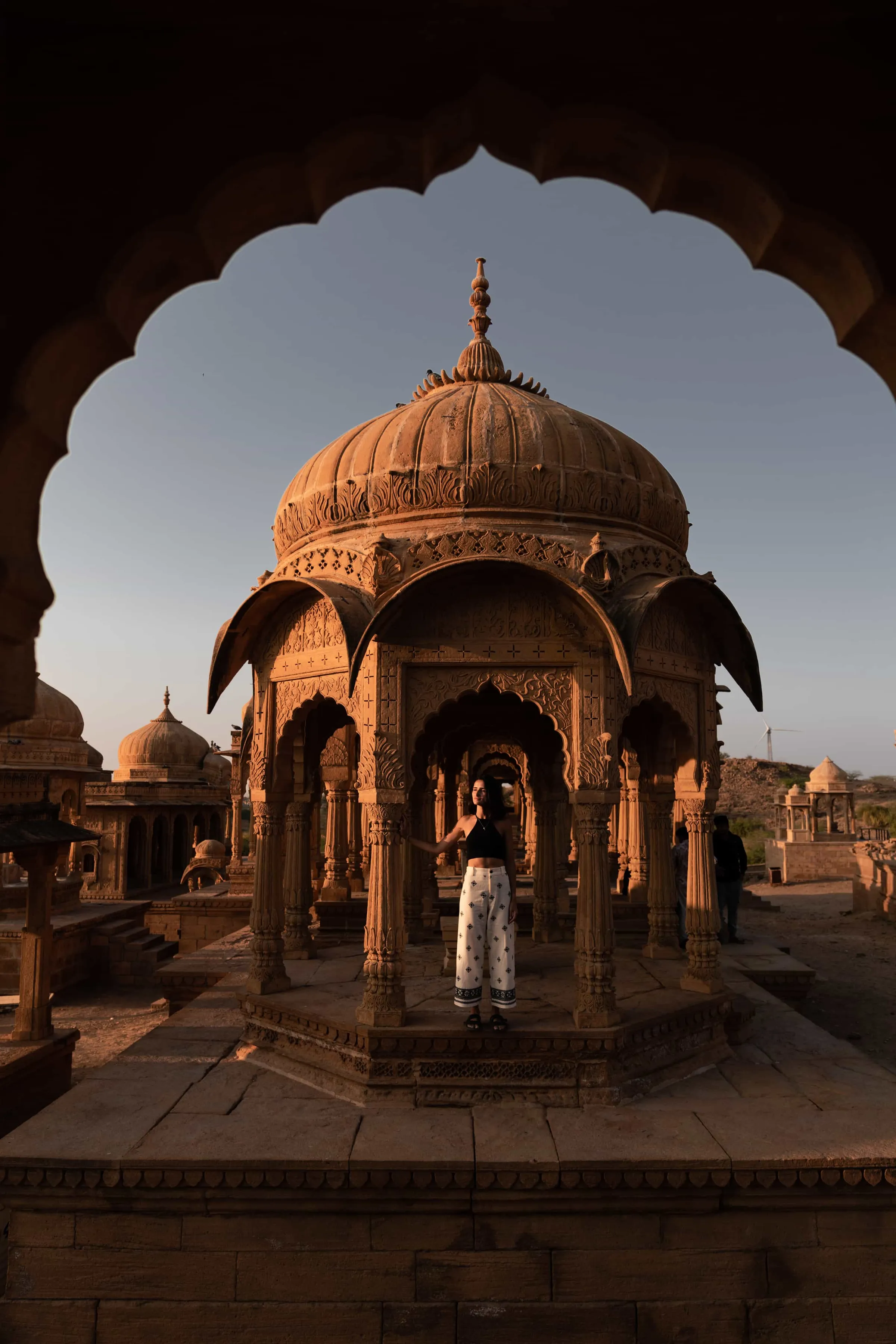
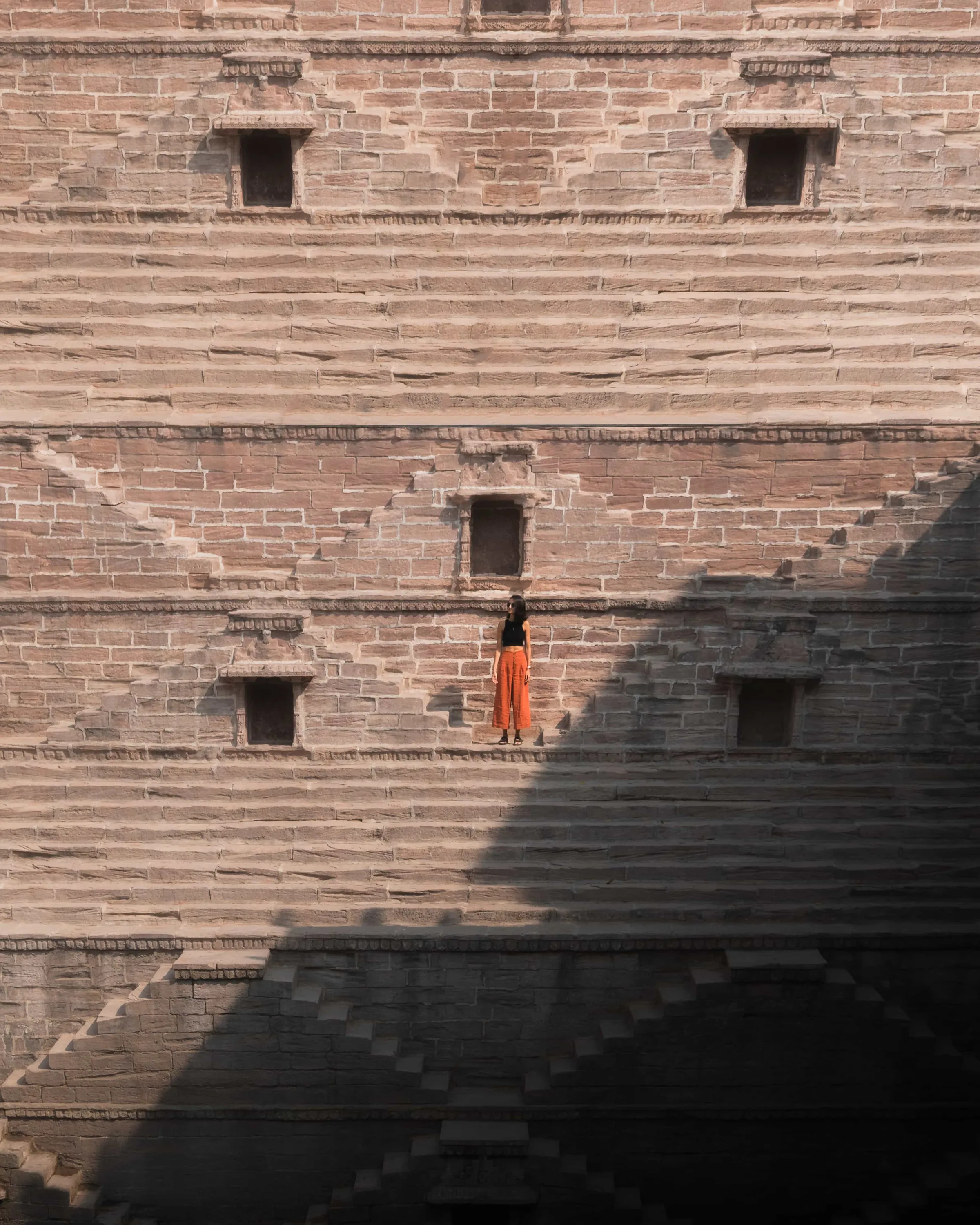
- Jodhpur, Udaipur and Jaisalmer, in the heart of Rajasthan
- Rishikesh or Amritsar, if you want something more spiritual
👉 We did a 3-week itinerary around India, and we're sharing it here so you can adapt it to your tastes and pace.
Key advice: India isn't a country to rush through. There's a lot to see, but also a lot to feel and process. Better to do less, and do it well.

See all the tours you can take
See tours on Civitatis (opens in a new tab)
This is an affiliate link: if you book or buy through it, we earn a commission at no extra cost to you.
Visa for India: everything you need to know
To enter India as a tourist, you must have a visa. The most common one is the India e-Visa, which you apply for 100% online and which is valid for tourists entering through any of the 28 airports and 5 ports that accept it.
📝 Types of tourist e-Visa:
- 1-month visa:
Valid for 30 days from your arrival. It allows 2 entries into the country. - 1-year or 5-year visa:
You can enter multiple times, but the maximum continuous stay is 90 days.
📌 For Argentine and Uruguayan citizens, the tourist visa is free. For other nationalities, the price varies with the length of the visa.
🕒 You can apply:
- Up to 30 days before your trip (for the 1-month visa)
- Up to 120 days before (for the 1-year and 5-year visas)
⚠️ If you're entering India by land or through an airport that doesn't accept the e-Visa, you have to apply in person at an embassy or consulate.
📎 Here you can check whether you need a visa for your nationality:
👉 Official website of the Indian government
💡 Key tips:
- Save the digital visa on your phone and print it too.
- They'll ask for it as soon as you land at the airport.
- Processing usually takes between 24 and 72 hours (though it sometimes comes through faster).

See all the places to stay in India
Book your stay on Agoda (opens in a new tab)
This is an affiliate link: if you book or buy through it, we earn a commission at no extra cost to you.
Vaccines and travel insurance for India: what to keep in mind
Before traveling to India, it's important to read up on health and prevention. Although only one vaccine is mandatory, there are others worth considering.
💉 Vaccines for traveling to India:
- Mandatory:
Yellow fever, only if you've been in a country where the disease is endemic (like much of South America and Africa) in the last 15 days. - Recommended:
- Hepatitis A and B
- Tetanus
- Typhoid fever
- In some cases, rabies and Japanese encephalitis
👉 Always check with your doctor or a vaccination center that specializes in travel medicine.
🏥 Travel insurance for India:
Healthcare in India can be very poor, especially in rural areas. Public hospitals tend to be overcrowded and short on resources. If anything goes wrong, you'll most likely have to turn to a private hospital, and the costs there can be very high.
✅ That's why it's essential to travel with good international medical insurance. We bought a policy that covered doctor visits, hospital stays and 24-hour assistance. And it made all the difference: Marcos came down with an ear infection and got medical care quickly.
Health tips for traveling to India:
- Drink only bottled or boiled water
- Avoid raw or undercooked food
- Wash your hands often
- Use insect repellent

Stay connected with a Holafly eSIM
Get an eSIM on Holafly (opens in a new tab)
This is an affiliate link: if you book or buy through it, we earn a commission at no extra cost to you.
Transportation in India: how to get from place to place
India is gigantic and the distances can be enormous, so choosing your transportation well is key. Here are the best options for traveling within India:
🚄 Trains in India
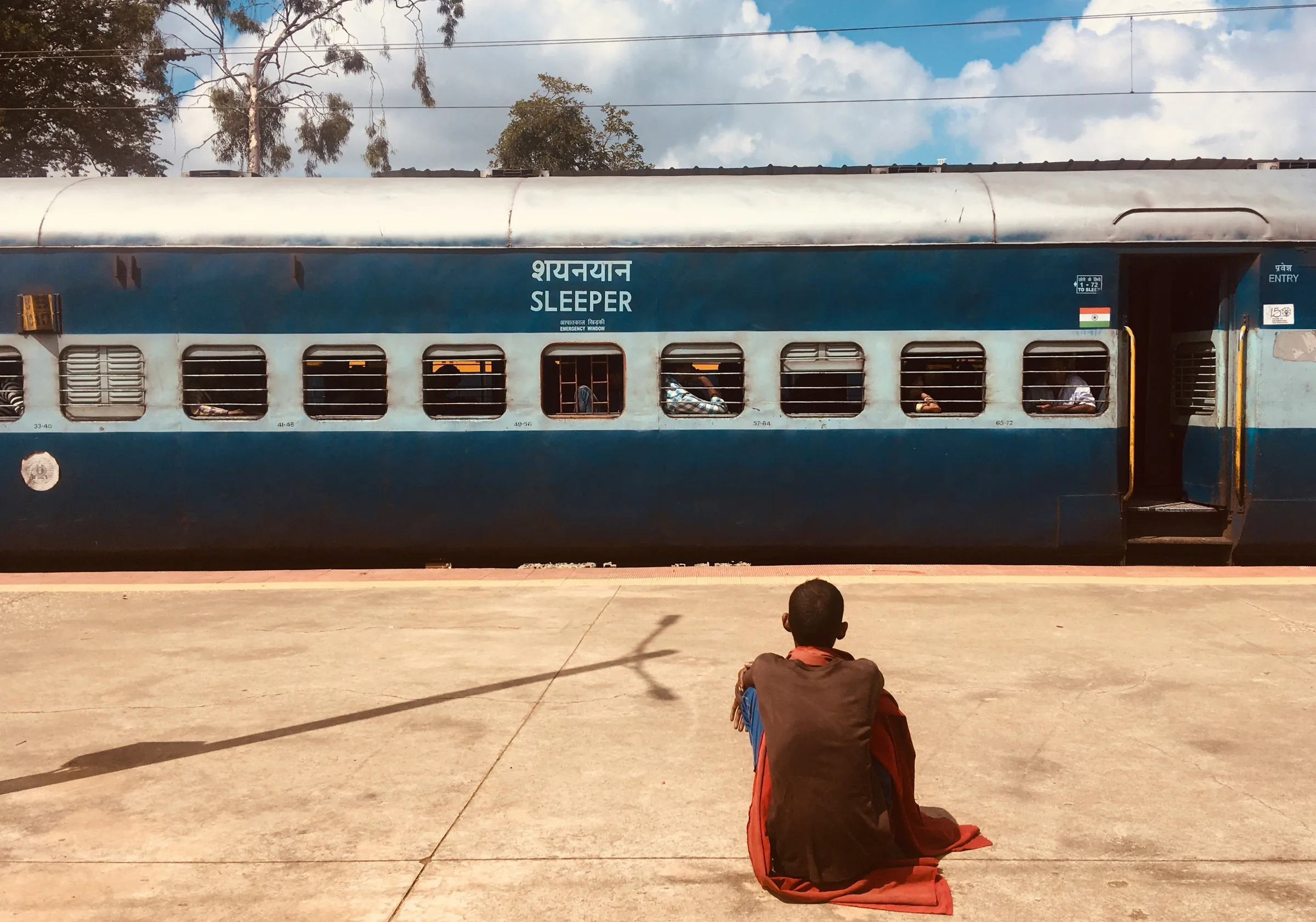
The train is the most authentic and cheapest way to get around India. Its rail network is one of the largest in the world.
- We recommend the air-conditioned classes: 1AC and 2AC
- It's ideal for overnight trips, because you sleep and save a night of accommodation
- You can book with apps like 12go.asia or directly through IRCTC
👉 Read our complete guide to traveling by train in India
🚌 Buses
There are also buses connecting many cities, from basic classes to luxury ones. The downside is that they usually take longer than trains and can be less comfortable over long distances.
✈️ Planes
To get between faraway cities (like Udaipur to Varanasi or Delhi to Kerala), flying is the most practical option. There are several low-cost airlines, such as IndiGo and SpiceJet.
👉 Keep in mind that many routes have a layover in Delhi or Mumbai.
🚗 Private drivers
A comfortable option for specific legs (for example, Jaisalmer to Udaipur) when there's no direct train. We did it in a car shared by 5 people, and the 9-hour trip cost us US$200, stops and all.
🚕 Tuk-tuks and Uber
For getting around within cities:
- Uber works well, although some drivers try to charge more when you arrive.
- If you're taking a tuk-tuk off the street, always negotiate first.
- In Jaipur, many drivers accept the Uber ride but then contact you to offer a different price. Use the app to get a reference price and negotiate with more confidence.
Accommodation in India: where to stay and what to keep in mind
There are options for every budget, from palaces turned into luxury hotels to cheap hostels.
💡 Our advice, based on our experience:
- Always check reviews from foreign travelers, not just locals (standards can vary).
- Don't go only by the photos of the place.
- We stayed in hotels, homestays and guesthouses, and we generally had good experiences.
✅ If you have a big budget, India has spectacular luxury places to stay (like the Taj Hotels or palaces turned into hotels).
- Did a price or a detail change? Tell us at hello@charoandmarcos.com
- Still have a question? Ask us on Instagram (opens in a new tab)

Your next step
India in 3 weeks: what to see and do, with our complete itinerary
India is a huge country, so there are plenty of ways to plan a 3-week itinerary. We focused on exploring the Golden Triangle (Delhi, Agra…