India in 3 weeks: what to see and do, with our complete itinerary
We wrote this guide in Spanish and translated it with the help of AI. Leer en castellano
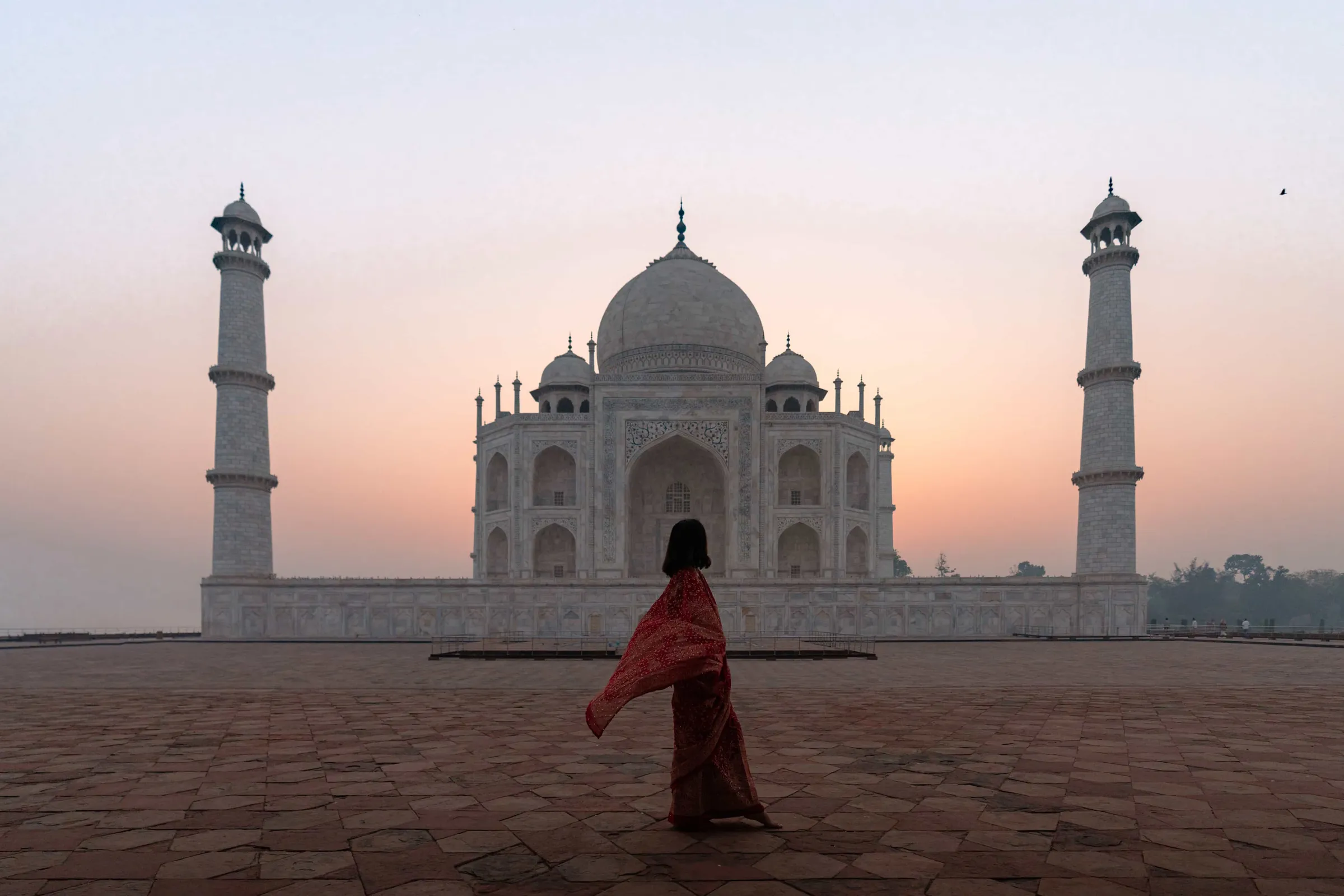
India is a huge country, so there are plenty of ways to plan a 3-week itinerary. We focused on exploring the Golden Triangle (Delhi, Agra, Jaipur), Varanasi and several cities in the state of Rajasthan. At the end of the itinerary you'll find other options that might suit your preferences better.
This article has affiliate links: if you book or buy through them, we earn a commission at no extra cost to you.
Best time to visit India
The first thing you need to know is that India has 3 main seasons: cold, hot and monsoon.
- Hot season: April to June. These months are very hot and dry, with temperatures that can reach 40°C. Despite the heat, summer is a good time to visit India's mountain regions, like the Himalayas. The roads are open, the weather is pleasant and the views are spectacular. It's also peak tourist season in southern India, where the beaches are.
- Monsoon season: July to September. These months are very humid and rainy. The monsoon rains are essential for agriculture in India, but they can also cause floods and landslides.
- Cold season: October to March. These months are mild and dry, with temperatures between 20°C and 30°C. It's the best time to visit India if you want to avoid the heat and humidity of the other seasons.

Travel with peace of mind with Heymondo travel insurance
Get your travel insurance on Heymondo (opens in a new tab)
This is an affiliate link: if you book or buy through it, we earn a commission at no extra cost to you.
What to see and do in India: our 3-week route, day by day
India is a huge country, so there are plenty of ways to plan a 3-week itinerary. We focused on exploring the Golden Triangle (Delhi, Agra, Jaipur), Varanasi and several cities in the state of Rajasthan. At the end of the itinerary you'll find other options that might suit your preferences better.
- Day 1: flight to Delhi
- Days 2 and 3: Delhi
- Day 4: Agra
- Days 5, 6 and 7: Jaipur
- Day 8: Ajmer and Pushkar
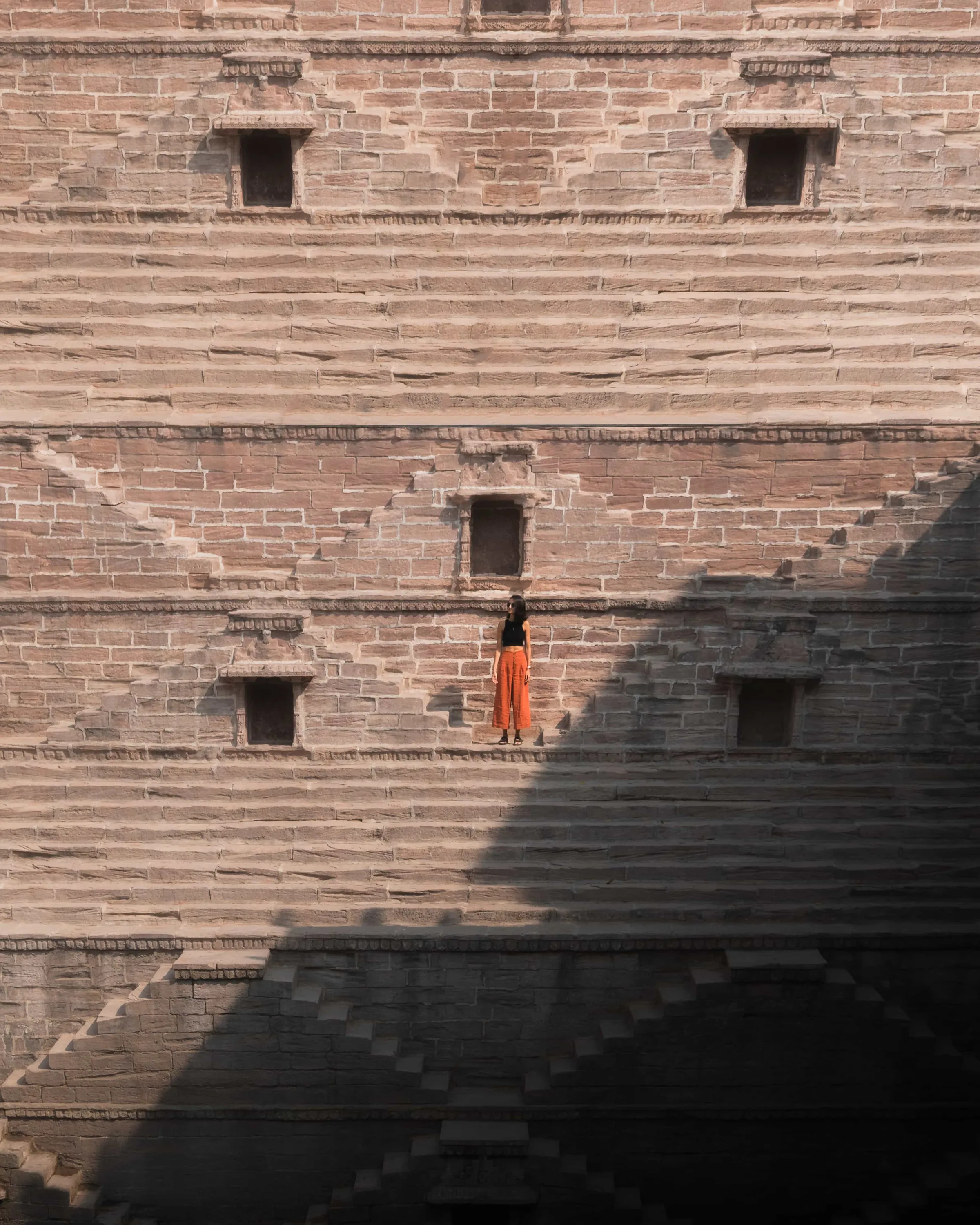
- Days 9 and 10: Jodhpur
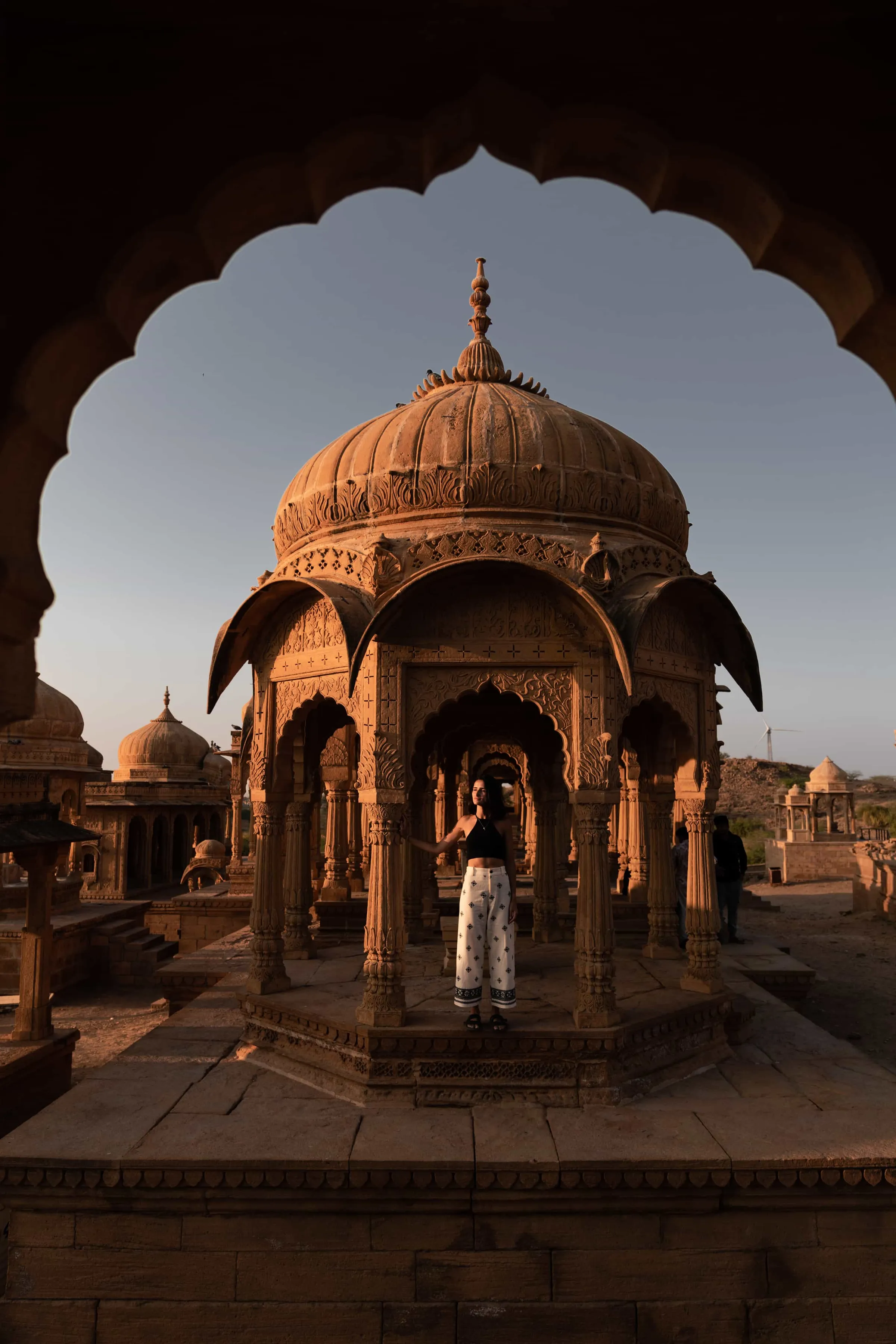
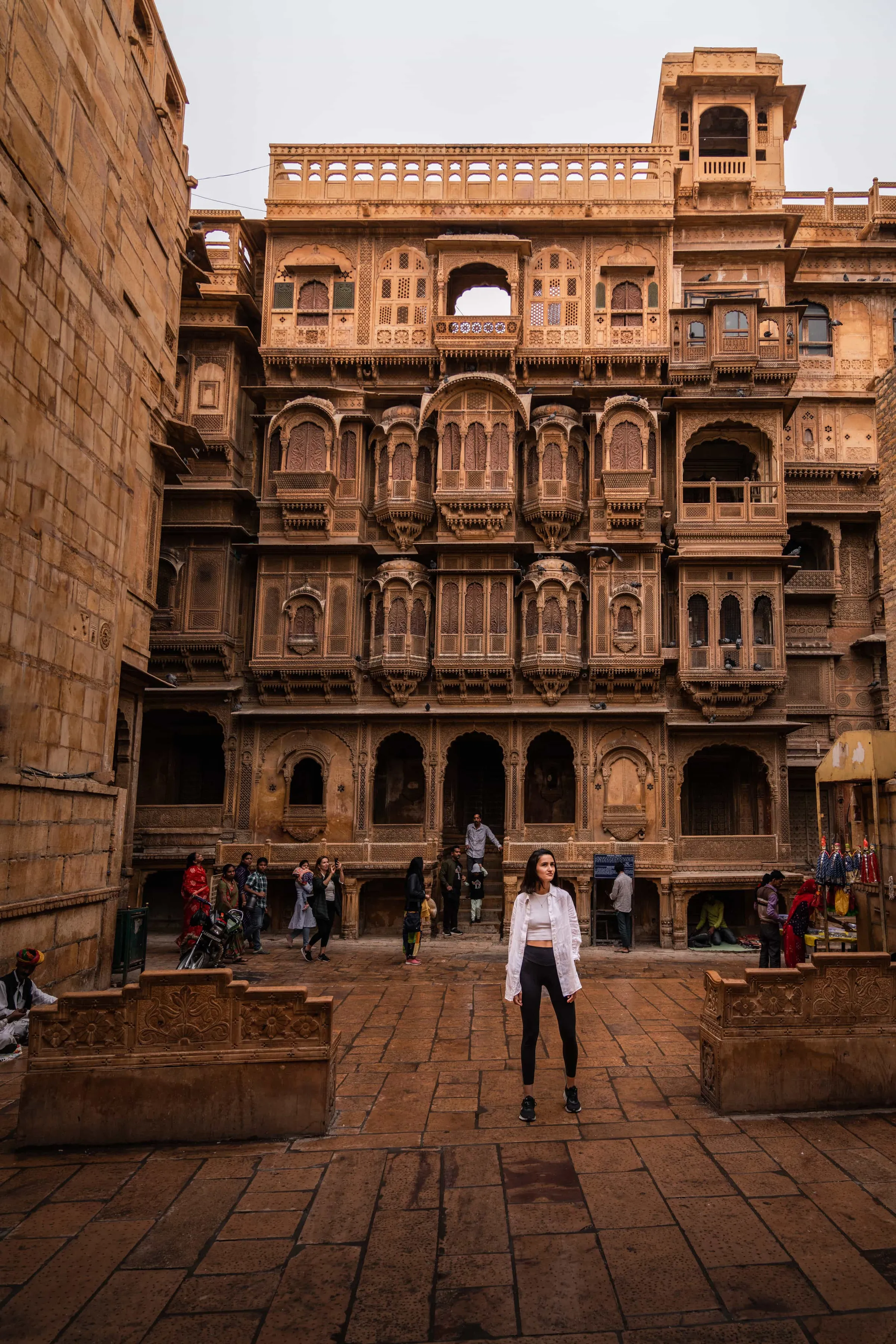
- Days 11 and 12: Jaisalmer
- Day 13: travel day
- Days 14 and 15: Udaipur
- Days 16, 17 and 18: Varanasi
- Day 19: Delhi
- Day 20: heading home
Days 1, 2 and 3. Delhi
After many hours of flying, we landed in Delhi at night, so we went straight to the hotel to rest.
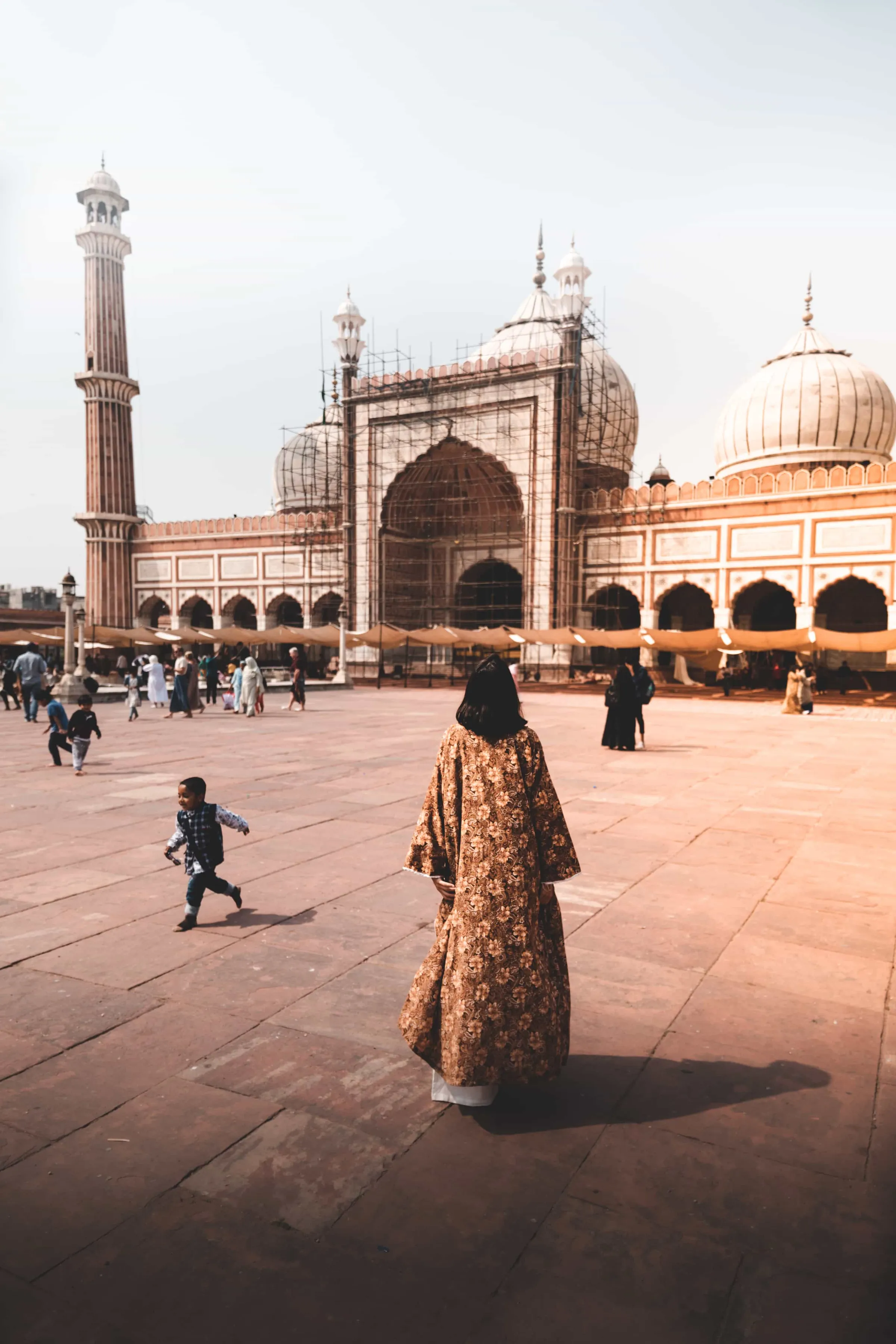
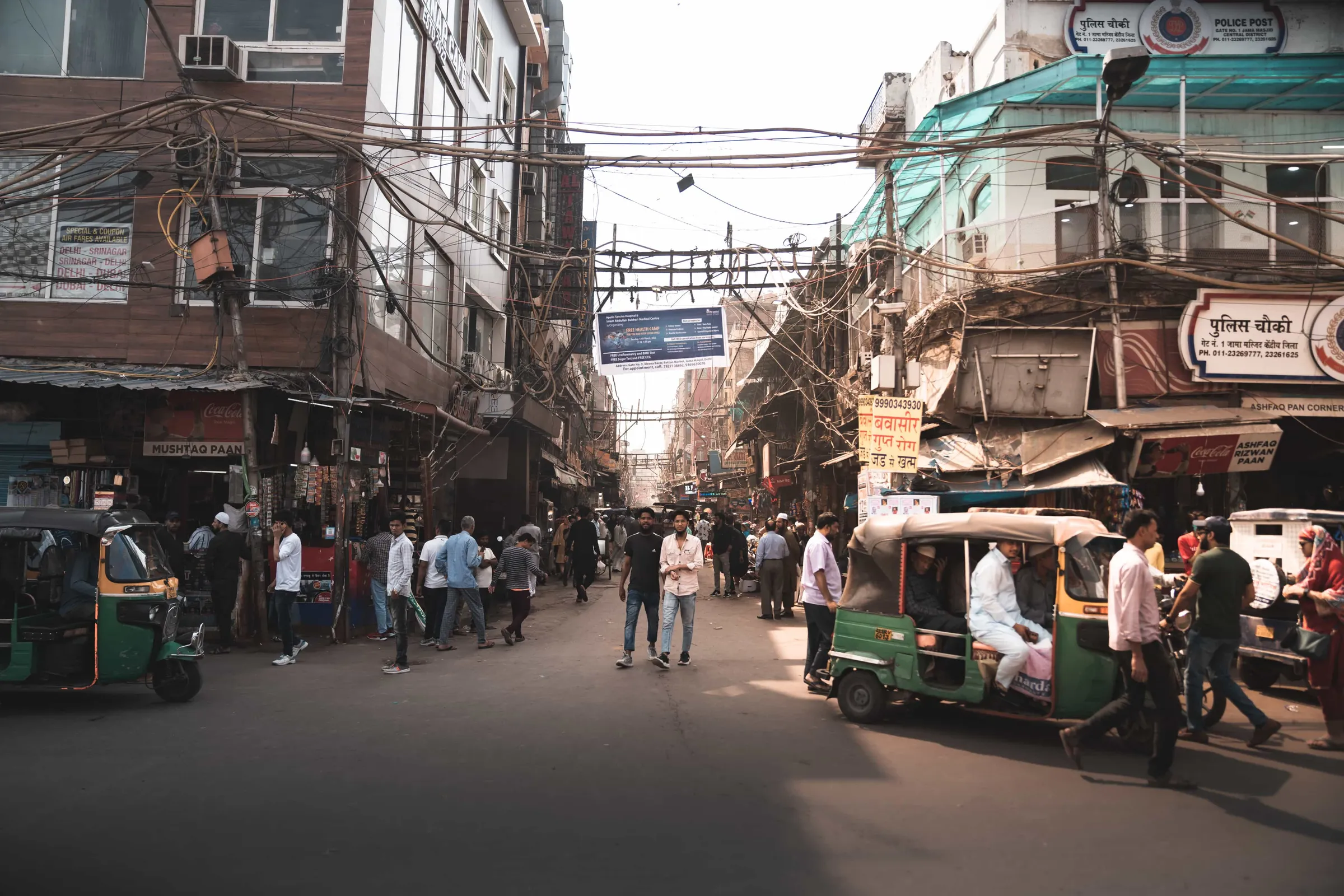
On day 2 we set out to explore India's chaotic capital, the second most populous city in the country. Delhi has several iconic places you can see in 3 days. In our opinion, there's no need to give it much more than that. One option is to spend 2 days there when you arrive in India and, if your flight home leaves from Delhi, use your last day to visit whatever you missed.
It's a very crowded, noisy city, but Delhi does have its quiet spots and peaceful corners. Here's our guide to the places you can't miss in Delhi.
On the afternoon of the third day, we took a 2-hour train to Agra.
Nights in Delhi: 2
Day 4. Agra
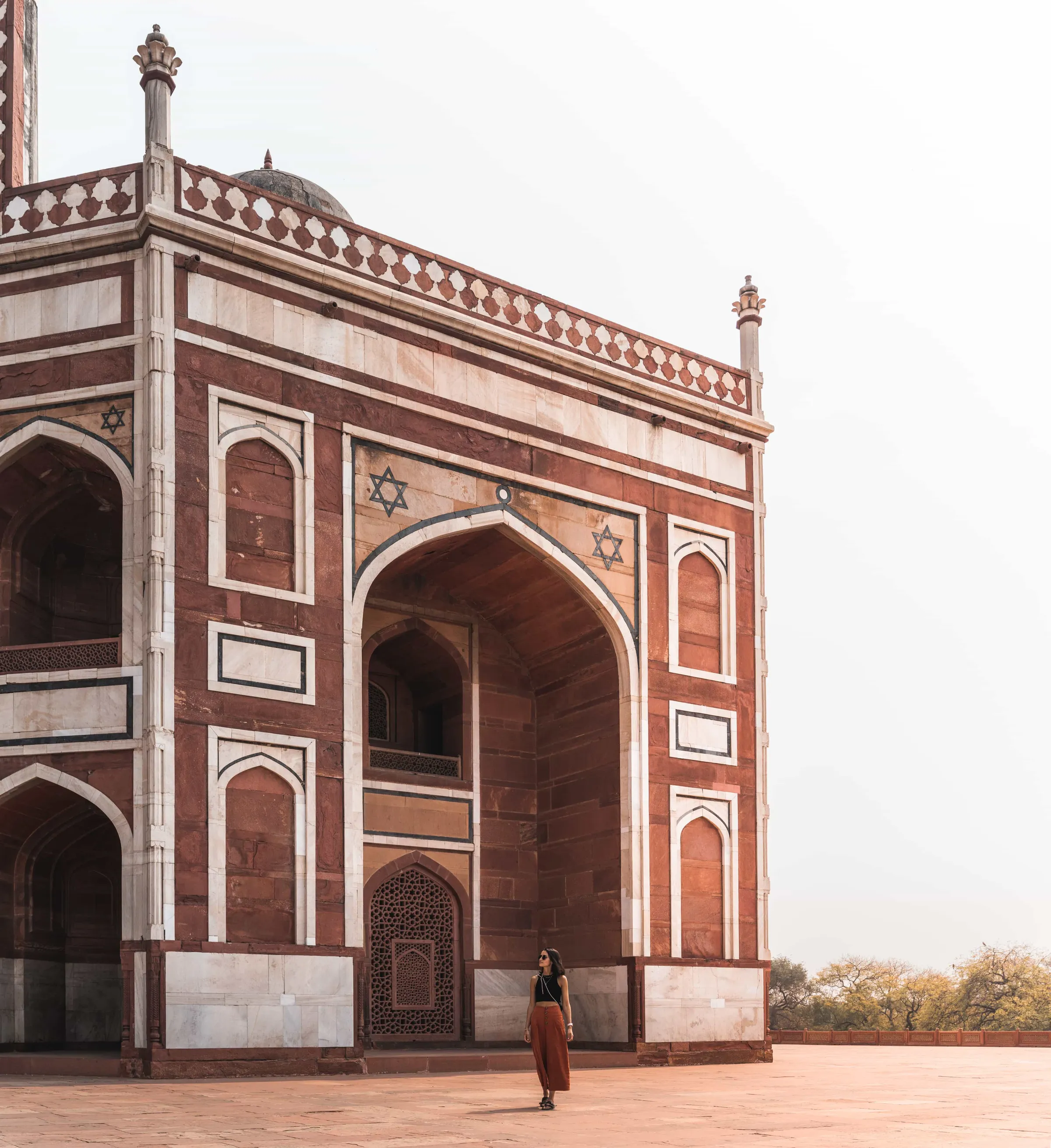
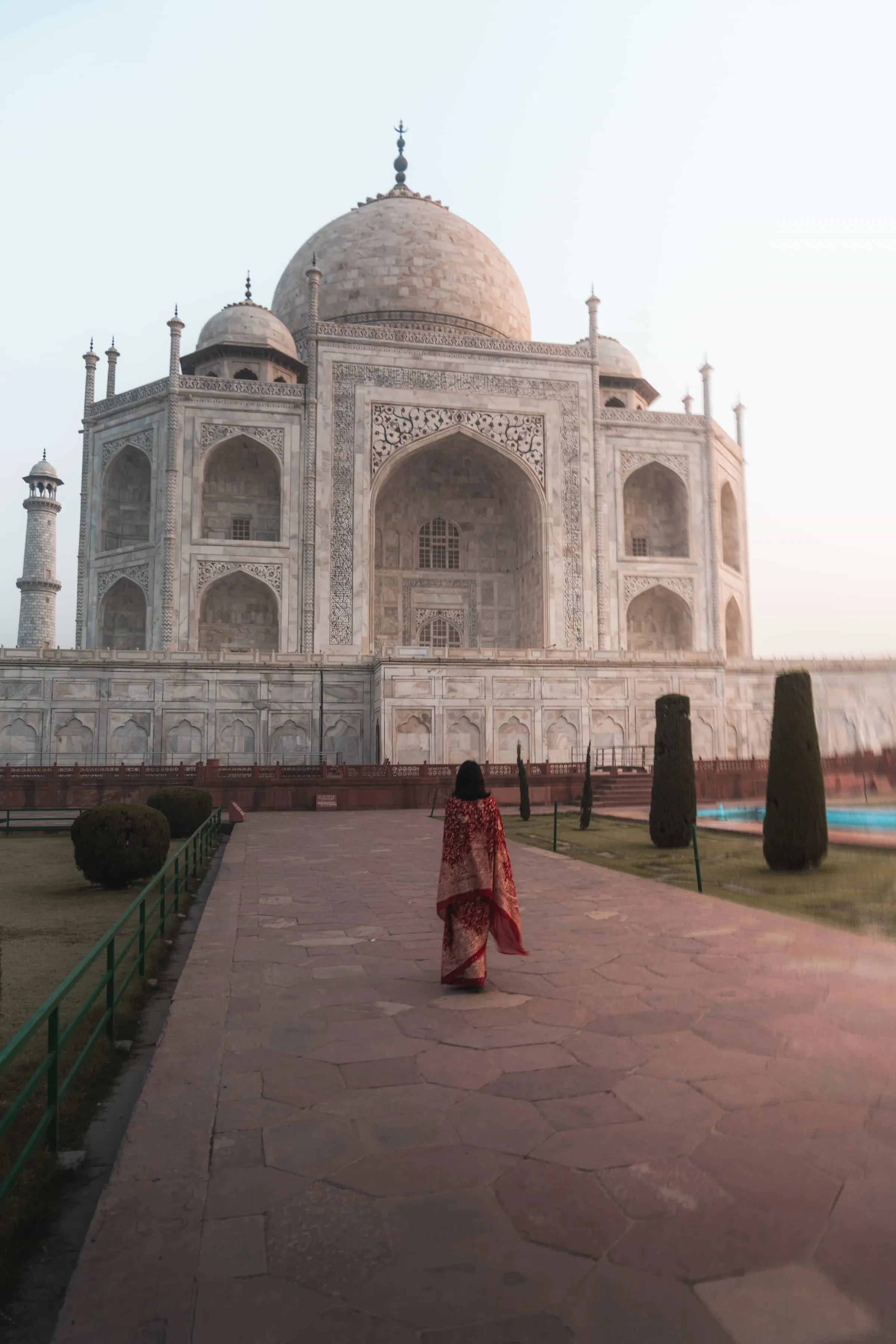
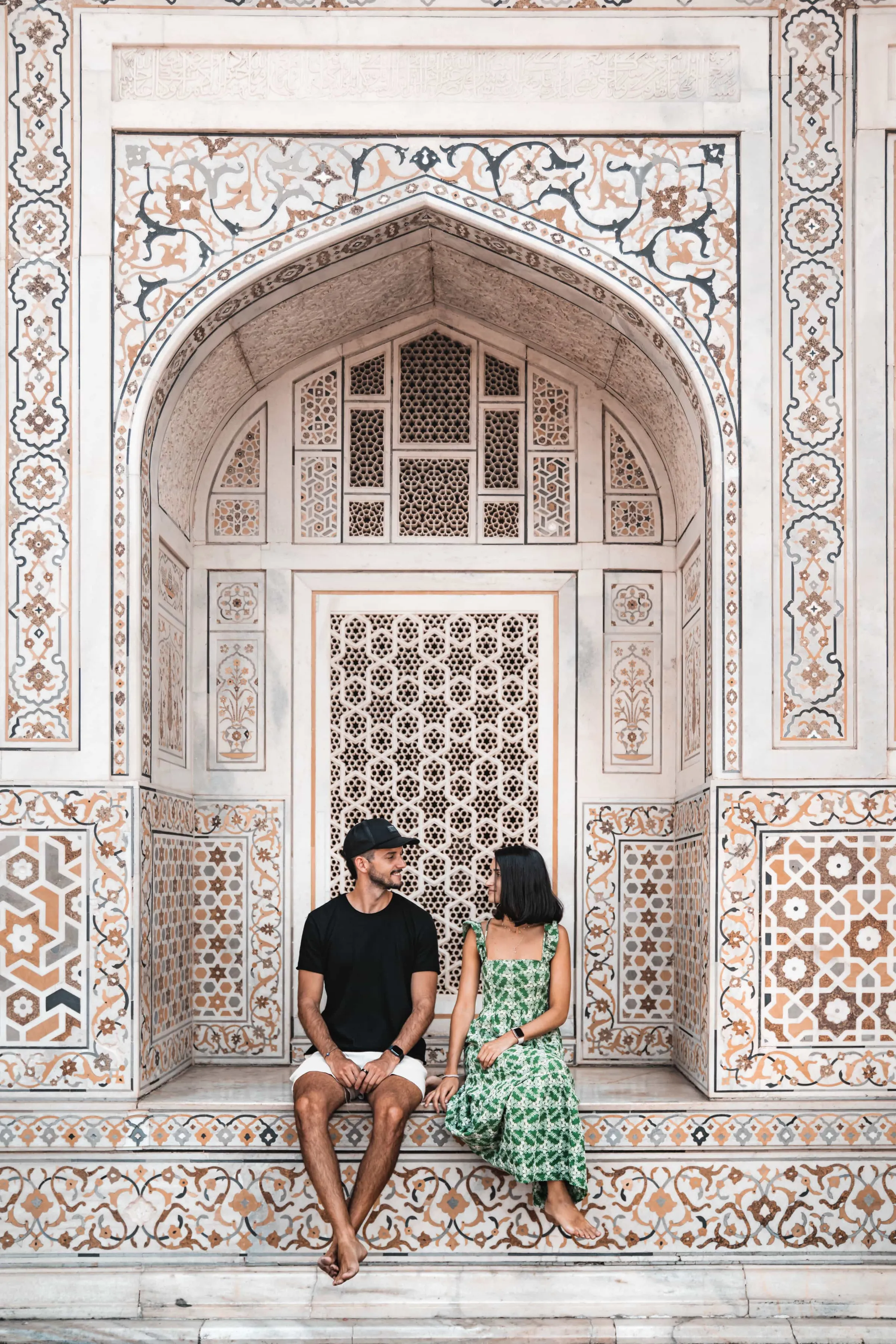
We'd bought our tickets ahead of time, so we got up before dawn to watch the sunrise at one of the 7 wonders of the world: the Taj Mahal. It's a truly magical place, and seeing it with our own eyes gave us goosebumps.
Keep in mind that Agra has plenty of other things to see, so if you have time to give it another 1/2 day, that can be a good option. We didn't know that, which is why we spent just under 24 hours in the city. Stay tuned for our upcoming guide to Agra.
At around 17:00 we went to the train station to catch a train to Jaipur. We had about 5 hours ahead of us, and we used them to rest and sleep, since we'd been up since before 5 in the morning.
Nights in Agra: 1
Days 5, 6 and 7. Jaipur
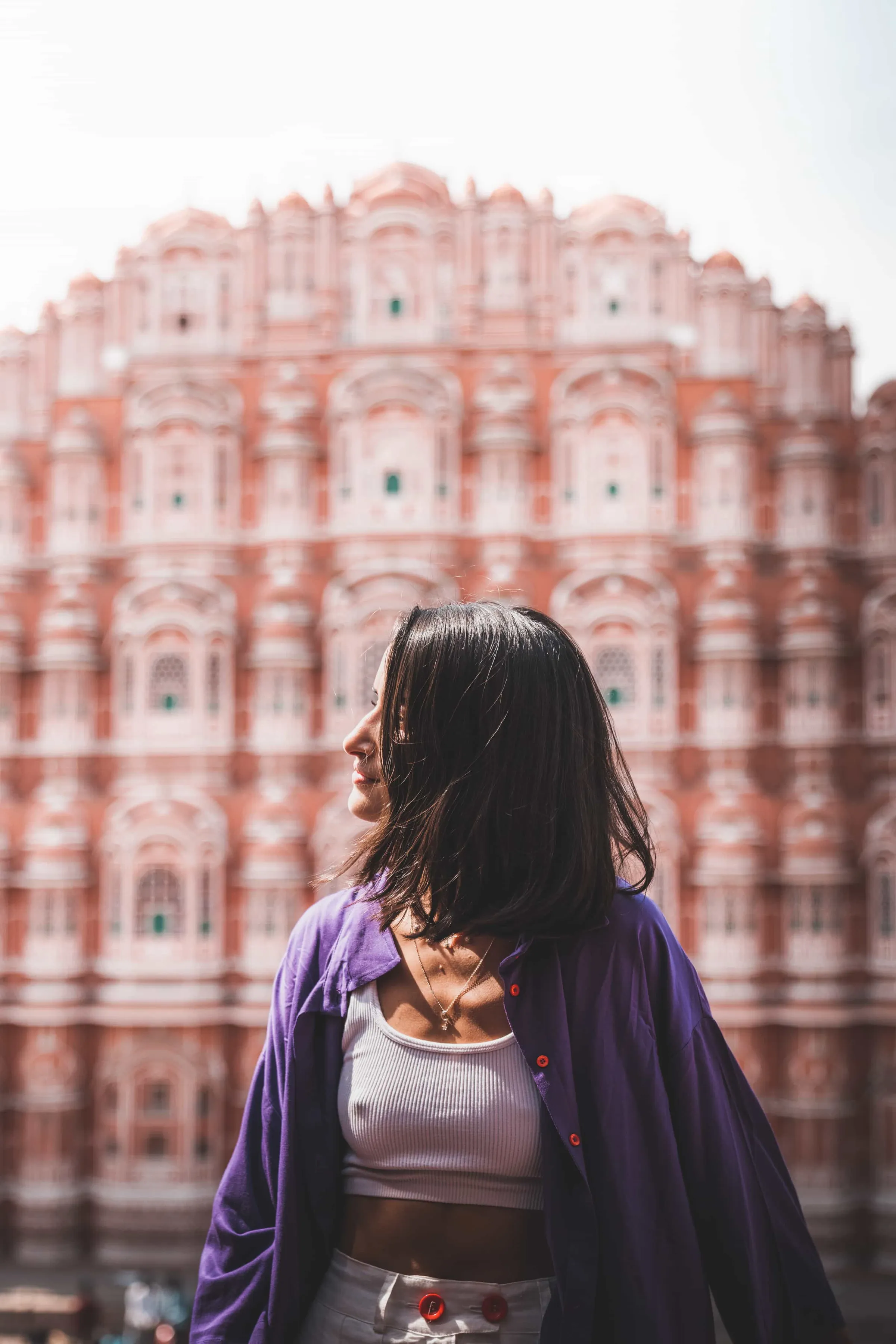
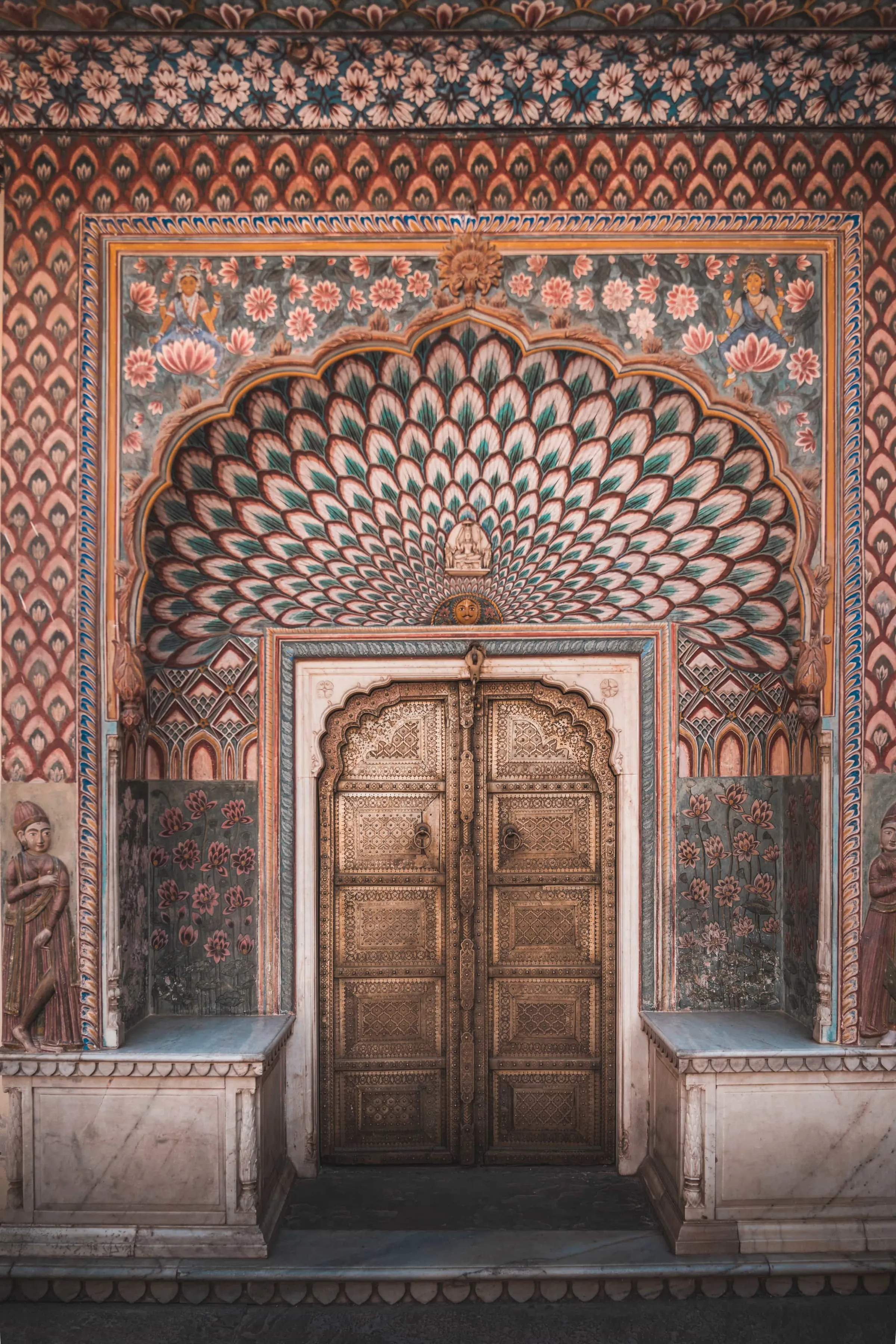
The main city of the state of Rajasthan, Jaipur is also known as the Pink City. That's because pink dominates much of its architecture, which makes it a really picturesque place. The shade goes back to 1876, when the Prince of Wales of the time was planning a visit. The ruler decided to paint the city this color to welcome the prince and show its hospitality.
We used the 3 days to see the different parts of the city at an easy pace, get lost in its little streets and visit its temples and forts.
On day 7 we took a 2-hour night train to Ajmer.
Nights in Agra: 3
Day 8. Ajmer and Pushkar
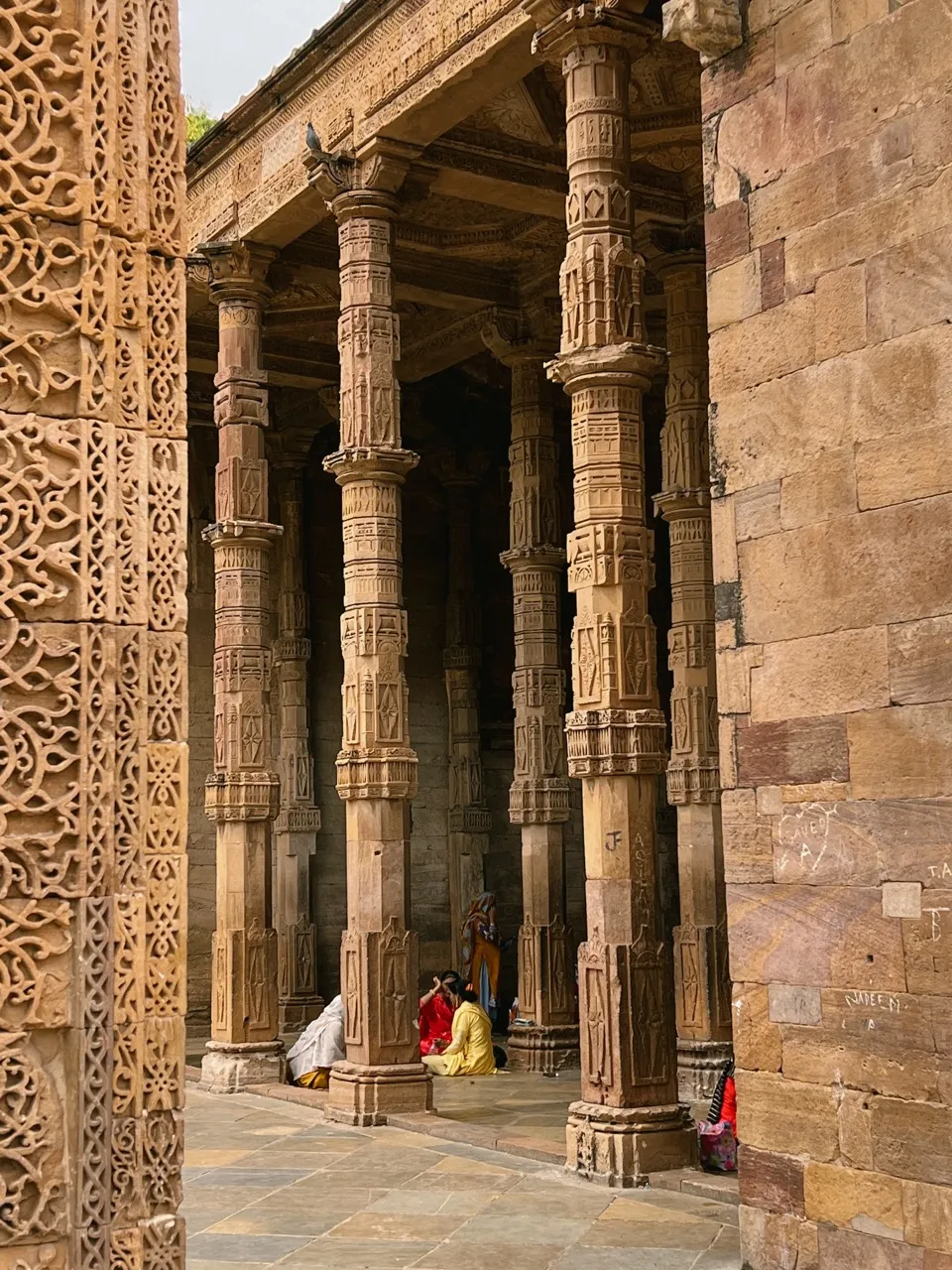
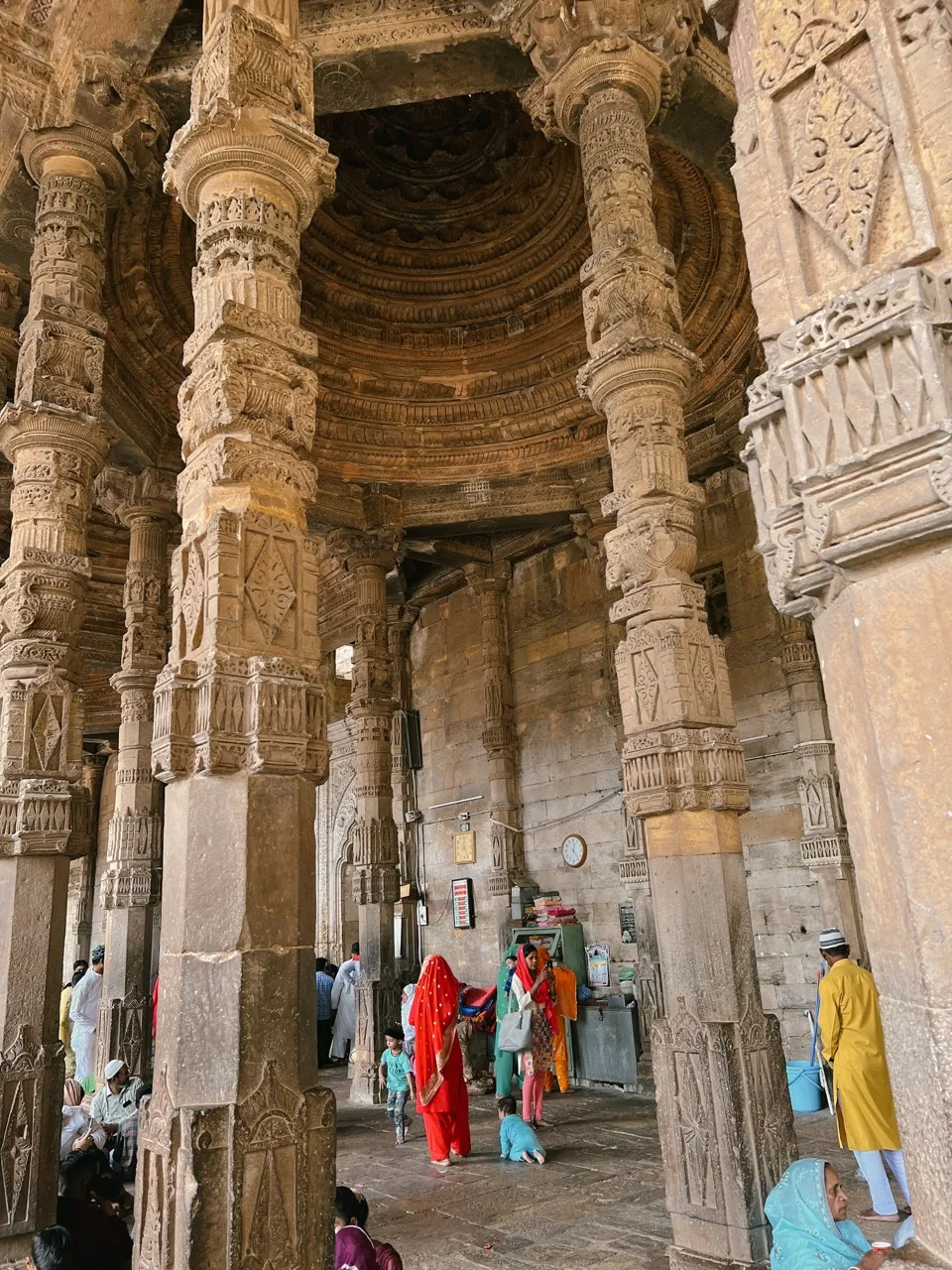
Pushkar is considered one of India's oldest cities, and it has one of the sacred lakes of the north. Ajmer has a fascinating mosque, Adhai Din Ka Jhonpra, one of the oldest in India. Its style is Indo-Islamic, it dates from the 12th century and it's absolutely mind-blowing.
We don't think this stop is essential on a trip through Rajasthan, but it gave us a break on the way to Jodhpur, since we had a spare day in our itinerary.
Nights in Ajmer: 2
Days 9 and 10. Jodhpur
We arranged a taxi through our hotel in Ajmer to take us to Jodhpur. The ride took about 2 and a half hours, and it cost a little under US$100 for the 5 of us. So by noon on our 9th day we were already wandering the little streets of Jodhpur.
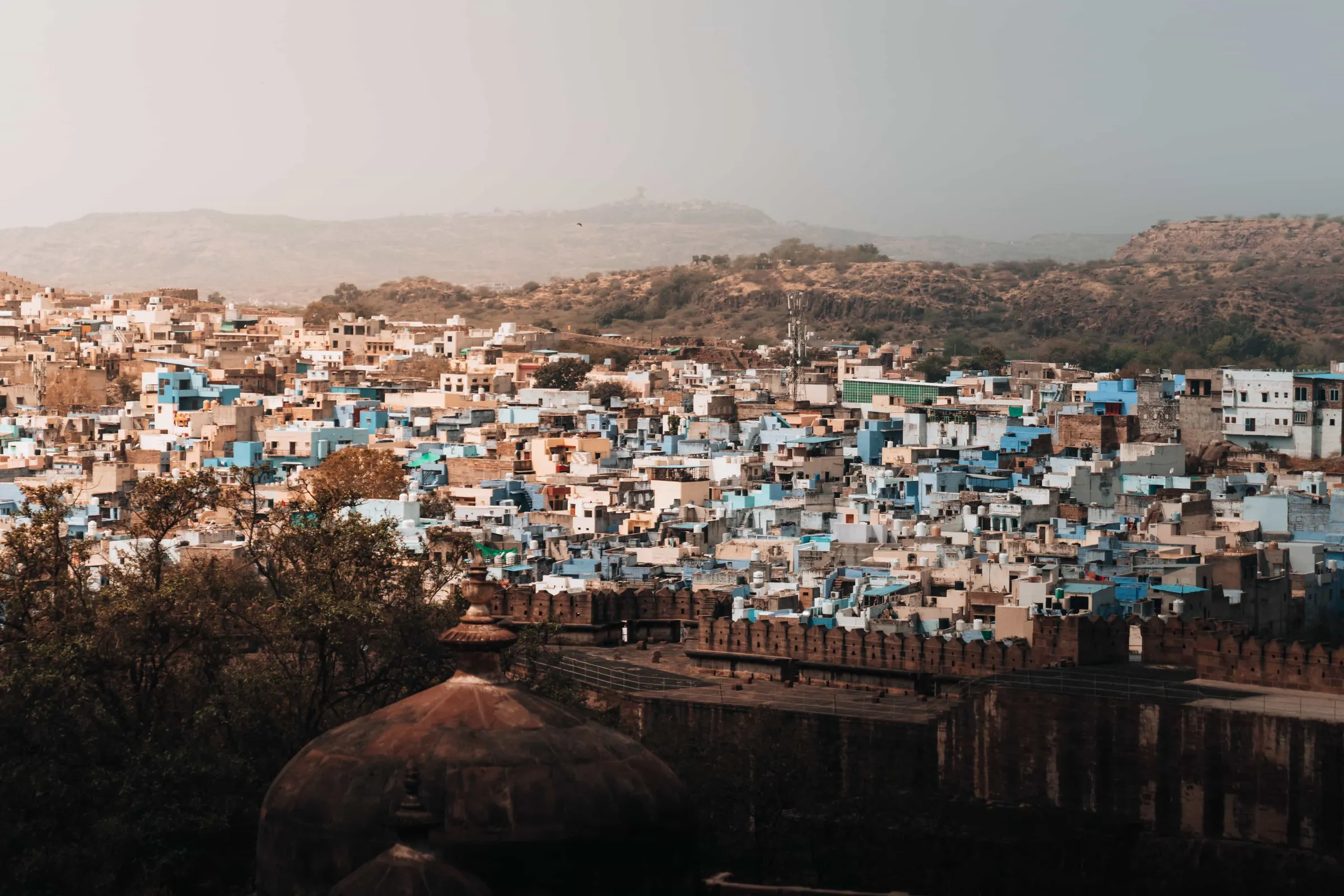
Jodhpur, also known as the "Blue City", is a fascinating city in the state of Rajasthan, famous for its impressive historic heritage and distinctive architecture. Highlights include the majestic Mehrangarh Fort, with panoramic views over the city, and the blue-painted houses that give it its nickname. The city is also home to Jaswant Thada, a white marble mausoleum, and the bustling Sardar Market, where you can experience authentic local life and buy Rajasthani handicrafts.
On day 10 we took a night train to Jaisalmer, a trip of about 6 and a half hours.
Nights in Jodhpur: 1
Days 11 and 12. Jaisalmer
After sleeping on the train (or at least Charo did, since Marcos has a really hard time sleeping on any kind of transport 😅), we got to Jaisalmer at around 6 in the morning. We knew we'd arrive pretty tired, so we booked the hotel from the night before, which meant we could sleep for a while in the morning and start the day with some energy. We got there just in time for breakfast, a shower and bed.
Jaisalmer, known as the "Golden City", is a gem in the Thar Desert. With its impressive yellow sandstone architecture, the city stands out for its medieval charm and one-of-a-kind atmosphere. It has an impressive fort, several ornate havelis (old merchants' mansions), and Gadisar Lake and its ghats, among other highlights.
Nights in Jaisalmer: 2
Day 13. Travel day
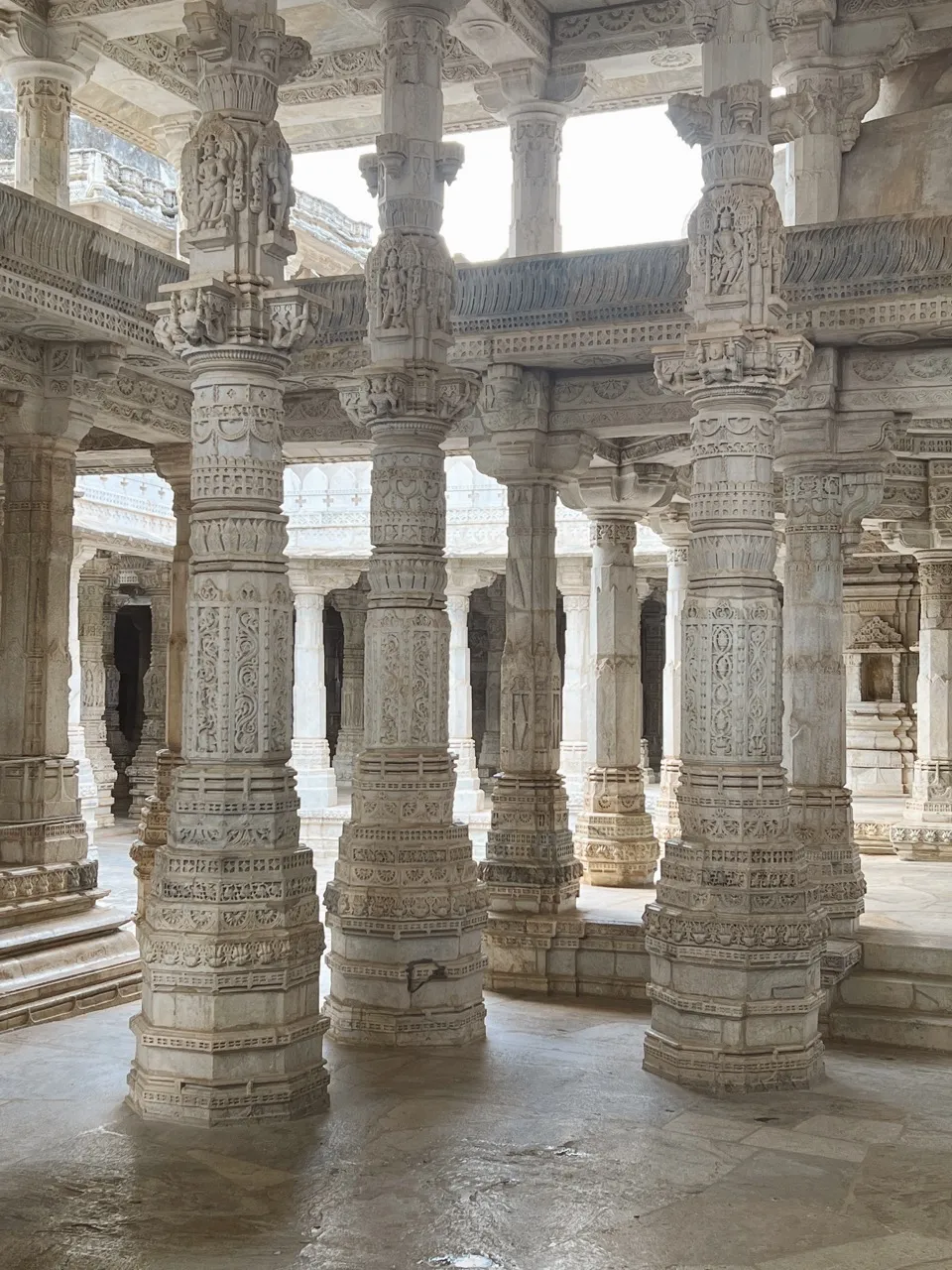
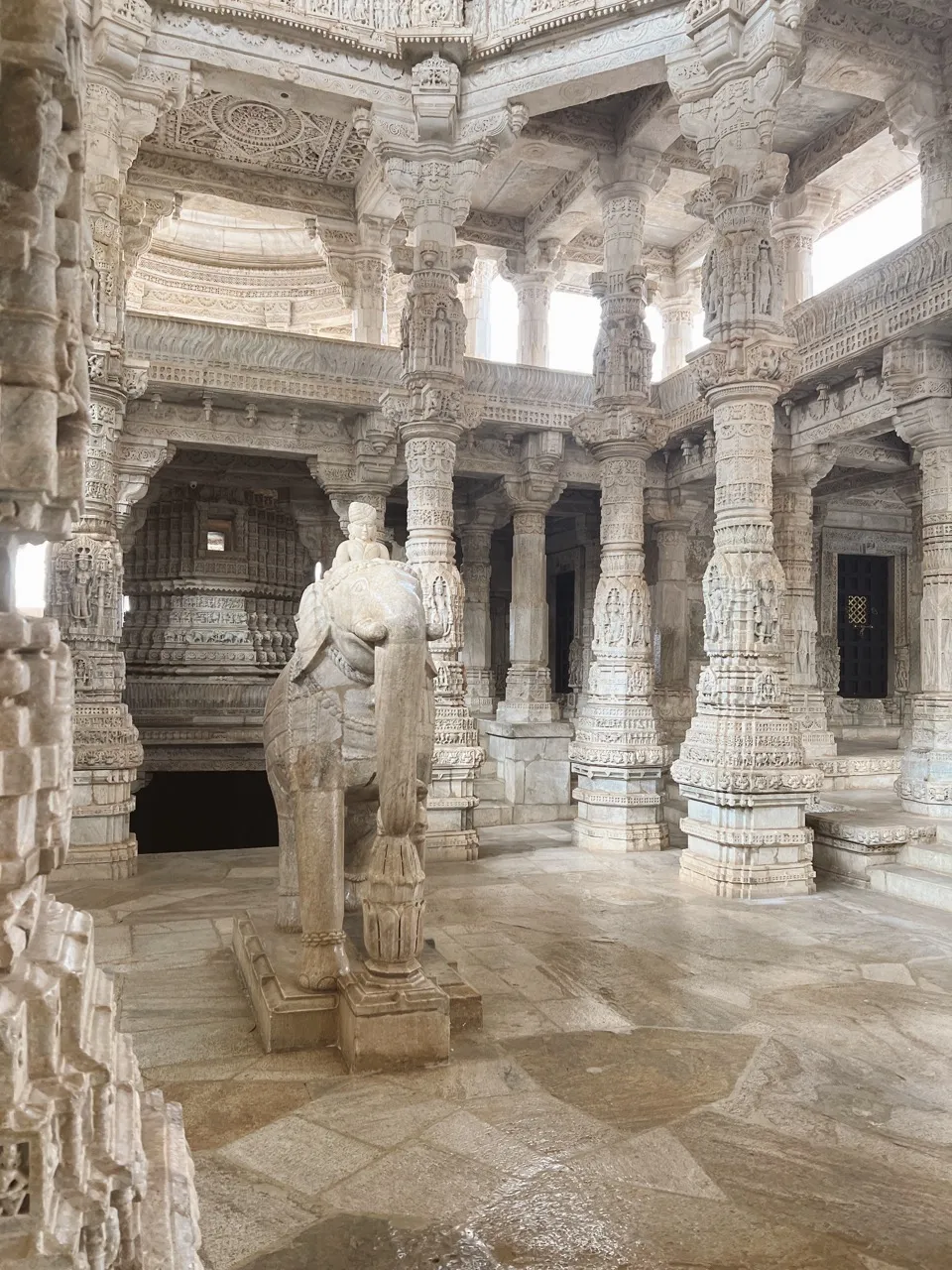
We took a private car (remis) from Jaisalmer to Udaipur, since there are no trains linking the two cities. The bus ride is pretty long, and since there were several of us we decided to do the 9-hour trip by taxi, which cost us about US$200. So the whole day was lost to travel, but… before reaching Udaipur we stopped to visit a mind-blowing temple.
That's the Ranakpur temple, a Jain temple with impressive architecture, built in white marble in the 15th century. It's believed to have more than 1,400 carved columns, no two of them identical. It truly is a work of art.
After our stop at the temple we carried on to Udaipur, getting there just in time for dinner.
There are trains to Udaipur from Jaipur, but none that run direct between Udaipur and Jaisalmer or Jodhpur. That's why our route goes in this order.
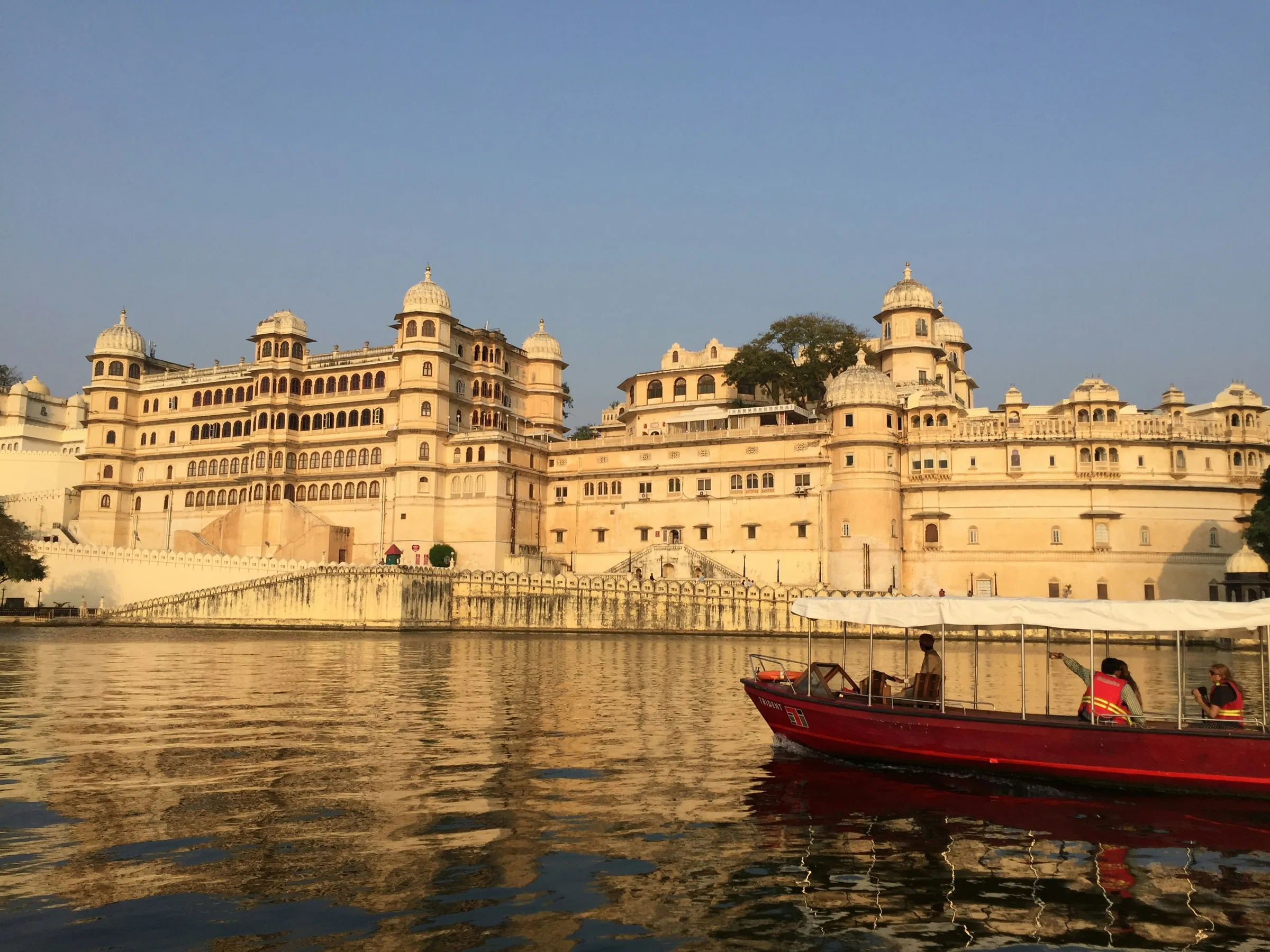
Days 14 and 15. Udaipur
Known as the city of 100 lakes, it stands out for its setting of picturesque lakes and its architecture. It has a relaxed, charming atmosphere, a large City Palace and Lake Pichola, which dominates the horizon.
On day 15 we took an afternoon flight to Varanasi.
Nights in Udaipur: 2
Days 16, 17 and 18. Varanasi
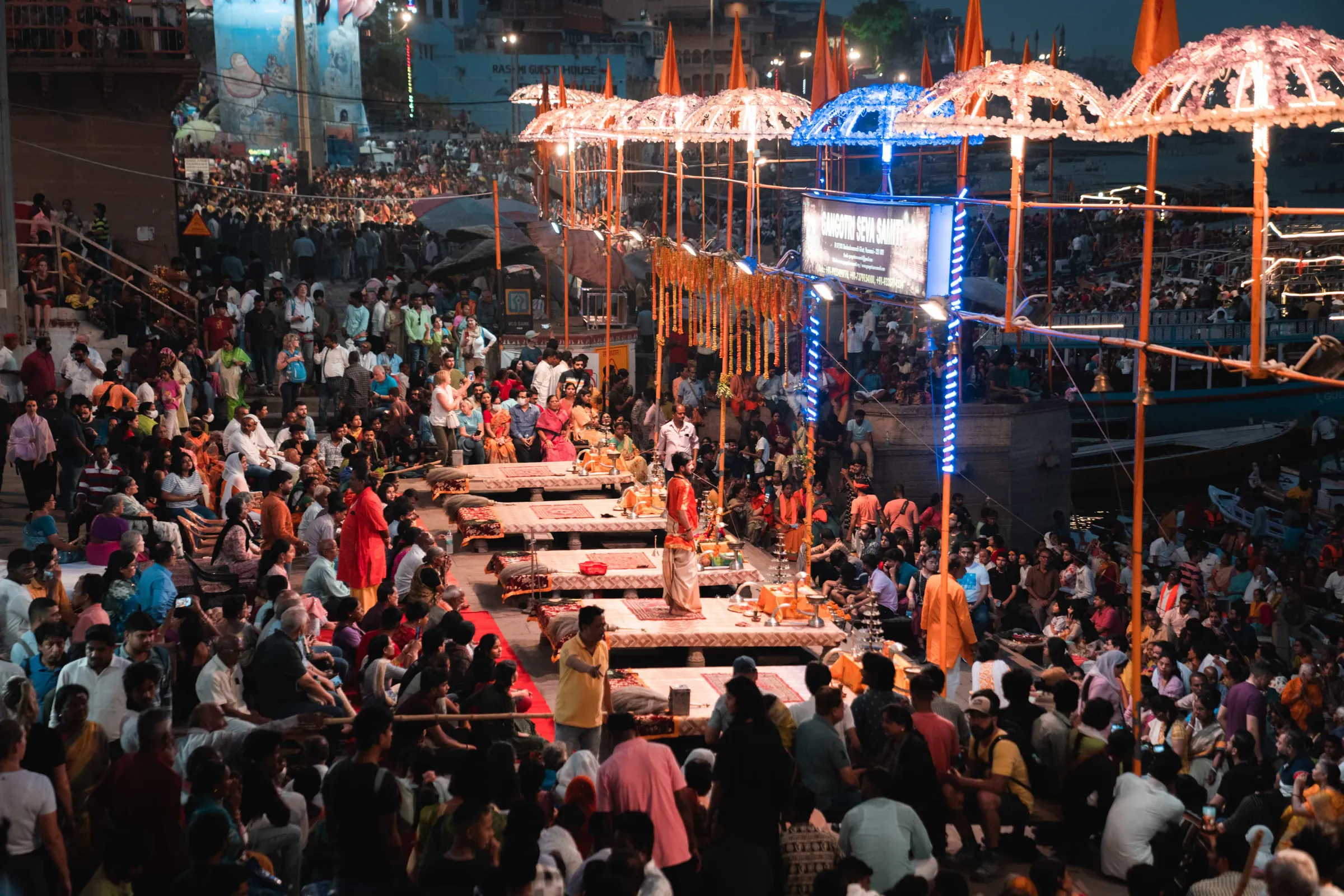
Varanasi, also known as Benares, is one of India's oldest and most sacred cities, on the banks of the Ganges. This fascinating destination captures the spirituality, rich culture and intensity of life in India. We were there for 2 full days.
The city is known for its ghats, flights of steps going down to the Ganges, where pilgrims take part in sacred baths, rituals and ceremonies. The ghats are also a unique setting for watching everyday life, from religious rites to open-air laundries. The narrow maze of streets in the Old City gives you an authentic glimpse of Indian life, while the ancient temples and bazaars add to the cultural experience.
On day 18 we took a flight to Delhi.
Nights in Varanasi: 3
Day 19. Delhi
Our last day in India, and we used it to see what we still hadn't seen in Delhi.
Day 20. Flight home
Alternative route
If you have more days or want to add other cities, here are 4 options that fit well with this route:
Bikaner in Rajasthan
A city rich in history and architecture. Its impressive Junagarh Fort, built in the 16th century, is a masterpiece of Rajput architecture. And the Karni Mata temple, known as the "Temple of Rats", is a unique experience that draws many curious visitors. It's worth spending at least 2 days here.
Mandawa in Rajasthan
A place that takes you back to the golden age of trade and opulence in India. Its ornate havelis, like the Gulab Rai Ladia haveli and the Goenka haveli, bear witness to the wealth and art of days gone by. We recommend giving it at least 2 days.
Rishikesh in northern India
Rishikesh, on the banks of the Ganges, is a major destination in India for both spirituality and adventure. Known as the "Yoga Capital of the World", the city draws a lot of tourists. Visitors can join yoga sessions, enjoy exciting outdoor activities like white-water rafting and explore the city's ancient temples and ashrams. We recommend giving Rishikesh at least 3 days.
Kerala in southern India
If you have 1 extra week, you can visit the south of India. We'll post a guide to this area soon.

Stay connected with a Holafly eSIM
Get an eSIM on Holafly (opens in a new tab)
This is an affiliate link: if you book or buy through it, we earn a commission at no extra cost to you.
- Did a price or a detail change? Tell us at hello@charoandmarcos.com
- Still have a question? Ask us on Instagram (opens in a new tab)