Salta and Jujuy Itinerary: A Complete 10-Day Guide to Northern Argentina
We wrote this guide in Spanish and translated it with the help of AI. Leer en castellano
Planning a trip to northern Argentina and not sure where to start? In this guide we tell you what to do in Salta and Jujuy in 10 days, with an itinerary designed for driving and for really taking in the most spectacular landscapes in the country. You'll pass through magical towns like Purmamarca, Tilcara and Cachi, and you'll marvel at one-of-a-kind places like Salinas Grandes, Quebrada de las Conchas, the Valles Calchaquíes route and the imposing Hornocal. The trip mixes scenic roads, nature, culture, food and plenty of adventure. We also share useful information, places to stay and which tours are worth doing, so you can put your trip together without missing a thing.
This article has affiliate links: if you book or buy through them, we earn a commission at no extra cost to you.
When is the best time to visit Salta and Jujuy?
The best time to visit Salta and Jujuy is between April and October, when the weather is dry, the days are sunny and the roads are in good shape. It's ideal for exploring the Quebrada de Humahuaca, the Puna (high plateau) or the Valles Calchaquíes without worrying about rain.
Between December and March it rains more, especially in high areas like Iruya or Salinas Grandes. The landscapes look greener and more alive then, but it's key to keep an eye on the state of the roads.
If you're looking for something special, in February or March you can enjoy the Andean Carnival (Carnaval andino), and in August, the Fiesta de la Pachamama, a celebration of the Andean Mother Earth held in several towns in Jujuy.

Travel with peace of mind with Heymondo travel insurance
Get your travel insurance on Heymondo (opens in a new tab)
This is an affiliate link: if you book or buy through it, we earn a commission at no extra cost to you.
Traveling around Northwest Argentina?
We put everything we learned in Salta, Jujuy, Catamarca and La Rioja into our Northwest Argentina ebook.
- A PDF for your phone that works offline
- Itineraries for each province, with where to stay and eat
- Maps of each province with every stop marked
- Free updates forever
Salta and Jujuy itinerary
Driving through northern Argentina is one of the best ways to really explore the magic of Salta and Jujuy. The distances between towns can be long, and having your own car gives you the freedom to stop wherever you want, detour to an unexpected viewpoint or reach little-known places.
We flew from Buenos Aires to San Salvador de Jujuy and rented a pickup truck right at the airport through rentalcars.com.
Here's our full 10-day itinerary through Salta and Jujuy, combining Puna landscapes, gorges, valleys and salt flats:
Day 1: San Salvador de Jujuy - Purmamarca
Day 2: Purmamarca - Maimará - Tilcara
Day 3: Uquía - Cerro de los 14 Colores
Day 4: Iruya
Day 5: Cusi Cusi
Day 6: Cusi Cusi - Purmamarca
Day 7: Salinas Grandes - Salta
Day 8: Cuesta del Obispo - Cachi - Molinos
Day 9: Cuevas de Acsibi - Cafayate
Day 10: Cafayate - Jujuy
Day 1: From San Salvador de Jujuy to Purmamarca
We started the day with a scenic stop just 20 minutes from San Salvador de Jujuy: the Mirador de Termas de Reyes, a great spot for taking in the views of the valley.
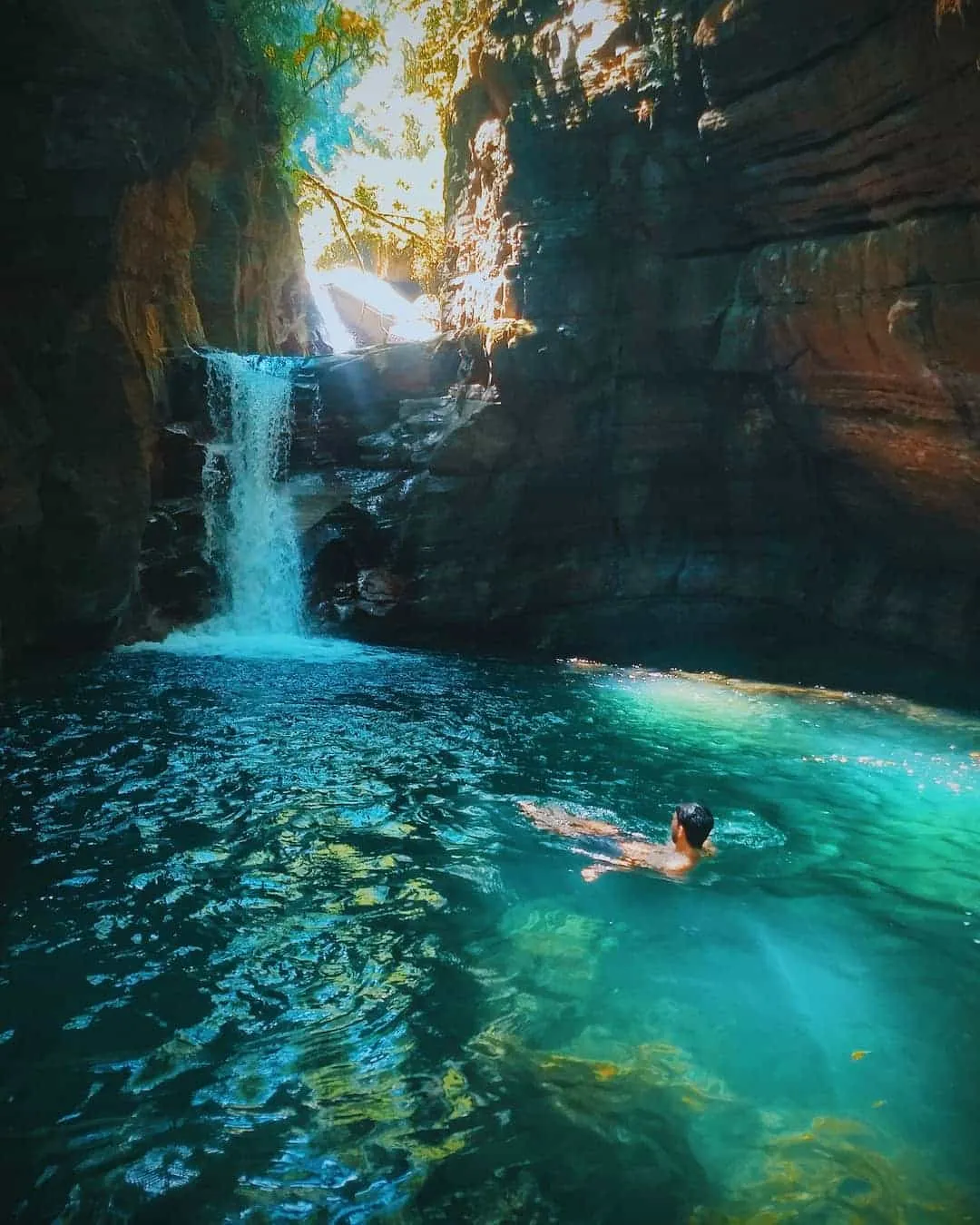
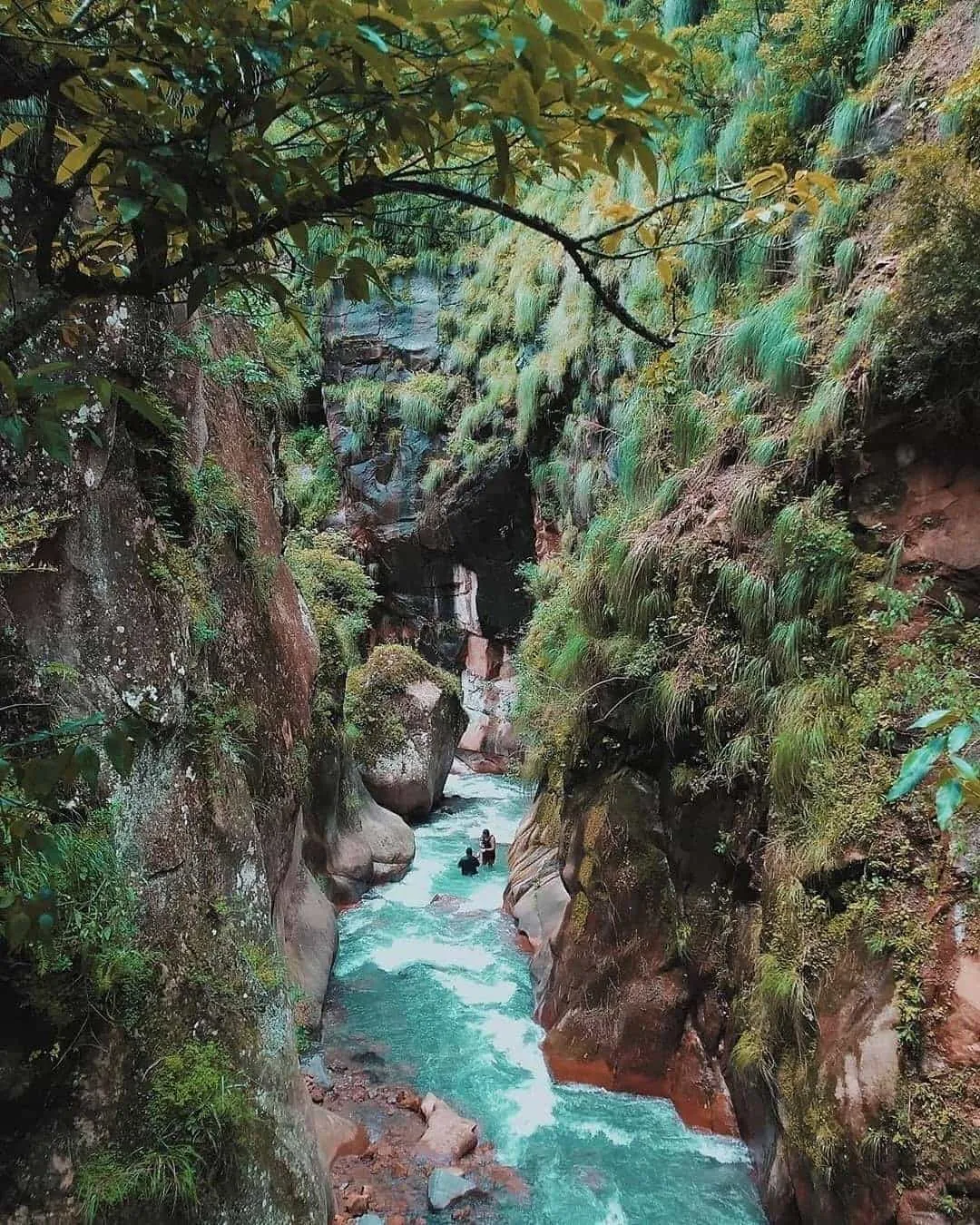
Then we continued to Potrero de Yala Provincial Park, a little-known corner that's perfect for getting in touch with the Yungas biosphere (the cloud forest of the Andean foothills). Entrance is free (though a donation is suggested), and you can drive the gravel road. It's about 30 km (roughly 1 hour), surrounded by dense vegetation and hidden lagoons.
The highlights of the park are:
- Los Paredones de Yala: reddish rock walls beside the Yala River (not very well signposted, so we recommend finding out exactly where they are before you go). We didn't look into it much and couldn't get there.
- Laguna de Yala (and its trails)
- Corral Redondo Trail, 1 km (0.6 miles)
- Miradores Trail, 2.5 km (1.6 miles)
- Bosque Montano Trail, 1.6 km (1 mile)
If you don't have a car, you can book this tour to Potrero de Yala Provincial Park from Jujuy.
After exploring this little natural gem, we carried on to Purmamarca, where we spent the night surrounded by the famous Cerro de los Siete Colores (Hill of Seven Colors).
Day 2: Purmamarca – Maimará – Tilcara
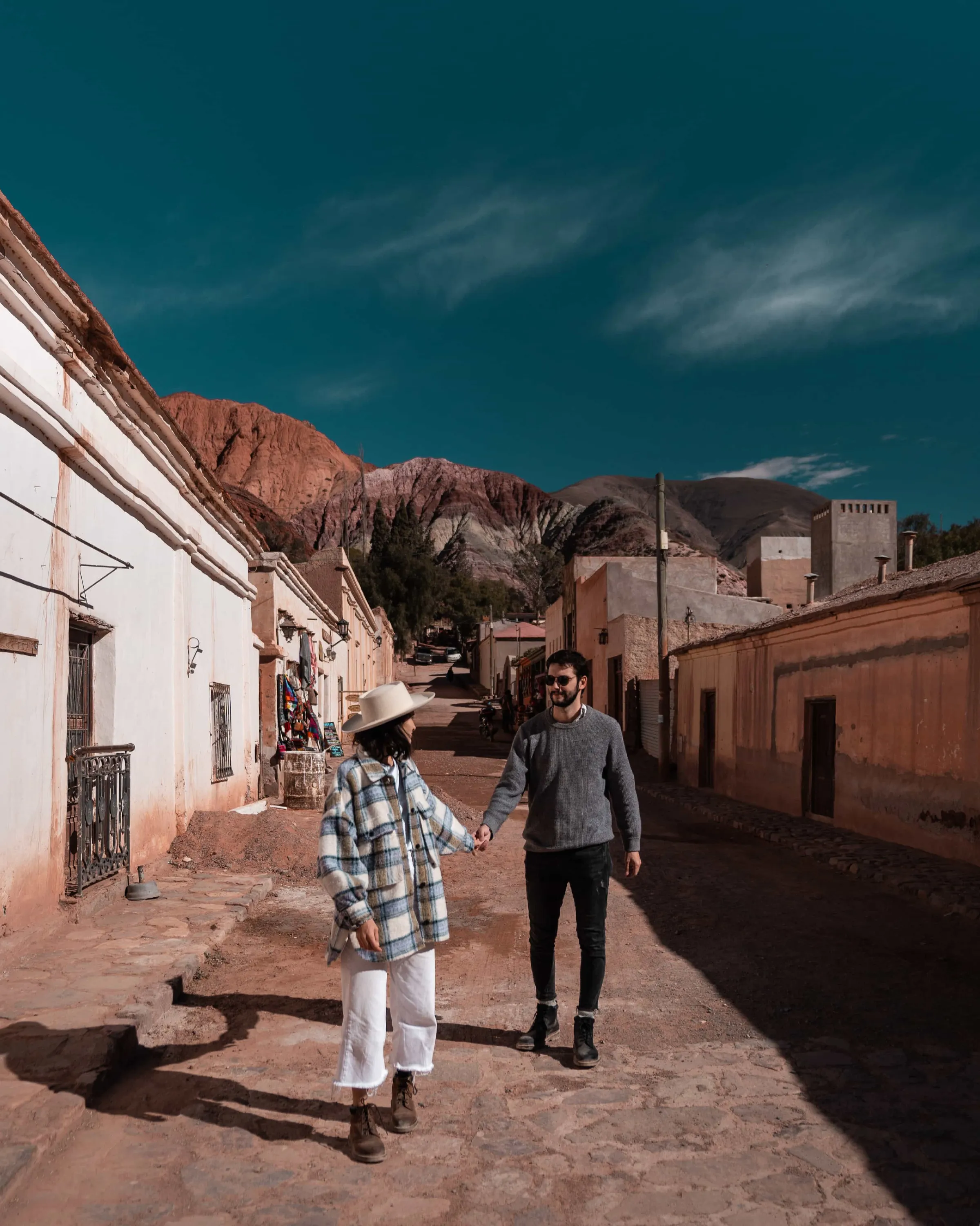
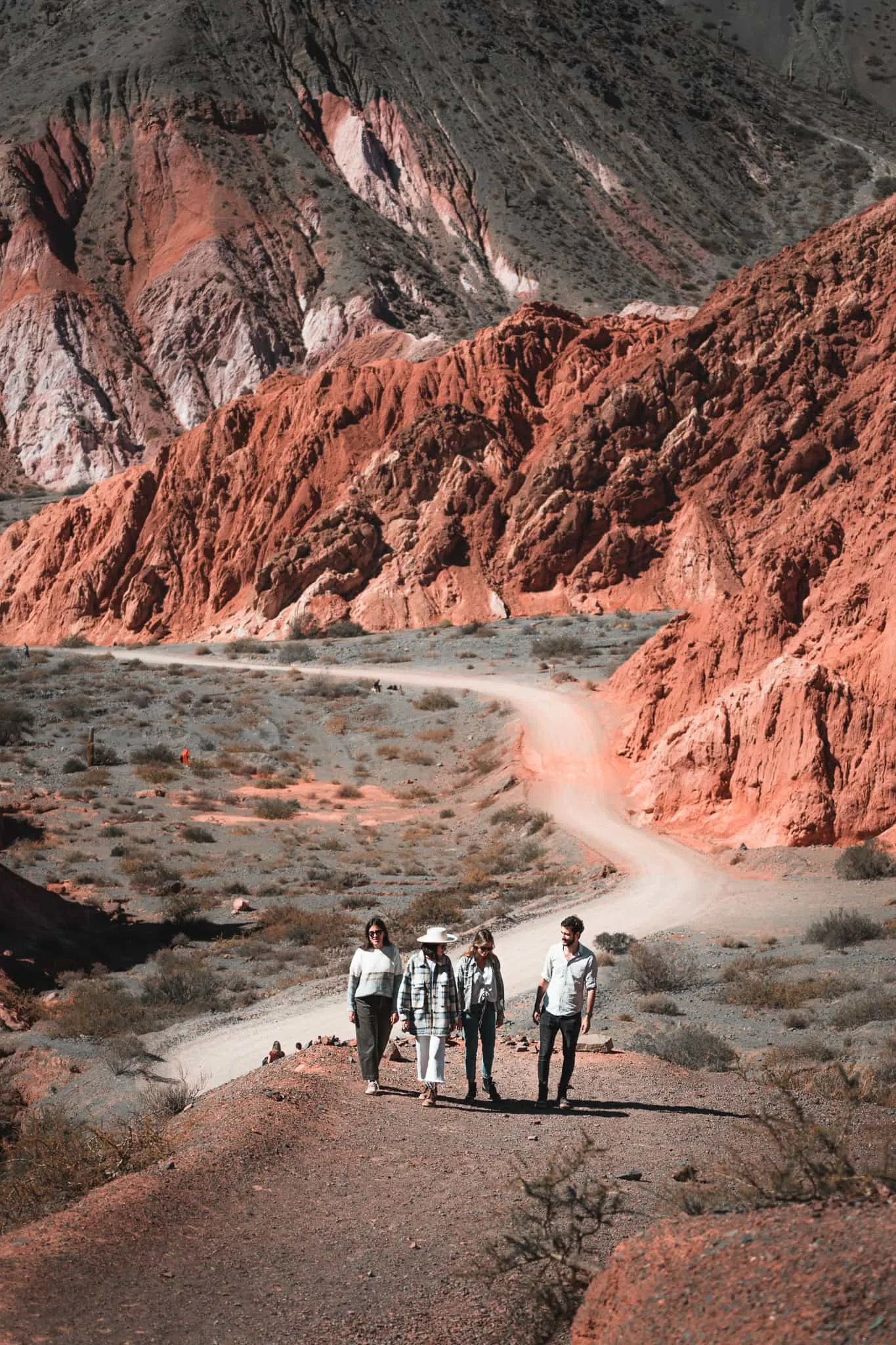
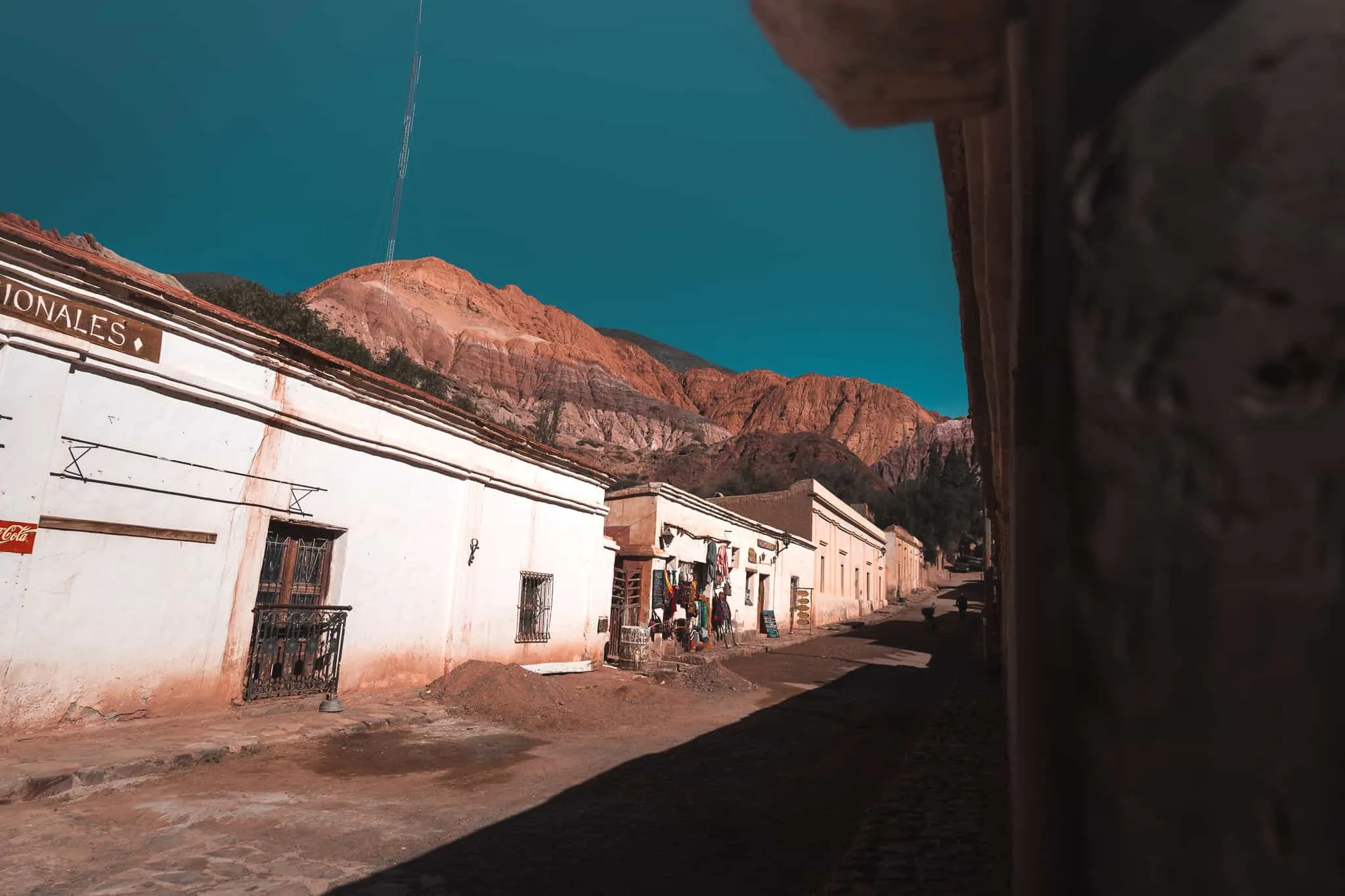
Purmamarca is one of the most picturesque towns in northern Argentina and an essential stop on any Jujuy itinerary. We spent the night here and took the chance to get up early and enjoy the Cerro de los Siete Colores, which looks incredible in the morning light. One of the best places to see it from is the foot of Cerro El Porito.
Then we headed to Paseo de los Colorados, a 3 km (1.9-mile) loop you can do on foot or by car. The scenery is beautiful, with reddish mountains, eroded formations and ochre tones that shift with the daylight.
Before moving on, we recommend wandering the town's little streets, visiting Plaza 9 de Julio, where there's a crafts market, and stepping into the historic Iglesia de Santa Rosa de Lima, the church across from the square.
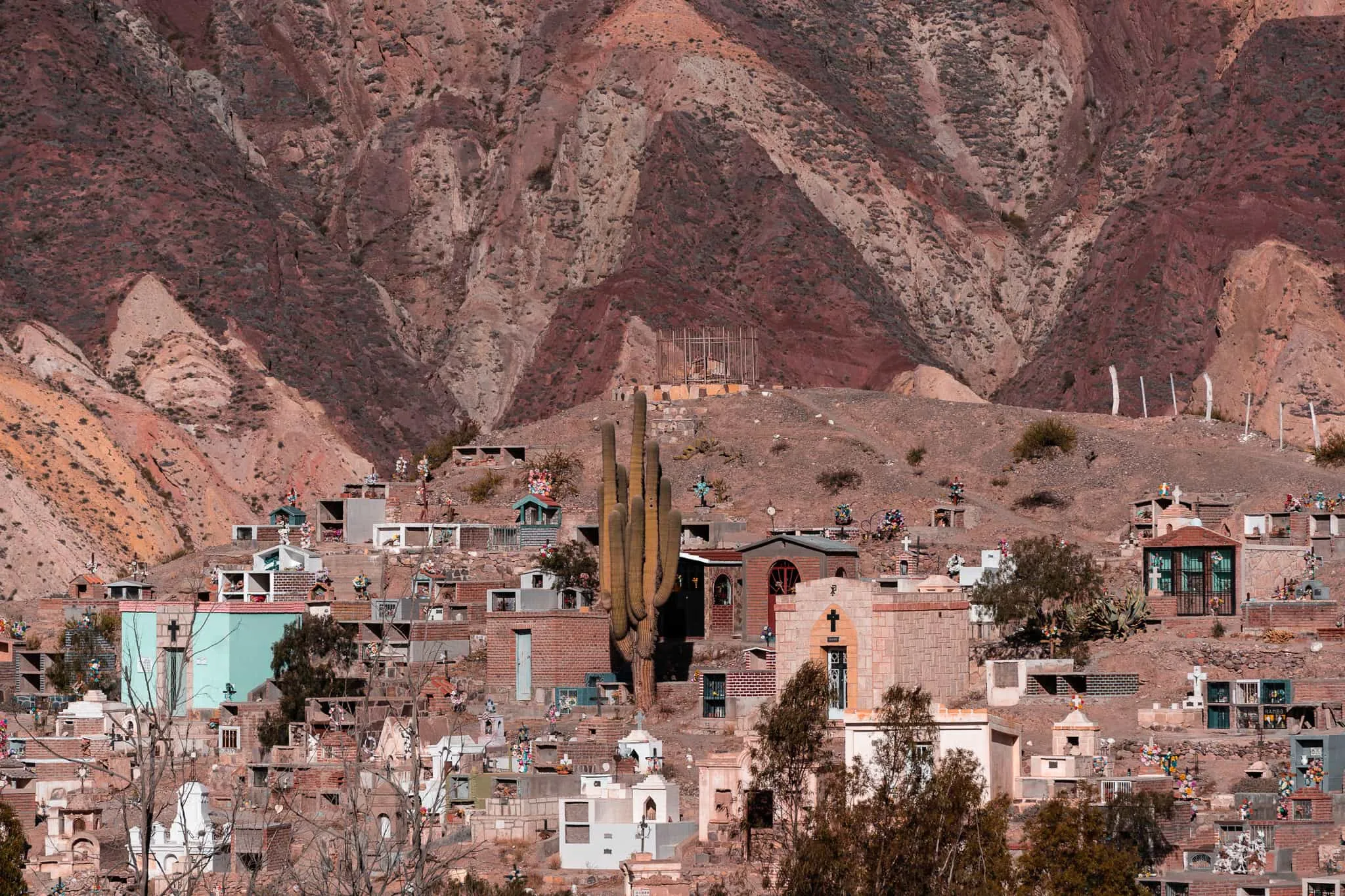
From Purmamarca we continued along National Route 9 (Ruta Nacional 9), with a short stop in Maimará to see the famous Paleta del Pintor (Painter's Palette), a multicolored hill above the town's cemetery.
The last stop of the day is Tilcara, a town full of life, culture and things to do.
What to do in Tilcara:
- Pucará de Tilcara: An ancient, restored pre-Hispanic fortress surrounded by cardón cacti and mountains. The views of the valley from the top are incredible.
- Garganta del Diablo: A waterfall tucked away among the hills, 5 km (3.1 miles) from the town center. You can get there on foot, by car or even on horseback.
We ended the day with a relaxed walk through the cobbled streets of Tilcara, where we spent the night.
Day 3: Uquía – Cerro de los 14 Colores – Tilcara
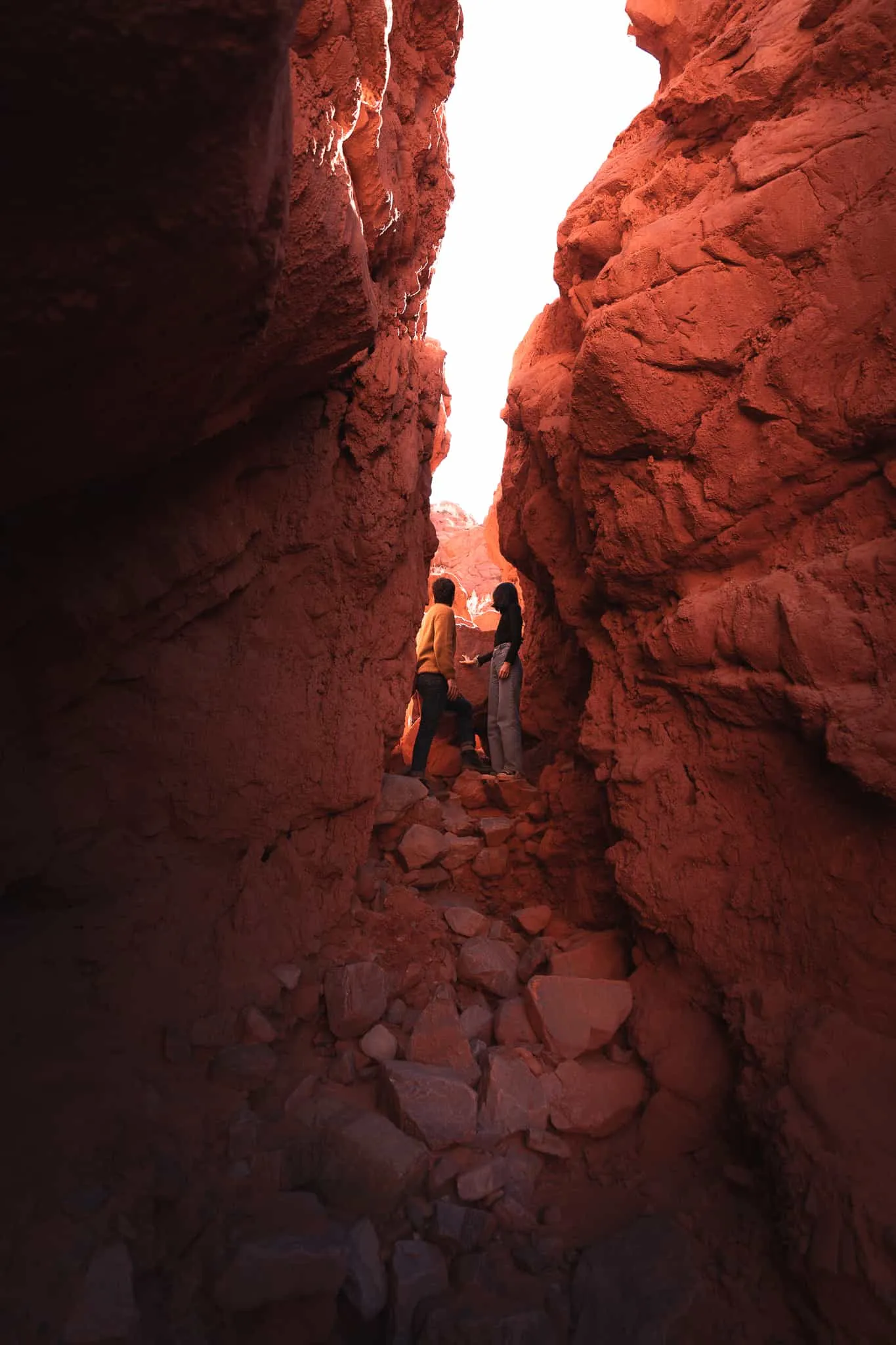
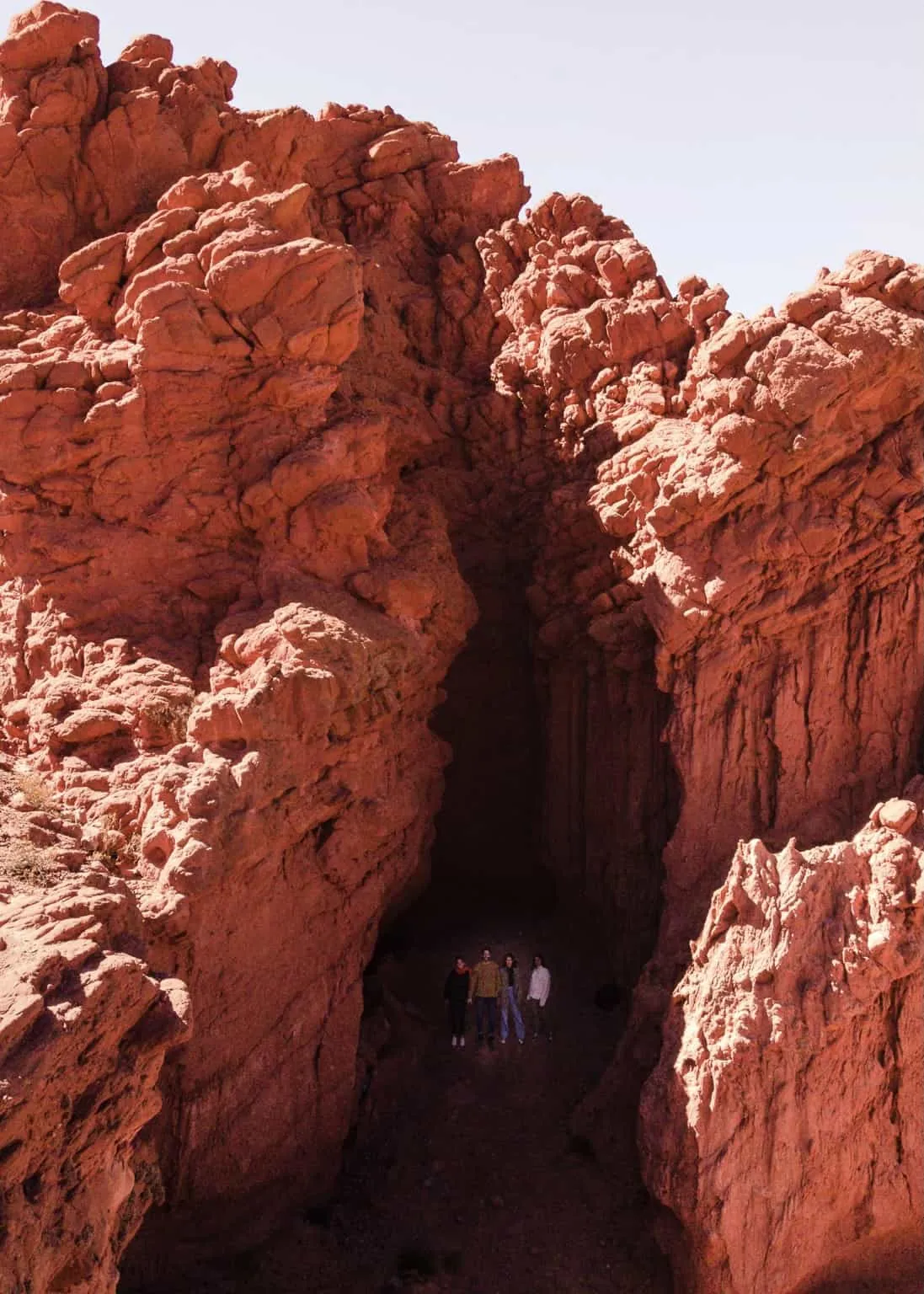
That day we set off very early for the small town of Uquía, known for its colonial church with Cusco School paintings and as the gateway to the Quebrada de las Señoritas, one of those landscapes that seem to come from another planet.
The reddish rock formations, the natural cracks and the energy of the place left us speechless. According to a local legend, some young women of the Inca Empire took refuge here to hide a treasure of gold from the Spanish conquistadors. It's said that they gave their lives to the Pachamama and that their spirit still dwells in the gorge.
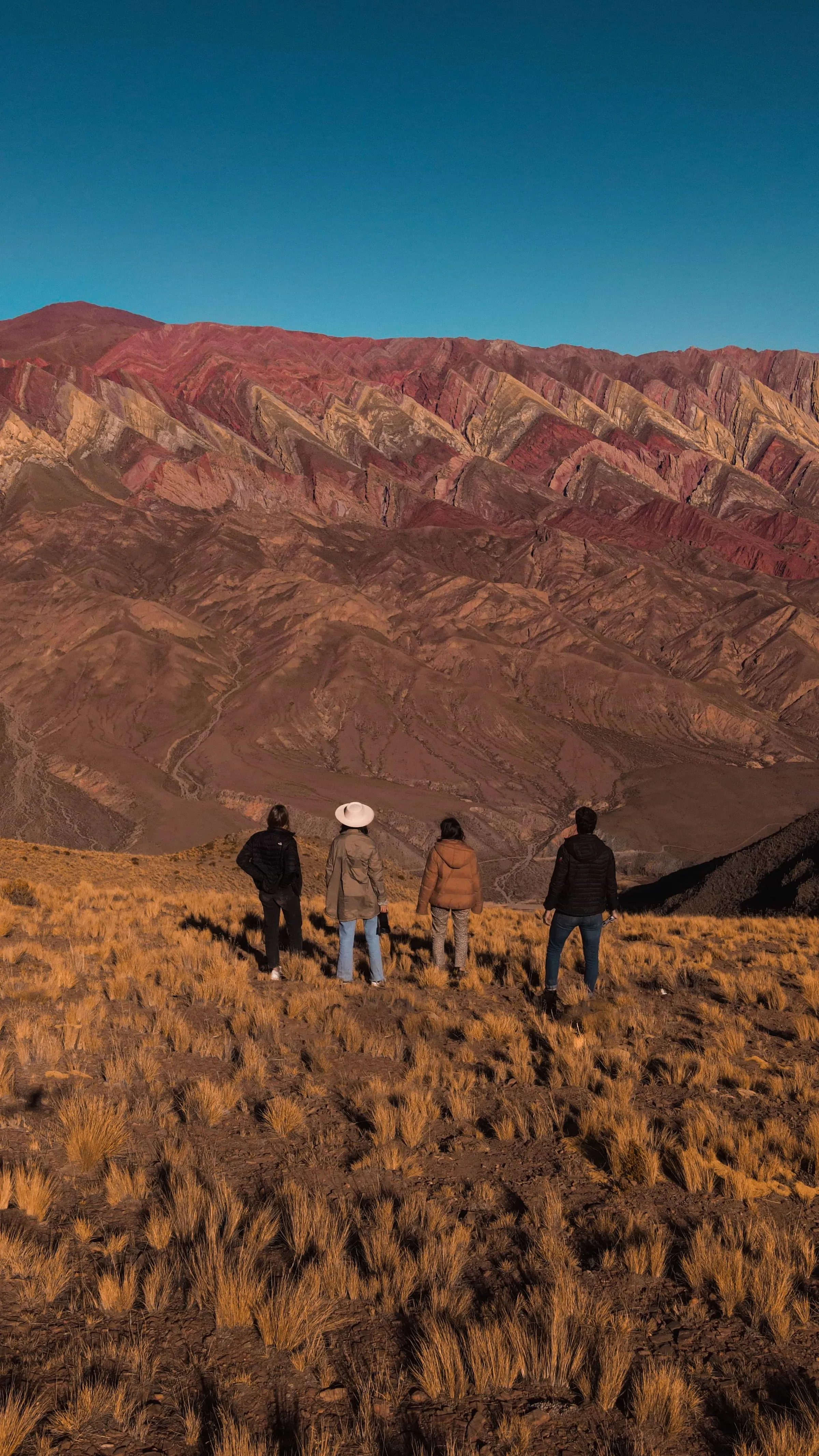
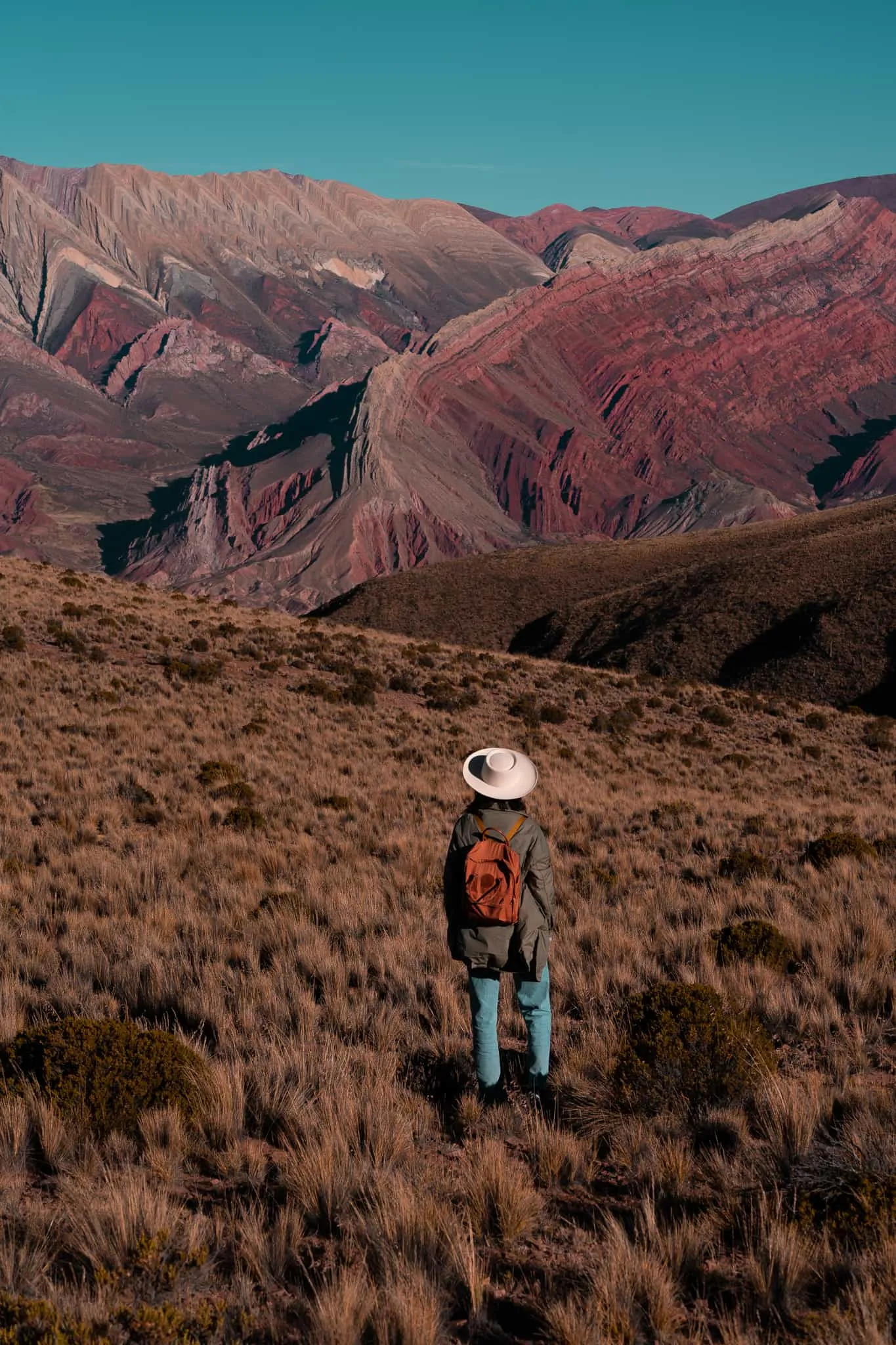
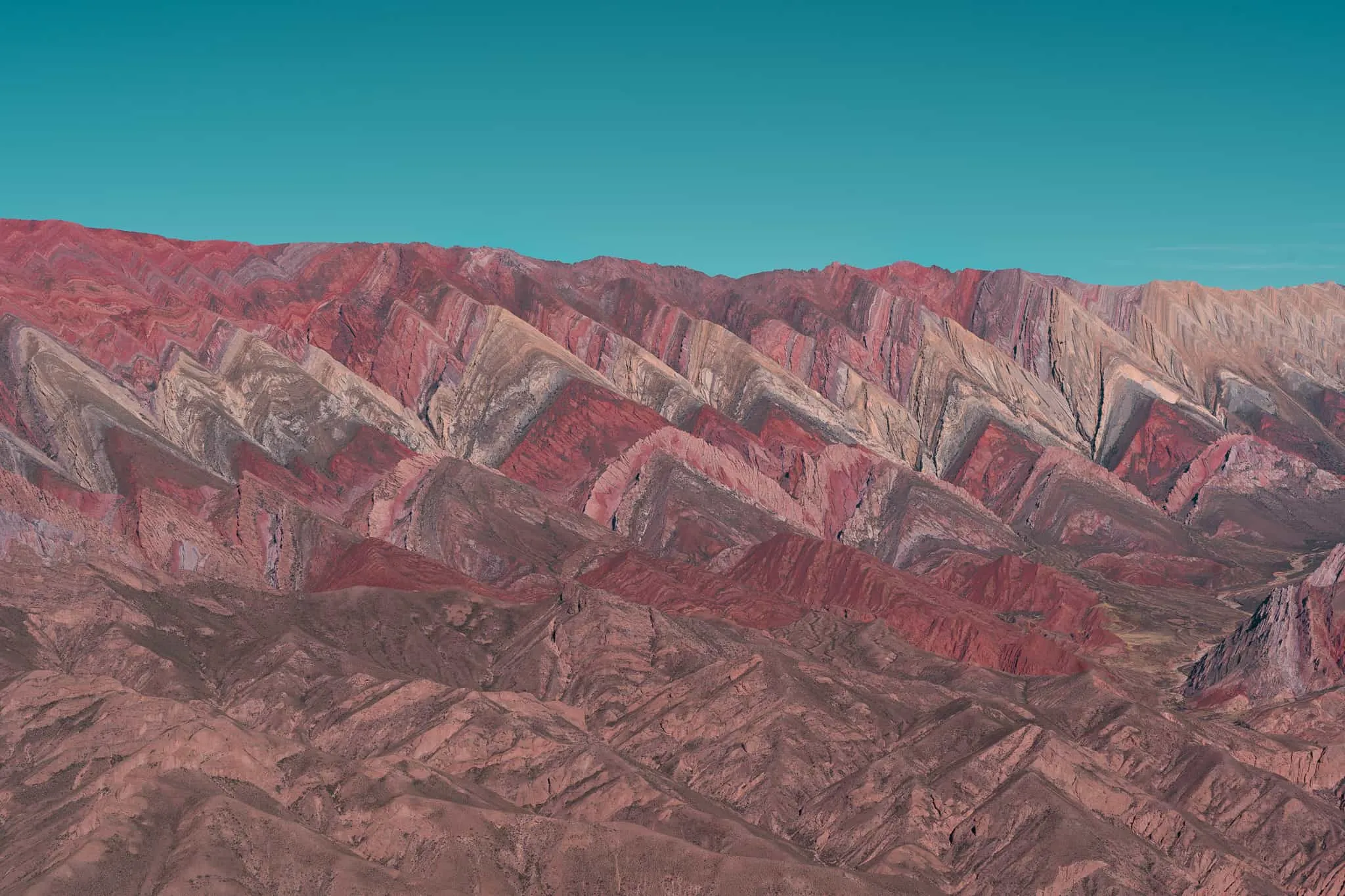
Then we carried on to Humahuaca, where we stopped for lunch. We personally didn't love it as much as Purmamarca or Tilcara, but Humahuaca is still a picturesque town and worth a visit. The gravel road to the imposing Cerro de los 14 Colores (Hill of 14 Colors), in the Serranía de Hornocal, starts in Humahuaca. It's at more than 4,300 m (14,110 ft) above sea level, so it's important to go slowly, drink water and avoid sudden exertion. When we finally had the Cerro de los 14 Colores in front of us, we got goosebumps. It's truly impressive!
Tips for visiting the Cerro de los 14 Colores
The best time to visit the Cerro de los 14 Colores is in the afternoon, when the sun starts to drop and brings out the hill's colors. We left Humahuaca around 16:00 to avoid both the harsh midday light and driving back after dark, which isn't advisable on these mountain roads.
If you don't have your own car, you can book a tour from the city of Salta or from San Salvador de Jujuy. These usually also stop in Tilcara, Uquía and Purmamarca:
- Tour to Purmamarca, Tilcara and the Hornocal from San Salvador de Jujuy.
- Tour to Purmamarca, Tilcara, Uquía and the Hornocal from the city of Salta.
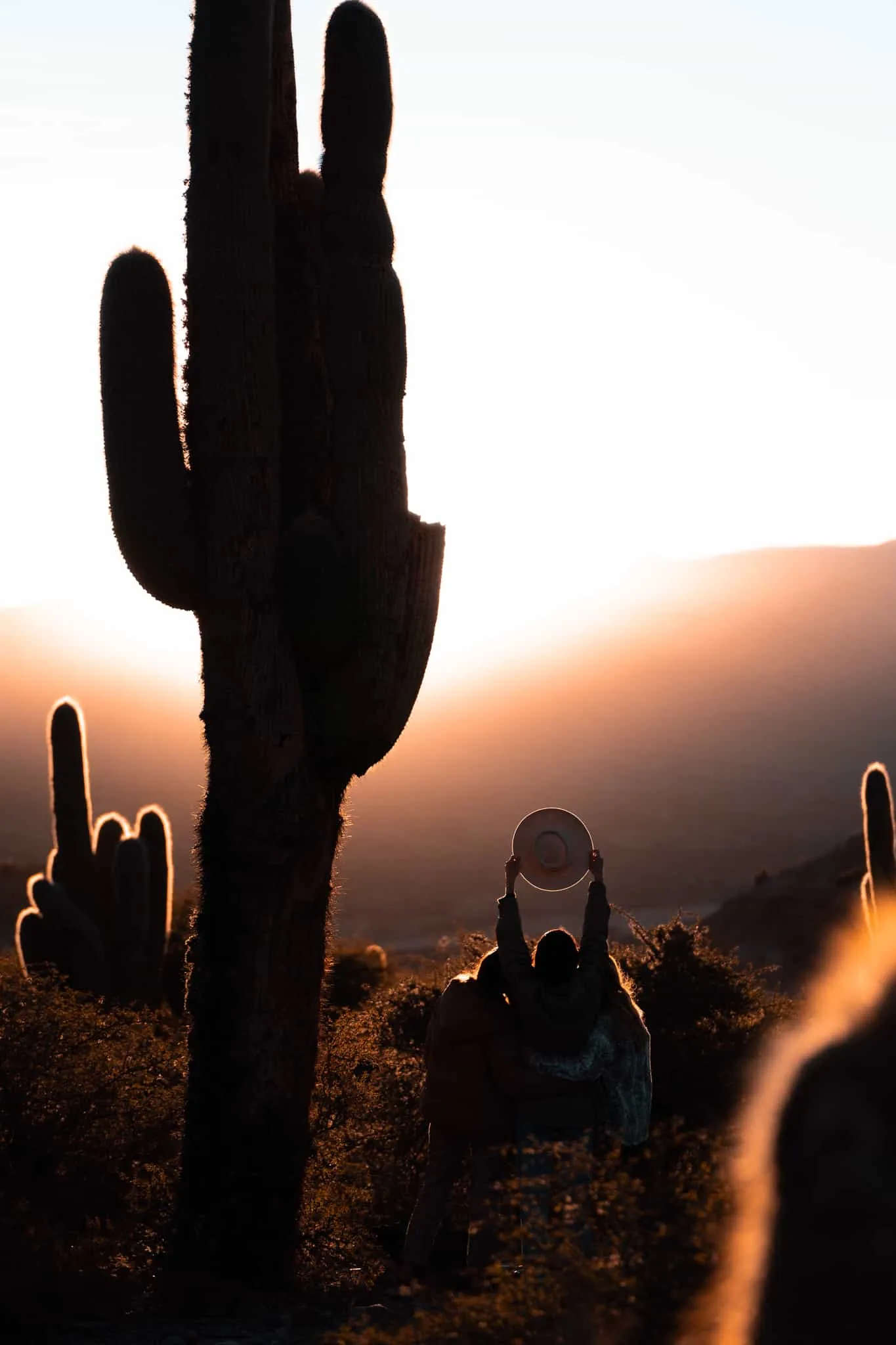
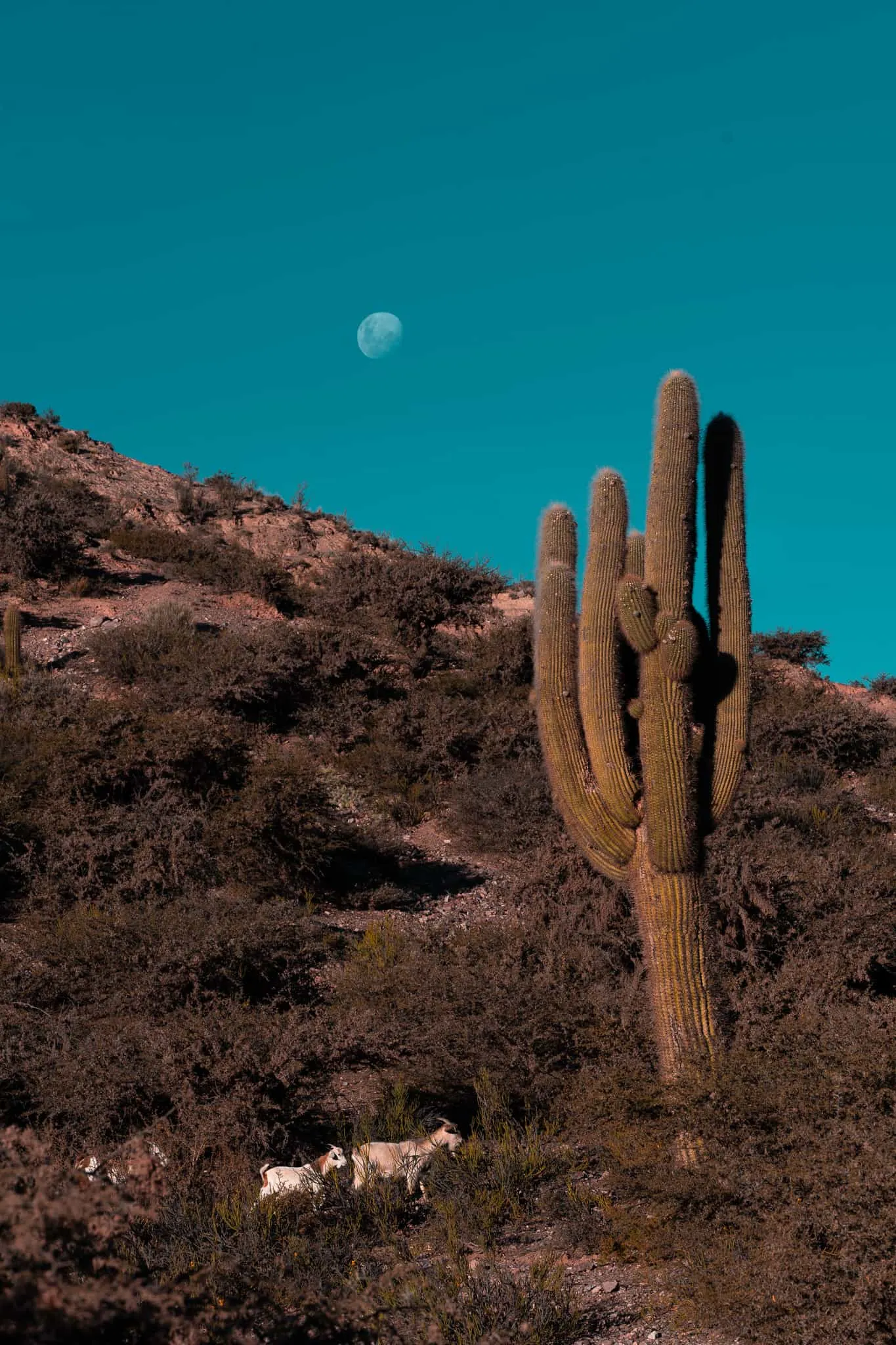
On the way back, we treated ourselves to a break to enjoy the sunset over a field of cardón cacti. We ended the day back in Tilcara for the night.
Day 4: Tilcara – Iruya – Tilcara
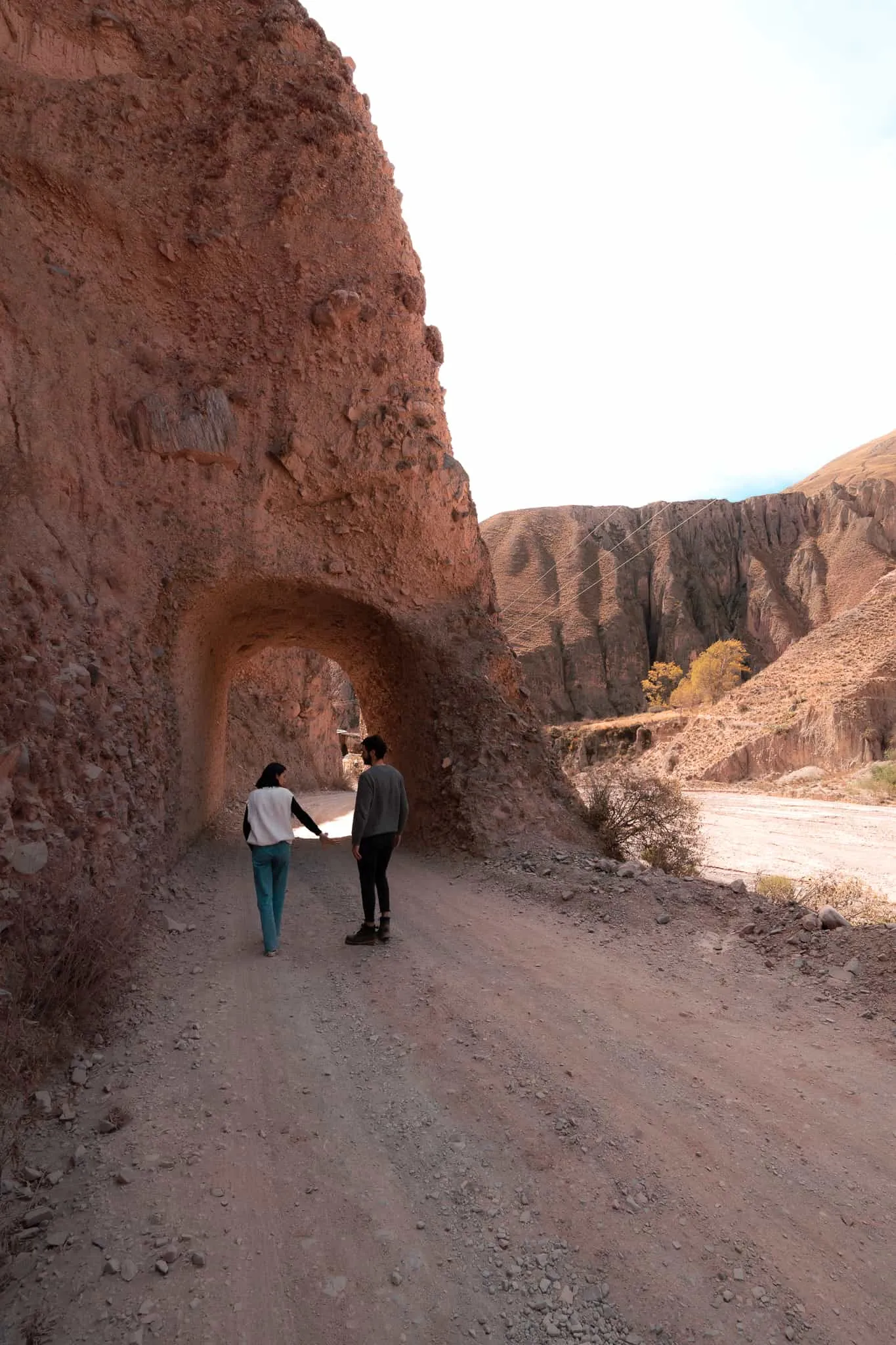
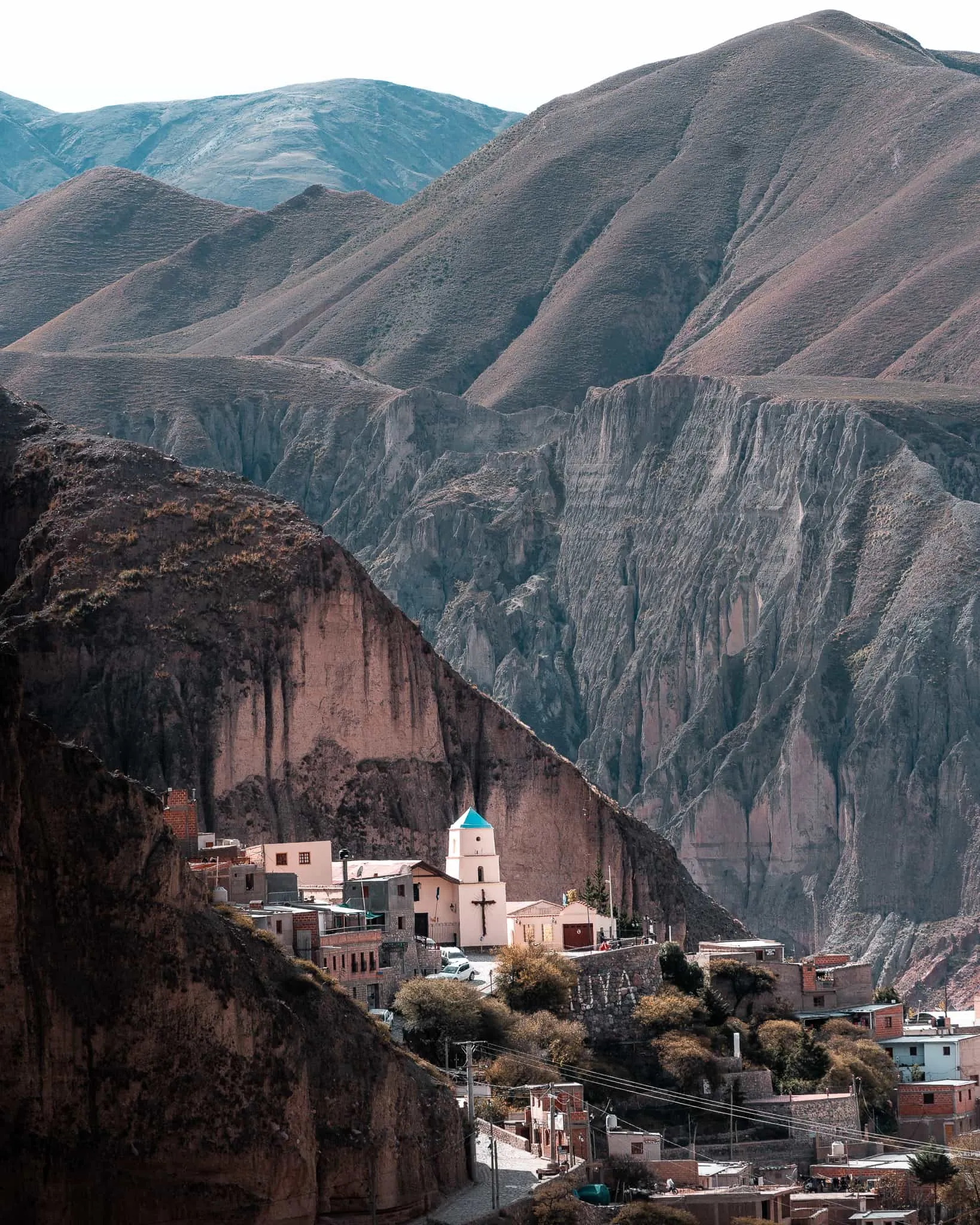
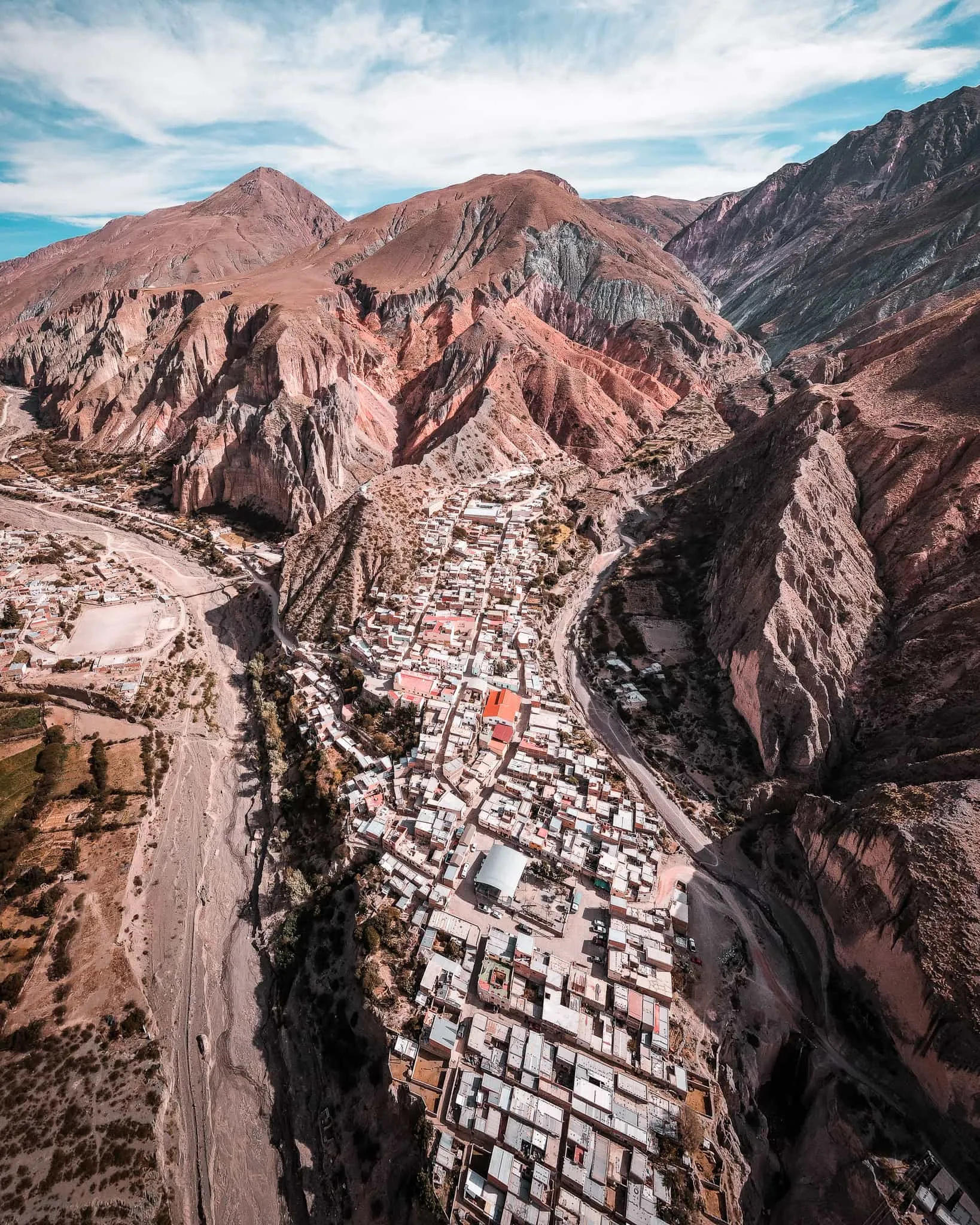
We'd heard wonderful things about Iruya, and it didn't disappoint. This small town clinging to the mountains, at more than 2,700 m (8,860 ft) above sea level, seems to come from another time. Cobbled streets, little adobe houses, a white church against the sky and beautiful views.
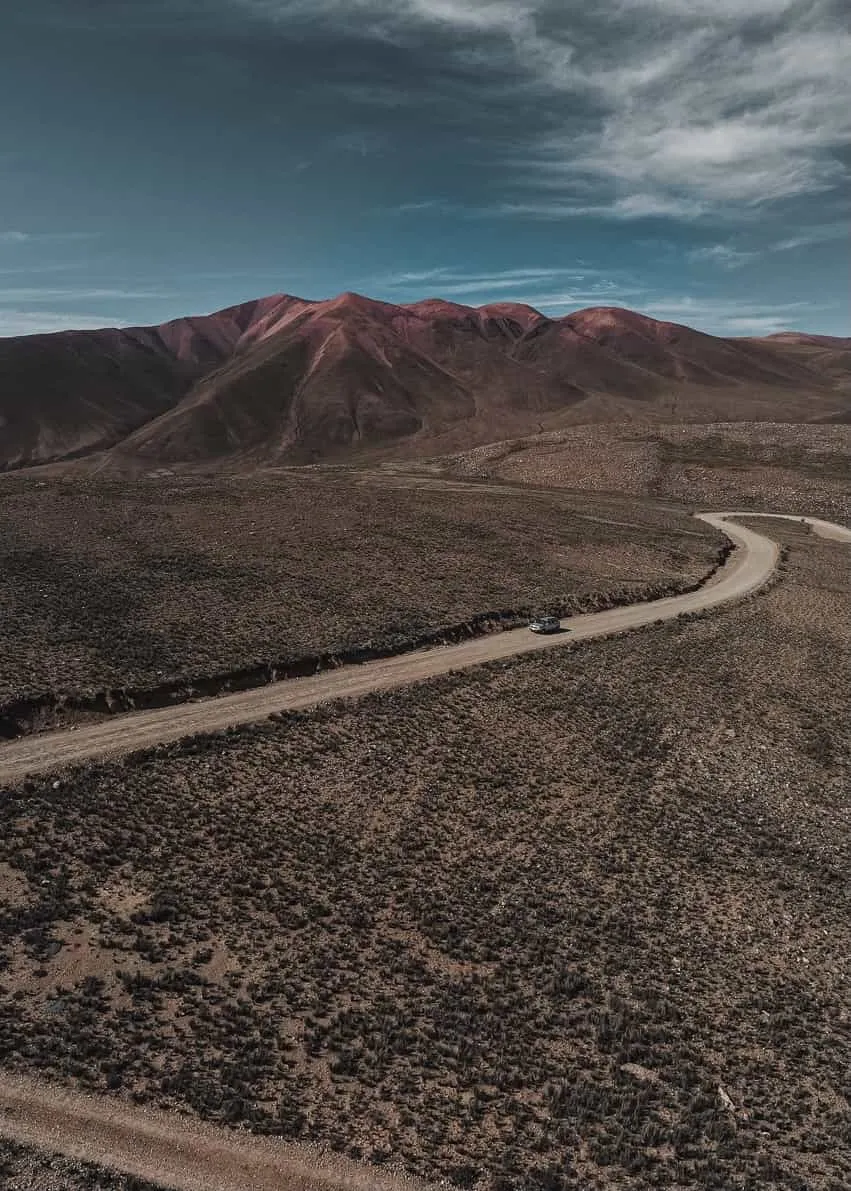
To get there from Tilcara, you have to cover about 116 km by road (one way), and the last 50 km are gravel. The road winds between mountains through landscapes straight out of a movie. It may seem long (about 2.5 hours), but we promise it's worth it.
In Iruya we had homemade fried empanadas for lunch and then strolled through town up to the famous Mirador de la Cruz, which gives you an incredible panorama of the valley.
We didn't get to San Isidro de Iruya, an even more remote village you can only reach on foot, on a hike of about 6 km (3.7 miles), or by 4x4. For this walk it's best to go with a local guide. It's definitely on our list for next time!
👉 No car, or does the road give you vertigo? You can also visit Iruya on a tour from Tilcara or from the city of Salta. You'll find the options below.
At the end of the day we returned to Tilcara for the night.
Day 5: Tilcara – Cusi Cusi
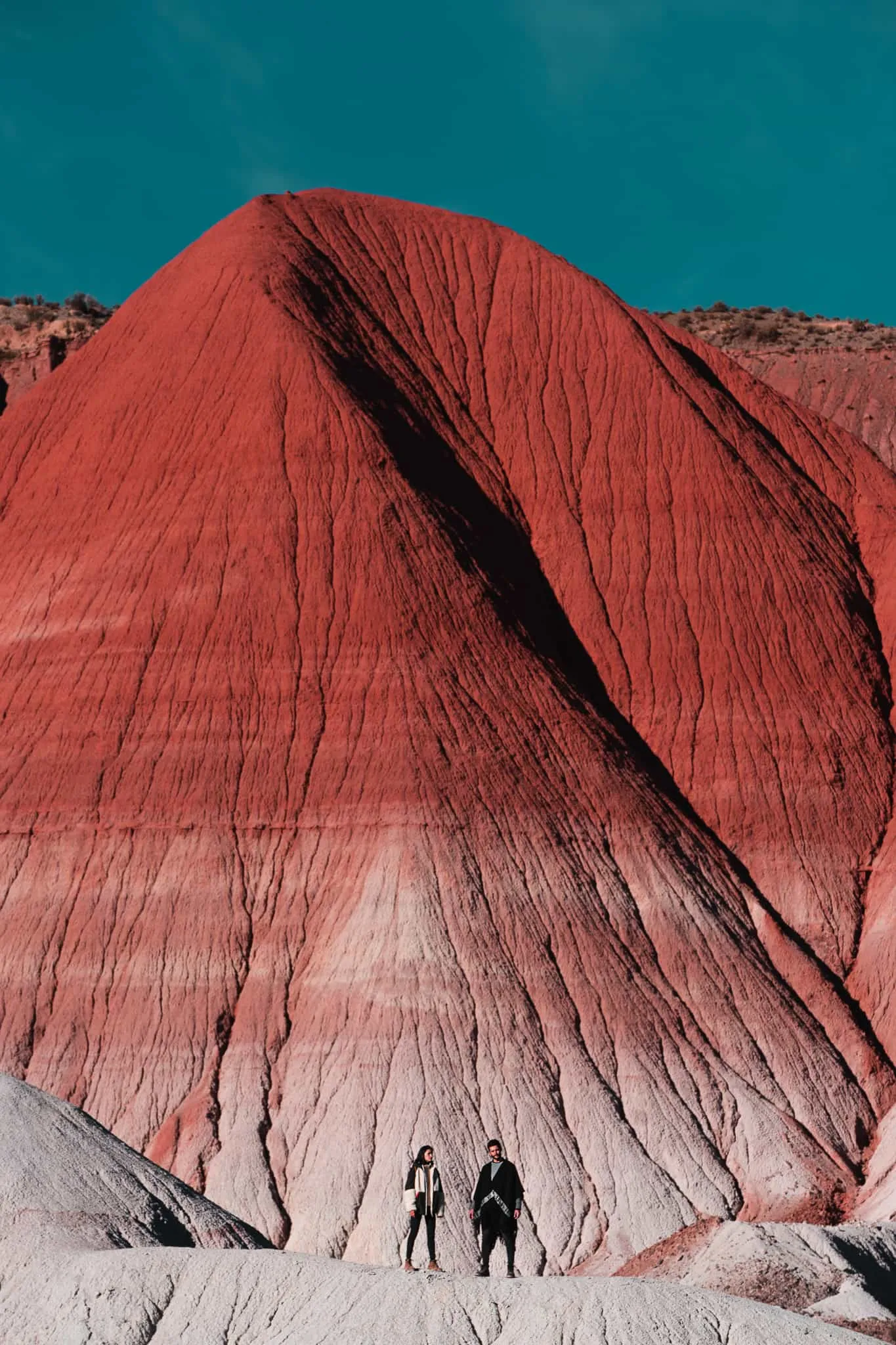
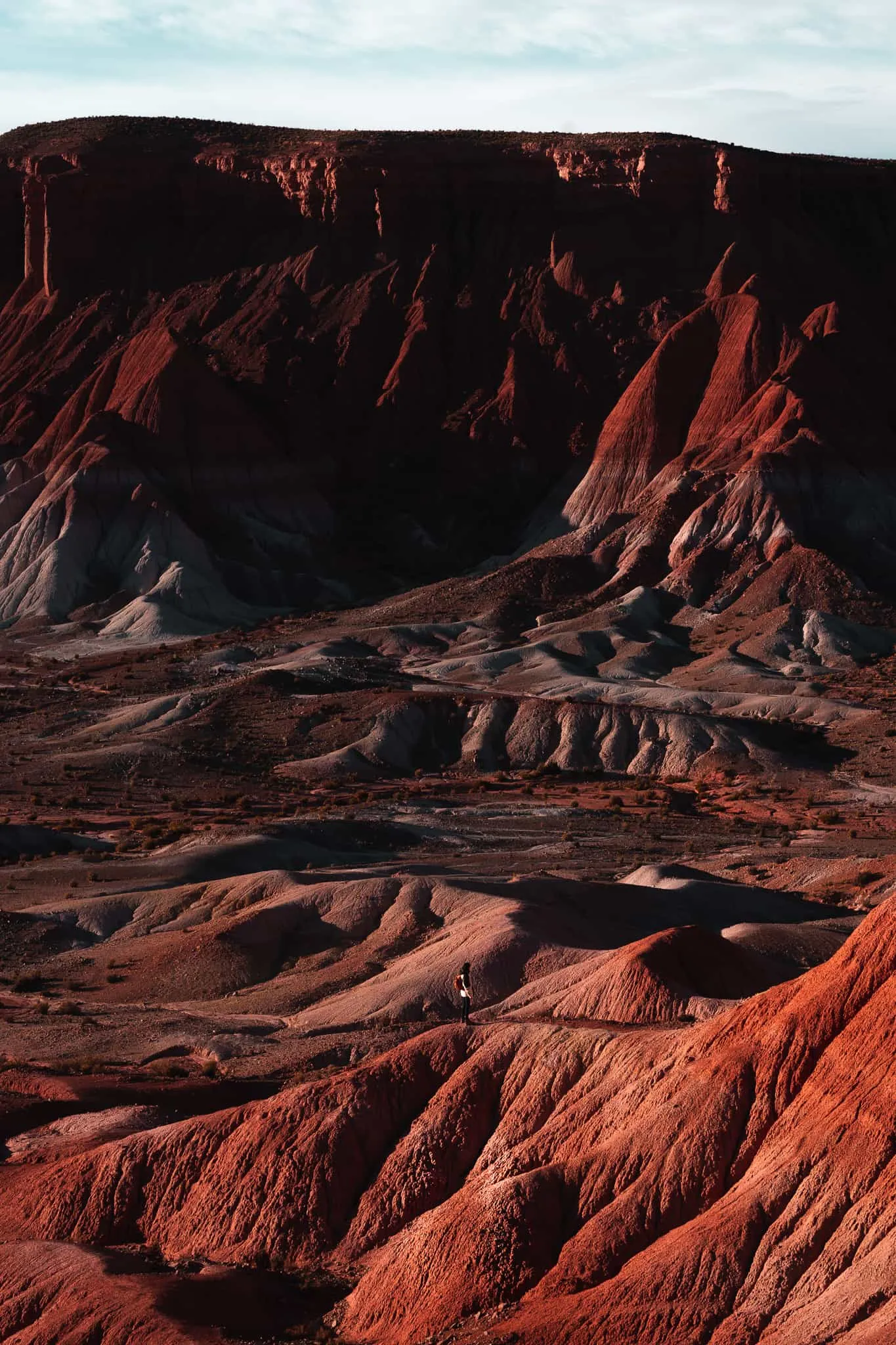
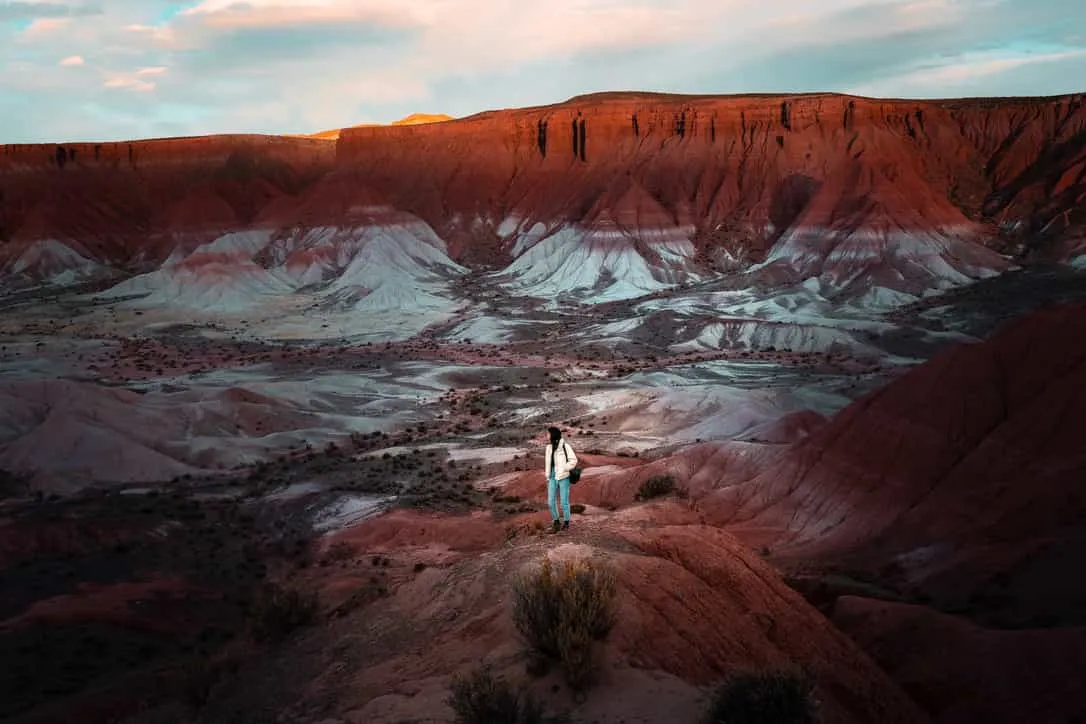
Today we left very early for Cusi Cusi, a small, remote village in the north of Jujuy that hides one of the most surprising landscapes in the region: the Valle de la Luna. It isn't as well known as other destinations in northern Argentina, but it completely fascinated us.
The drive here is an experience in itself: desert landscapes, rock formations and the feeling of being in the middle of nowhere. When we finally stood in front of the Valle de la Luna in Jujuy, we couldn't believe what we were seeing. A lunar landscape, with colors ranging from gray to red, completely different from anything we'd seen so far.
We liked it so much that we decided to give it its own post with all our tips for visiting Cusi Cusi and the Valle de la Luna, so you don't miss a thing.
That night we slept in Cusi Cusi, enjoying the silence, the starry sky and the vastness of the place.
Day 6: Cusi Cusi – Purmamarca
After enjoying sunrise at the Valle de la Luna in Jujuy, a truly magical experience, we started back toward Purmamarca. It's a long drive, about 280 km, but the scenery keeps you company the whole way.
We got there around 4 in the afternoon, pretty tired after such an early start, so we decided to take the afternoon to rest, enjoy the surroundings and recharge in this beautiful town in Jujuy.
Night in Purmamarca.
Day 7: Purmamarca – Salinas Grandes – Salta
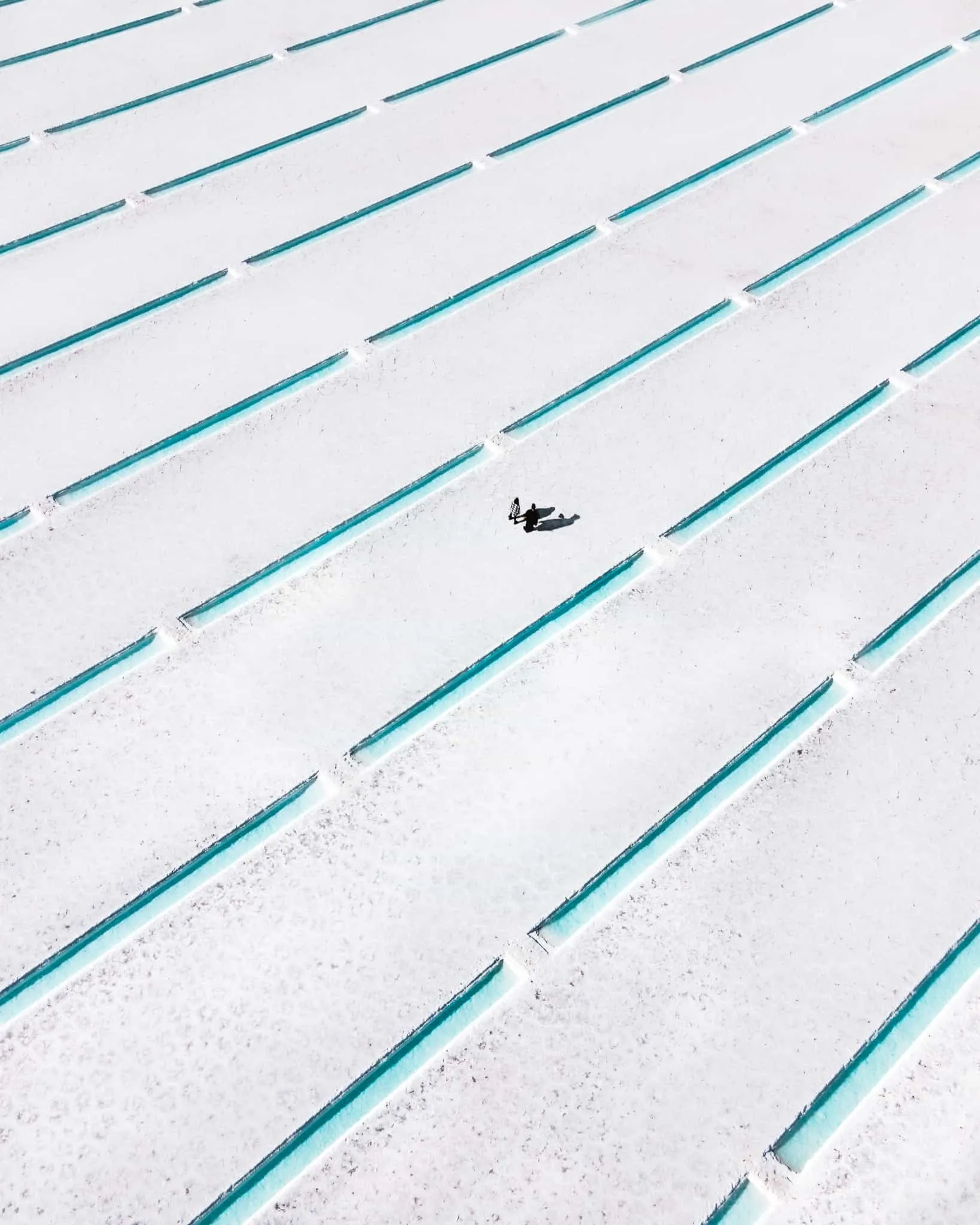
Today it was time for one of the most iconic landscapes in northern Argentina: the Salinas Grandes. This immense salt flat, an hour's drive from Purmamarca, is one of those places you can't miss if you're traveling through Jujuy or Salta.
To get there, you cross the spectacular Cuesta de Lipán, a mountain road full of bends and impressive views that climbs to more than 4,000 m (13,120 ft).
At the Salinas Grandes you can drive in with your own vehicle. At the entrance there are local guides who, for an affordable fee per car, go with you on a motorcycle and take you to the most interesting spots on the salt flat: the crystallization pools, the ojos del salar (“eyes” of water in the salt) and other unique corners, while explaining its history and geology. It's very much worth it!
If you don't have a car, here are some tour options:
- Tour to Salinas Grandes from Purmamarca
- Tour to Purmamarca and Salinas Grandes from the city of Salta.
- Tour to Purmamarca and Salinas Grandes from San Salvador de Jujuy.
The Salinas cover more than 12,000 hectares and formed millions of years ago when an ancient volcanic lake evaporated. They sit at 3,300 m (10,830 ft) above sea level, so it's best to take things slowly to avoid altitude sickness.
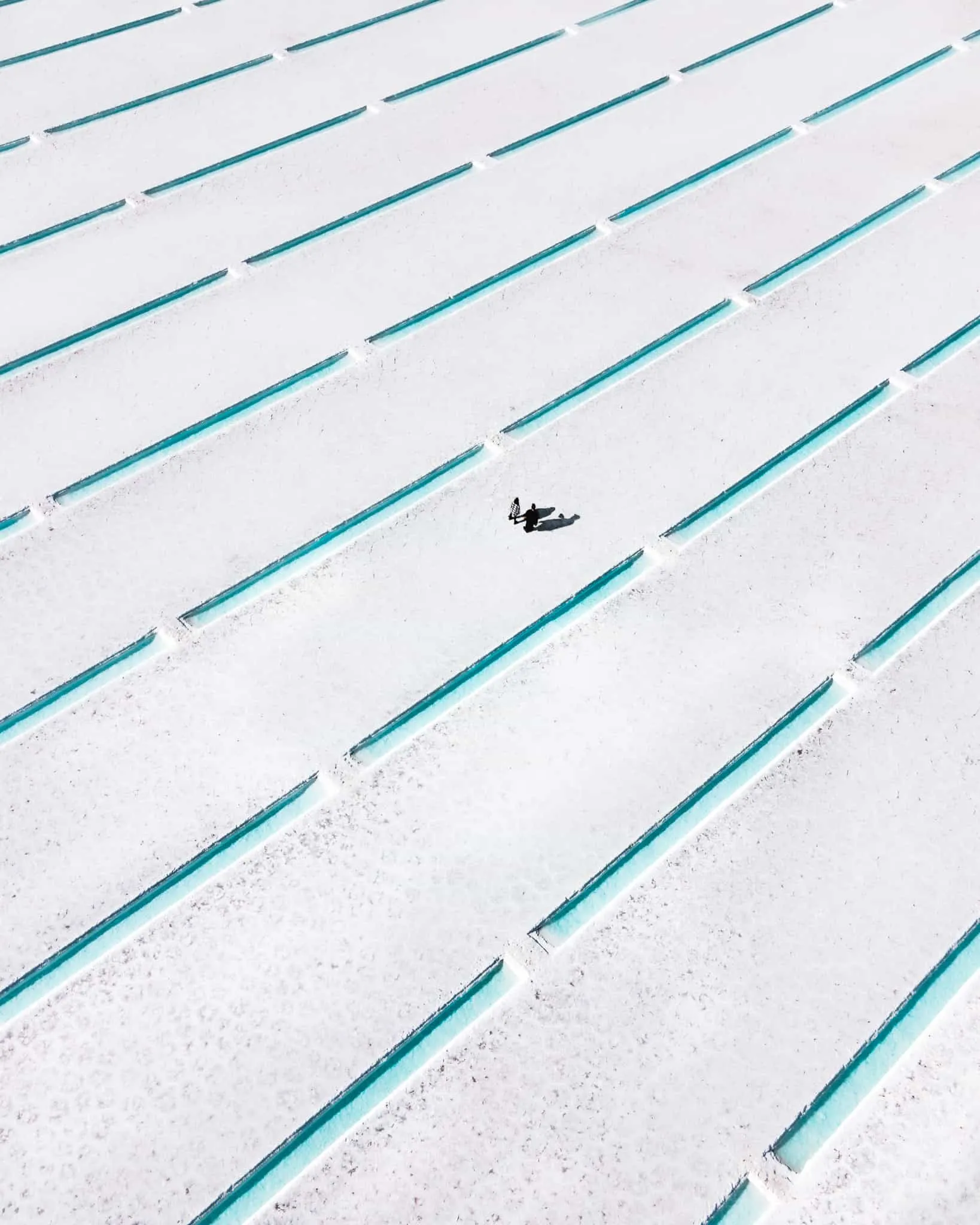
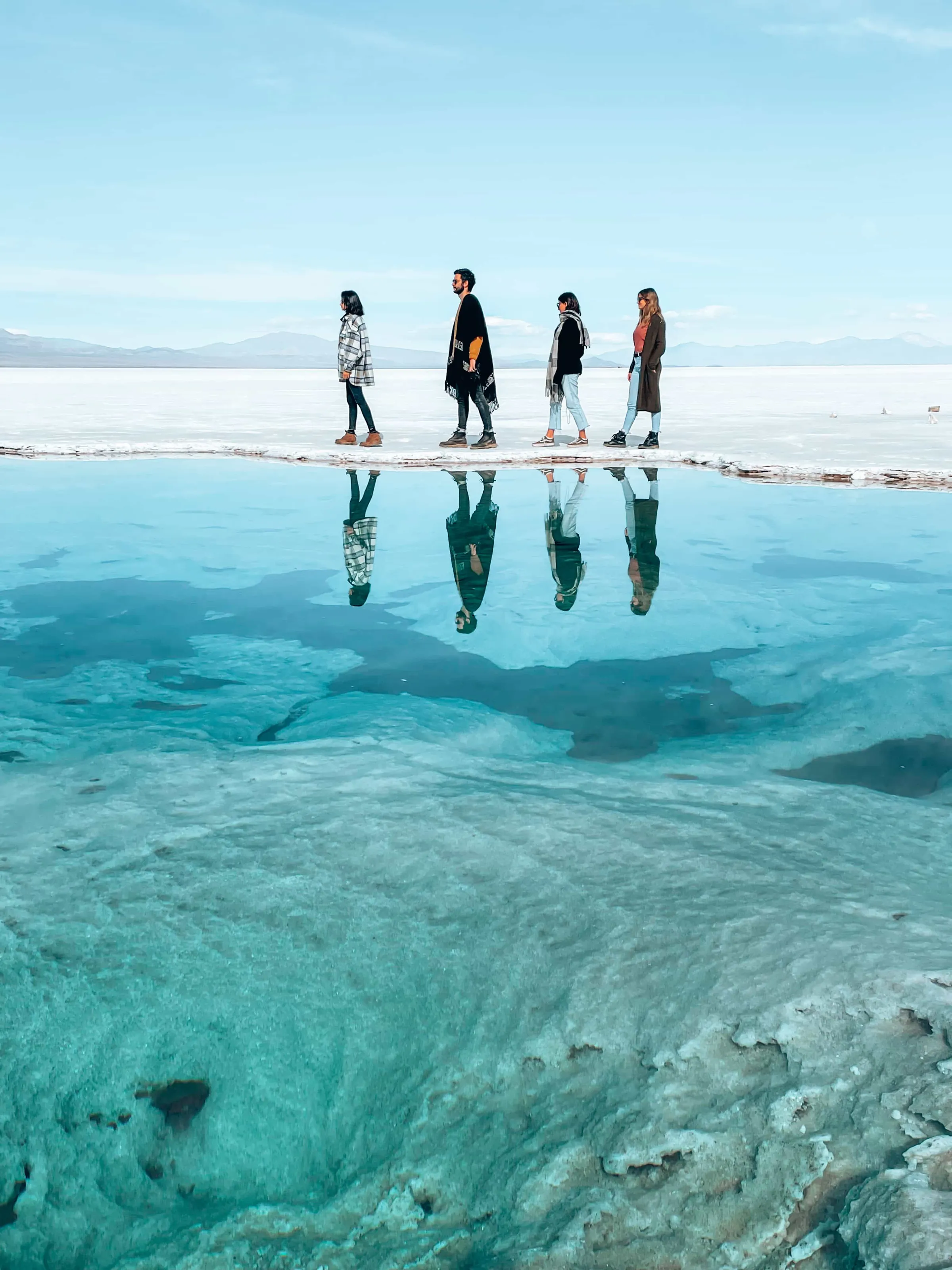
At the entrance there's a salt crafts market, which also sells salt in different forms and some stuffed tortillas (griddled flatbreads) you absolutely have to try!
After visiting this incredible place, we continued toward the city of Salta. Our original plan was to sleep there, but because of pandemic restrictions (we were traveling in May 2021), we decided to go a little farther and spend the night in Chicoana, a charming, peaceful little town that surprised us with its beauty and calm.
Day 8: Chicoana – Cuesta del Obispo – Los Cardones National Park – Cachi – Molinos
Today we began a new stretch of the trip toward Cachi, along the famous Route 33 (Ruta 33), a road that crosses some of the most spectacular landscapes in northern Argentina. It took us through the Quebrada de Escoipe, the impressive Cuesta del Obispo (a winding 20 km road connecting the Valle de Lerma with the Alto Valle Calchaquí) and the legendary Recta del Tin Tin, a perfectly straight road surrounded by arid landscapes and giant cardón cacti.
The Cuesta del Obispo reaches 3,400 m (11,150 ft), and although part of the road is gravel, you can drive it in a car without any trouble as long as you're careful.
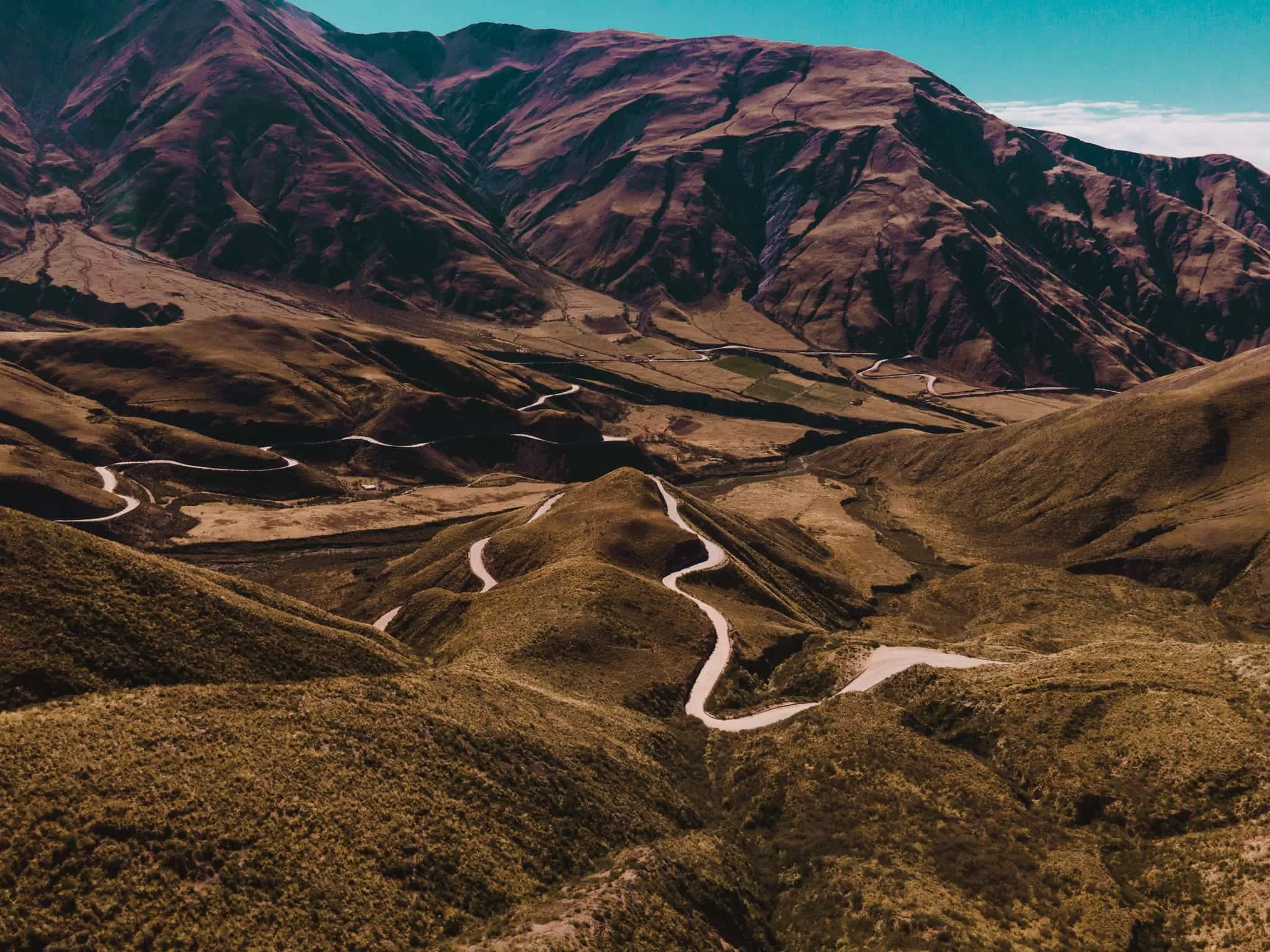
Unfortunately, because of the pandemic restrictions (we were traveling in May 2021), we ran into several police checkpoints and couldn't continue to Cachi on Route 33. But instead of getting frustrated, we took an alternative route: Route 42 (Ruta 42), which crosses Los Cardones National Park and the Los Colorados area. That decision rewarded us with lovely landscapes and far less traffic.
💡 Useful tip: If you're in the city of Salta, you can join a tour to Cachi:
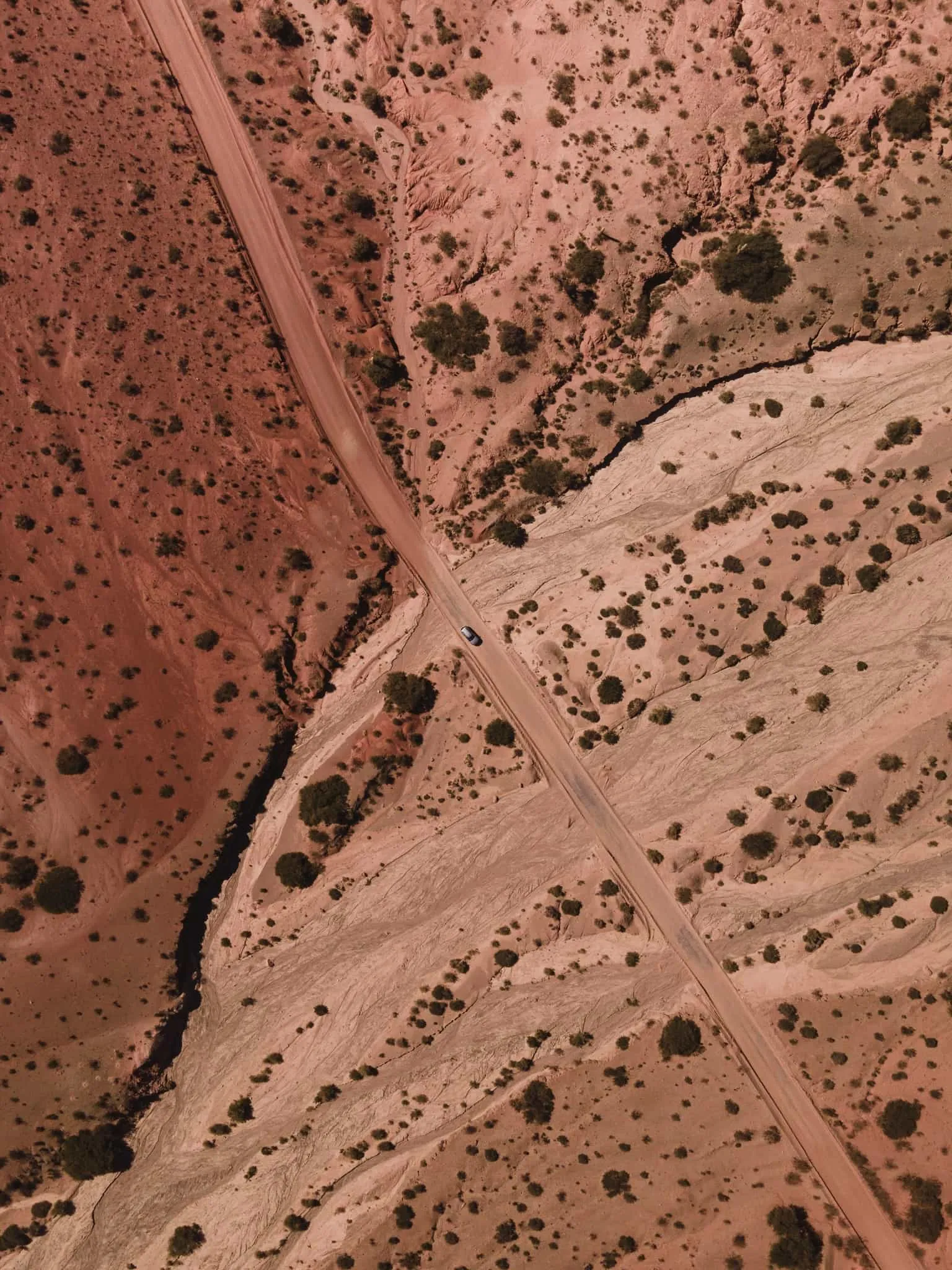
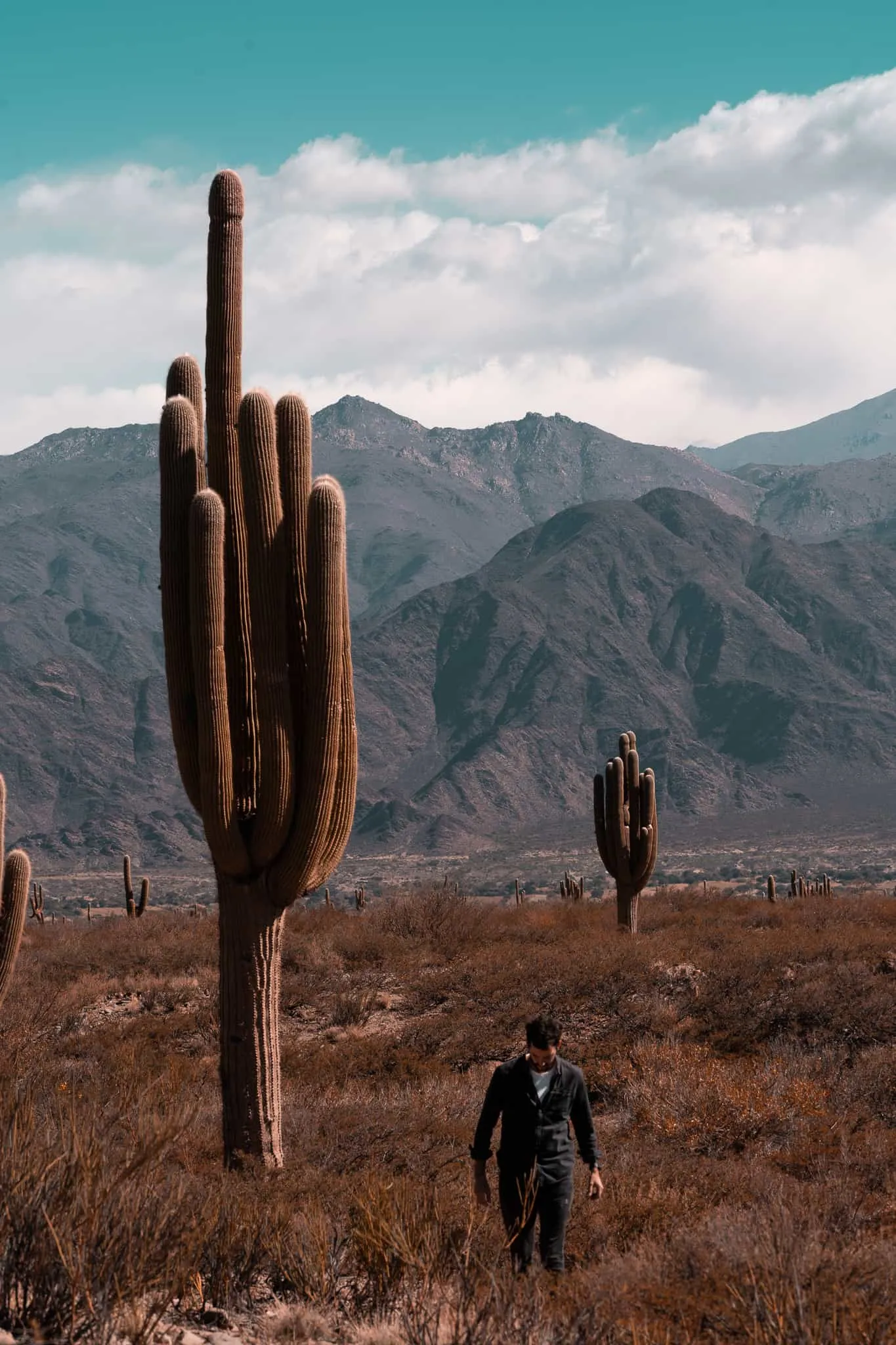
Then we picked up Route 40 (Ruta 40) toward Molinos, where we stopped for lunch at the traditional Hacienda de Molinos, a charming place with very good food.
From there we continued to Bodega Colomé, about 30 km from Molinos. This winery is known not only for its high-altitude wines but also for the incredible James Turrell Museum, a contemporary art space devoted to sensory experiences with light and space. It's a one-of-a-kind experience in South America, and the sunset visit is magical.
⚠️ Important: Access to the museum at sunset is only for guests of the winery. That's why we decided to spend the night at Bodega Colomé, and it was one of the best decisions of the trip. The stay includes a guided visit to the museum and a wine tasting.
🎥 Here's a video where we show a bit more about the museum and its artistic vision.
Day 9: Molinos – Cuevas de Acsibi – Cafayate
We left Molinos early, heading for Seclantás, a small town in the Valles Calchaquíes that's the gateway to an impressive landscape: the Cuevas de Acsibi.
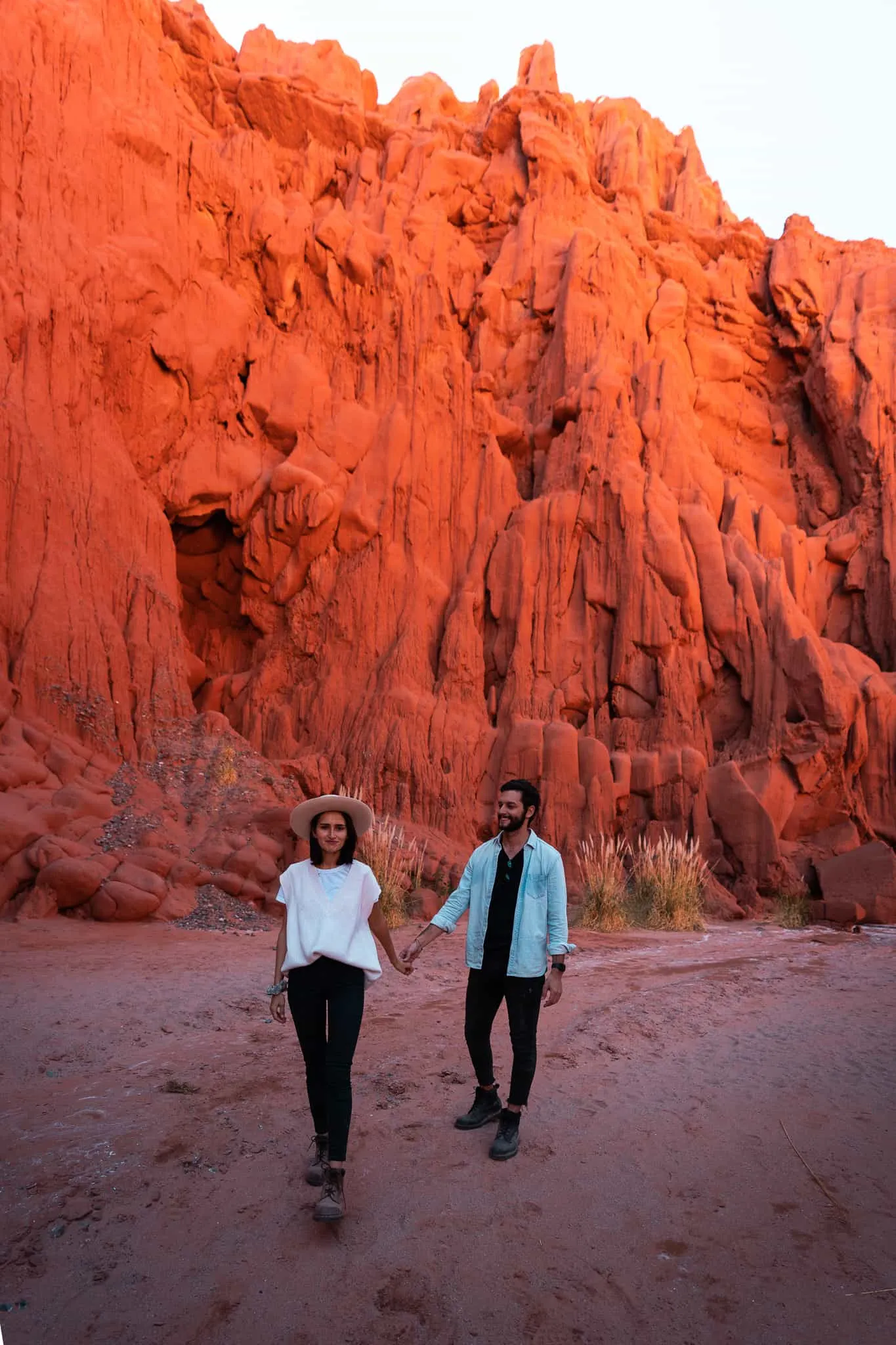
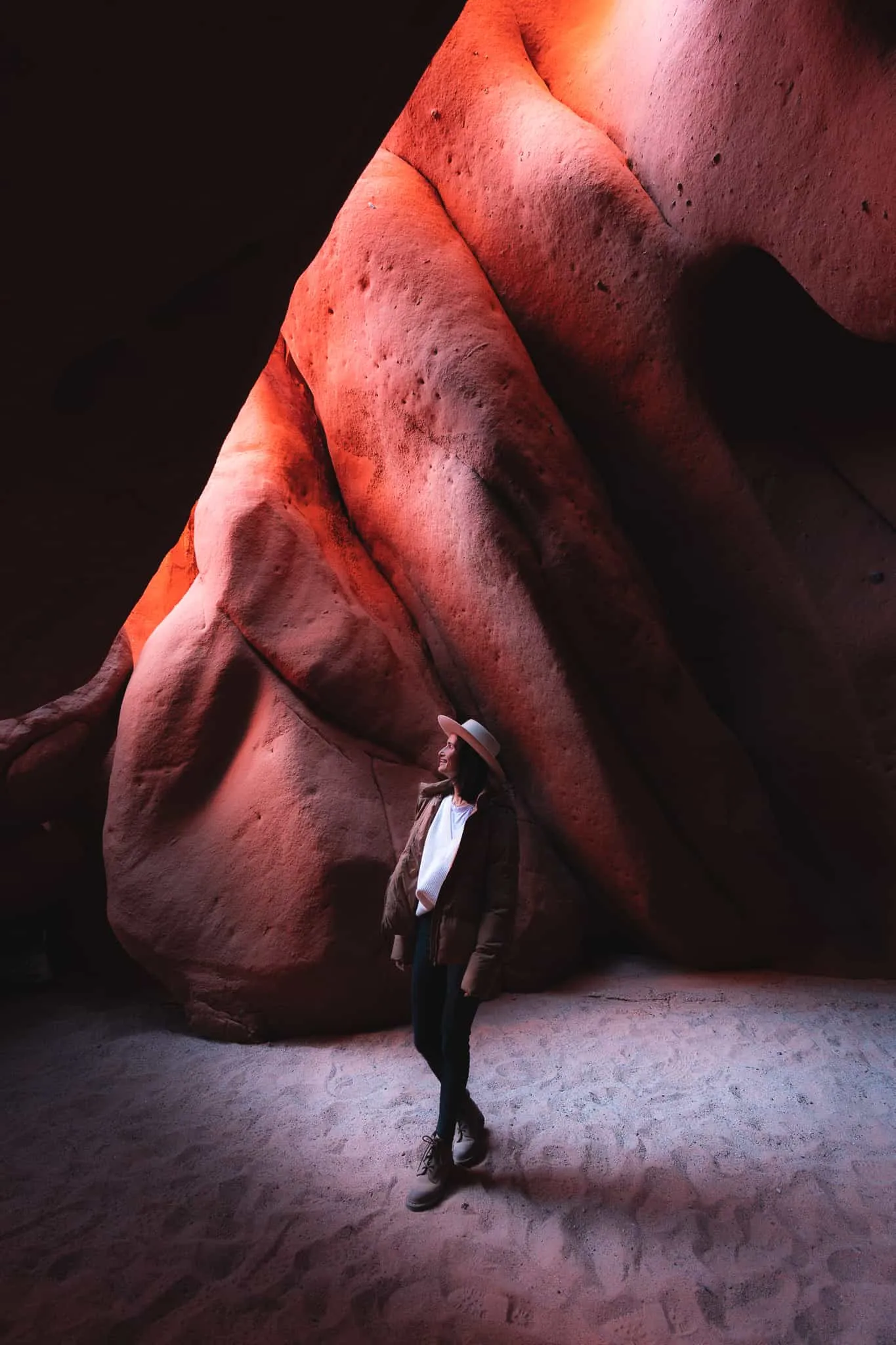
These caves are on a private estate, so you can only get in on a tour organized by the owners. The setting is completely magical: a canyon of reddish walls carved by wind and water, home to these one-of-a-kind formations that look like they're from another planet.
🔗 If you're in Cachi, you can book the tour to the Cuevas de Acsibi with transfers included.
The full experience starts in Seclantás, about 3 hours by car from Cafayate. From there you ride for an hour in a 4x4 truck to the start of the hike, which covers about 8 km (5 miles) round trip along an ancient cañadón, a dry riverbed surrounded by impressive rock formations. The walk is guided and takes about 6 hours, including a picnic-style lunch stop in a completely isolated, natural setting.
🌄 Interesting fact: These caves were part of the old Camino del Inca (Inca Road), which makes the place even more special. They say locals still dream of finding some treasure hidden in the cracks...
📝 Useful tip: It's best to book the tour in advance, since spots are limited and you can't go in on your own.
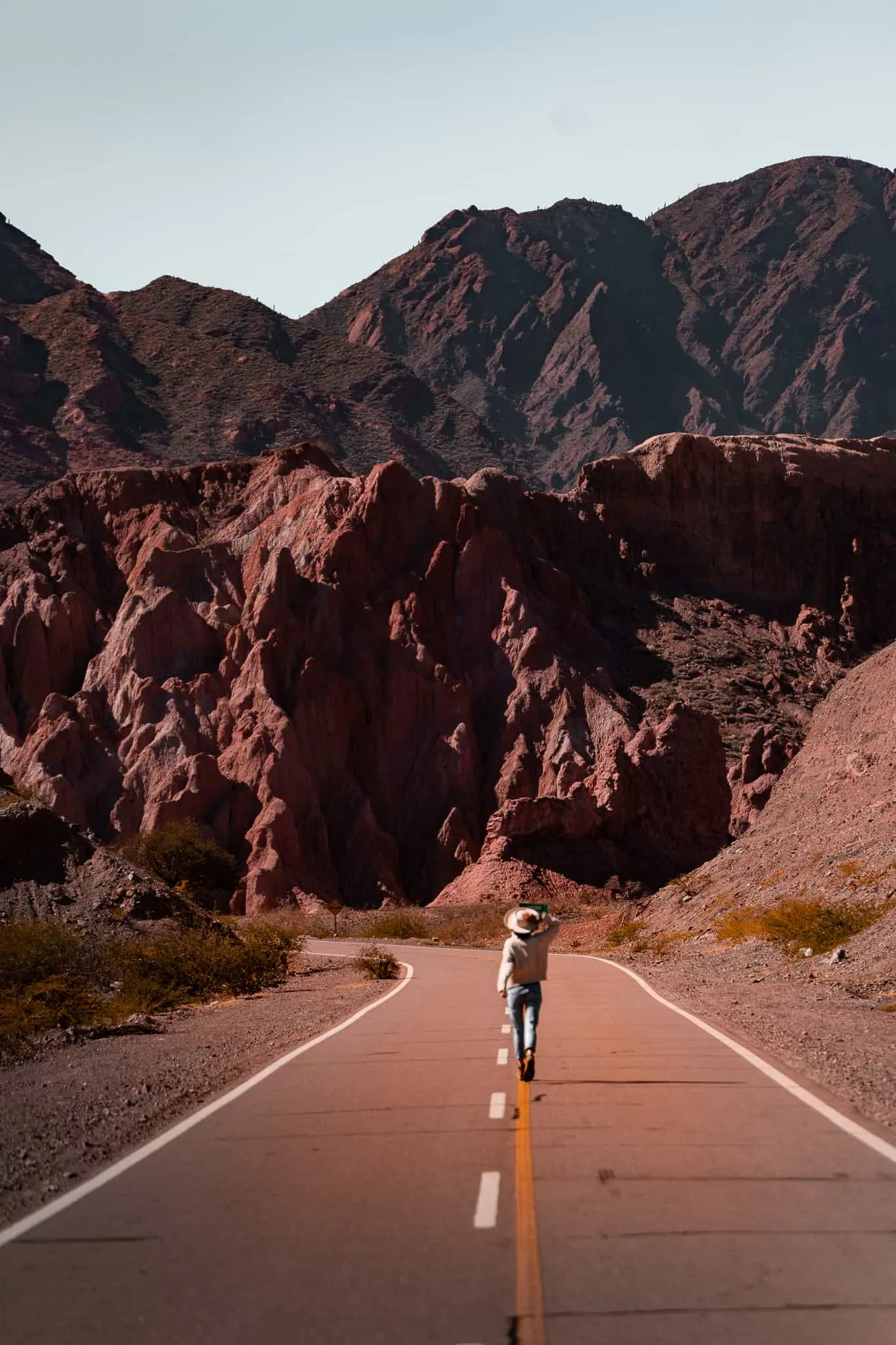
After this incredible experience, we got back on Route 40 toward Cafayate. Along the way we came across another of the great landscapes of northern Argentina: the Quebrada de las Flechas, a geological formation of gigantic pointed rocks that rise in every direction, creating a completely surreal scene.
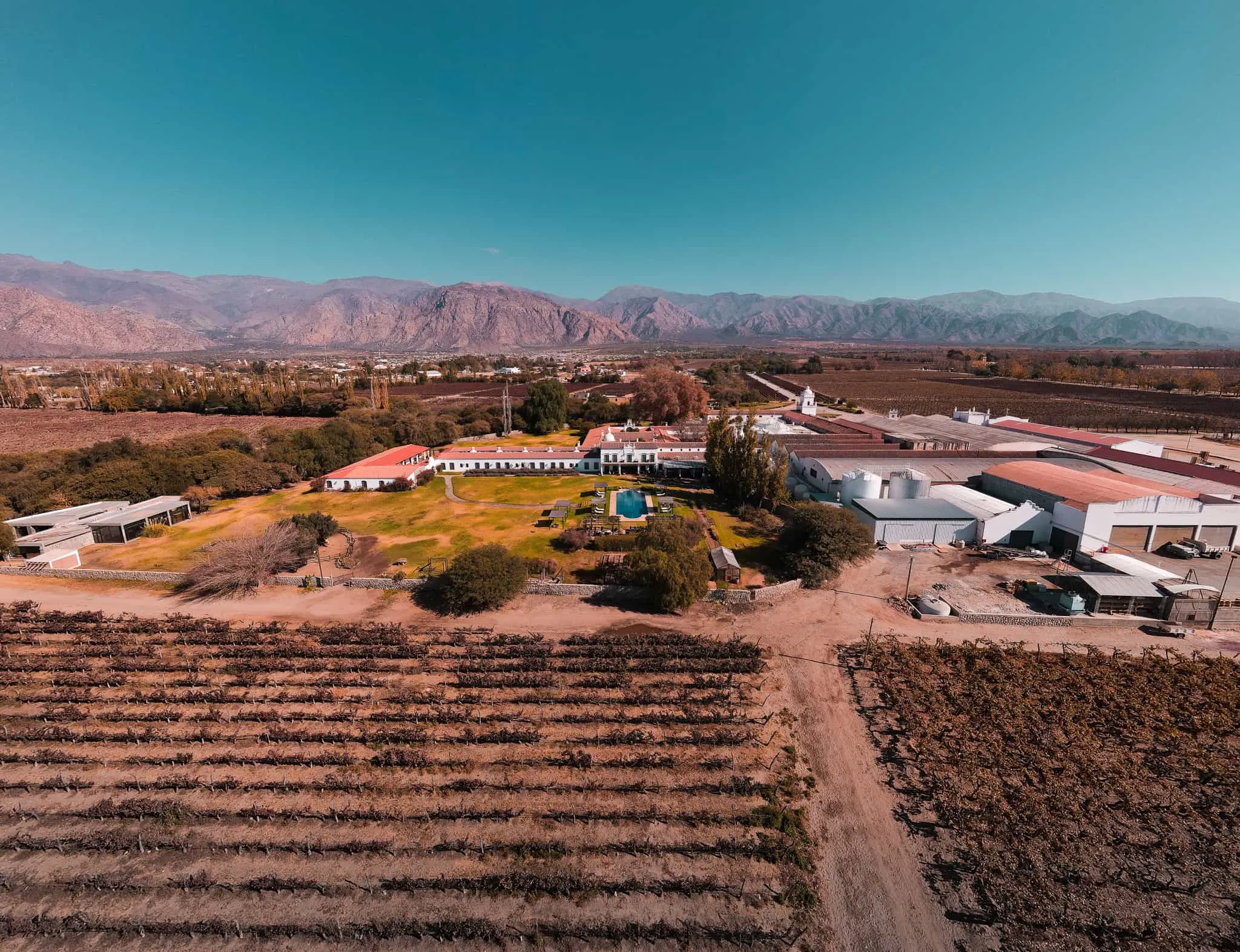
After about 1 and a half hours on the road through bends, mountains and natural beauty, we finally reached Cafayate, where we spent the night at the beautiful Hotel Patios de Cafayate, surrounded by vineyards and calm.
Day 10: Cafayate – Quebrada de las Conchas – Jujuy
After breakfast in Cafayate and a wine tasting at the famous Bodega El Esteco, we started back to Jujuy on Route 68 (Ruta 68), which runs through the famous Quebrada de las Conchas.
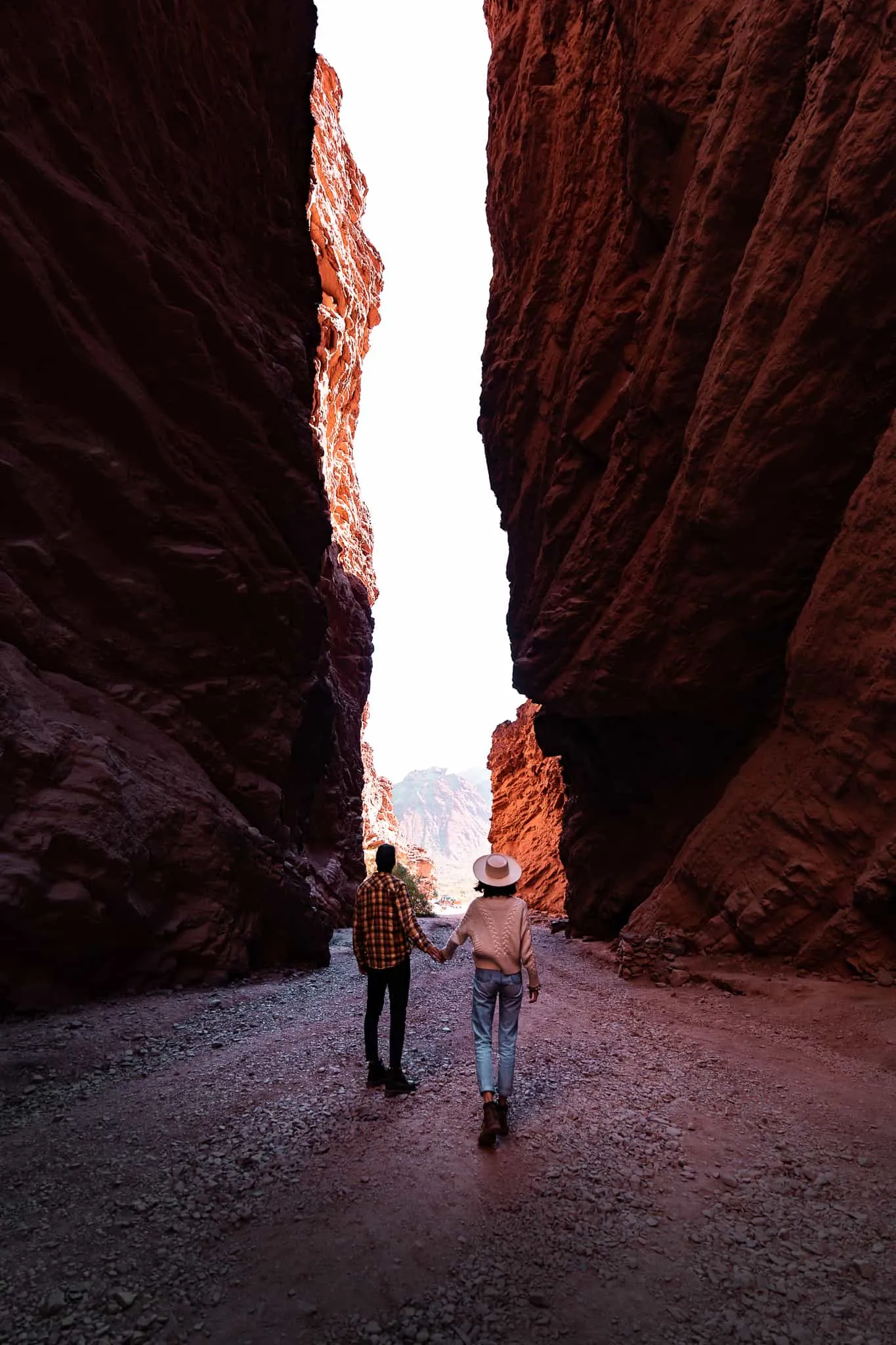
The Quebrada de las Conchas is a true natural treasure, famous for its rock formations. The gorge has a series of stops you shouldn't skip. Here are the details of the best ones:
- Garganta del Diablo: a huge crack in the rock that looks like a natural amphitheater.
- El Anfiteatro: amazing acoustics! There are often musicians playing folk music.
- La Yesera: a surprising multicolored landscape. You can do a short hike (30-40 minutes).
- Los Castillos: rock formations that look like castle walls.
- El Sapo, El Obelisco and Las Ventanas: quick but photogenic stops.
- El Fraile: a rock that looks like a human figure.
- Bridge from Wild Tales (Relatos Salvajes): the spot where one of the movie's most iconic scenes was filmed.
🔗 If you're in Salta and want to visit Cafayate, you can book this tour to take in the full splendor of the Quebrada de las Conchas.
We got to the Jujuy airport just in time to head back to Buenos Aires.

Rent your car to explore Salta and Jujuy here
Rent a car on DiscoverCars (opens in a new tab)
This is an affiliate link: if you book or buy through it, we earn a commission at no extra cost to you.
Where to stay
We found all our places to stay on Booking.
San Salvador de Jujuy: Caminos Hostal
Purmamarca: Los Colorados Cabañas Boutiques
Tilcara: Villa del Cielo
Cusi Cusi: El Rincón de Cusi Cusi
Molinos: Bodega Colomé
Cafayate: Patios de Cafayate

See all the tours you can do in Salta and Jujuy
See tours on Civitatis (opens in a new tab)
This is an affiliate link: if you book or buy through it, we earn a commission at no extra cost to you.
Where we recommend eating
San Salvador de Jujuy: Viracocha
Purmamarca: Los Morteros, La Posta and El Mesón (we didn't go, but it was recommended to us)
Tilcara: Los Puestos, Nuevo Progreso, Khuska, Sirviñacu and El Puente
Iruya: Comedor Los Cachis
Cafayate: Como en Casa and Patios de Cafayate
Molinos: Bodega Colomé

See all the places to stay in Salta
Book your stay on Booking (opens in a new tab)
This is an affiliate link: if you book or buy through it, we earn a commission at no extra cost to you.
- Did a price or a detail change? Tell us at hello@charoandmarcos.com
- Still have a question? Ask us on Instagram (opens in a new tab)

Your next step
Northwest Argentina ebook
A PDF that works offline, with itineraries and maps of Salta, Jujuy, Catamarca and La Rioja.