Sacred Valley of the Incas: What to See, How to Get There and Tips for Visiting from Cusco
We wrote this guide in Spanish and translated it with the help of AI. Leer en castellano
The Sacred Valley of the Incas is a region of the Peruvian Andes near Cusco, famous for its natural beauty, its imposing landscapes and its deep cultural legacy. The Incas considered it sacred because of its fertility and its connection to the cosmos. In this guide we tell you what to see, how to organize your visit and which towns and ruins you shouldn't miss.
This article has affiliate links: if you book or buy through them, we earn a commission at no extra cost to you.
The best time to visit the Sacred Valley of the Incas
The best time to explore the Sacred Valley is the dry season, from May to September. These months have less rain and usually clear skies, ideal for enjoying the scenery and archaeological sites. Keep in mind that June, July and August are high season, so you'll find more tourists and higher prices.
📌 If you're planning your trip, we recommend this 7-day itinerary for Cusco and the surrounding area to help you organize your days.

Travel with peace of mind with Heymondo travel insurance
Get your travel insurance on Heymondo (opens in a new tab)
This is an affiliate link: if you book or buy through it, we earn a commission at no extra cost to you.
How do you get around the Sacred Valley?
The best way to see the Sacred Valley is on an organized tour. You'll save time, and you can choose from several options depending on the sites that interest you most.
👉 See all the Sacred Valley tours here
Another option is to rent a car. It's ideal if you have time and want to go at your own pace or spend a night along the way.
👉 Look for car rental options in Cusco
You can also get around by public transportation, but that's the option we recommend least: travel times are long, with connections and limited schedules.
What to see in the Sacred Valley of the Incas
The Sacred Valley is a region full of history, imposing landscapes and towns with living traditions. There are many ways to explore it, but it's definitely worth giving it at least one full day or, if you can, spending a night in one of its towns.
1. The ruins and market of Pisac
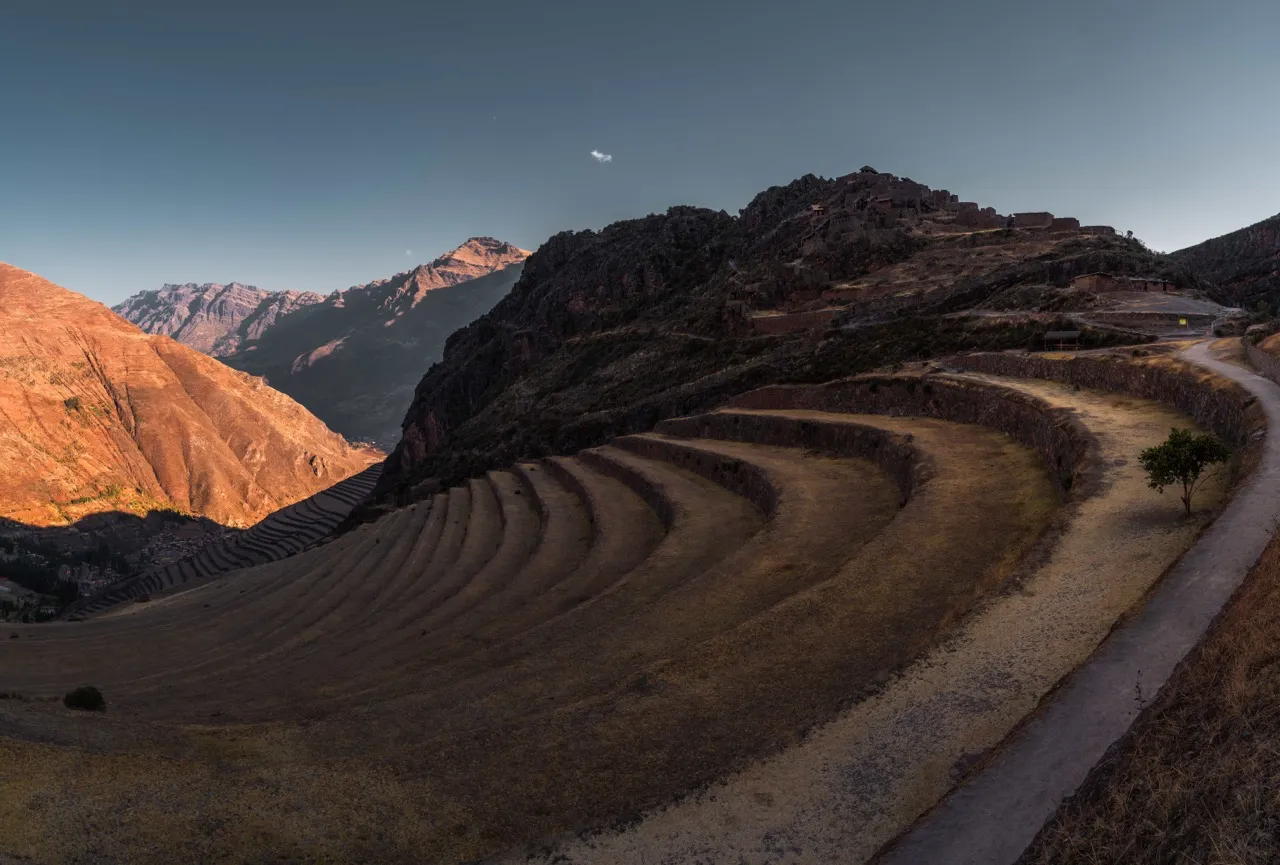
Pisac is a picturesque town, famous for the archaeological ruins on the hill above it. The ruins have farming terraces, temples, dwellings and a large cemetery with hundreds of tombs.
Pisac's market is another big draw. It runs on Sundays, Tuesdays and Thursdays and it's a great place to buy textiles and handicrafts or try local fruit.
Pisac's natural setting is impressive: it's surrounded by mountains, on the banks of the Vilcanota River.
🚗 How do you get to Pisac?
There are several ways to get there from Cusco:
- Public transportation: Buses to Pisac leave all day from Calle Puputi (a few blocks from Cusco's Plaza de Armas). It's the cheapest option, though it can take longer.
- Rental car: If you want total freedom, renting a car is a good option. The drive from Cusco to Pisac takes about 50 minutes and the road is in good condition. You can also stop along the way or spend the night in one of the valley's towns.
- Taxi: You can also take a taxi directly from Cusco. It costs more than public transportation, but it's comfortable if there are several of you. Make sure you agree on the price before you leave.
- Organized tour: The most comfortable option if you're short on time. Many agencies offer tours that cover the whole Sacred Valley in a single day and include Pisac, Ollantaytambo, Moray and more. You can choose between group tours and private ones, which are ideal if you want to go at your own pace and stop wherever you like.
👉 A very good option is this private tour from Cusco, or you can do something different, like this private day tour to the Pisac ruins and the alpaca farm, ideal if you're looking for peace and quiet, your own pace and something authentic.
2. Moray and its circular terraces
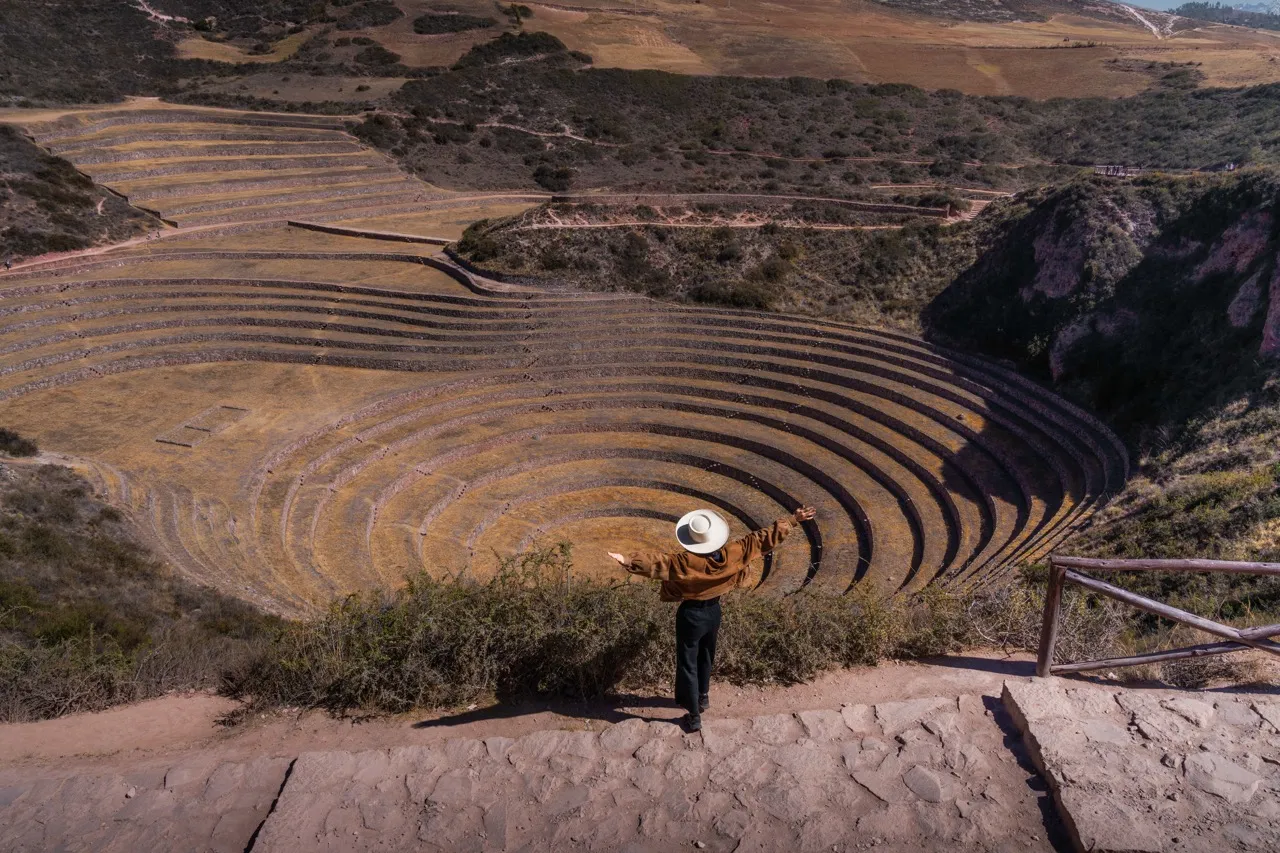
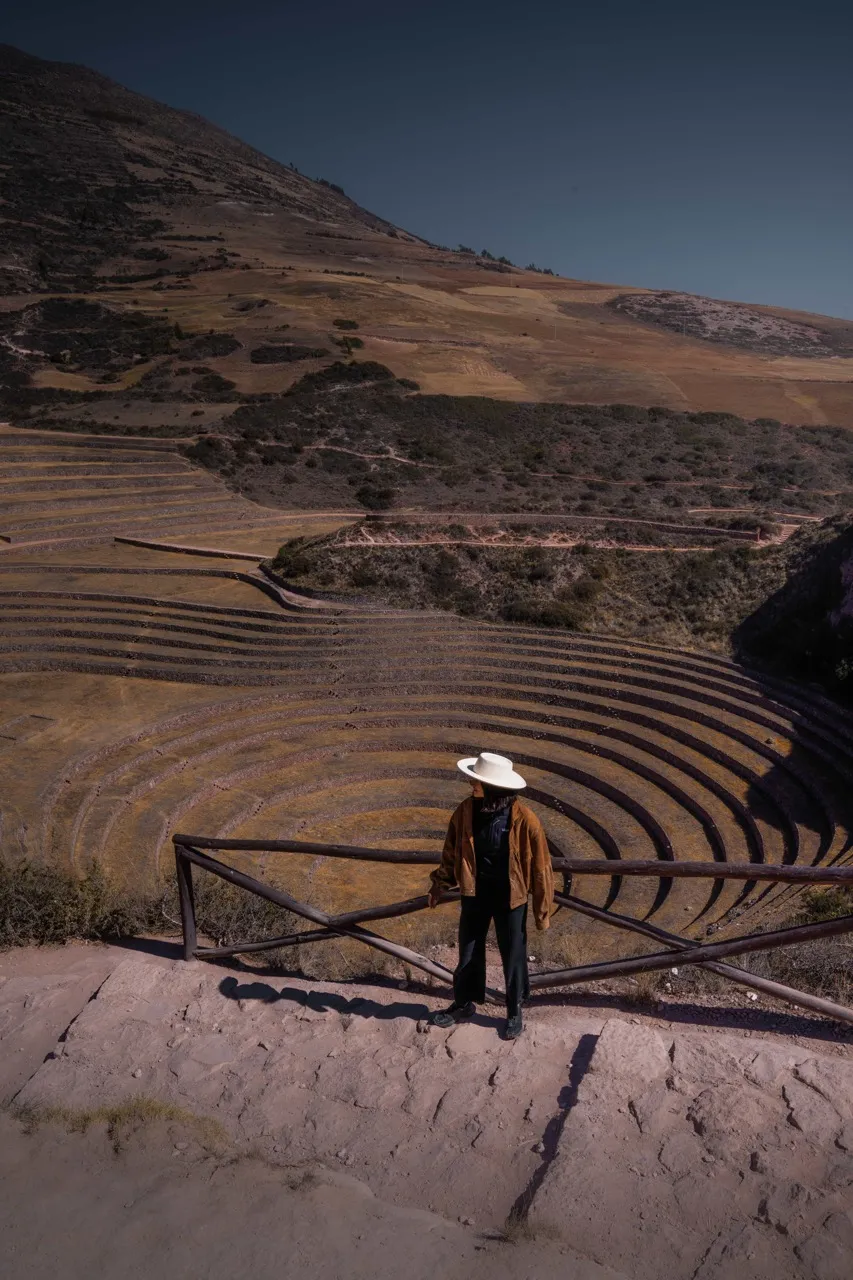
Moray is an archaeological site known for its impressive circular terraces, which look like a giant amphitheater and which the Incas used for agricultural experiments. The terraces sit in natural hollows in the ground and step down in levels with remarkable geometric precision. The temperature difference between the top and bottom of the terraces can reach 15 °C, which let the Incas simulate different climates and grow a wide variety of plants.
3. Salineras de Maras (the Maras salt pans)
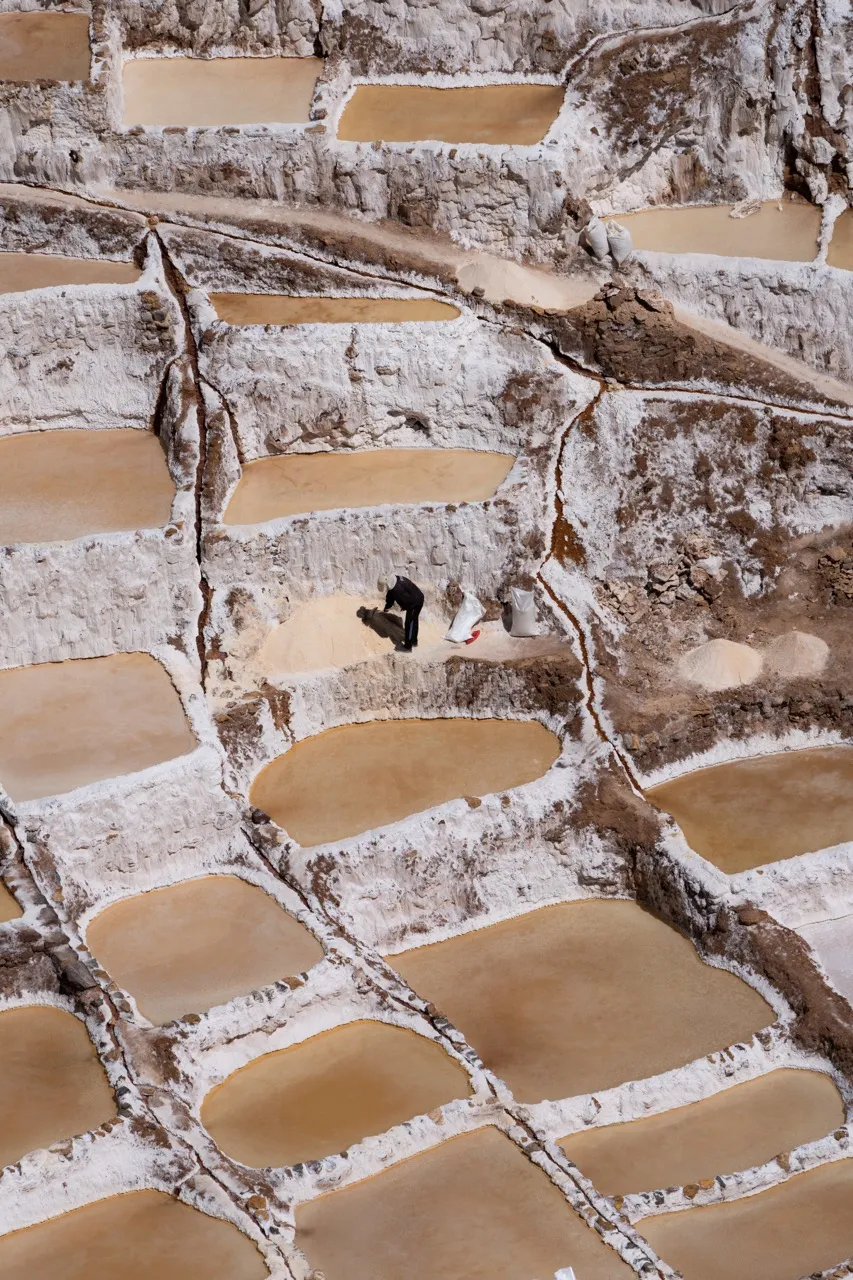
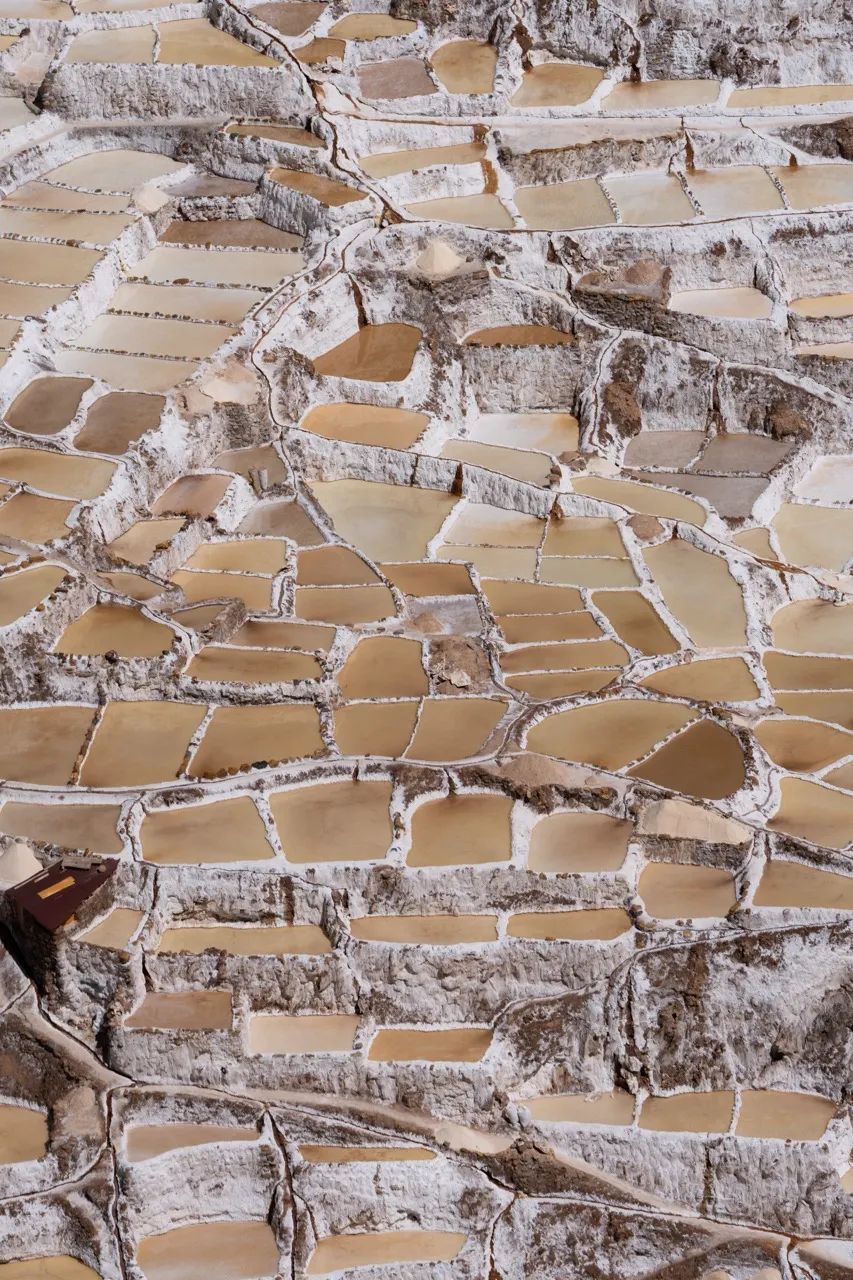
This is a group of about 3,000 small salt evaporation ponds that have been worked since pre-Inca times. An underground saltwater spring feeds them. They sit on a hillside and create a striking, bright white landscape that contrasts with the surrounding mountains.
Each pond is run by a local family who, using a traditional process, let the salt water evaporate in the sun and then collect the salt crystals left behind. This ancestral way of producing salt has stayed almost unchanged for centuries and is an important source of income for the local community.
You can buy salt right there to take home. We bought pink salt, smoked salt and some flavored ones.
🚗 How do you get to Maras and Moray on your own?
If you want to see Maras and Moray on your own without booking a tour, keep in mind it can be a bit more complicated, but it's not impossible. Here are the options:
- Public transportation + taxi:
From Cusco you can take a bus to Urubamba, which leaves every 15 minutes from Avenida Grau. Once in Urubamba, take a taxi to the town of Maras.
From there, you can:- Visit the Salineras de Maras first
- Then arrange for the same taxi to take you to Moray.
- After that, you can go back to Urubamba and catch the bus to Cusco. This option is cheap, but it takes more organizing.
- Direct taxi from Cusco:
If you'd rather avoid connections, you can take a private taxi from Cusco to Maras and Moray that waits while you look around. It costs more, but it's much more comfortable, especially if there are several of you. - Rental car:
Another option if you're looking for freedom is to rent a car in Cusco. The roads are in good condition and the drive has incredible views. - Private or group tour:
If you want to forget about all the logistics and have more freedom to explore, a private tour is best. There are also group tours by ATV or bicycle.
👉 Check out this private tour to Maras and Moray, or this option for seeing the area by bike.
4. Chinchero
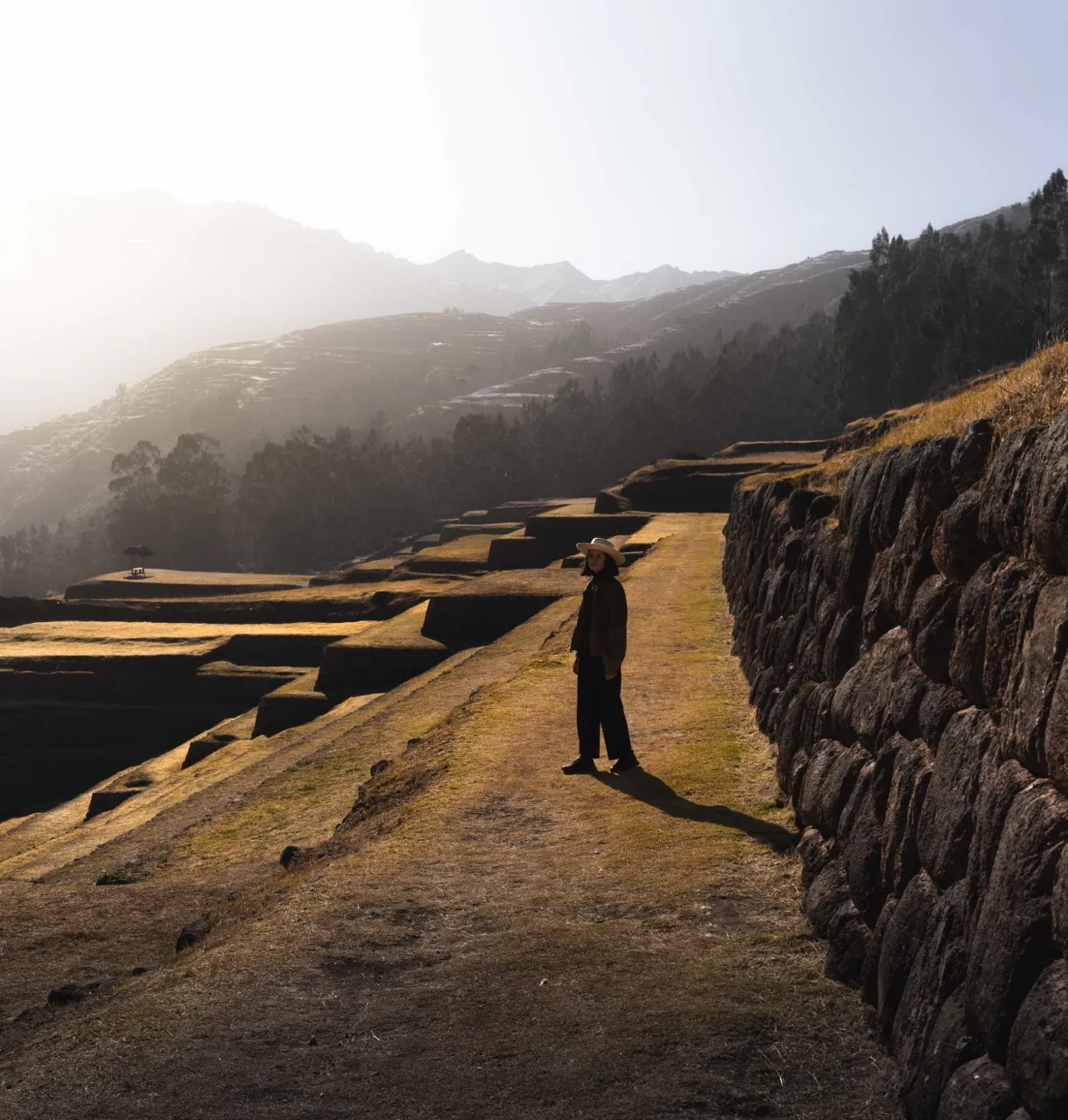
At 3,762 m (12,343 ft), Chinchero stands out for its Inca ruins, including the palace of the Inca Túpac Yupanqui and farming terraces that are still in use. The colonial church of Nuestra Señora de Monserrat, built on top of these ruins, shows the fusion of Inca and Spanish cultures.
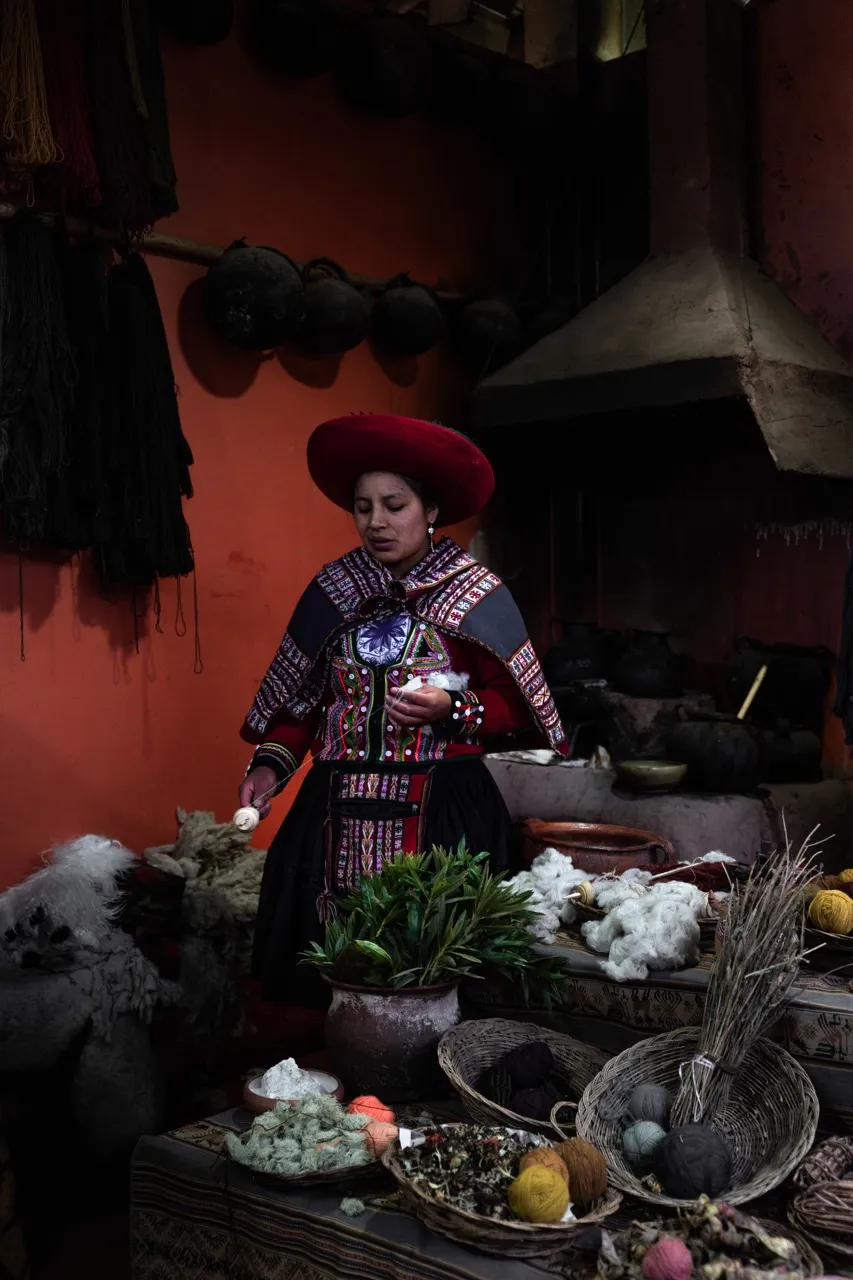
The town is also famous for its traditional textiles, made by local women who use ancestral techniques to create colorful goods from alpaca and sheep's wool. If you go on a tour, they'll probably take you to a workshop to see how the textiles are made and, while you're there, to buy a souvenir.
5. Ollantaytambo
This picturesque town, 70 km from Cusco, served as an administrative, agricultural and military center.
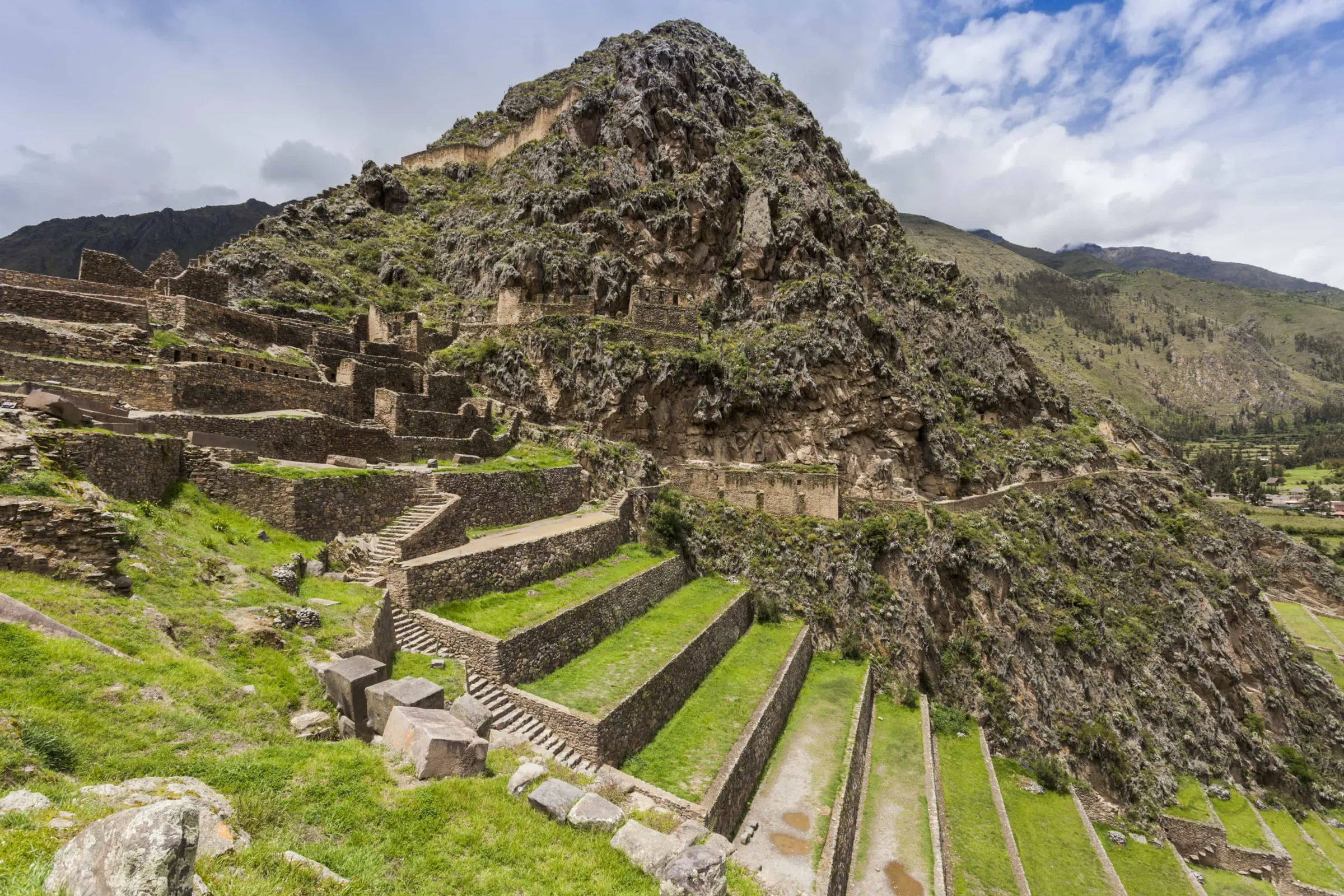
The Ollantaytambo archaeological site has towering farming terraces that climb the hillsides. At the top of the ruins is the Temple of the Sun, built from enormous, perfectly fitted stone blocks. The terraces also served as a defense, protecting the settlement from possible invaders.
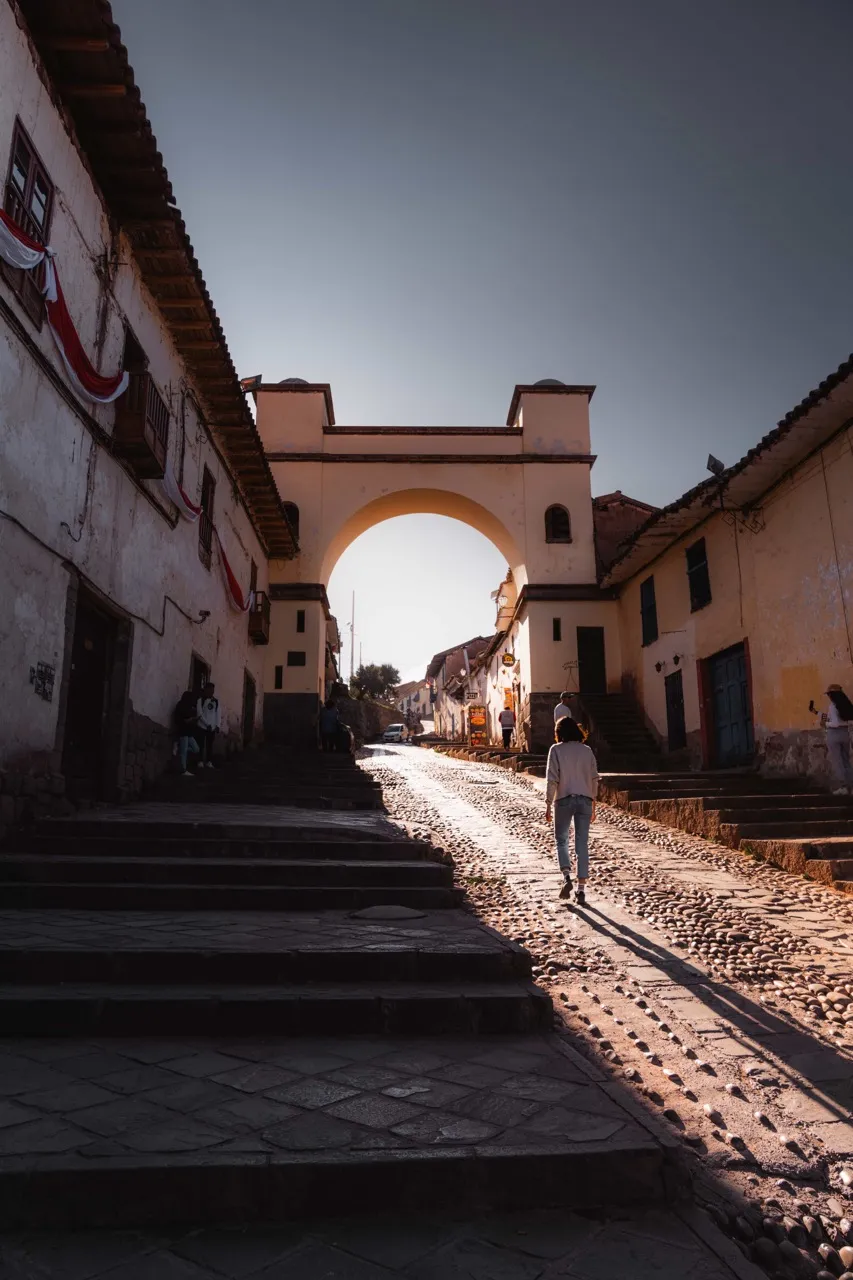
Ollantaytambo is unique as one of the few places in Peru where people still live in the original Inca structures. Its cobbled streets and water channels still reflect Inca urban design.
🚗 How do you get to Ollantaytambo?
- By train: Ollantaytambo is the only town in the Sacred Valley you can reach by train. All trains from Cusco to Machu Picchu stop here.
- By public transportation: From Cusco you can take a bus to Urubamba (they leave from Av. Grau every 15 min) and from there another one to Ollantaytambo. It's cheaper, but somewhat slower and less direct.
- By taxi: A direct taxi from Cusco is a good option if you're traveling in a group or with luggage.
- On a tour: You can also visit Ollantaytambo as part of a Sacred Valley tour and ask to be dropped off in town if your plan is to spend the night there and continue to Machu Picchu the next day.
Most trains to Machu Picchu leave from Ollantaytambo.
👉 Book your train to Machu Picchu in advance
🛏️ If you want a different kind of experience, you can also sleep in capsules hanging from the mountainside.
👉 Check out this one-of-a-kind place to stay in Ollantaytambo

See all the tours in the Sacred Valley of the Incas
See tours on Civitatis (opens in a new tab)
This is an affiliate link: if you book or buy through it, we earn a commission at no extra cost to you.
How does the Boleto Turístico (tourist ticket) work for the Sacred Valley?
One of the most important things to keep in mind when exploring the Sacred Valley is that many of its archaeological sites charge an entrance fee. To make access easier, there's the Boleto Turístico de Cusco (BTC), a tourist ticket that gets you into several sites with a single purchase.
🔹 Boleto Turístico Integral (General ticket)
This is the most complete option. It's valid for 10 days and lets you visit 16 sites, including archaeological sites, museums and cultural centers, in Cusco, the Sacred Valley and the South Valley.
It includes places like:
- In Cusco: Sacsayhuamán, Qenqo, Puka Pukara, Tambomachay, Museo de Arte Contemporáneo, Museo Histórico Regional, Qoricancha, Monumento a Pachacútec and others.
- In the Sacred Valley: Pisac, Ollantaytambo, Chinchero and Moray.
- In the South Valley: Tipón and Piquillacta.
Updated prices (in Peruvian soles):
- Foreign adults: S/ 130
- Peruvians: S/ 70
- Students and minors: reduced price with a student card or ID.
🔸 Boleto Turístico Parcial (Partial ticket)
If you don't want to visit everything or you're short on time, there are three partial ticket options, valid for 1 or 2 days depending on the circuit:
- Circuit 1 (Sacsayhuamán and the outskirts of Cusco)
Includes: Sacsayhuamán, Qenqo, Puka Pukara and Tambomachay. - Circuit 2 (Cusco museums + South Valley)
Includes: Museo de Arte Contemporáneo, Museo Histórico Regional, Monumento a Pachacútec, Museo de Sitio de Qoricancha, Tipón and Piquillacta. - Circuit 3 (Sacred Valley of the Incas)
Includes: Pisac, Ollantaytambo, Chinchero and Moray.
Price:
- Foreign adults: S/ 70
- Peruvians: S/ 40
🛒 Where can you buy the Boleto Turístico?
You can buy it at:
- The ticket offices of the archaeological sites it covers.
- The COSITUC office in Cusco (Av. El Sol 103, Galerías Turísticas).
- Some authorized tour agencies.
⛔ Important: You can't buy the ticket online, and it doesn't include entry to Machu Picchu or the Salineras de Maras (those are paid for separately).
Frequently asked questions about the Sacred Valley of the Incas
📍 Where is the Sacred Valley of the Incas?
The Sacred Valley of the Incas is in the Peruvian Andes, about 15 km from the city of Cusco. It covers a large area that includes towns like Pisac, Urubamba, Chinchero, Maras, Moray and Ollantaytambo, among others.
🏛️ What does the Sacred Valley include?
The Sacred Valley includes a series of Inca archaeological sites, colonial towns, farming terraces, traditional markets and spectacular mountain scenery. It's a key region for understanding the history and worldview of the Inca Empire.
💰 How much is the entrance fee for the Sacred Valley?
To visit the Sacred Valley's archaeological sites you'll need the Boleto Turístico de Cusco (BTC). There are two types:
- Partial BTC (Sacred Valley circuit): costs S/ 70 and is valid for 2 days. It includes Pisac, Ollantaytambo, Chinchero and Moray.
- General BTC: costs S/ 130 and is valid for 10 days. It also includes sites in Cusco and the South Valley.
💡 The Salineras de Maras have a separate entrance fee (S/ 10 per person), since they aren't included in the tourist ticket.
👀 What should you see in the Sacred Valley of the Incas?
The highlights include:
- The ruins and market of Pisac
- The circular terraces of Moray
- The Salineras de Maras
- Chinchero, a town known for its textiles and archaeology
- The archaeological site of Ollantaytambo
You can visit them all in a single day on a tour, or take more time and see them on your own.
🚐 Is it better to visit the Sacred Valley on a tour or on your own?
It depends on your travel style. If you're short on time, a tour is the most comfortable and efficient. If you'd rather go at your own pace, you can also rent a car or combine public transportation, though you'll need to do more organizing.

Stay connected with a Holafly eSIM
Get an eSIM on Holafly (opens in a new tab)
This is an affiliate link: if you book or buy through it, we earn a commission at no extra cost to you.
- Did a price or a detail change? Tell us at hello@charoandmarcos.com
- Still have a question? Ask us on Instagram (opens in a new tab)

Your next step
Cusco in 7 Days: A Full Day-by-Day Itinerary + Tips
Cusco, known as the capital of the Inca Empire, was the heart of Inca civilization and still preserves many traces of its glorious past…