Cusco in 7 Days: A Full Day-by-Day Itinerary + Tips
We wrote this guide in Spanish and translated it with the help of AI. Leer en castellano
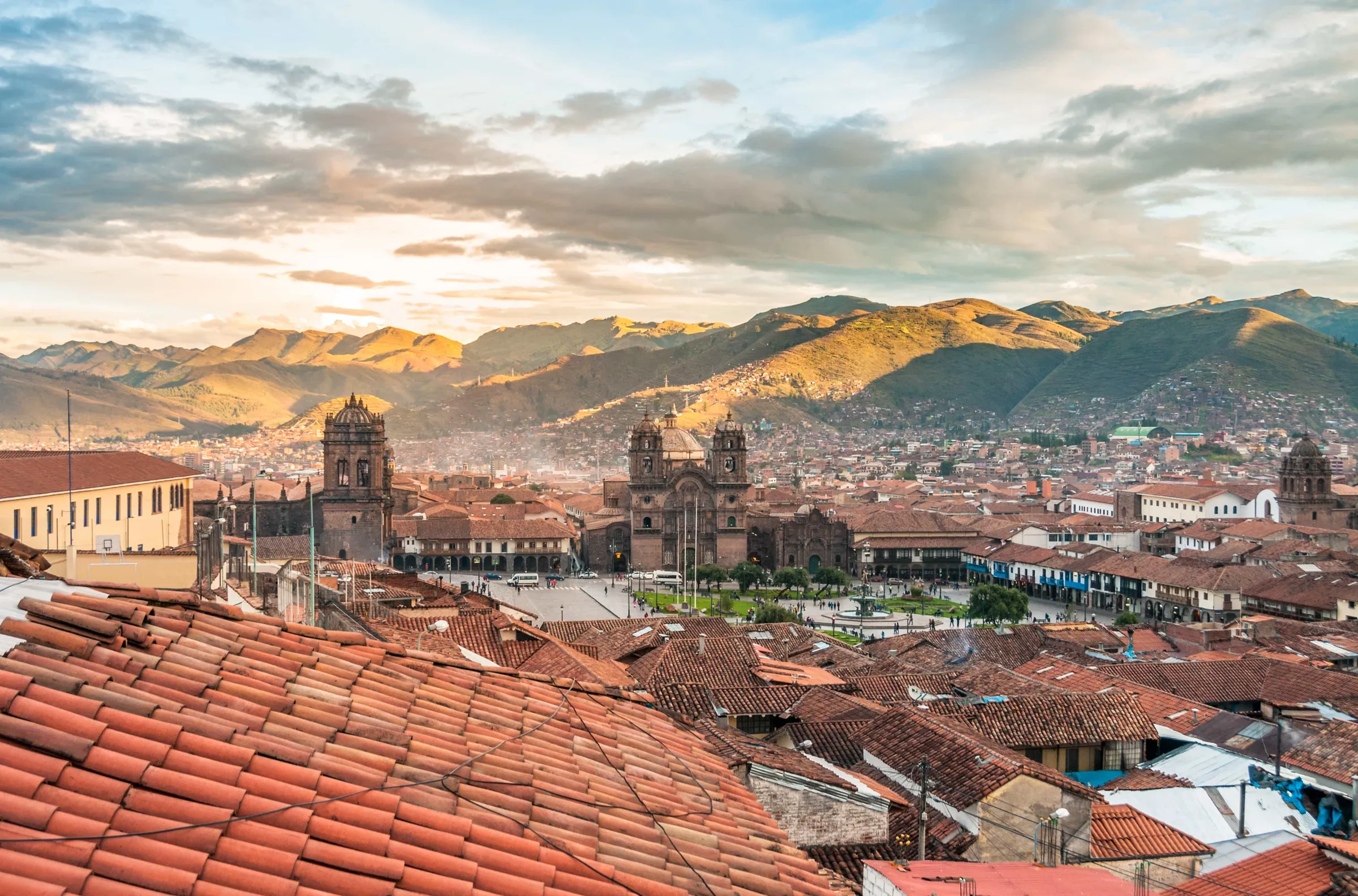
Cusco, known as the capital of the Inca Empire, was the heart of Inca civilization and still preserves many traces of its glorious past. High in the Peruvian Andes, Cusco is much more than the starting point for Machu Picchu: it's history, culture and nature at their finest. If you're planning a vacation in Cusco, in this post we share a 7-day itinerary with daily activities and practical tips so you can make the most of your trip.
This article has affiliate links: if you book or buy through them, we earn a commission at no extra cost to you.
When is the best time to travel to Cusco?
The best time to visit Cusco is the dry season, between May and September. June, July and August are the most popular months and also the most expensive. If you want to avoid crowds and high prices, it's best to go in May or September.

Travel with peace of mind with Heymondo travel insurance
Get your travel insurance on Heymondo (opens in a new tab)
This is an affiliate link: if you book or buy through it, we earn a commission at no extra cost to you.
How to get to Cusco
You can easily fly to Cusco from other cities in Peru. The airport is close to downtown, and low-cost airlines like JetSmart have flights from US$50 if you book in advance.
Another option is to come by bus. We did all our trips by bus with Cruz del Sur, which has good service and several departure times and lets you change your ticket if your plans change at the last minute.
7-day Cusco itinerary
Planning a 7-day itinerary in Cusco isn't easy, as we mentioned in our guide to things to do in Cusco. We spent two weeks there and still left things undone. This guide will help you organize your days according to your preferences, budget and travel pace. Take note of everything you can do in Cusco in 7 days!
Day 1. Cusco city
It's your first day at 3,500 m (11,483 ft), so we recommend taking it easy until your body adjusts to the altitude. You can start the morning walking around the Plaza de Armas, go up Calle Loreto to see the 12-angled stone and have lunch in the San Blas neighborhood. Then enjoy a coffee on a balcony, like the one at L’atelier Café Concept, and take a stroll through the Mercado de San Pedro.
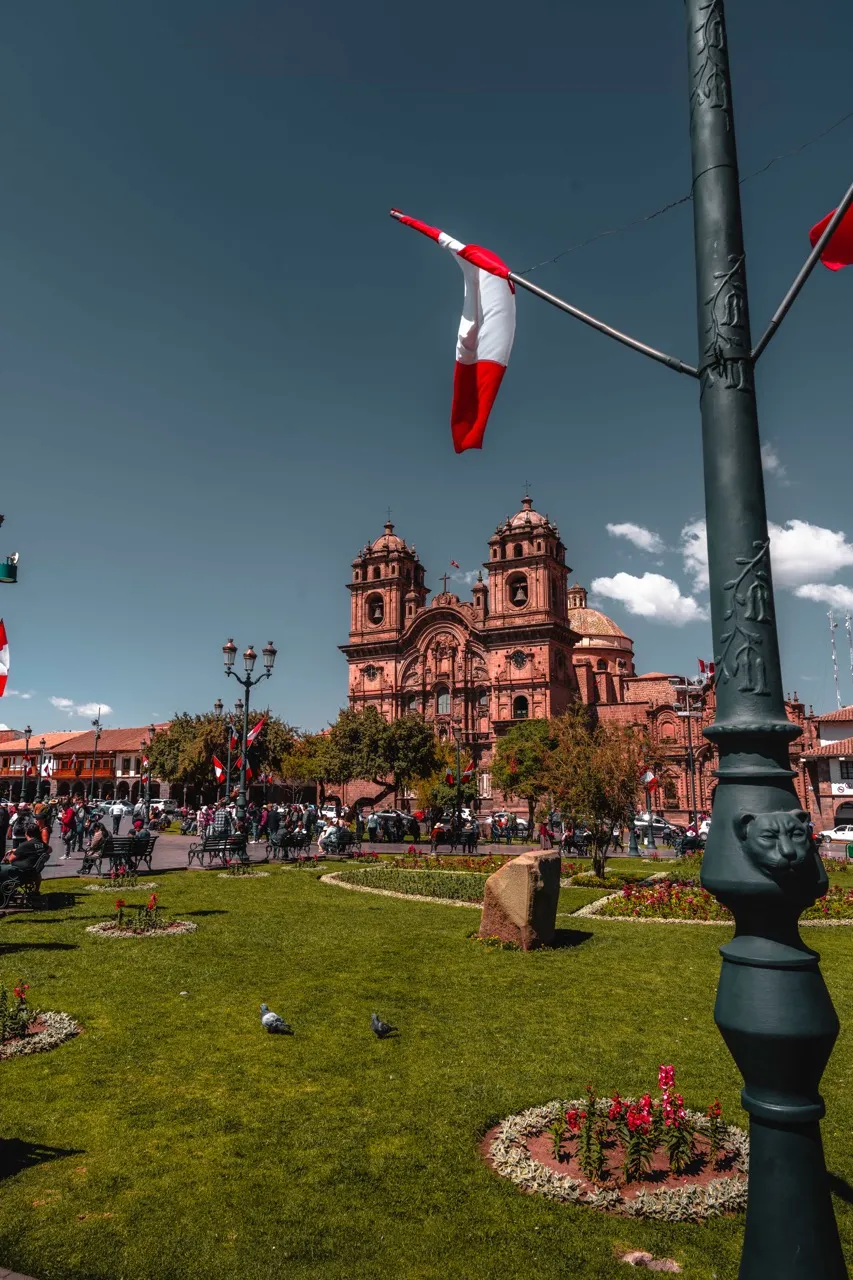
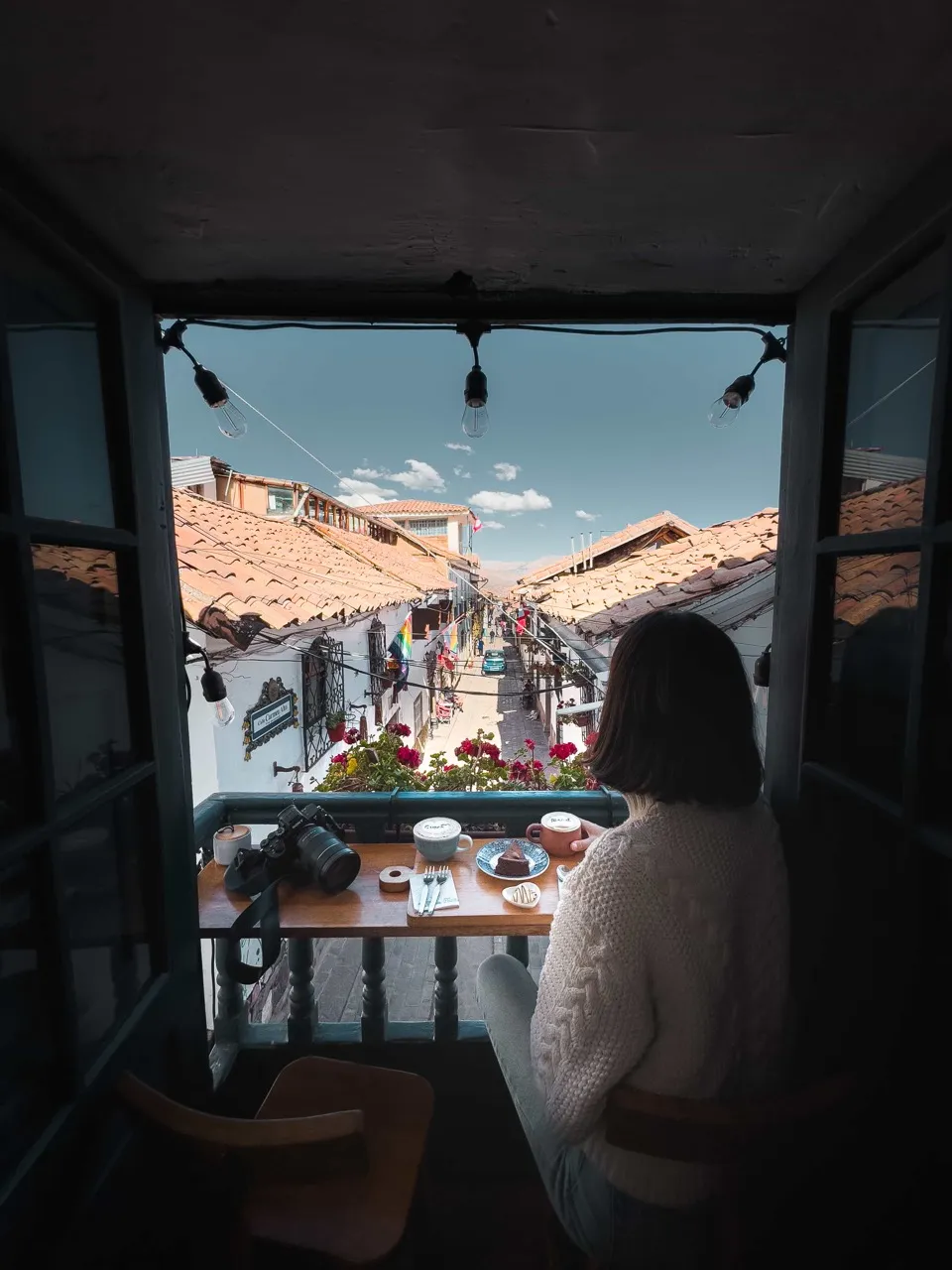
Day 2. Sacred Valley of the Incas
This is a geographically and culturally significant region of the Peruvian Andes. At the height of the Inca Empire, the valley was considered sacred because of its exceptional fertility, its striking landscapes and its strategic importance. Highlights include the market and archaeological site of Pisac, Ollantaytambo and Chinchero, among others.
Tip: Many agencies offer a tour of the Sacred Valley of the Incas together with Maras and Moray in one day. That's a good option if you don't have enough time, but if you do, we recommend doing them separately. If you do it all on the same day, you end up exhausted and overwhelmed by so much information.
In the afternoon you can head to a viewpoint, for example:
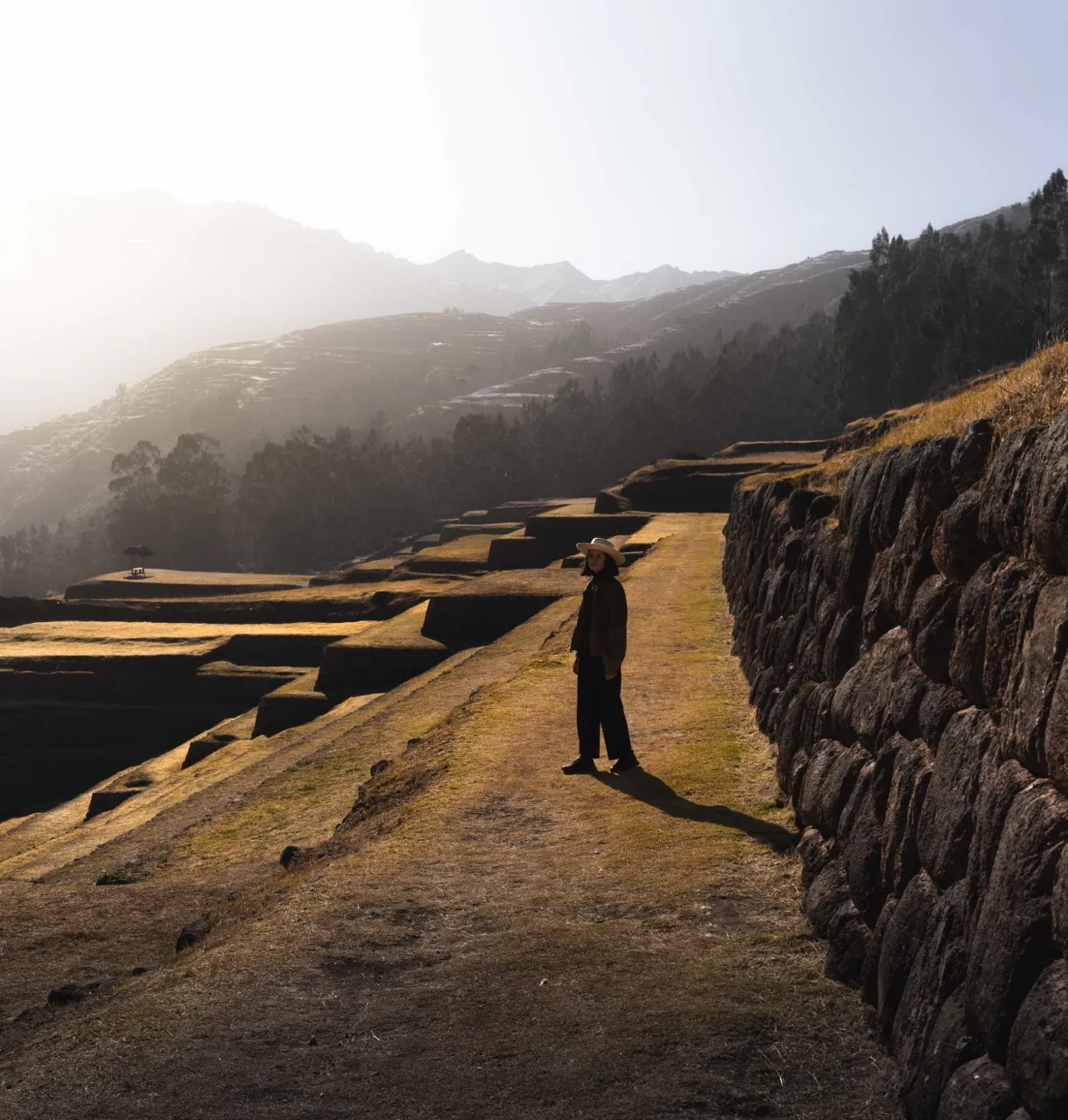
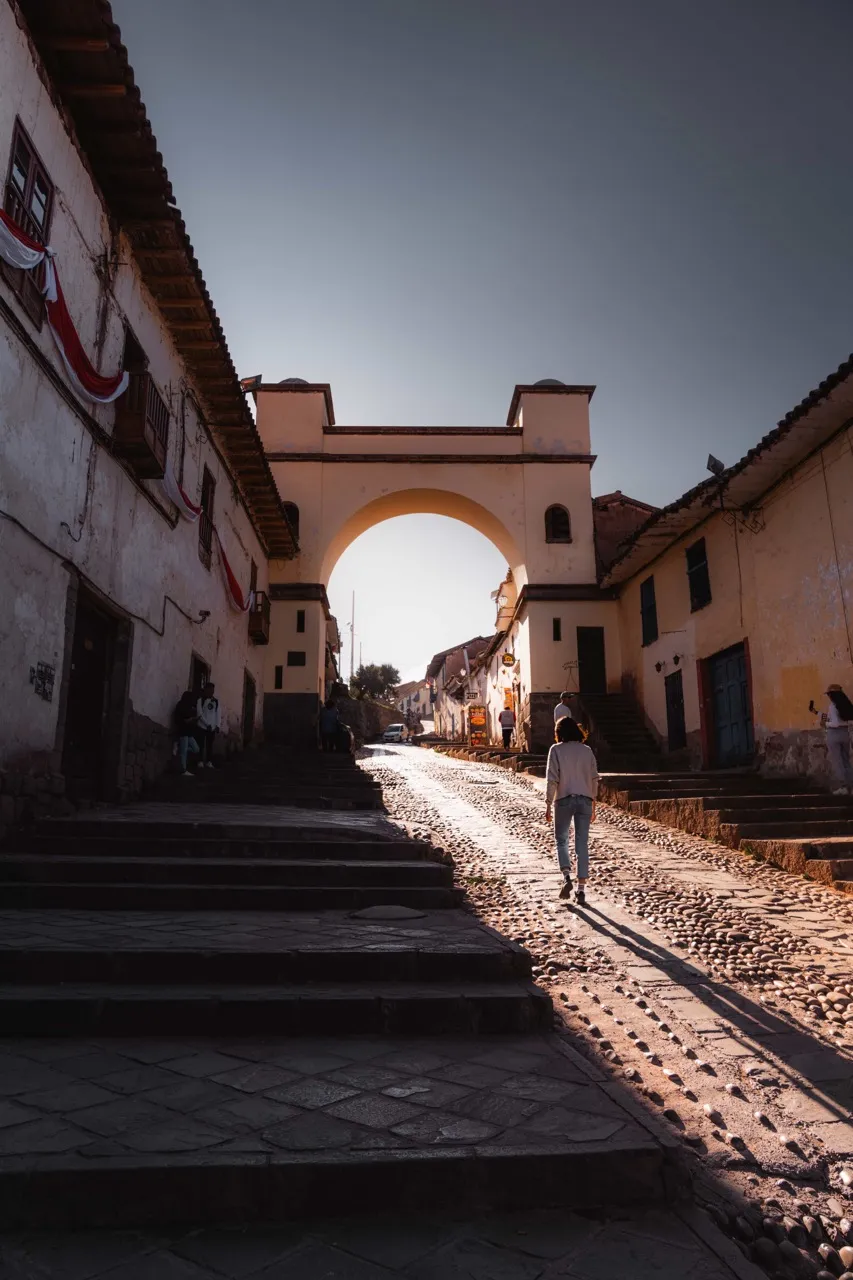
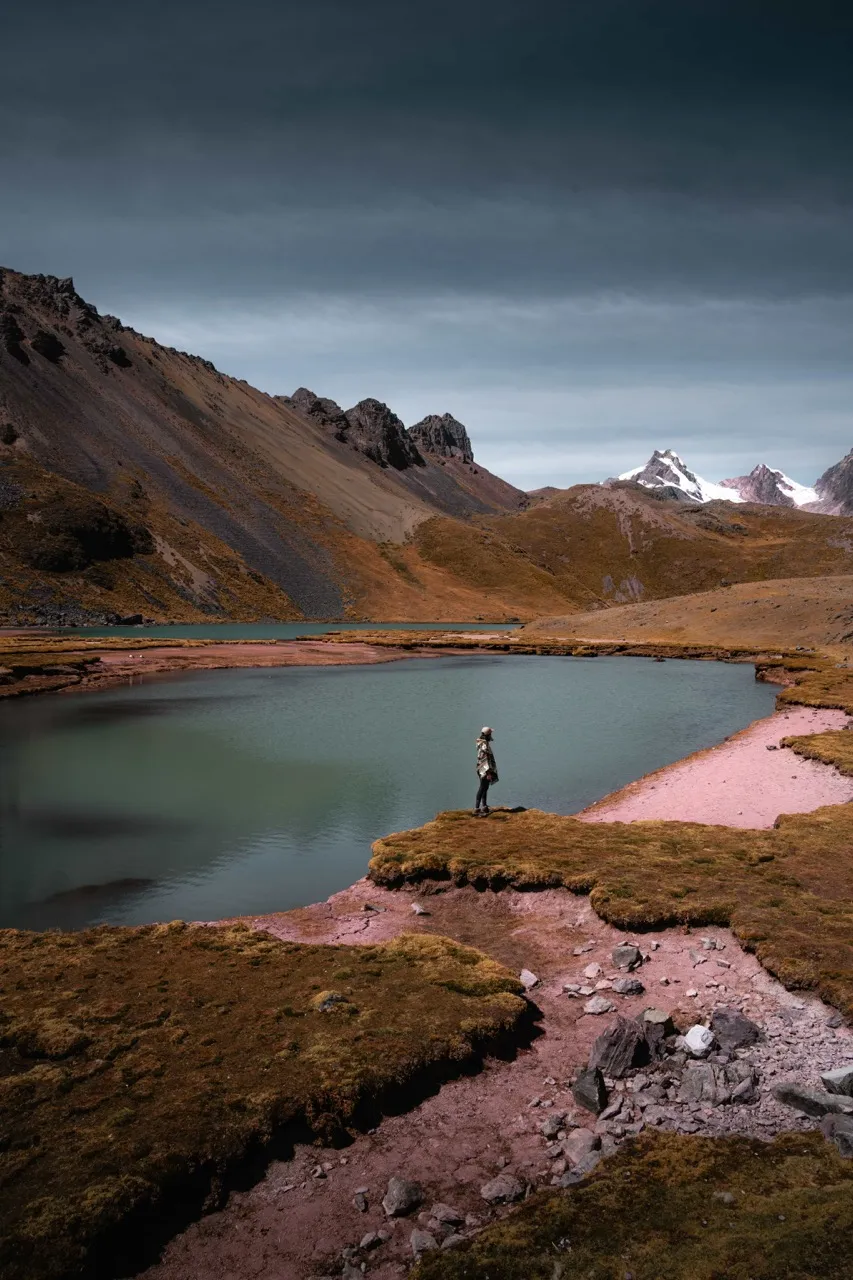
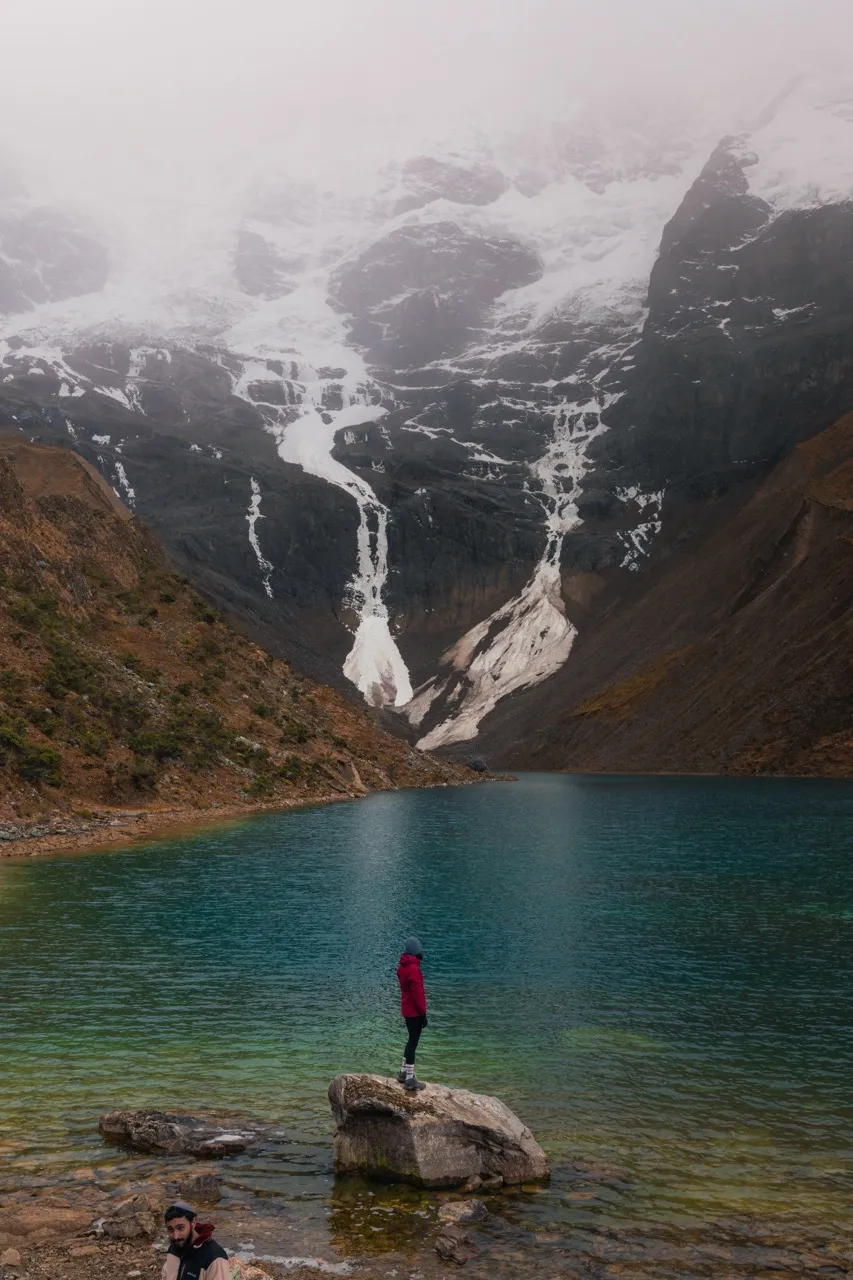
Day 3. Hike to Laguna Humantay or the 7 Lakes of Ausangate
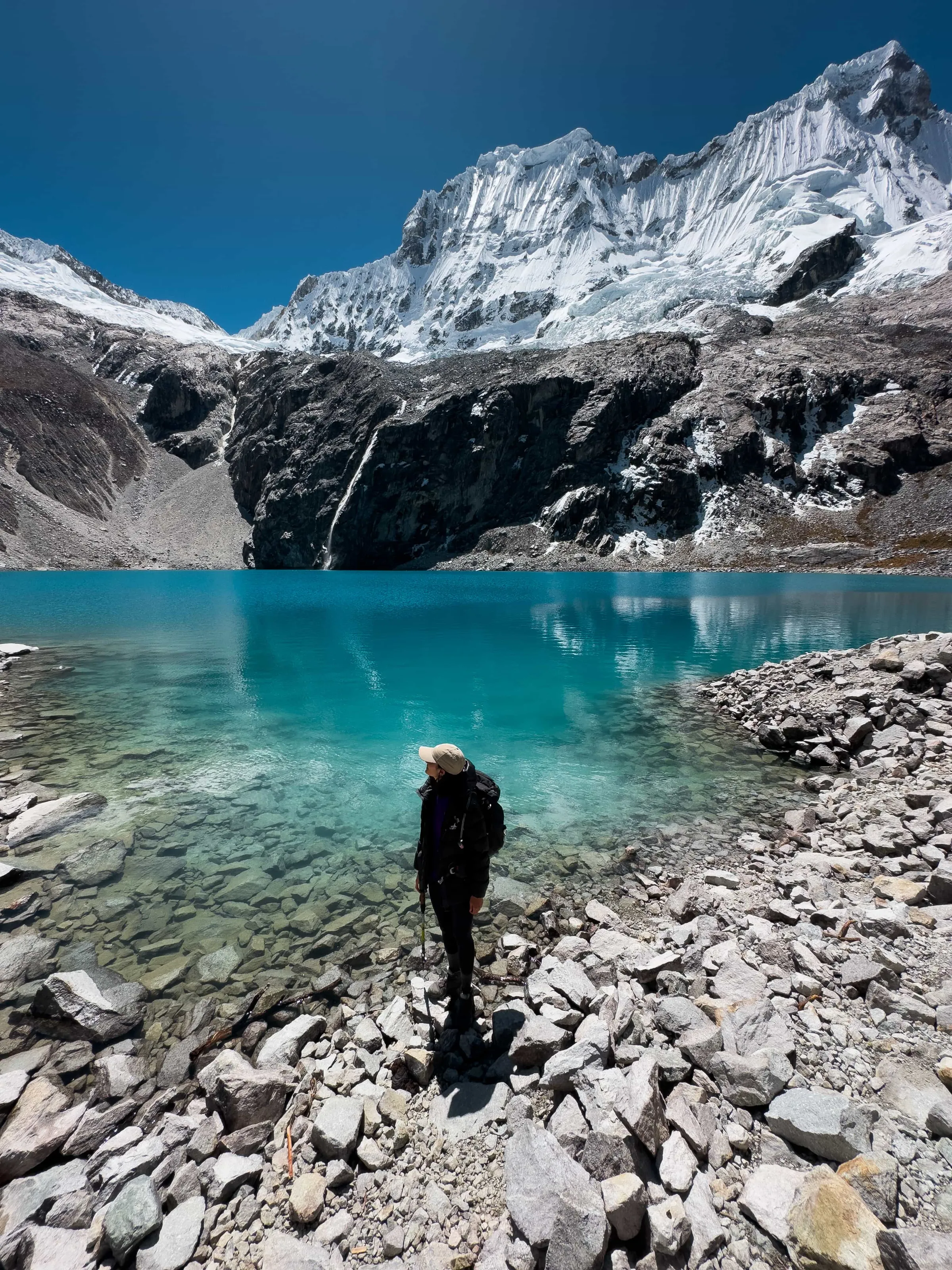
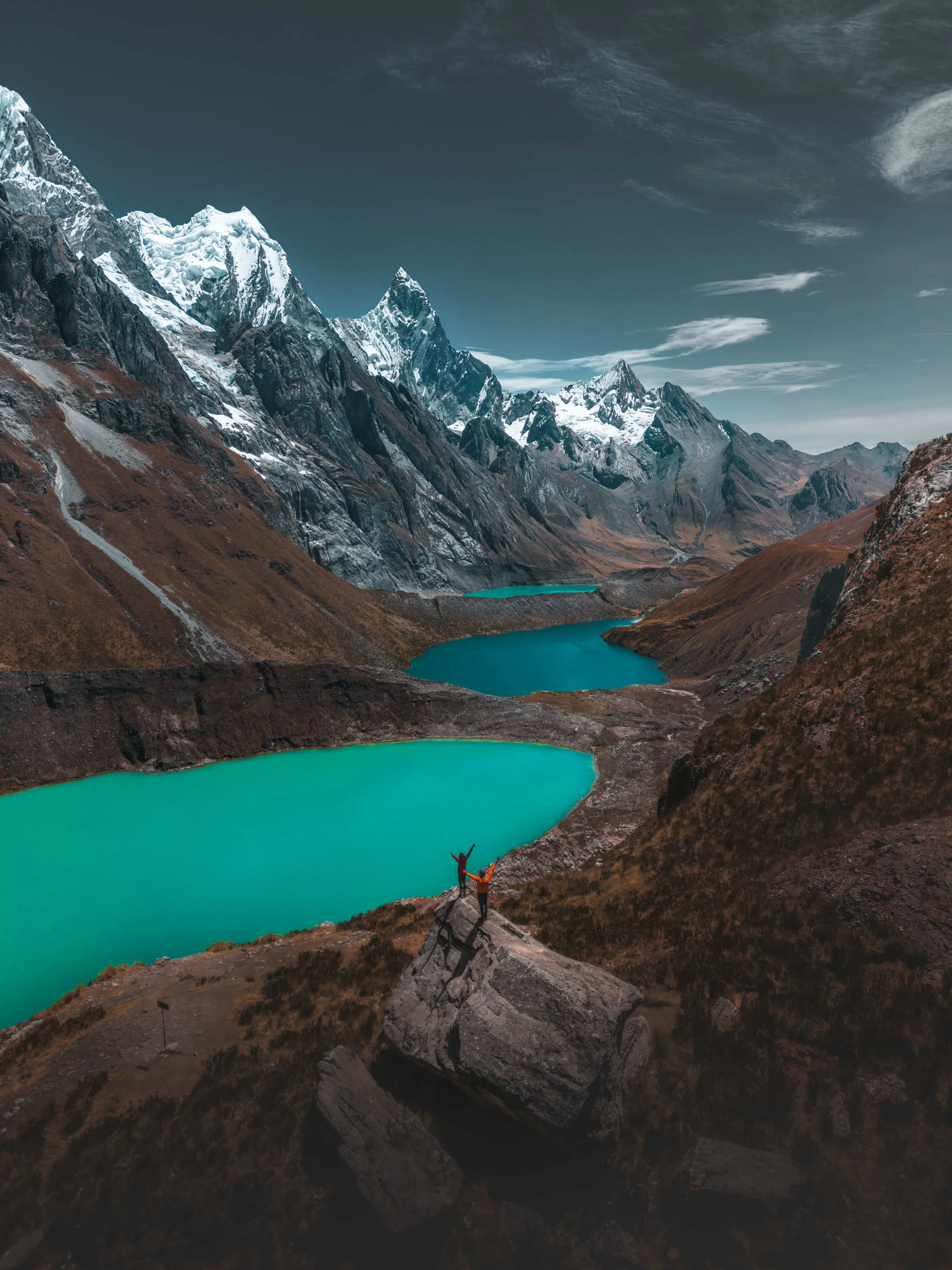
By day 3 you'll probably be better acclimatized and can do one of the incredible hikes around Cusco. We recommend starting with an “easygoing” one, like the hike to Laguna Humantay, or a slightly longer one, like the hike to the 7 Lakes of Ausangate.
Here's a full post on the Laguna Humantay hike and another on the 7 Lakes of Ausangate.
Day 4. Tour of the 4 ruins
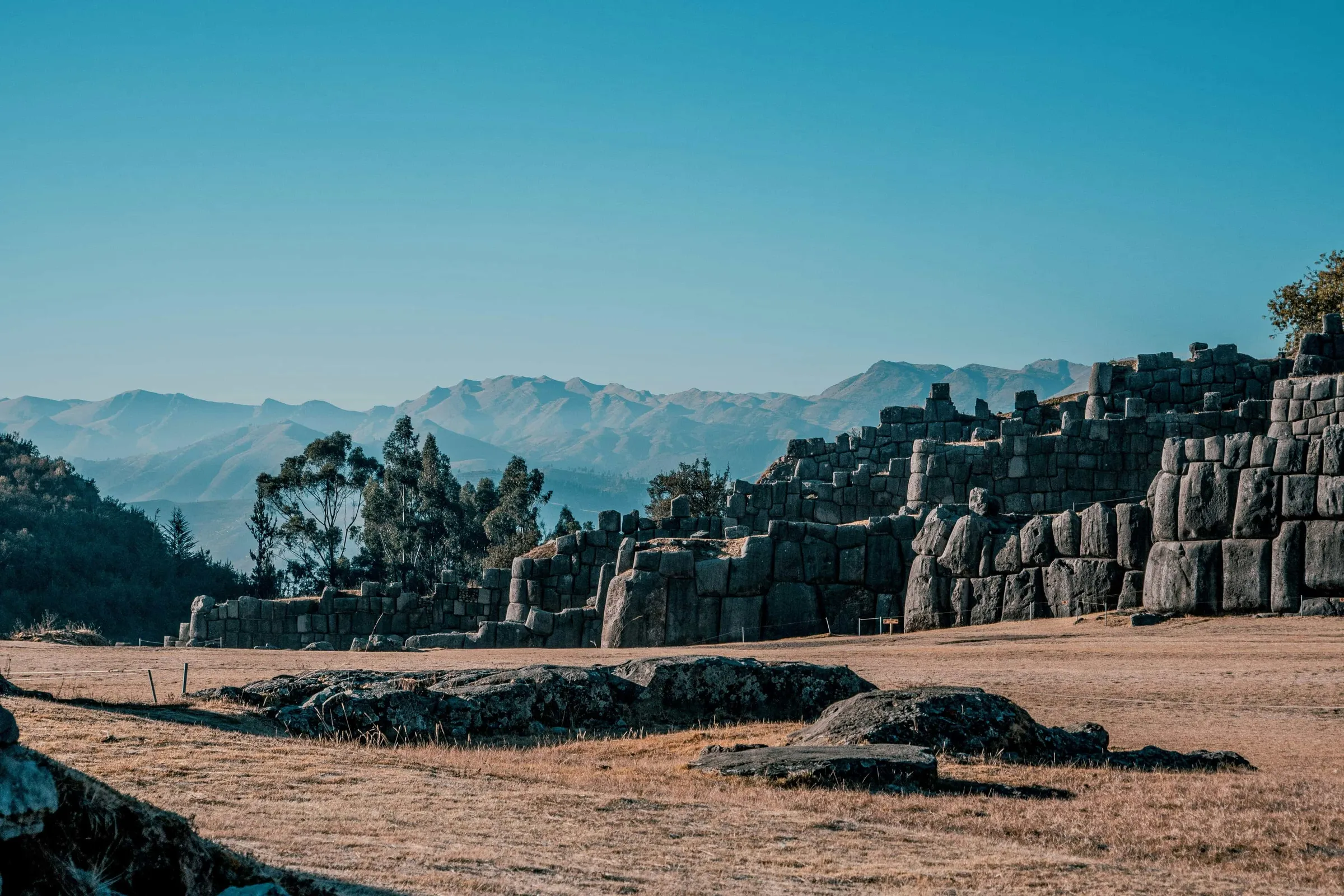
Today you can see the main ruins near the city on a guided tour of the 4 ruins. The route includes Qoricancha, Sacsayhuamán, Tambomachay, Qenqo and Puka Pukara. It's a quieter day, ideal after the previous day's hike.
Day 5. Machu Picchu
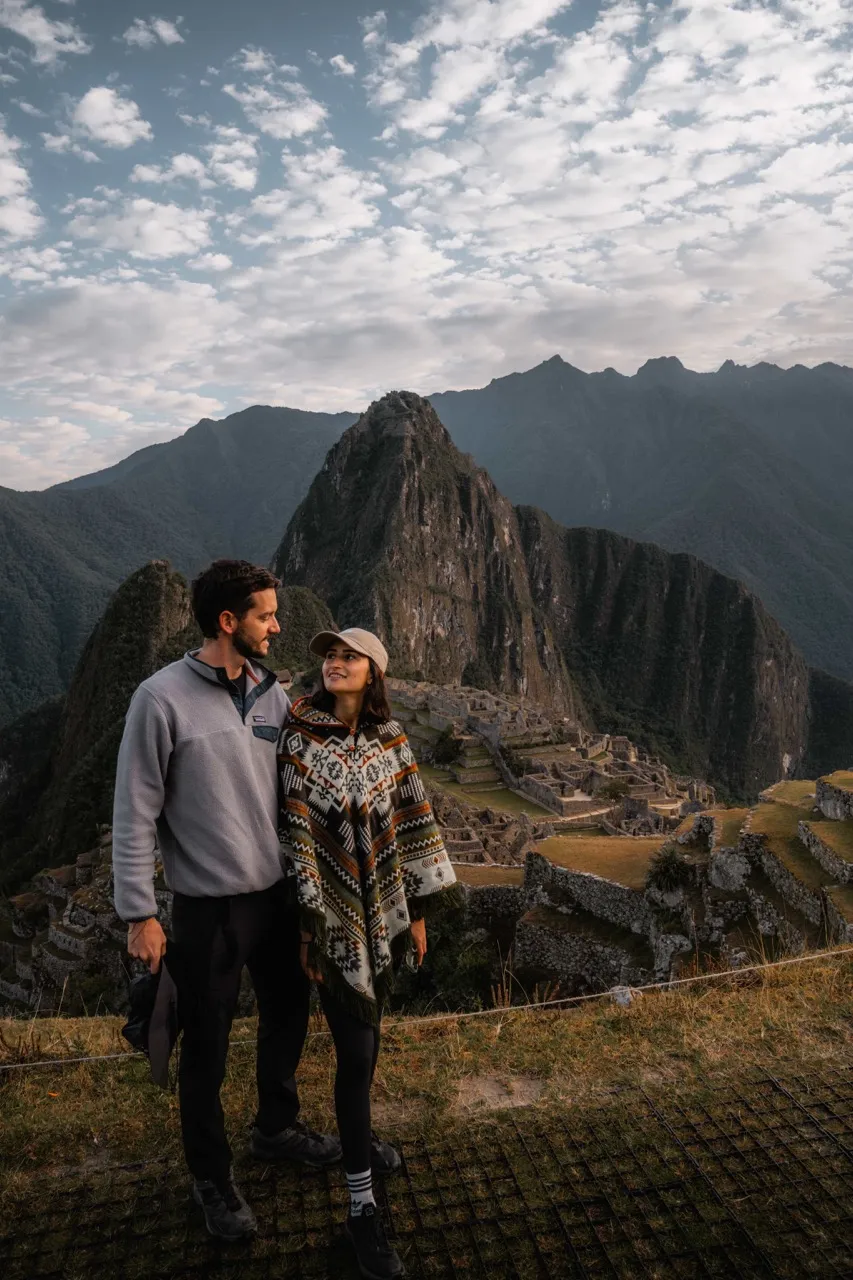
Without a doubt, one thing you can't leave out of any Cusco itinerary is a visit to Machu Picchu. There are two ways to do it:
- A day tour from Cusco: includes the train, entrance tickets and a guide. It's ideal if you're short on time.
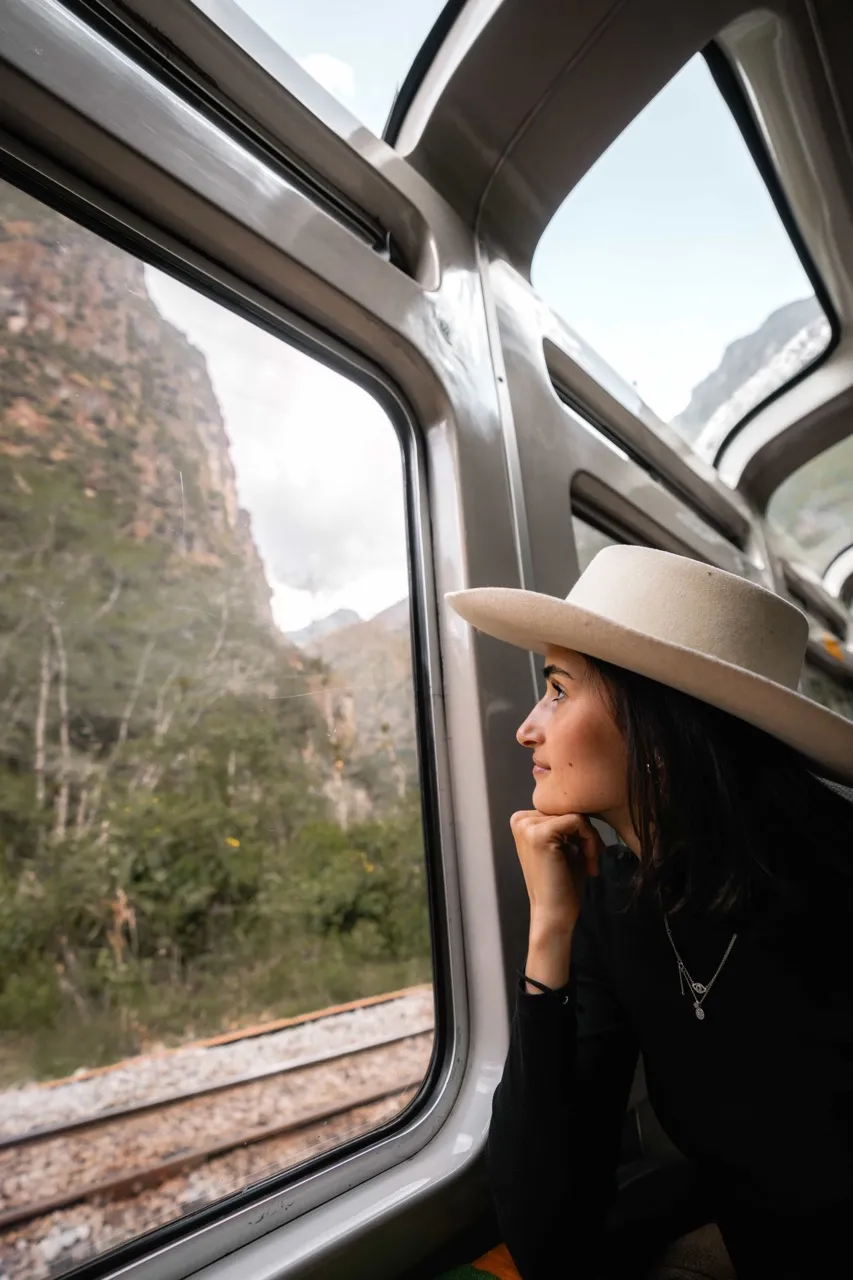
- On your own: you travel to Aguas Calientes and spend a night there. That's what we did, and we recommend it. There's more in our detailed guide on how to visit Machu Picchu on your own.
Day 6. Salineras de Maras and Moray
If you didn't do Maras and Moray on day 2, today is the perfect day to see these famous Cusco sights.
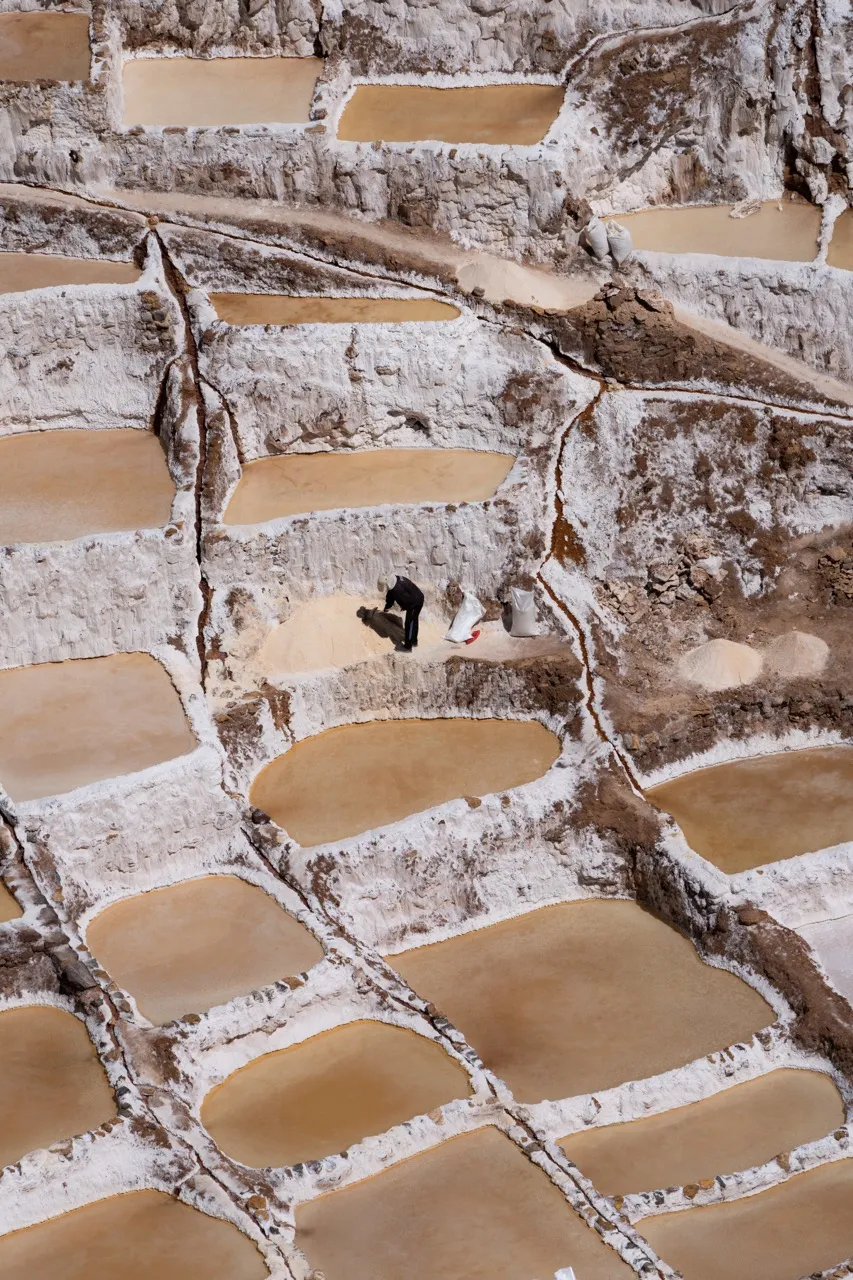
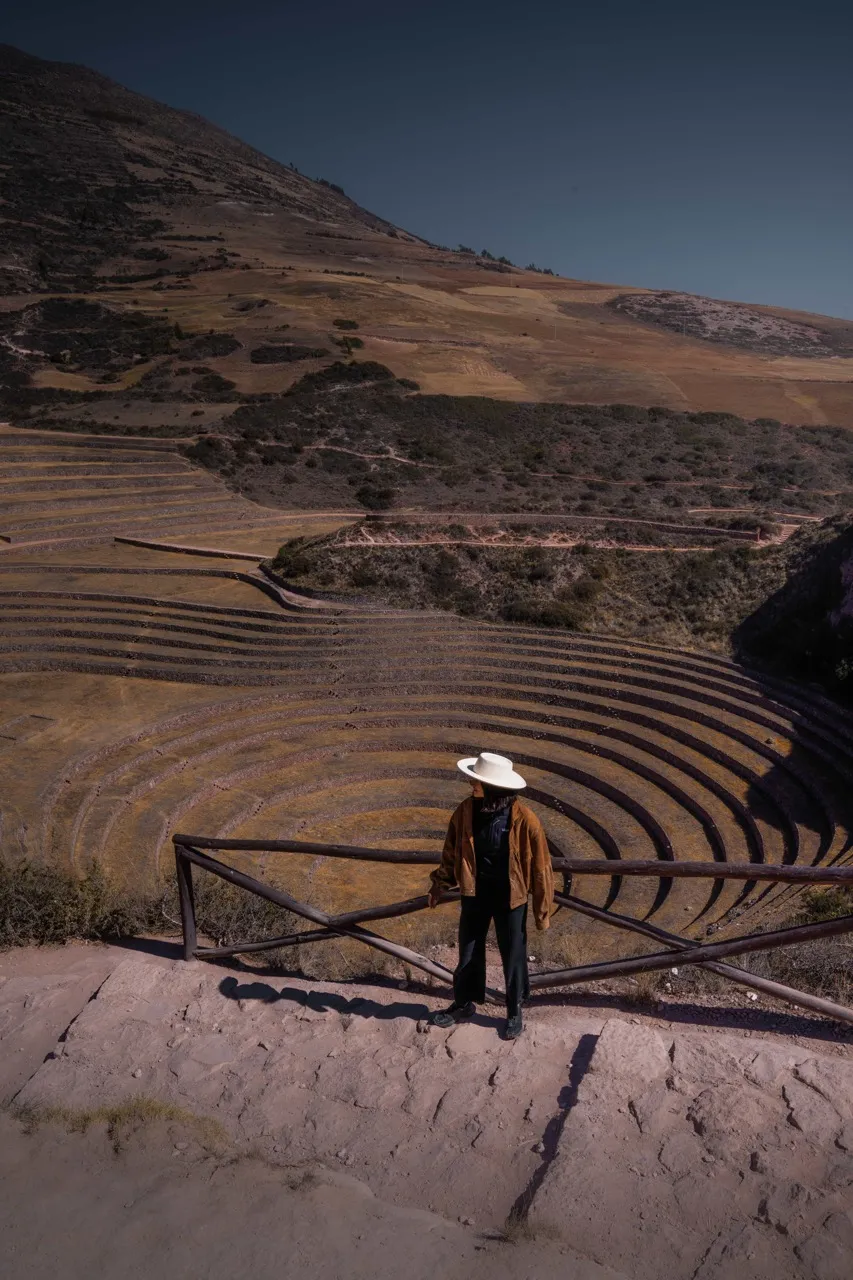
Moray is an archaeological site from the Inca period: a series of circular farming terraces built into a deep hollow in the ground. The Salineras de Maras (the Maras salt pans) are a series of salt evaporation terraces that date back to Inca times and are still used to extract salt today. A fun, different way to see these sites is on an ATV tour.
Another option is to spend a night at Mountain View and see Maras and Moray from there.
Day 7. Hike to Rainbow Mountain
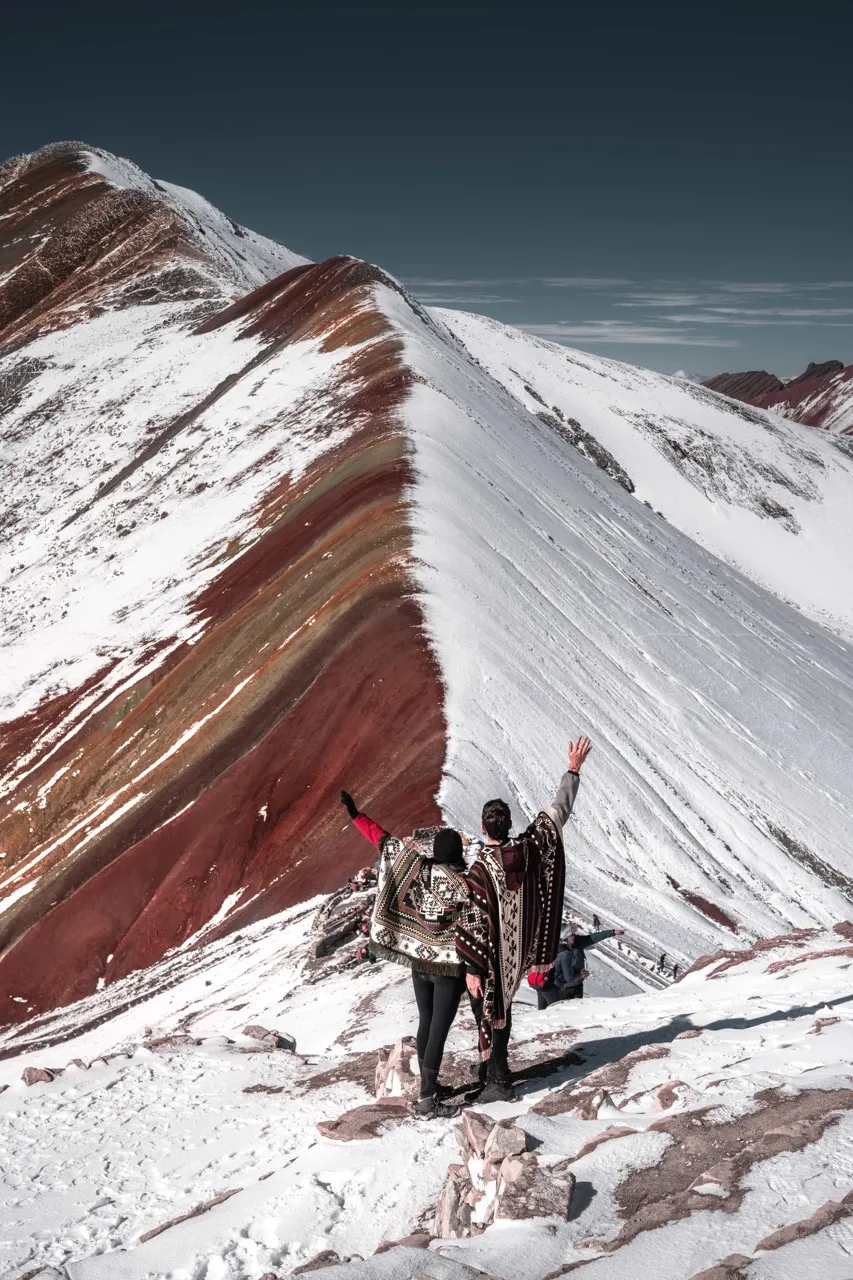
To wrap up your vacation in Cusco, you can hike to one of the three rainbow mountains nearby.
We did Vinicunca, the most famous of the 3. Here we tell you about our experience and everything you need to know. If you'd rather do one of the other 2, they're called Pallay Punchu Mountain and Palcoyo Mountain.


See all the tours you can do in Cusco
See tours on GetYourGuide (opens in a new tab)
This is an affiliate link: if you book or buy through it, we earn a commission at no extra cost to you.
Where to stay in Cusco
Cusco has a huge range of hotels, for every budget and taste. It's best to stay no more than a 15-20 minute walk from the Plaza de Armas. We stayed one block from the Mercado de San Pedro and the location was perfect. The San Blas neighborhood is also a very good choice. Here are some options:
Luxury hotels
- Belmond Hotel Monasterio: In a former 16th-century monastery.
- JW Marriott El Convento Cusco: In a restored convent.
- Palacio del Inka, a Luxury Collection Hotel: Right across from the Qoricancha.
Mid-range hotels
- Costa del Sol Wyndham Cusco: In a colonial mansion, ideal for a comfortable stay.
- Hotel Rumi Punku: A charming hotel on a quiet street, known for its traditional architecture and cozy atmosphere.
- Tocuyeros Boutique Hotel: A boutique hotel in the San Blas neighborhood.
Hostels and budget places to stay
- Pariwana Hostel Cusco: Popular with backpackers, with a lively, social atmosphere and modern comforts.
- Net House Cusco: A quiet, very cheap place to stay, 1 block from the Mercado de San Pedro and a 10-minute walk from the Plaza de Armas.
On the outskirts of Cusco there are several glamping-style places to stay that are an experience in themselves! If you have the time, we recommend:

See all the places to stay in Cusco
Book your stay on Agoda (opens in a new tab)
This is an affiliate link: if you book or buy through it, we earn a commission at no extra cost to you.
Where to eat in Cusco
Peruvian food is among the best in the world, and you eat very well in Cusco! Just remember that you're at 3,500 m (11,483 ft) and digestion is slower than at sea level. One of the recommendations for avoiding altitude sickness is to eat light.
Here are some of the restaurants we went to, where the food is delicious! Almost all of them have gluten-free options.
- Nuna Raymi
- Organika
- Qura
- NaturAle (gluten-free pizza)
- Yaku
- Avocado, toast & more
- Green Point vegan restaurant
- Chicha by Gastón Acurio
- L’atelier Cafe concept (for a coffee on a typical San Blas balcony)

Stay connected with a Holafly eSIM
Get an eSIM on Holafly (opens in a new tab)
This is an affiliate link: if you book or buy through it, we earn a commission at no extra cost to you.
Frequently asked questions about Cusco in 7 days
How many days should you spend in Cusco?
Ideally at least 5 to 7 days, so you can acclimatize to the altitude and visit the main sights, like Machu Picchu, the Sacred Valley, Laguna Humantay and the Mountain of 7 Colors (Rainbow Mountain).
When is the best time to travel to Cusco?
The best time to visit Cusco is the dry season, between May and September. These months have less rain and the weather is ideal for hikes and tours.
Can you do Machu Picchu in a single day from Cusco?
Yes, many agencies offer day tours to Machu Picchu from Cusco that include the train, entrance ticket and a guide. But if you have more time, it's best to spend a night in Aguas Calientes so you can enjoy it at a slower pace.
What can you do in Cusco in 7 days?
On a 7-day Cusco itinerary you can explore the historic center, visit the Sacred Valley, hike to Laguna Humantay or the 7 Lakes, see Machu Picchu and explore places like Maras, Moray and Rainbow Mountain.
Do you need to book everything in advance?
For Machu Picchu, yes. It's best to book your entrance tickets and trains ahead of time, especially in high season. Other tours, like Humantay or the Sacred Valley, you can book in Cusco, though doing it online gives you more peace of mind.
- Did a price or a detail change? Tell us at hello@charoandmarcos.com
- Still have a question? Ask us on Instagram (opens in a new tab)