Vietnam Itinerary for 15-20 Days: What to See and Do
We wrote this guide in Spanish and translated it with the help of AI. Leer en castellano

Vietnam is the world's 2nd-largest coffee exporter, has the 4th-most motorbikes of any country, and is home to the largest cave in the world. It's a country where you can enjoy city life, where just crossing the street can be quite a challenge, and also discover ancient caves in the more rural areas. The cities are chaotic and picturesque at the same time. You'll see that much of local life happens out on the street: people pull out a little stool and get together to have coffee, play a board game or get a manicure. And what can we say about the landscapes… a mix of mountains, incredible rice paddies, caves, rivers and equally incredible beaches.
This article has affiliate links: if you book or buy through them, we earn a commission at no extra cost to you.
A little history…
Vietnam is a country with a huge amount of history and culture. It was invaded by China, Mongolia and the Khmers, and in the 19th century it was occupied by the French. Then, in 1945, under the communist leader Ho Chi Minh, it declared independence. But that didn't become official until 1954, under the Geneva Accords. The country was left divided into North (communist) and South (anti-communist). The North (Viet Minh) tried to “liberate” the South, and out of that came the Viet Cong, communist insurgents. And… this is where the US comes in. Faced with the threat of communism spreading across all of Asia – the well-known domino theory – it sent troops to the south, starting 17 years of war with Vietnam. In 1973 the Viet Cong won and the Paris Peace Accords were signed, ending the war. Today it's the Socialist Republic of Vietnam.
That was a brief summary of its history over the last century. No doubt about it, this country has taken some hard blows and has managed to bounce back. We traveled through it from south to north, and there's no shortage of reasons why we loved it: the landscapes, the nature, the culture, the food, the shopping and much more.

Travel with peace of mind with Heymondo travel insurance
Get your travel insurance on Heymondo (opens in a new tab)
This is an affiliate link: if you book or buy through it, we earn a commission at no extra cost to you.
When should you visit Vietnam?
Vietnam has a tropical climate, so we can split the year into two seasons: dry and rainy. Keep in mind how long the country is, because the weather varies a lot between the north and the south.
Dry season: November to April. Temperatures are mild. In the north it tends to get quite cold, especially in places like Sapa, where there's often heavy fog and it sometimes even snows.
Rainy season: In southern Vietnam it usually runs from May to October, and in the north from May to August.
Vietnam visa
With an Argentine passport, you need a tourist visa to enter Vietnam. It used to be a bit of a hassle: to enter through the international airports you needed a letter of invitation, which could only be arranged through an agency, and that made it a little more expensive.
These days you can get the visa online, whether you're entering by land or by air. It lets you stay in Vietnam for 30 days, and you can extend it once you're in the country.
E-visa price: US$25
Here's the Vietnamese government's website, because there are many that look official but are really agencies that charge you more: Official website to apply for the Vietnam visa.
If you have a Spanish passport and you'll be traveling in Vietnam for 15 days or less, you don't need a visa.

See all the tours in Vietnam
See tours on Civitatis (opens in a new tab)
This is an affiliate link: if you book or buy through it, we earn a commission at no extra cost to you.
How do you get around Vietnam?
Distances in Vietnam are really long. You can get around by plane, train or bus.
Flights tend to be quite cheap, but we found the sleeper bus to be the best way to travel around Vietnam. We often couldn't sleep on these rides because the driver honked every 3 km, but it's a very cheap way to get around and there are plenty of departure times to choose from. We bought most of our bus tickets at hostels, but you can also get them on 12go, a website we used constantly to buy this kind of ticket in Asia.

See all the places to stay in Vietnam
Book your stay on Agoda (opens in a new tab)
This is an affiliate link: if you book or buy through it, we earn a commission at no extra cost to you.
How much does Vietnam cost?
For us it was the cheapest country in all of Southeast Asia. Here's a look at prices on a backpacker budget. We spent an average of US$18 per person per day.
- Food: At local restaurants, dishes run between US$1 and US$3. Western dishes cost a bit more, between US$4 and US$5.
- Drinks: Water US$0.50, coffee US$1-2, beer US$0.60.
- Accommodation: A private room can cost US$7 and a bed in a hostel US$3. In Cat Ba we even got a private double room for just US$3.
- Transportation: Long-distance bus rides cost between US$8 and US$10 per leg. We spent a total of US$76 each on transportation, including the flight we took from Ho Chi Minh City to Da Nang.
- Motorbike rental per day: between US$4 and US$5. A liter of gas costs US$0.80.

Stay connected with a Holafly eSIM
Get an eSIM on Holafly (opens in a new tab)
This is an affiliate link: if you book or buy through it, we earn a commission at no extra cost to you.
Our route through Vietnam
Vietnam's two main airports are in Hanoi and Ho Chi Minh City, so you'll most likely arrive at one of them.
Since we were in Cambodia, we decided to cross the border into Vietnam by land, which made Ho Chi Minh City our first stop. That's why our itinerary runs from south to north. If you arrive in Hanoi, you can follow the same itinerary in reverse.
- Days 1 and 2: Saigon
- Day 3: Da Nang
- Days 4 and 5: Hoi An
- Days 6 and 7: Hue
- Day 8: Phong Nha
- Days 9, 10 and 11: Tam Coc
- Day 12: Cat Ba (Halong Bay)
- Days 13, 14 and 15: Hanoi
Days 1 and 2: Ho Chi Minh City (Saigon)
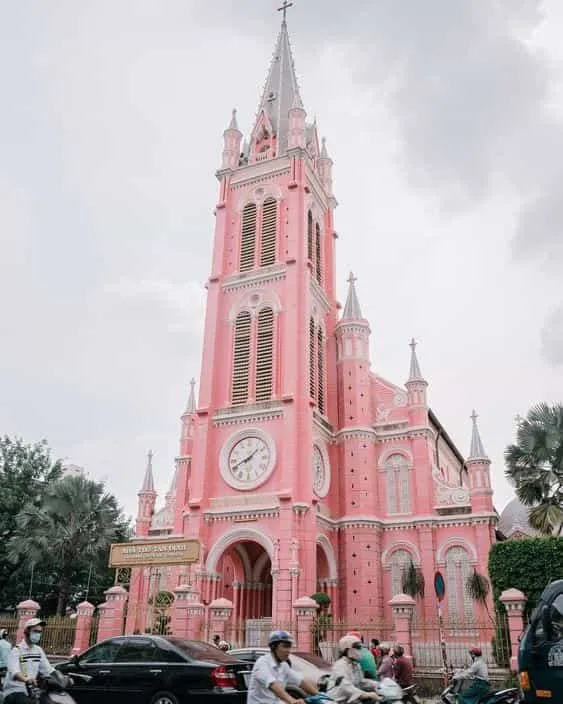
Also known as Saigon, it's one of the country's most important cities. It's big and chaotic, with lots of noise and traffic. It must be the city with the most motorbikes in the world: there are around 8 million. But to be honest, after everything we'd heard, we were expecting a much dirtier and more disorganized city than it really is.
The city is full of history and was a key place during the Vietnam War. It has plenty of attractions and really interesting places to visit.
We liked it a lot, but if you don't have enough time, we think Ho Chi Minh City is one of those places you can skip.

Day 3: Da Nang
In the early hours of day 3 we took a flight from Ho Chi Minh City to Da Nang. You can also do the trip by bus, but it takes about 14 hours, while the flight takes only 1 hour and 20 minutes. Since the price difference is so small (US$20 for the bus and US$30 for the flight), we chose to fly.
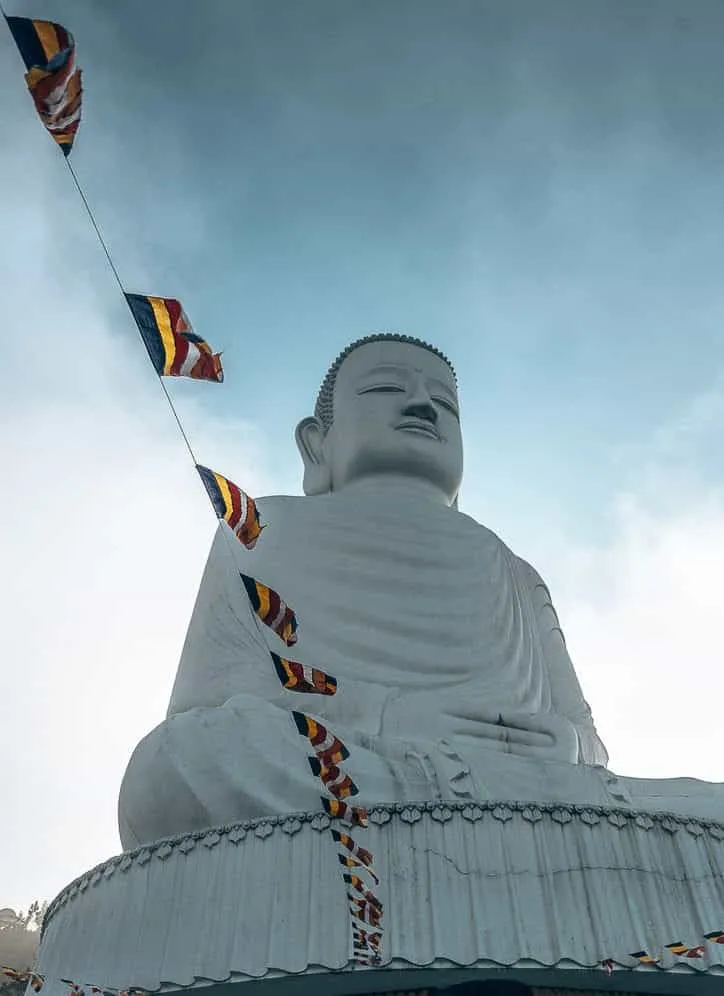
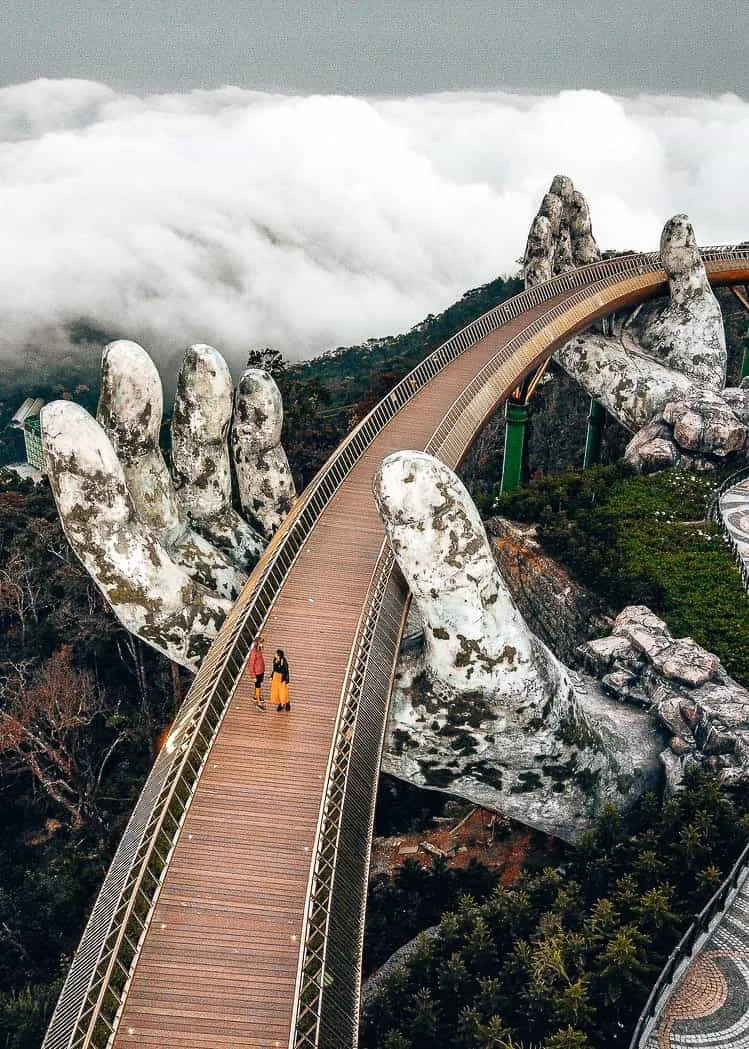
In Da Nang we made the most of the day by visiting the incredible Ba Na Hills complex.
Days 4 and 5: Hoi An
The next day we took a public bus from Da Nang to Hoi An, which takes about 30-40 minutes.
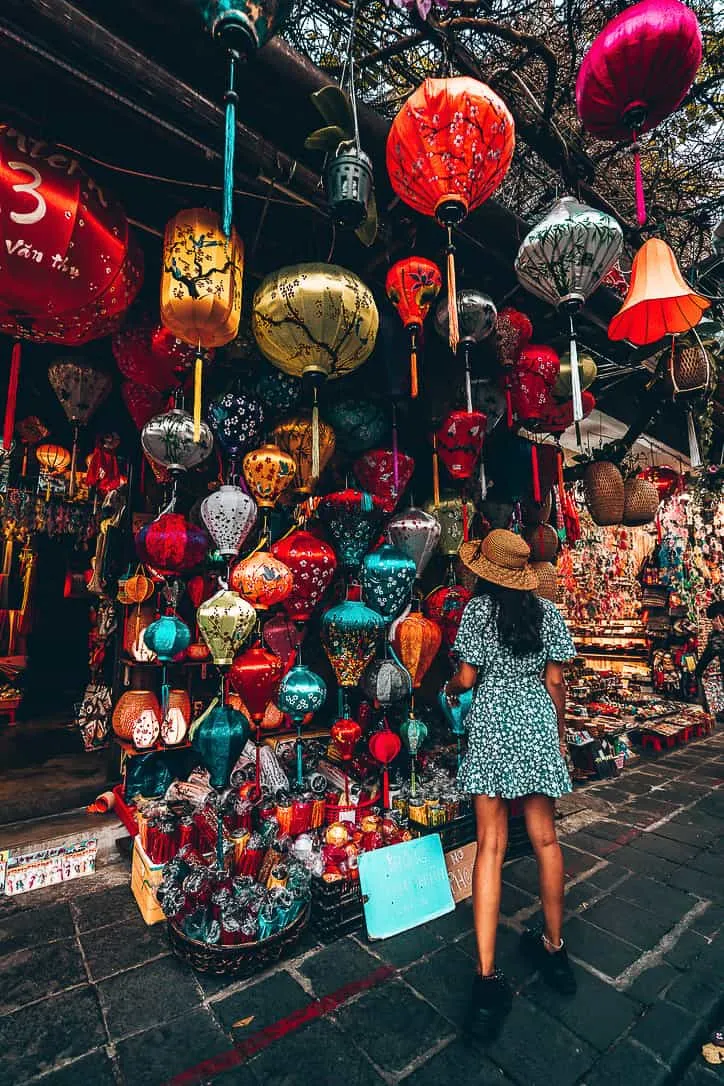
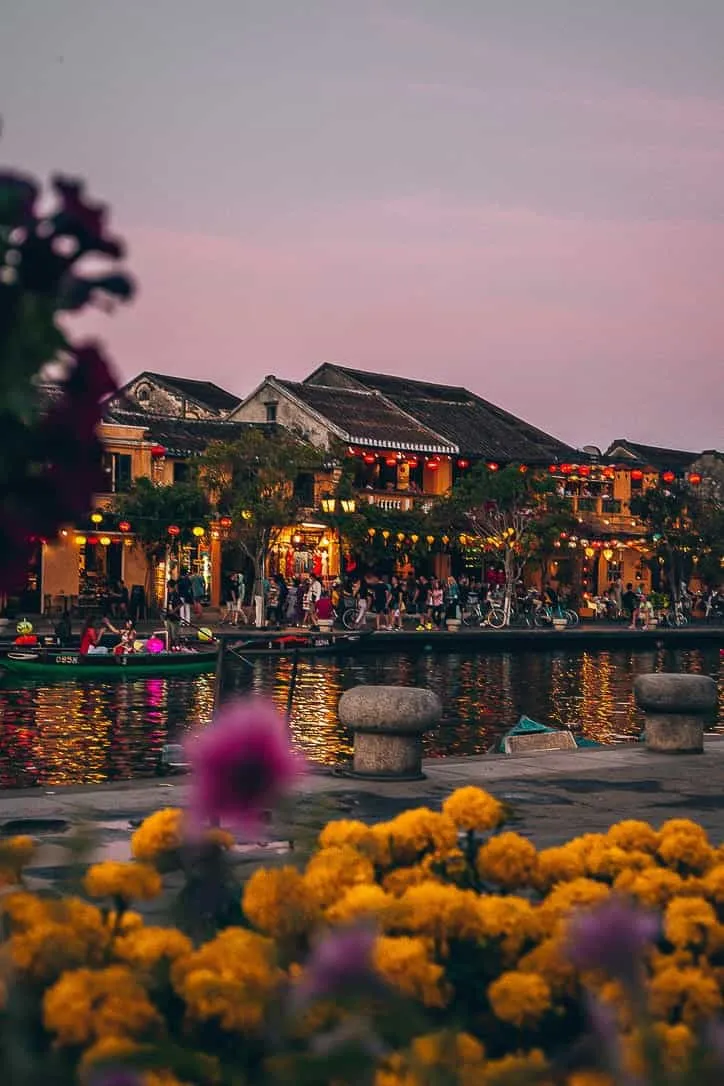
Hoi An is considered the prettiest city in Vietnam: its old town is so beautiful and its buildings so well preserved that it was declared a UNESCO World Heritage Site.
We gave it 2 full days. If you're short on time, 1 full day is plenty to see it.
Days 6 and 7: Hue
In the morning we took a bus to Hue. It takes about 4 hours, so by 12:30 we were already at our next destination.
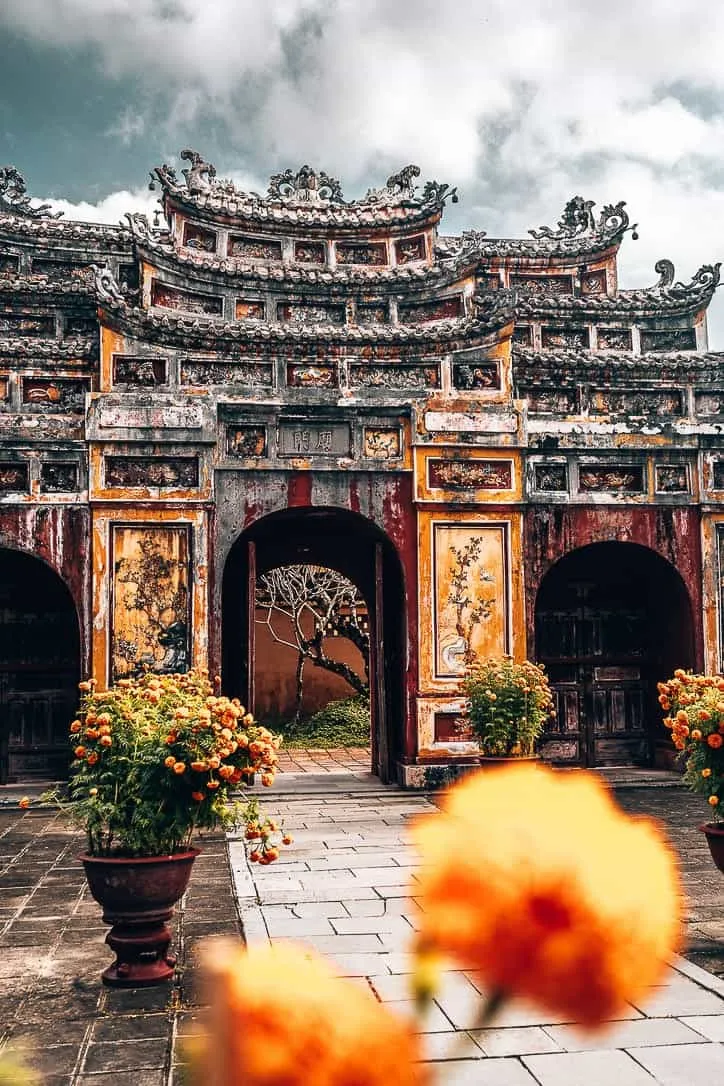
This imperial city was the capital until 1945. Its citadel was declared a World Heritage Site, and there are several imperial tombs to visit too. Hue is also where you'll find the abandoned water park, which you've probably heard of.
We stayed for 1.5 days. On the afternoon of the second day we took a bus to Phong Nha, a 4-hour trip.

Day 8: Phong Nha
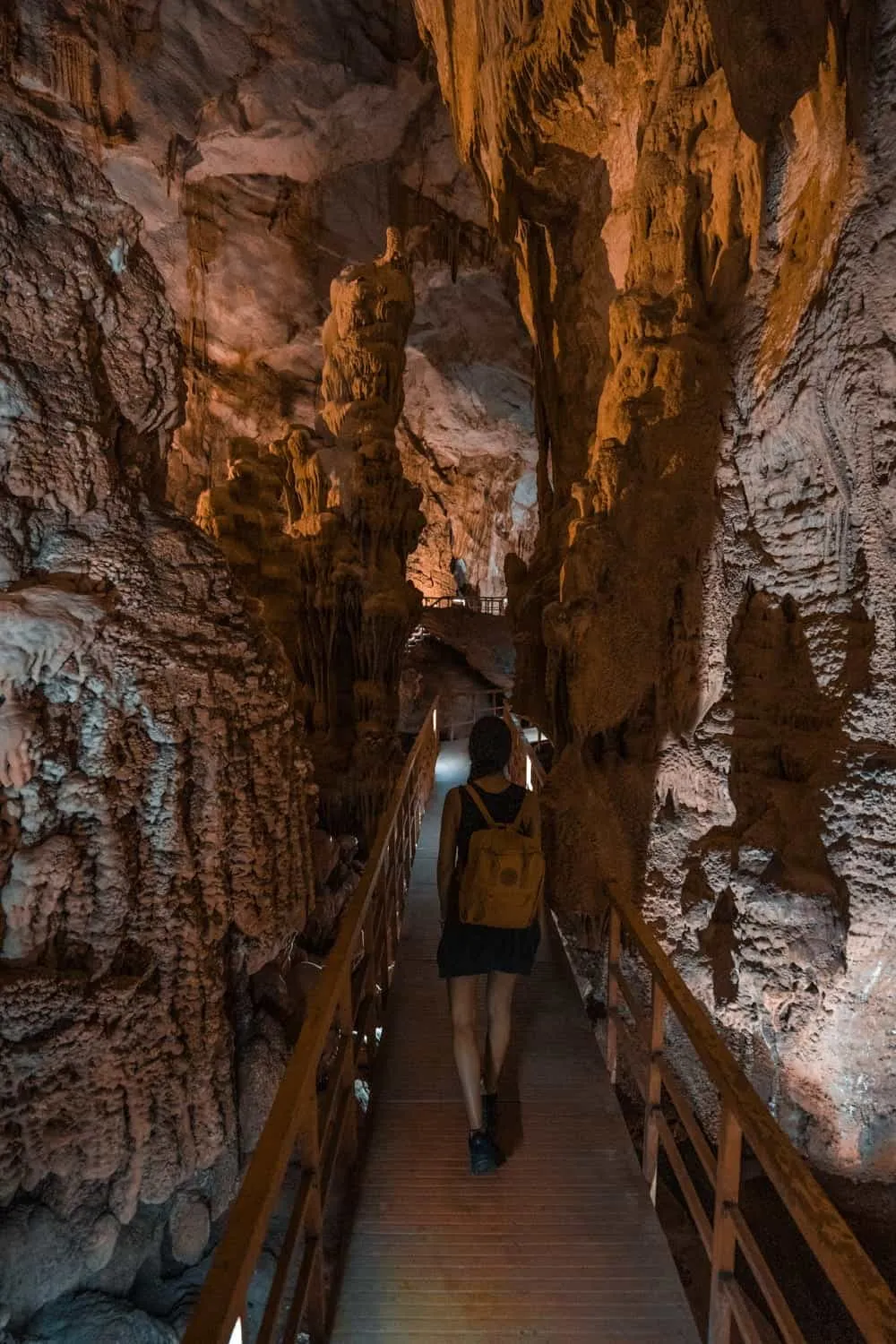
Phong Nha is where you'll find most of Vietnam's caves. It's a park declared a UNESCO World Heritage Site with a total of 300 caves, of which only 20 have been explored. The largest cave in the world, Son Doong, is here.
Beyond the caves, the scenery around Phong Nha is beautiful and ideal for exploring by motorbike.
We only spent 1 day in Phong Nha, which was enough to see 2 caves and the surrounding area. If you have time, there's a 2-day tour where you sleep in a cave, which must be spectacular.
That night we took a bus to Tam Coc, which takes 8 to 9 hours.
Days 9, 10 and 11: Tam Coc or Ninh Binh
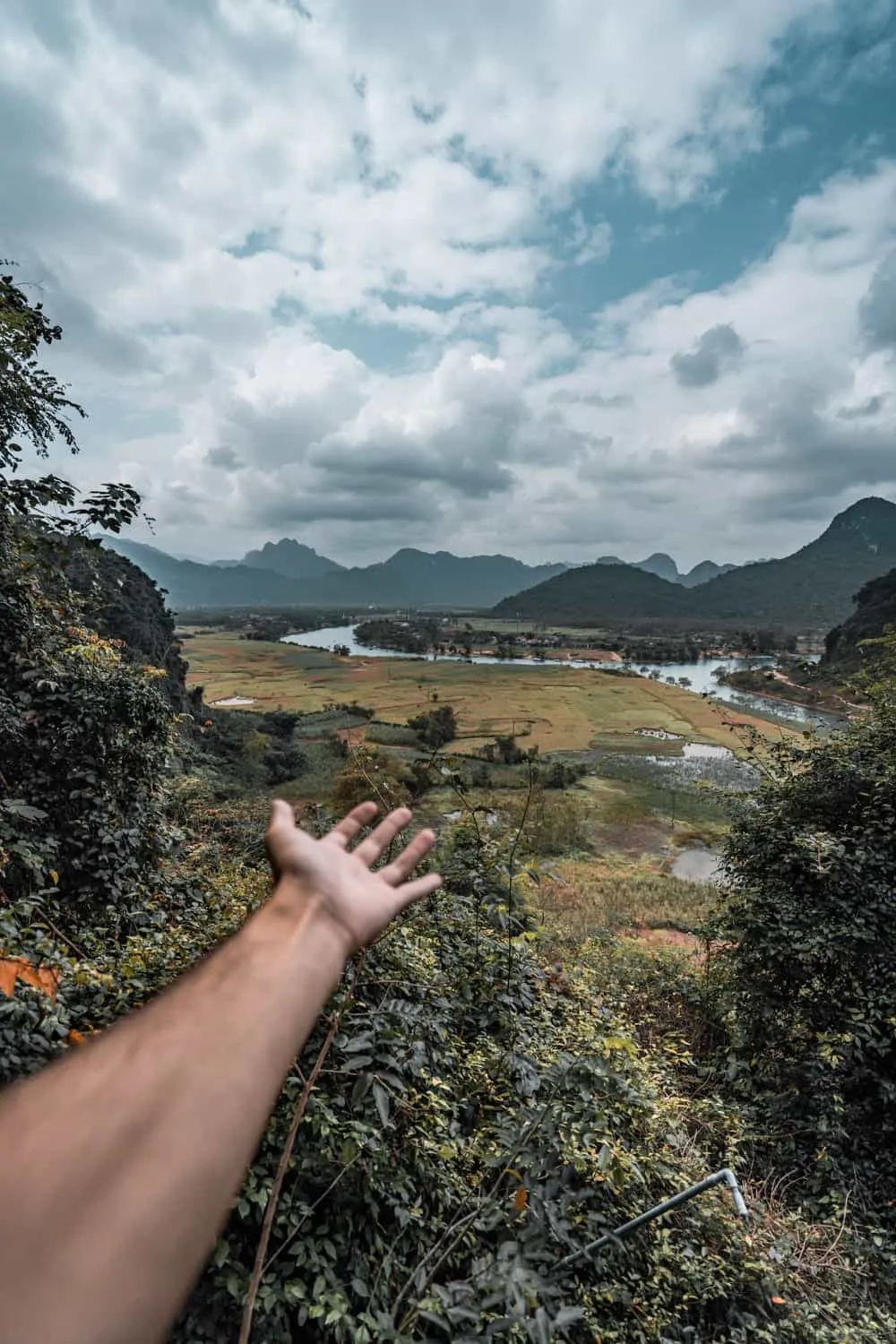
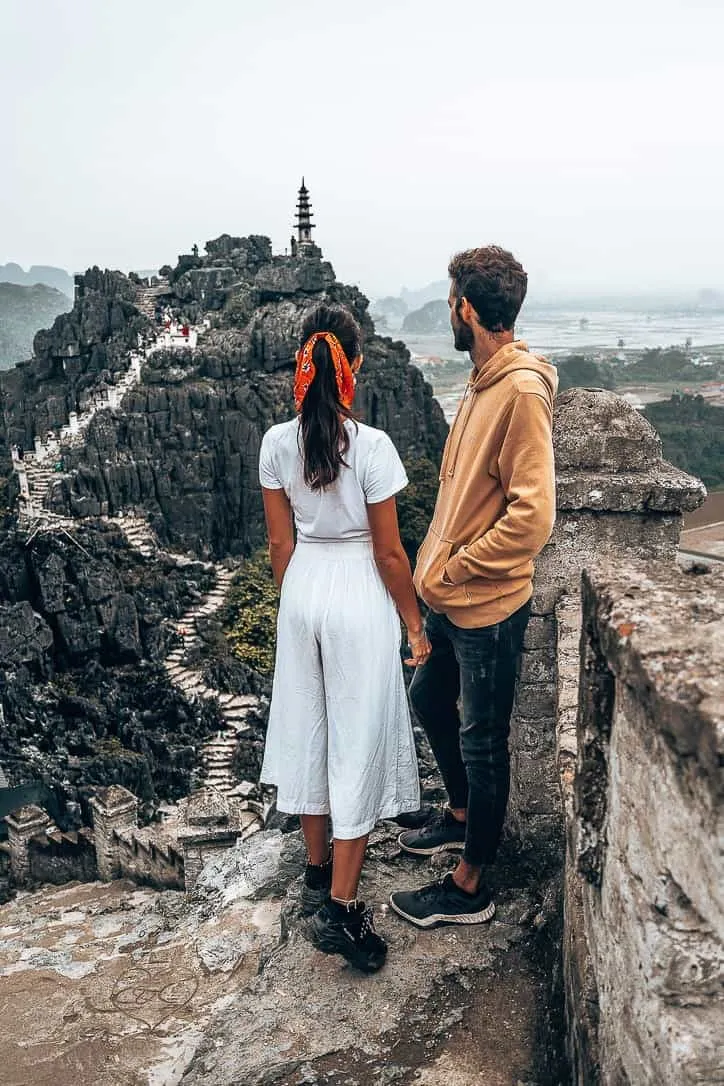
Also known as Halong Bay on land. It gets the name because its landscapes look so similar, with huge rock formations created millions of years ago, except that here they're surrounded by open land and rice paddies instead of sea.
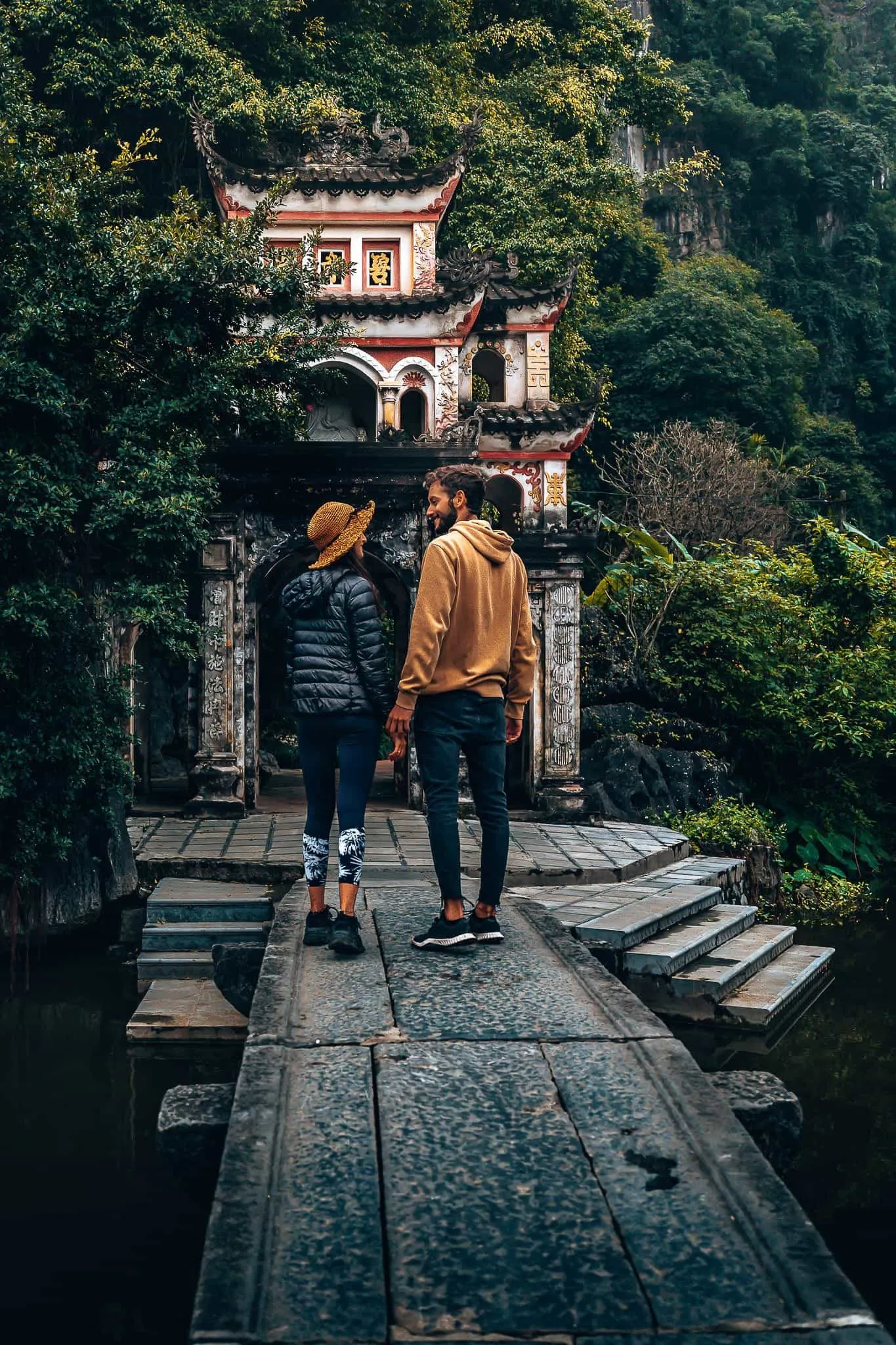
Tam Coc or Ninh Binh? Most of the tourist attractions are around Tam Coc, a small town that grows by the day. We loved it: we found it really picturesque and local. Just outside Tam Coc is Ninh Binh, a much bigger city with more places to stay, where many travelers base themselves. We went with Tam Coc because many travelers recommended it to us, and it seemed like the best decision.
We spent 2.5 days in Tam Coc. On the afternoon of the 3rd day we took a bus to Cat Ba.
What to see and do in Tam Coc | Ninh Binh
Day 12: Cat Ba (Halong Bay)
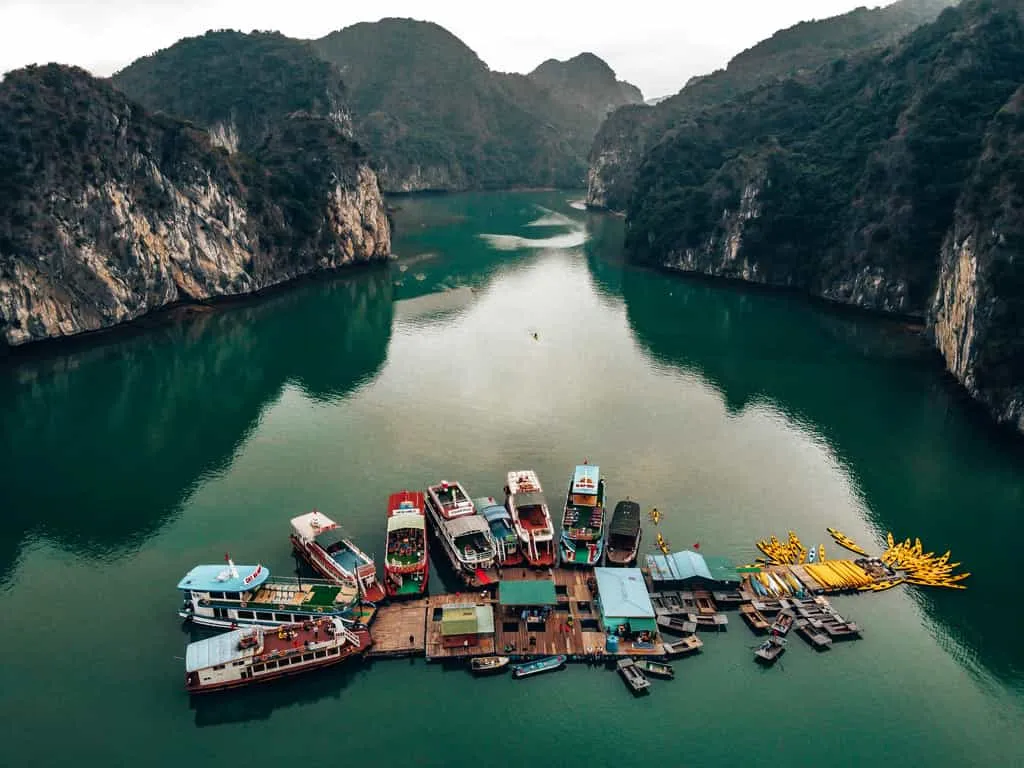
Cat Ba is a small island that's becoming famous among backpackers because its tours of Halong Bay are much cheaper than the ones from Hanoi.
We only stayed one day, which was enough for us to explore Halong Bay.
Days 13, 14 and 15: Hanoi
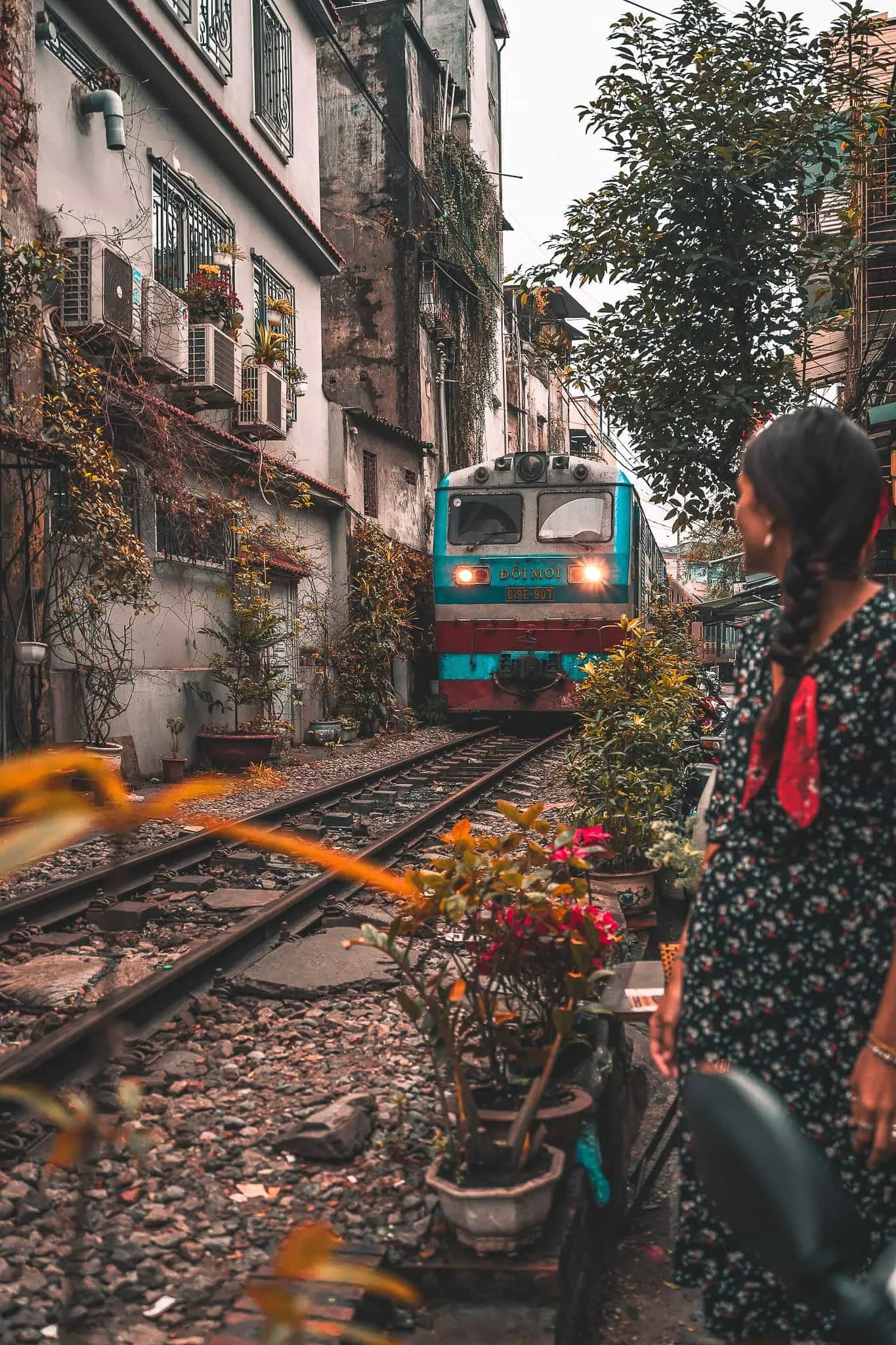
We finally made it to the country's capital! To us it's a chaotic and very picturesque city, with a huge choice of food, and temples and markets everywhere.
We gave the city almost 3 days, but we think 2 days is enough.
Have more days in Vietnam?
Here are some other places you shouldn't miss:
Sapa
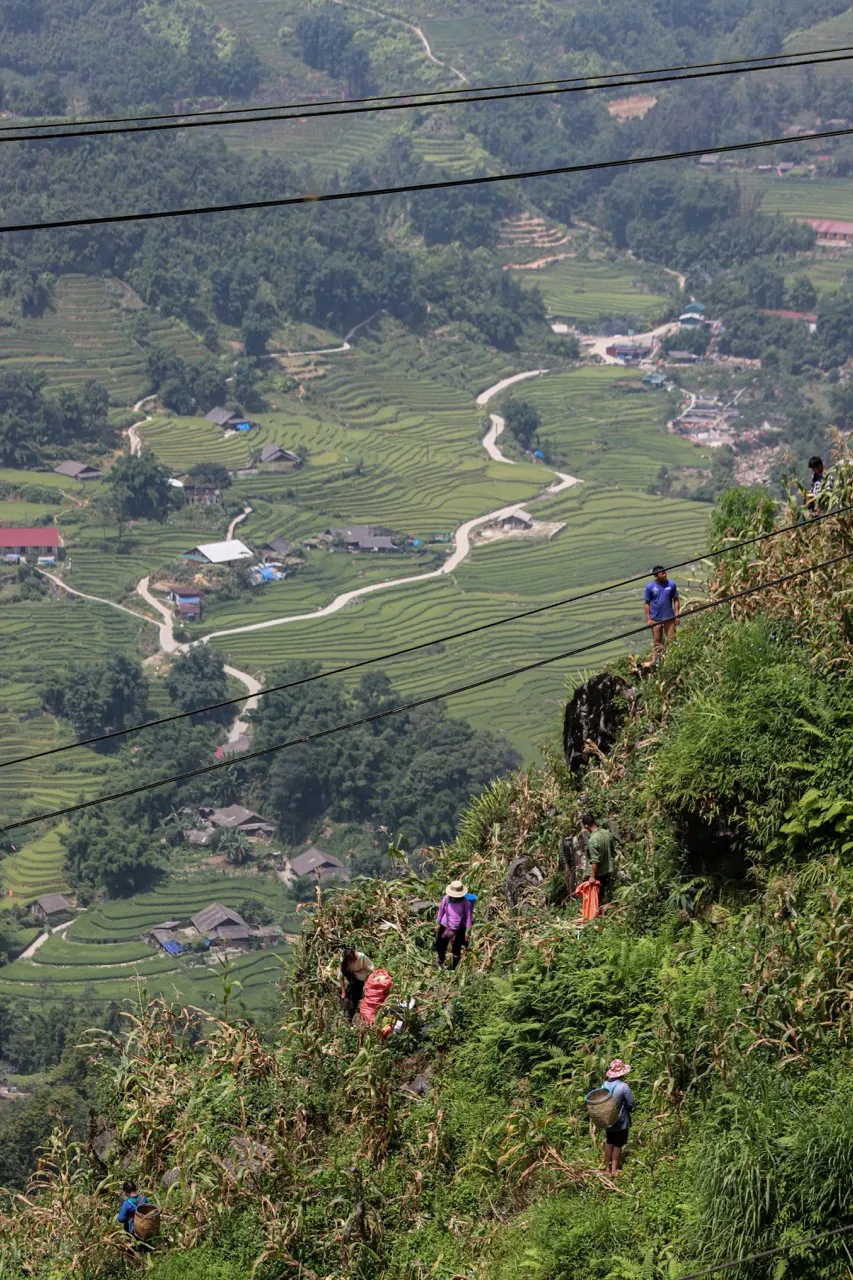
This area in the north of Vietnam, almost on the border with China, has incredible landscapes: mountains and rice paddies, a perfect combination of colors. Think about when you visit, though. In January and February it tends to be extremely cold, and sometimes the fog is so thick that you can't enjoy the scenery.
Many 2-3 day tours leave from Hanoi, but the best option is to go on your own.
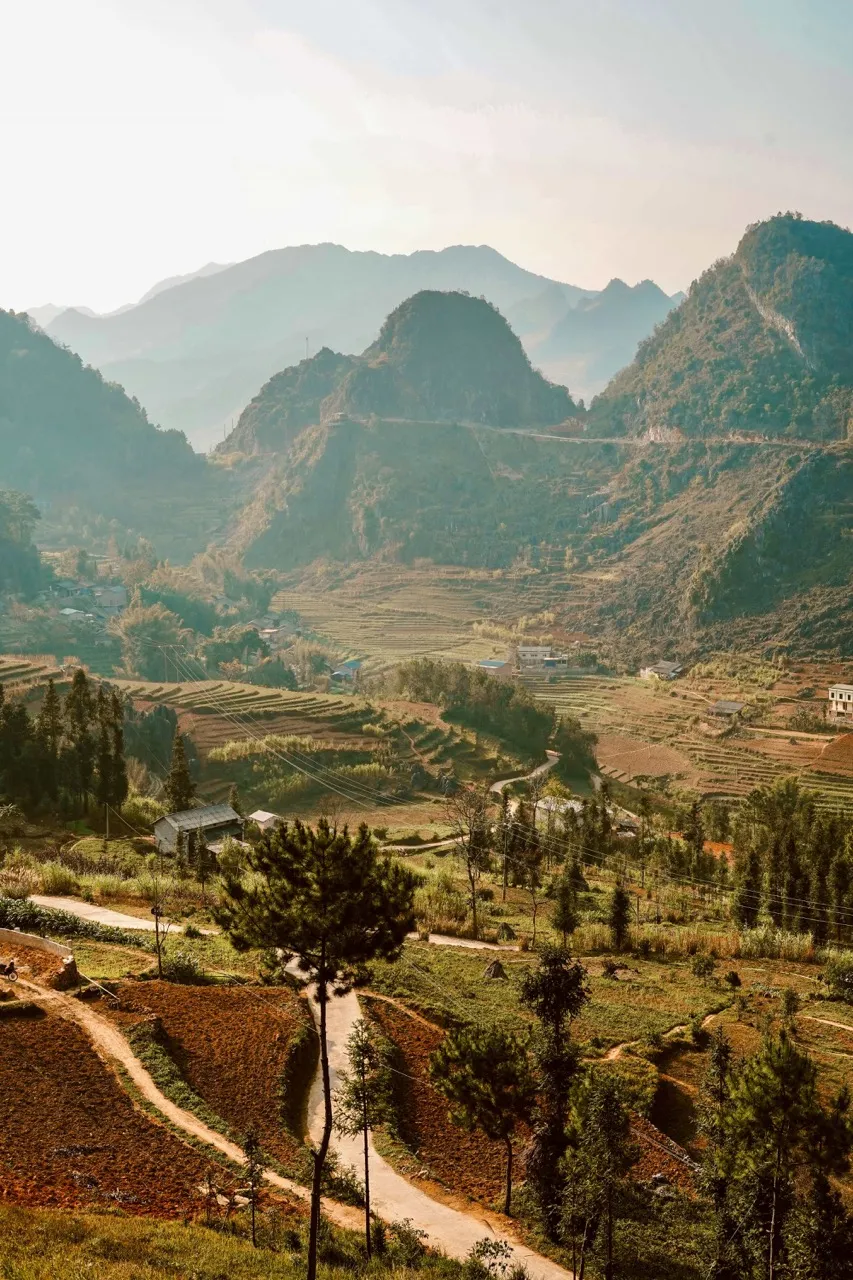
Ha Giang Loop – a 4-day motorbike route
This loop of about 300 km takes you by motorbike through some of the most spectacular scenery in northern Vietnam: rice terraces, karst mountains, remote villages and ethnic minorities.
You can ride the route on your own, or join an organized tour run by an agency.
Ban Gioc Waterfalls
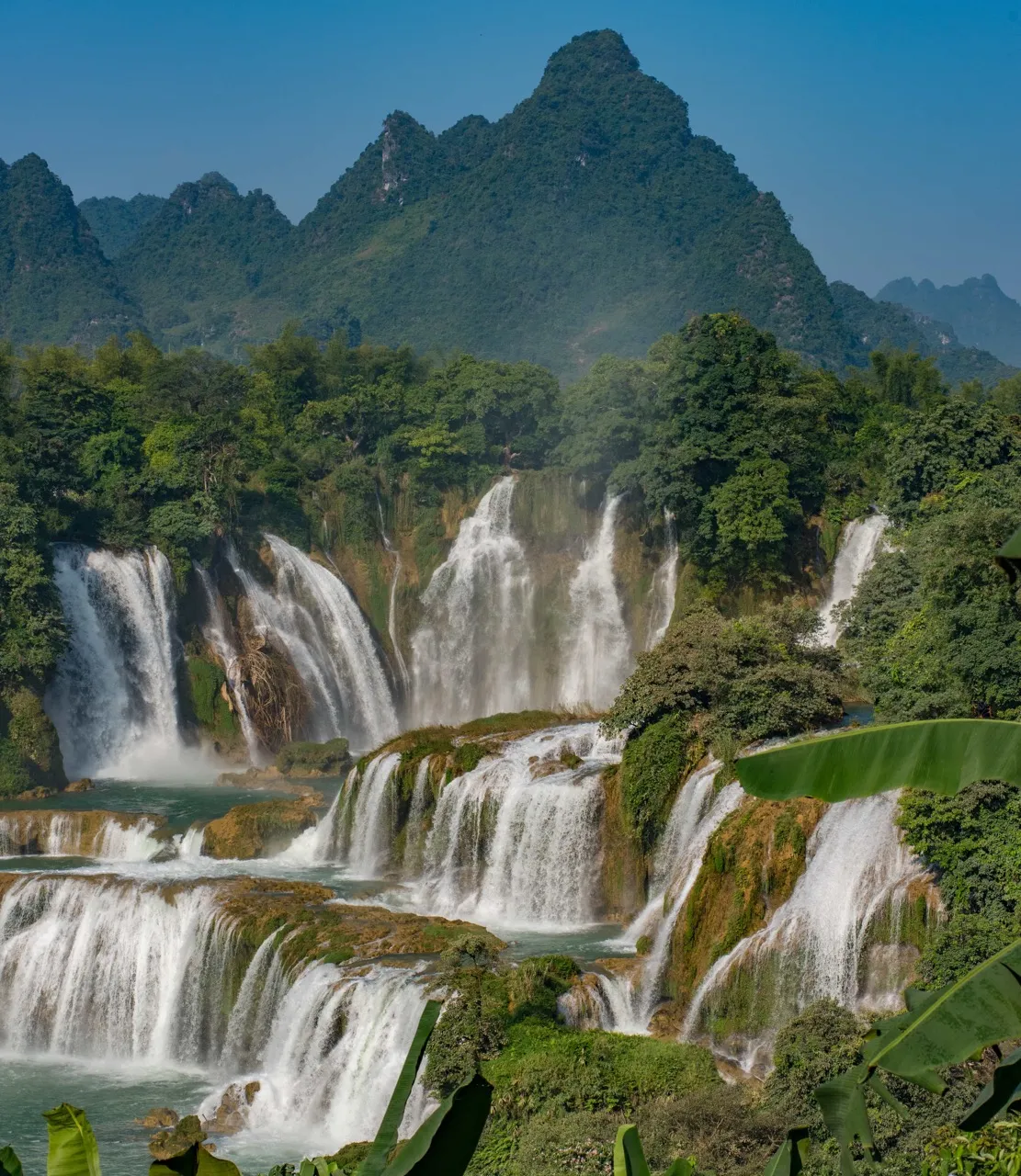
These are the most famous waterfalls in Vietnam. They're in the north of the country, on the border with China, in the city of Cao Bang, and they're one of Vietnam's most important natural treasures.
Phu Quoc Island
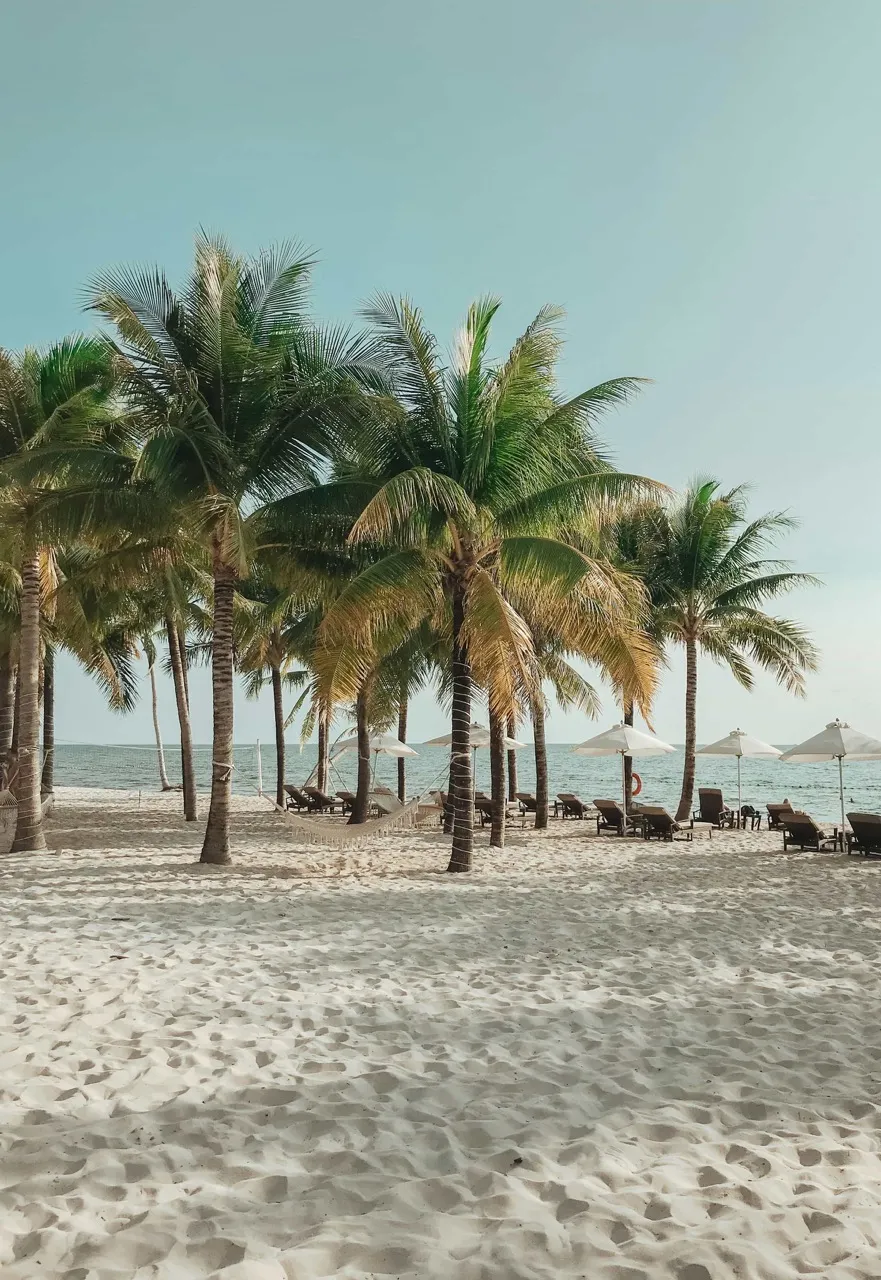
Did you know Vietnam also has idyllic beaches? Phu Quoc is an island in the south of the country, near Cambodia, with beaches straight out of a dream.
- Did a price or a detail change? Tell us at hello@charoandmarcos.com
- Still have a question? Ask us on Instagram (opens in a new tab)