Things to do in Tokyo: a complete guide and the neighborhoods you can't miss
We wrote this guide in Spanish and translated it with the help of AI. Leer en castellano
Tokyo is one of the most dynamic cities in the world, blending old and new, tradition and technology, into an urban landscape like no other. If you're planning a trip to Japan, you're probably wondering what to do in Tokyo, how many days to stay, how to get around, when to go and which neighborhoods are best to stay in.
This article has affiliate links: if you book or buy through them, we earn a commission at no extra cost to you.
When is the best time to visit Tokyo?
You can visit Tokyo any time of year, but depending on the weather, events and scenery, some seasons can be more special than others. It all depends on the kind of experience you're looking for.
🌸 Spring (March to May): cherry blossom (sakura) season
- The best time to see the cherry blossoms.
- Parks like Ueno and Shinjuku Gyoen, along with the Meguro River, fill with blossoms.
- Mild weather, perfect for walking and spending time outdoors.
- It's peak season, so book in advance.
☀️ Summer (June to August): heat, festivals and rain
- July and August are very hot and humid.
- The upside: lots of traditional festivals.
- If you don't mind the heat, it's a good time to see Tokyo in full swing.
🍁 Fall (September to November): colors and ideal weather
- Fewer tourists than in spring.
- The parks turn red and orange.
- Pleasant temperatures and sunny days.
❄️ Winter (December to February): dry cold and clear skies
- It's cold, but it rarely snows.
- The weather is dry, with lots of very sunny days.
- With fewer tourists around, it's a good time to find cheap flights and accommodation.
🎯 What's the best time for you?
- Want to see the sakura? → Go between late March and early April.
- Prefer fewer tourists and lower prices? → Consider winter.
- Love fall colors? → November is ideal.
- Want to experience traditional festivals? → Go in summer, but be ready for the heat.

Travel with peace of mind with Heymondo travel insurance
Get your travel insurance on Heymondo (opens in a new tab)
This is an affiliate link: if you book or buy through it, we earn a commission at no extra cost to you.
How to get to Tokyo
Tokyo has two main airports: Narita and Haneda. Both are well connected to the city center by train and bus, but Haneda is much closer (about 20 km away) and the more convenient option if you have the choice.
If you're already traveling around Japan, you can also reach Tokyo by shinkansen (bullet train), domestic flight or long-distance bus from cities like Kyoto, Osaka or Hiroshima.
🧭 In this detailed guide on how to get to Tokyo we go over the best options depending on where you're starting from, how to get into the city from each airport and which transit card is right for you.
You can book your transfer from the airport to your hotel in advance through this link.
What to do in Tokyo: explore the city neighborhood by neighborhood
Tokyo is a city of contrasts where every neighborhood feels like a different world. To help you plan your visit, we put together this guide to Tokyo's most important neighborhoods and what you can't miss in each one.
1. Shibuya: what to see and do
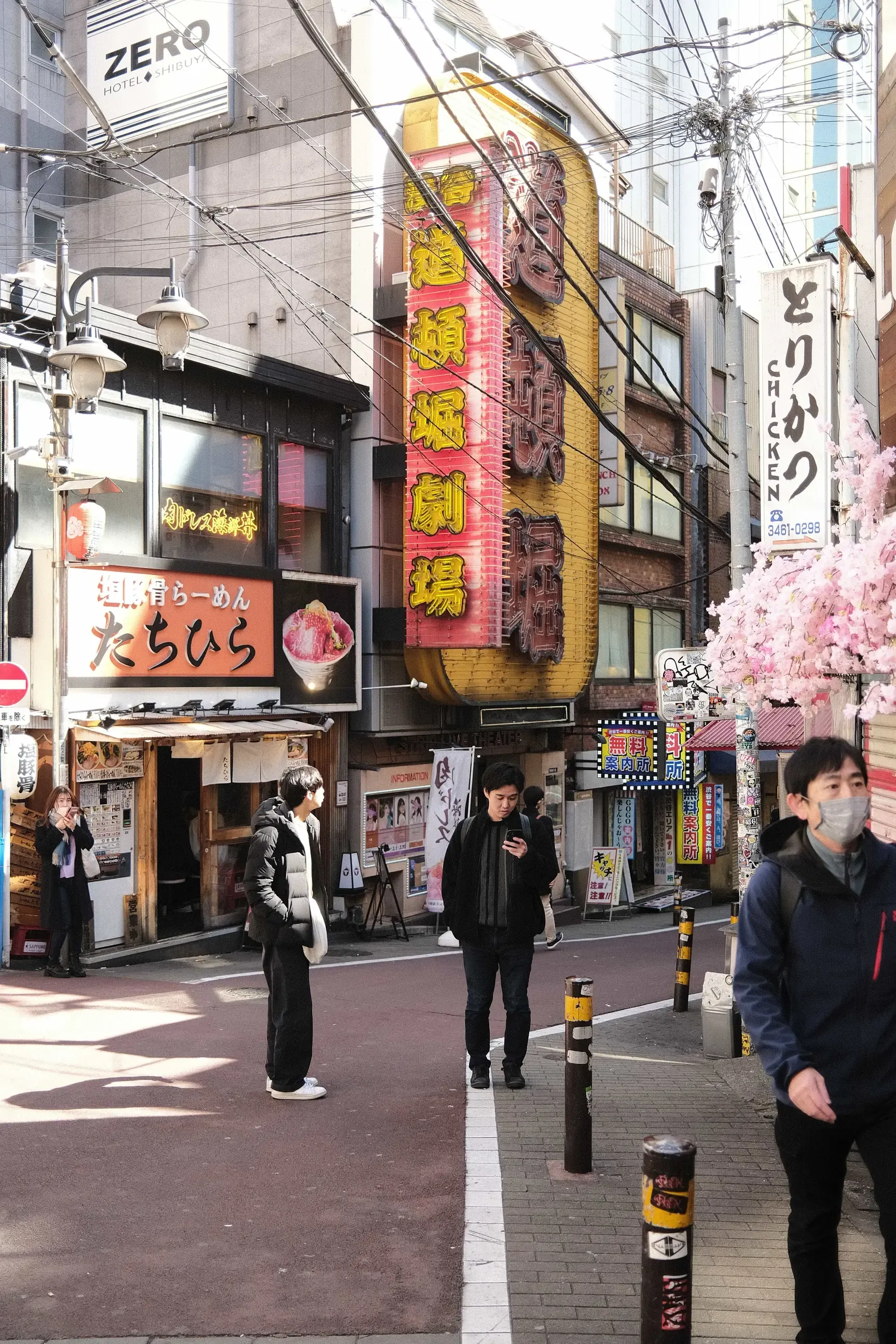
Shibuya is one of the neighborhoods you have to see in Tokyo, ideal if you're figuring out what to do on your first trip to Japan. It's known as the center of fashion, entertainment and nightlife. The lights and LED screens remind us of the streets around Times Square in New York.
Shibuya Station is one of the biggest and most important in the city, connecting several train and subway lines. Right outside is the famous statue of Hachiko, which tells the story of the faithful dog who waited for his owner for years (we recommend the movie Hachi if you want to know his story ❤️).
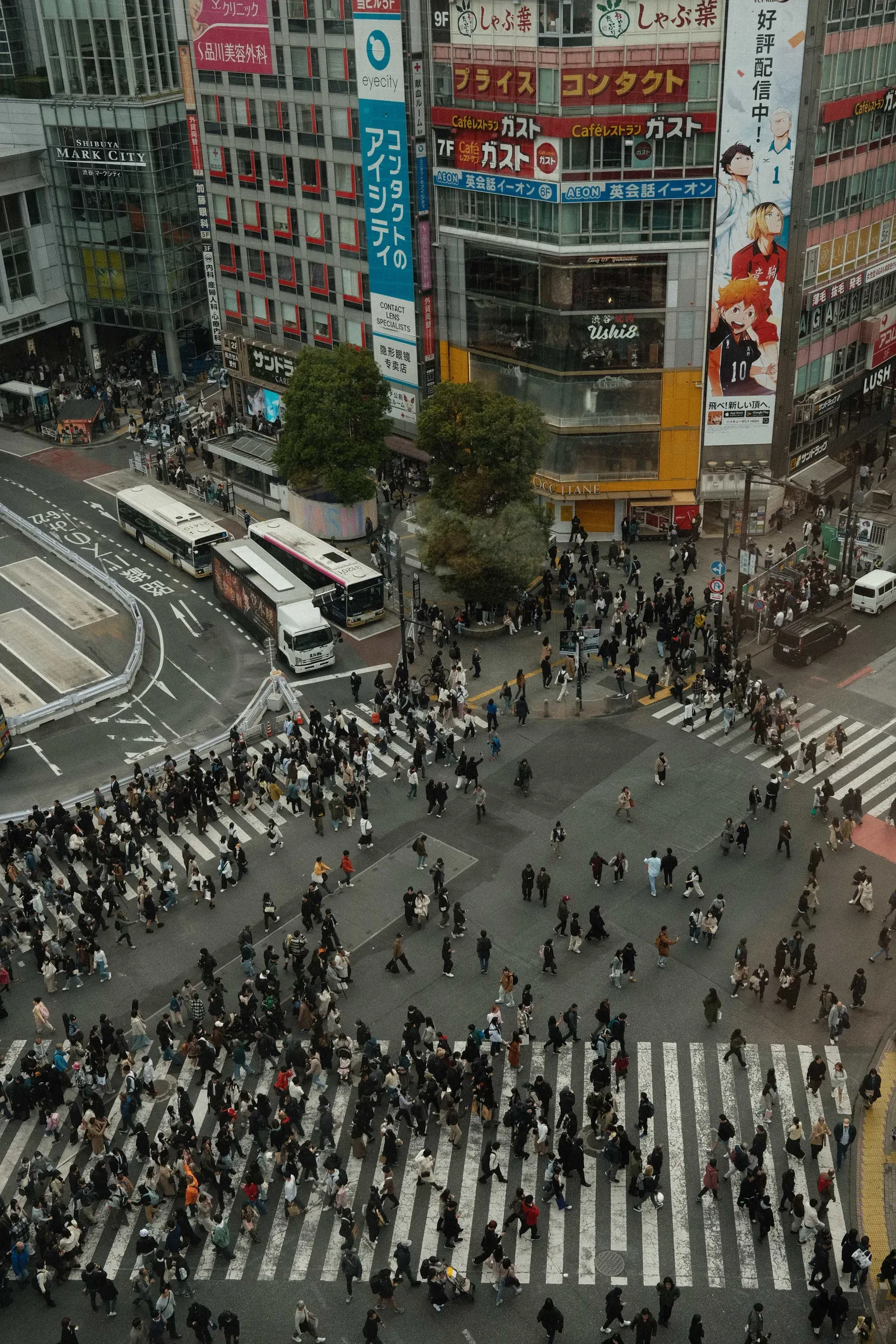
The heart of Shibuya is the famous Shibuya Crossing, one of the busiest pedestrian crossings in the world, where hundreds of people cross at once in every direction in perfect sync. It's a real show. The crossing became famous through the movie Lost in Translation. The best way to see it is from above, having a drink on the terrace at Shibuya Scramble or at the new Shibuya Sky observation deck.
🎟️ Shibuya Sky tickets
Price: 2,200 yen (~US$16.65)
Advance purchase: up to 4 weeks ahead
Last entry: 21:20
Around the station there's no end of stores, from Shibuya 109, a youth fashion icon where locals shop, to exclusive boutiques and well-known brand stores.
The range of bars, restaurants and cafés in Shibuya is just as huge, with options for every taste and budget, from traditional izakayas hidden in alleys to trendy rooftop bars and gourmet restaurants.
Our picks for eating in Shibuya:
- Shinbu Sakiya Ramen: gluten-free options for ramen, gyoza and fried chicken
- Katsudon-ya Zuicho: for trying the famous dish katsudon. Cash only, and no gluten-free options.
- About Life Coffee Brewers: for a good cup of coffee
🔗 Another way to get to know Shibuya in depth is this free walking tour.
🔗 In recent years, touring Shibuya in Mario Kart-style go-karts has become a trend. You can see the tour here.
2. Shinjuku: tips for exploring it
Shinjuku is the neighborhood that never sleeps. By day it's a financial and shopping hub, and at night it fills with lights, bars, restaurants and nightclubs.
It's home to Shinjuku Gyoen National Garden, one of the prettiest parks for seeing the cherry blossoms in spring. There's also the Tokyo Metropolitan Government Building, with a free observation deck and spectacular views of the city. On clear days you can even see Mount Fuji.
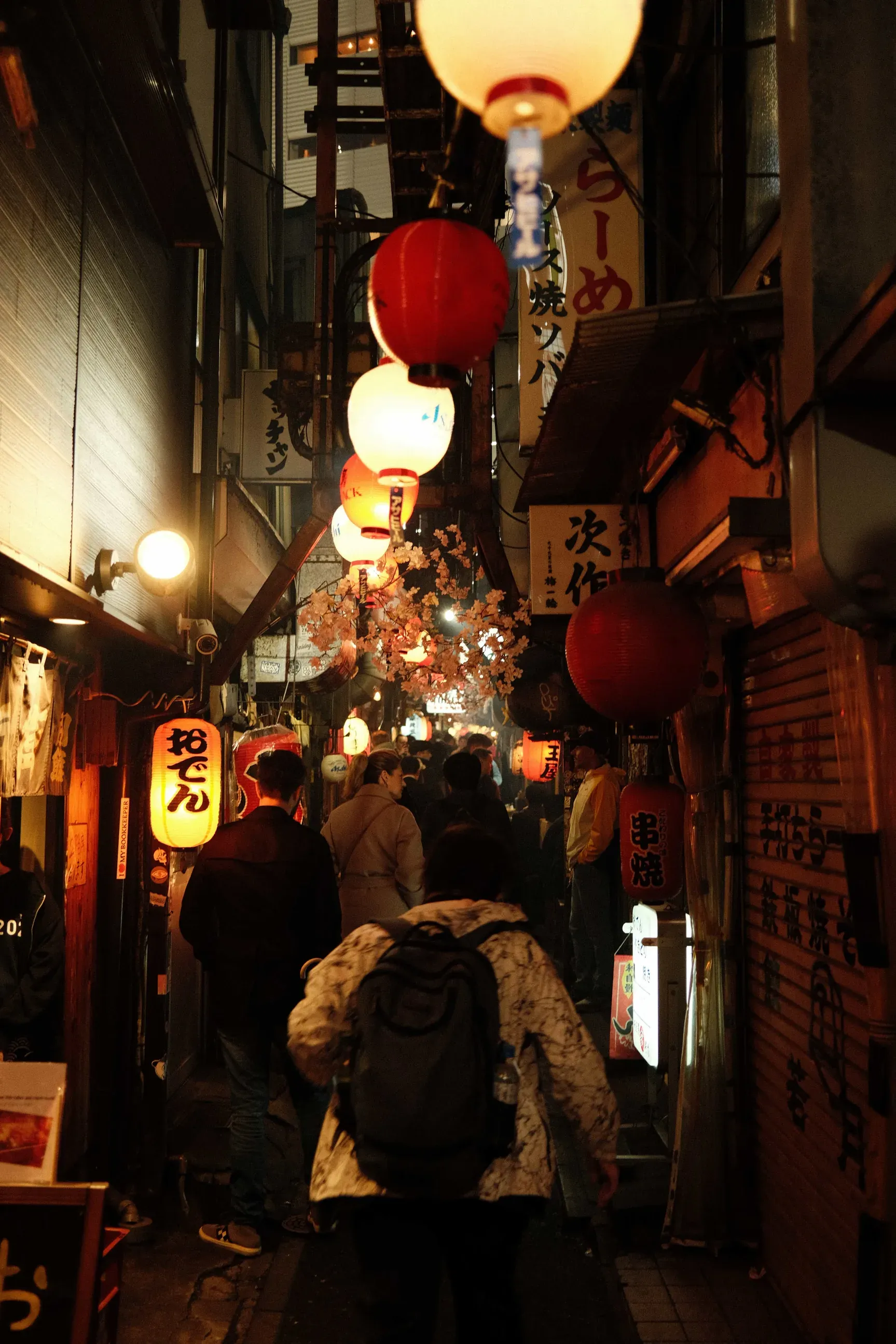
At night, you can't miss a walk through Omoide Yokocho, a super picturesque street lined with tiny restaurants serving yakitori (skewers) and other Japanese dishes. Afterward, we recommend heading to the little streets of Golden Gai, packed with super small bars in all kinds of styles. Almost every bar has a small counter that fits between 6 and 10 people. It's quite an experience.
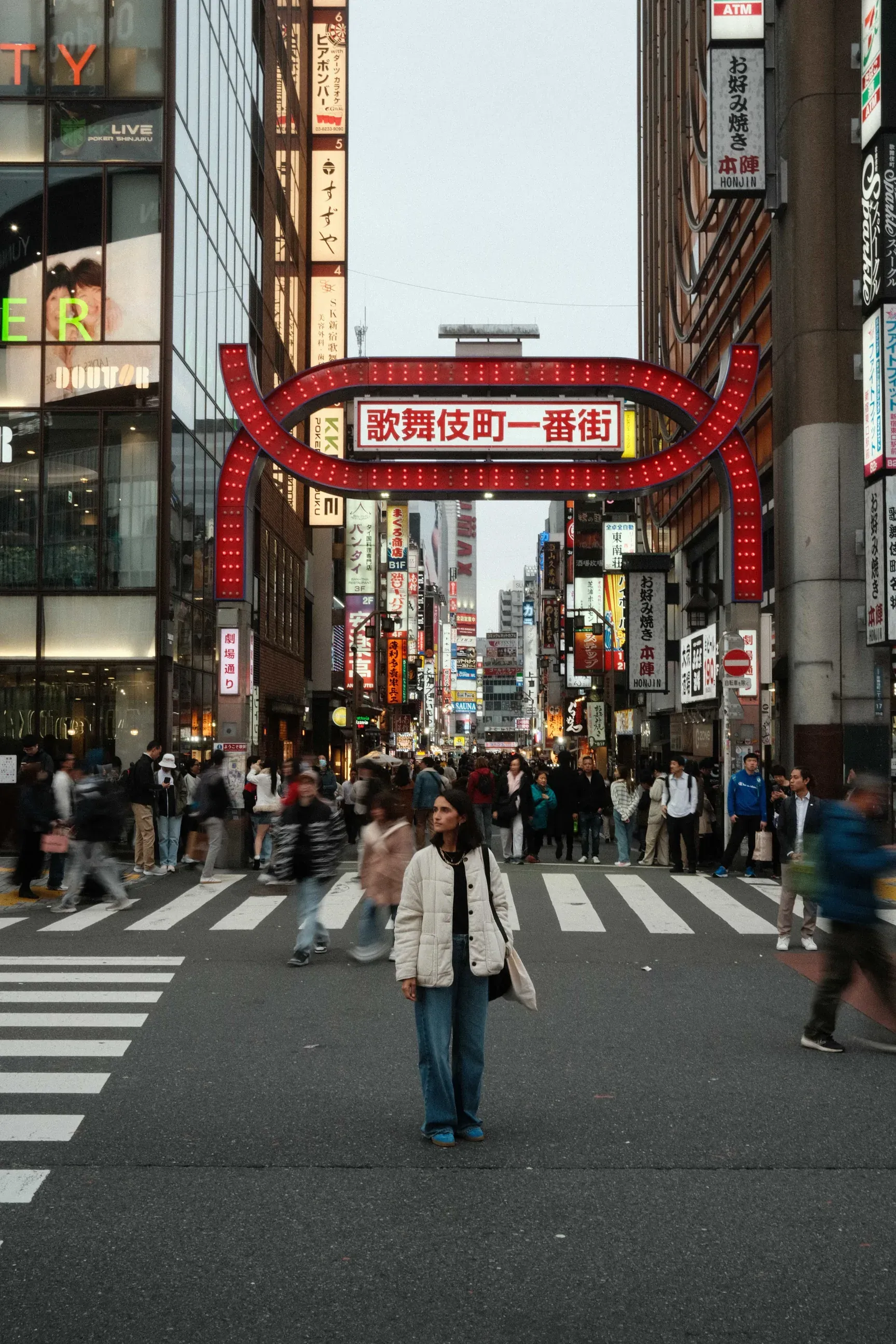
Shinjuku is also where you'll find Kabukicho, Tokyo's most famous nightlife district, known as the city's "red-light district." It's packed with bars, karaoke places, nightclubs, hostess bars and adult entertainment venues. Some of these venues have historically been linked to the yakuza (the Japanese mafia). That doesn't mean it's dangerous, but you do need to pay attention. People on the street will often try to catch your attention and get you into certain bars, and in many cases the prices aren't entirely clear. So we recommend always confirming prices before you order anything, to avoid surprises.
If Shibuya Station seemed huge to us, Shinjuku Station is a whole city 🤯. With more than 200 exits, it's the busiest train station in the world, averaging more than 3.5 million passengers a day.
🔗 You can explore Shinjuku with a local on this free walking tour.
3. Asakusa: Tokyo's traditional neighborhood
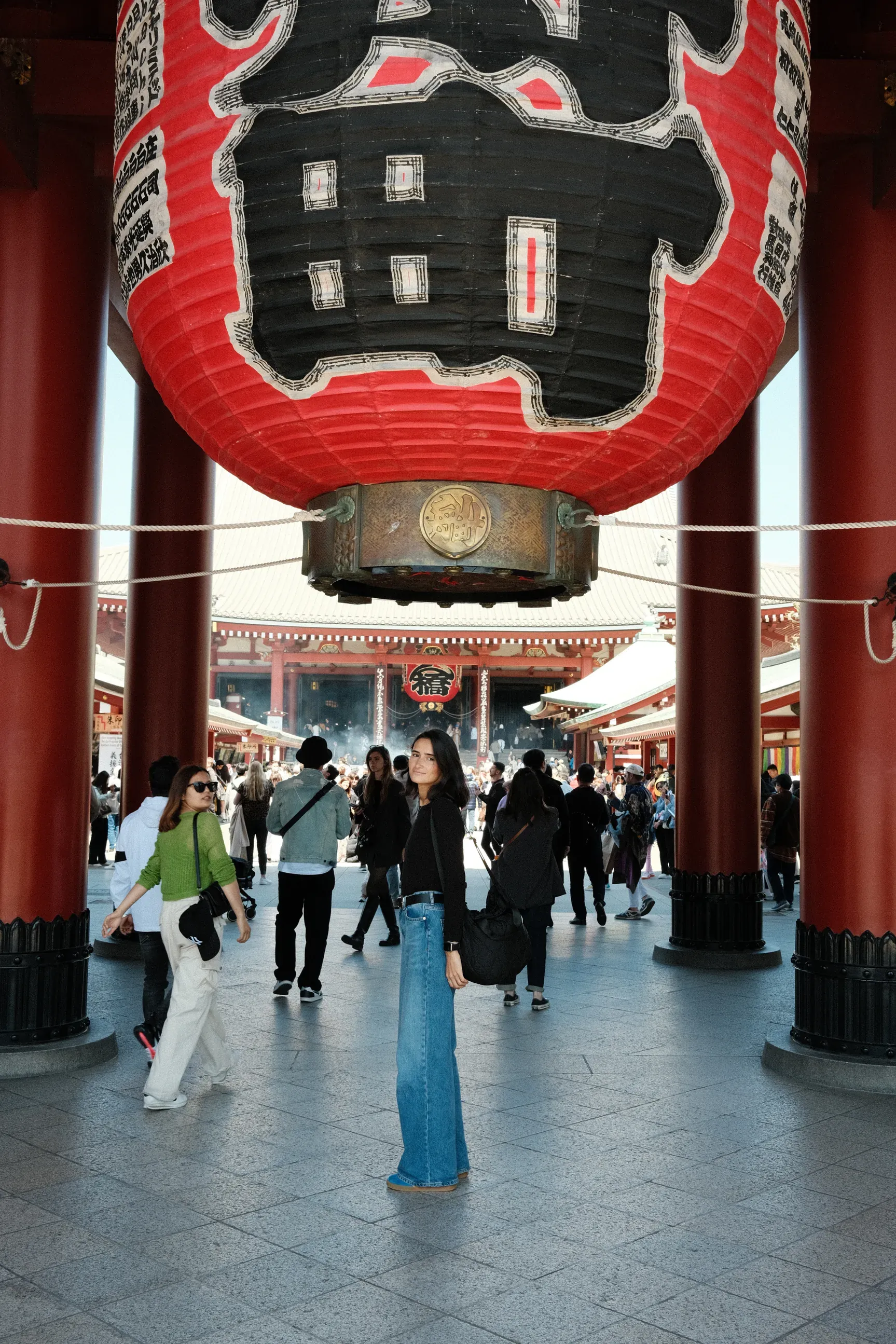
Asakusa is known as the neighborhood that keeps the spirit of traditional Japan alive in the middle of a modern city, and it's closely tied to Tokyo's history and culture. Its main attraction is Sensoji Temple, the oldest Buddhist temple in the world. You enter through Kaminarimon Gate, with its famous giant red lantern, which you've surely seen in plenty of photos.
After the temple, you can walk along the Nakamise-dori shopping street to buy crafts and souvenirs. Since it's an extremely touristy spot, we recommend going very early in the morning. Also don't miss going up to the top floor of the Asakusa Culture Tourist Information center for a free view of the temple and Nakamise-dori.
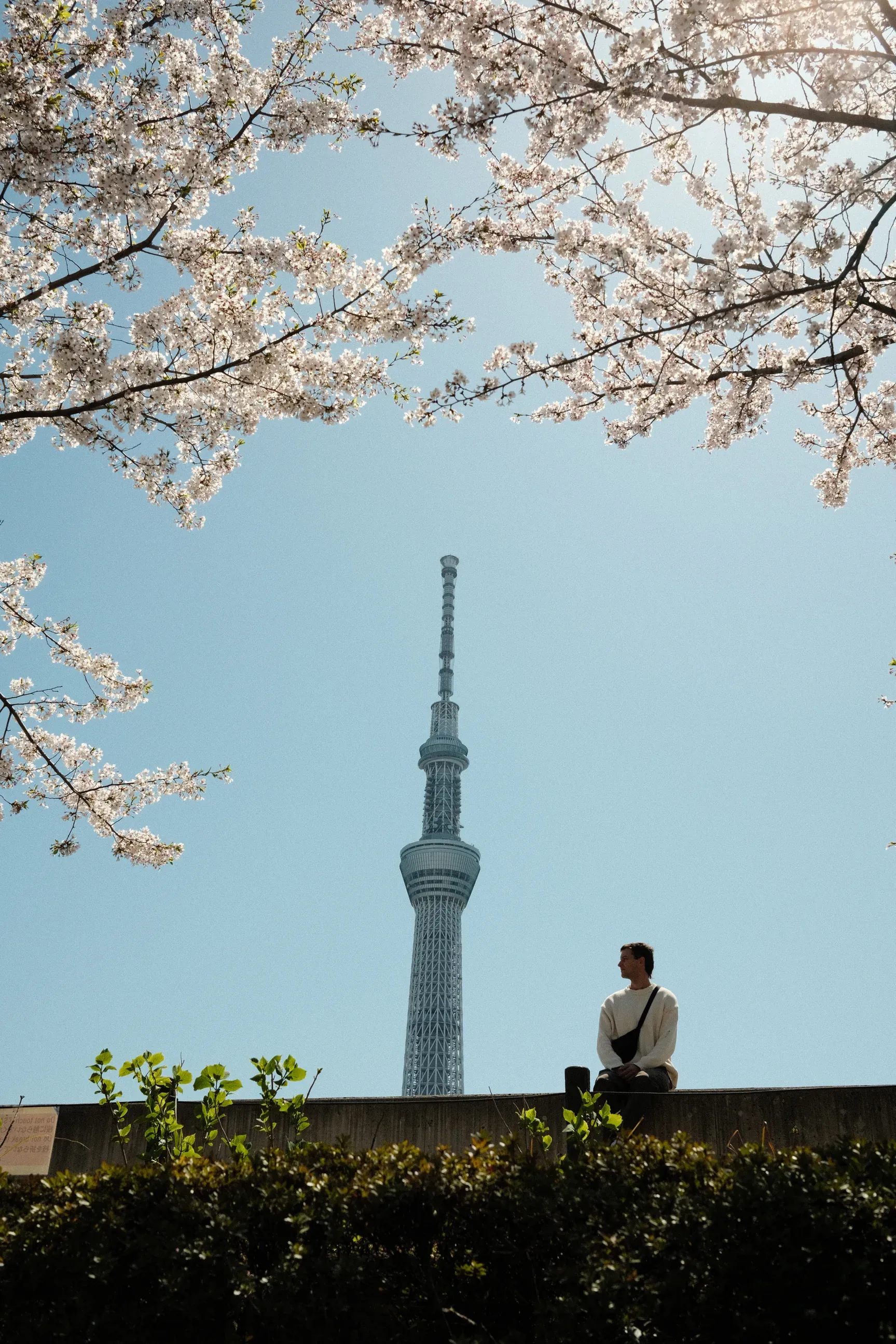
Then we recommend a walk through Sumida Park for perfect views of the Tokyo Skytree. In spring the park turns pink with cherry blossoms, and it's beautiful.
Another street you can't miss in Asakusa is Hoppy Street, a quiet, picturesque street that's ideal for enjoying traditional Japanese food. It's named after a drink, Hoppy, created in 1940 when beer had become expensive and scarce. It's still sold today, so a walk down this street is a good chance to try it.
🔗 Get to know Asakusa in depth on this tour.
4. Akihabara
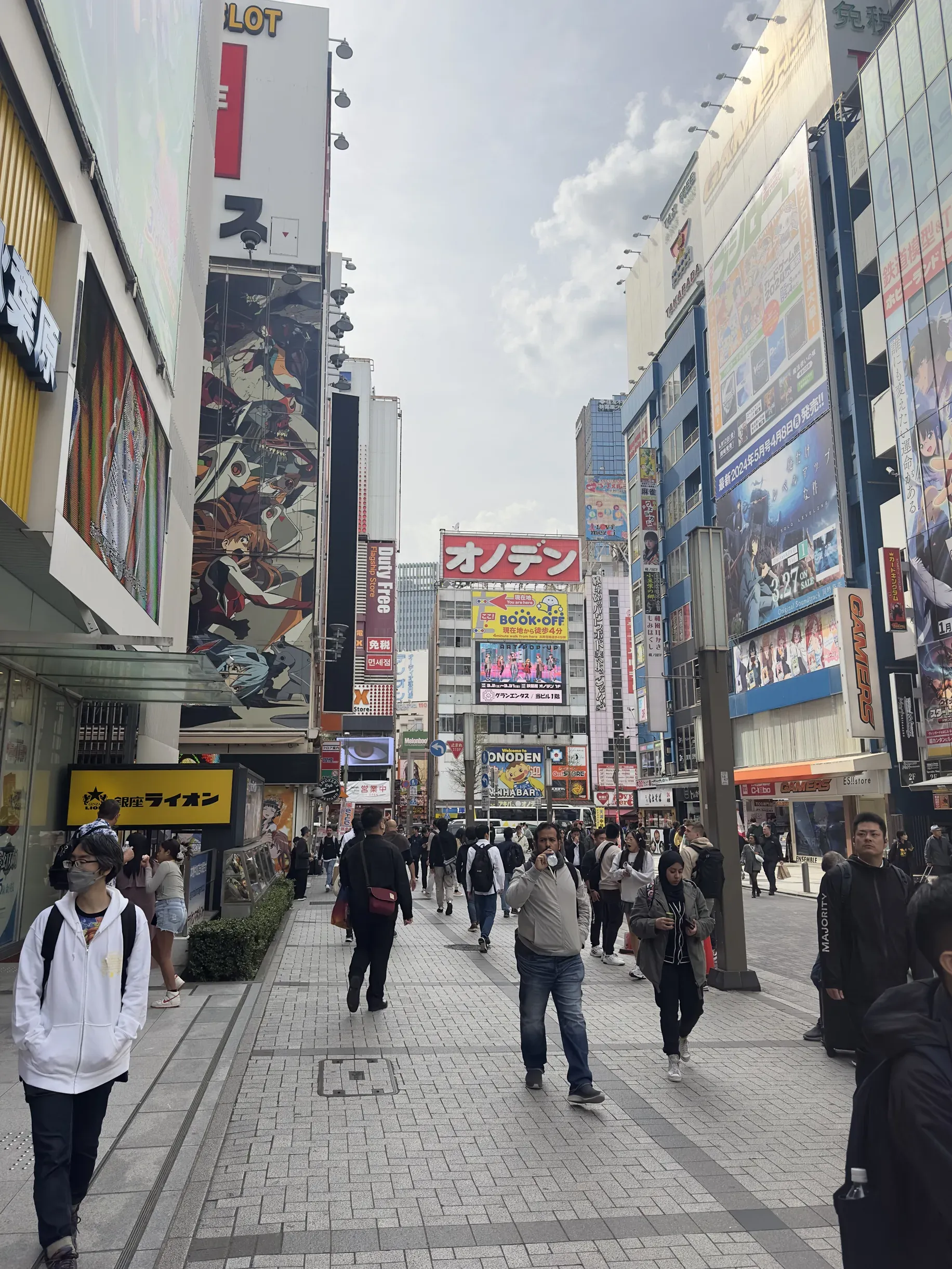
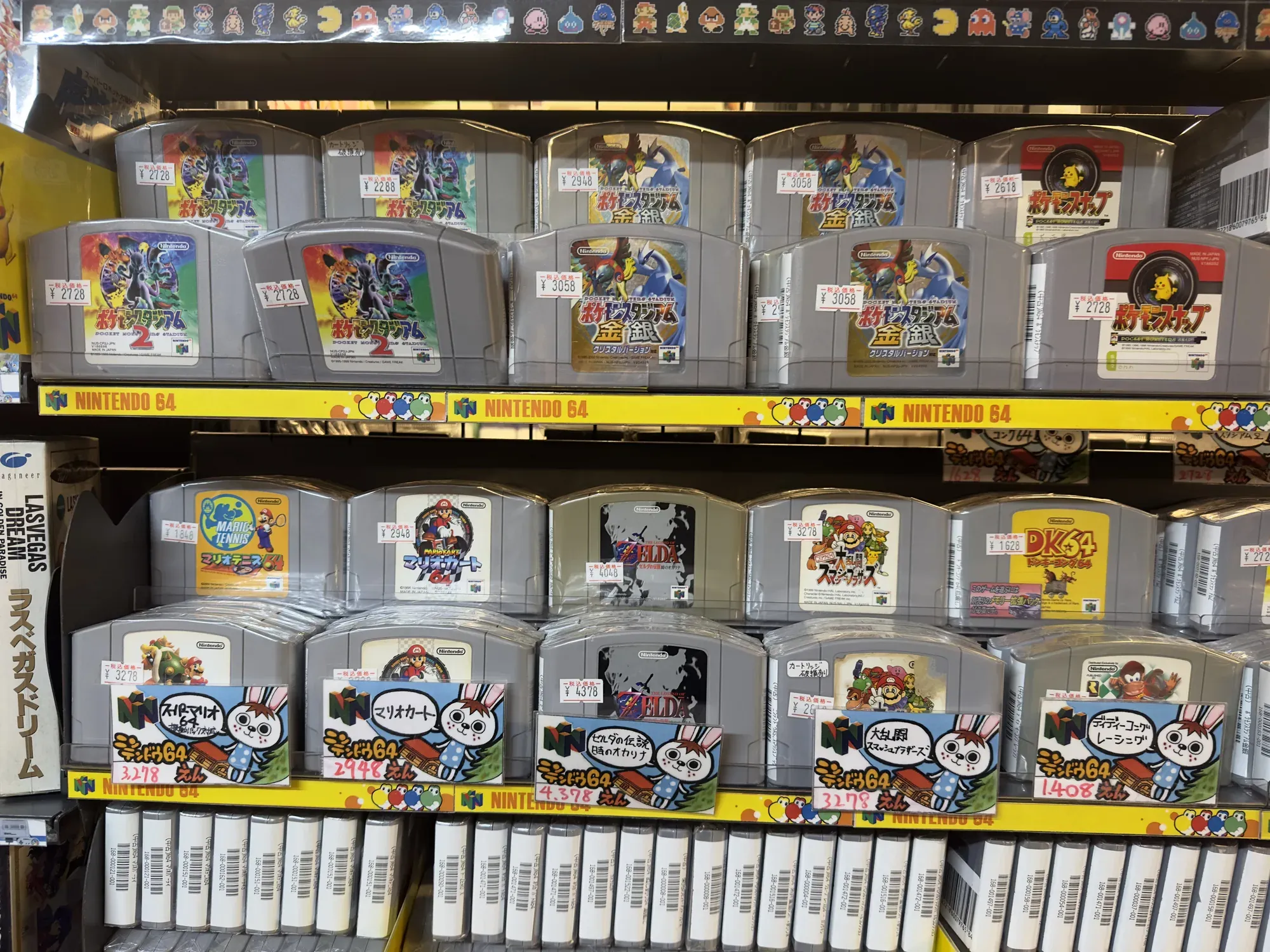
Also known as Akiba, this is one of Tokyo's most distinctive neighborhoods. It's known as the epicenter of otaku culture, with thousands of stores selling electronics, video games, and anime and manga goods. The best day to visit is Sunday, when the main street closes to traffic, there's more life on the streets and you're more likely to see people dressed as anime and manga characters (cosplay).
While you're in Akihabara, don't miss Radio Kaikan, one of its most iconic buildings, with several floors of anime, manga and tech stores. Another store you can't miss is Super Potato, full of '90s tech and the video games of our childhood.
This neighborhood is home to the famous maid cafés, themed cafés where the waitresses dress as anime maids. They're an experience in themselves. We didn't go, but from what we read on forums and blogs, if you're not into anime and manga it will probably feel a bit strange and you may not be very comfortable.
🔗 A good way to get to know Akihabara is a free walking tour like this one.
5. Ginza
Ginza is the neighborhood of luxury and fashion. Its streets are full of designer stores, high-end boutiques, art galleries and cafés. On weekends, the main street becomes a pedestrian zone.
One of the places not to miss is Uniqlo, the brand's biggest store in Japan, with 4 floors of its full clothing line, special collaborations and an area where you can customize your clothes. We also recommend visiting Itoya, an iconic 12-story stationery store with design items and one-of-a-kind objects. If you love stationery, it's a stop you can't skip!
Ginza is also great for architecture lovers: brands like Louis Vuitton, Dior and Mikimoto have buildings that look like works of art.
Our picks for eating in Ginza (gluten-free friendly):
- Soranoiro - Nippon: ramen with a gluten-free option.
- Ain Soph Ginza: really tasty plant-based food.
- Fancl brown rice meals: a healthy menu with rice.
- Chaya Natural & Wild Table: modern, natural Japanese cooking with gluten-free options.
And just a few steps from Ginza you can visit the alley under the Yurakucho train tracks, a spot with traditional izakayas and places serving sushi, ramen and yakitori. We didn't eat there because of the gluten, but it's worth stopping by for the local, authentic atmosphere.
🔗 Explore the city on a Hop on / Hop off bus.
6. Harajuku: fashion and pop culture
Harajuku is one of Tokyo's most famous neighborhoods and an essential stop if you're interested in Japanese fashion and pop culture, or if you're looking for quiet corners to switch off from the pace of the city.
What to do in Harajuku
- Walk down Takeshita Street: Harajuku's most iconic street. You'll find clothing stores, kawaii accessories, strange snacks and lots of vintage shops. It can get pretty chaotic, but the atmosphere is worth experiencing.
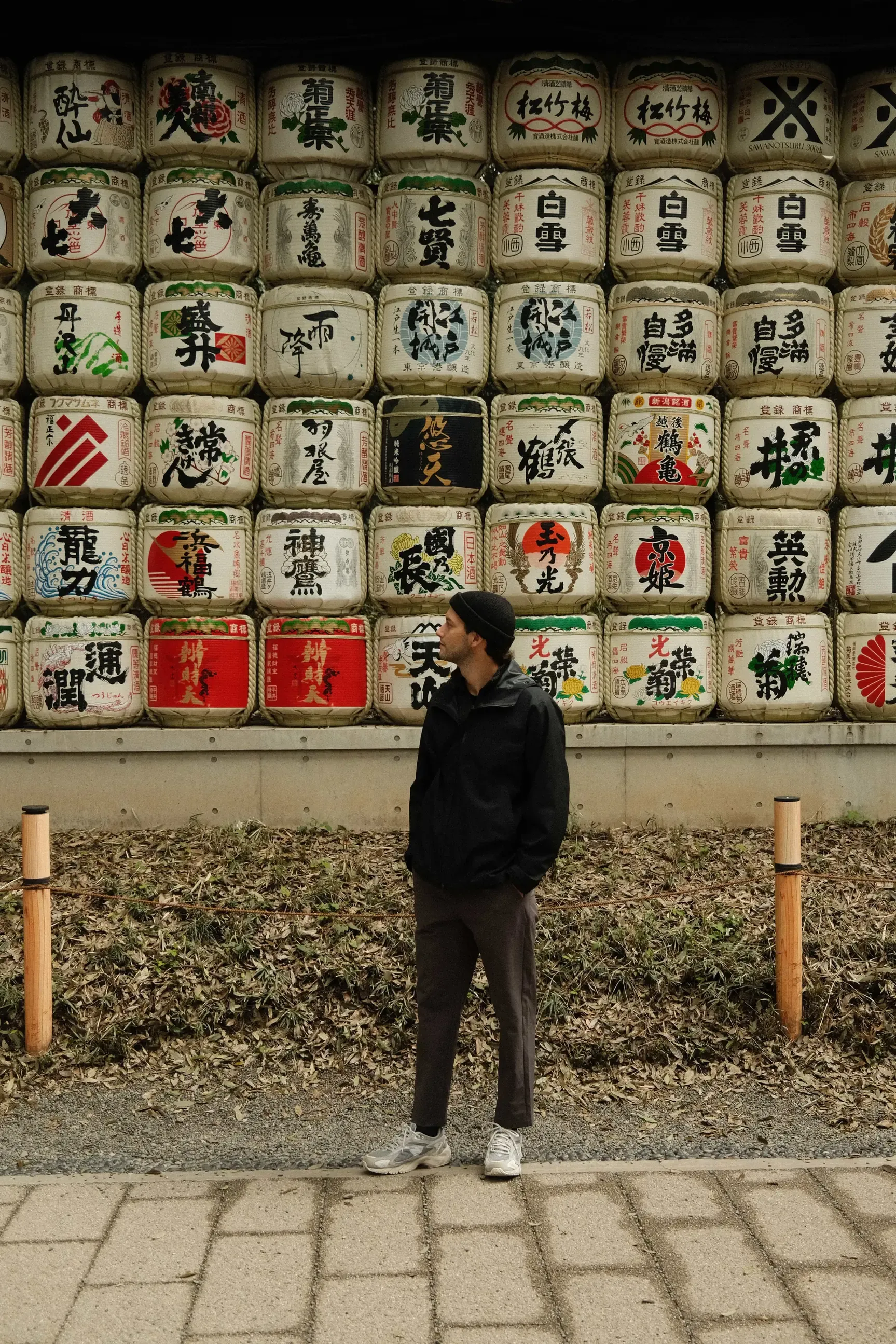
- Visit Meiji Jingu Shrine: one of Tokyo's most important shrines, surrounded by a huge forest. It's ideal for a quiet walk and for learning more about Japanese spirituality.
- Stroll along Omotesando: known as the “Champs-Élysées of Tokyo,” this tree-lined avenue is full of designer stores, luxury brands and modern architecture. The Omotesando Hills mall is a good place to escape the heat or rain, with exclusive stores and cafés.
- Take a break in Yoyogi Park: one of the city's biggest green spaces. If you go on a Sunday, you may come across people dancing, playing music or just enjoying the day. It's perfect for a picnic or a break from sightseeing.
- Get off the main streets: what we liked most about Harajuku was getting lost in its side streets. We found quiet cafés, independent shops and a much more relaxed vibe.
Where to eat in Harajuku (with gluten-free options)
Harajuku was one of our favorite neighborhoods to eat in, especially because of how many gluten-free options it has. Here are some recommendations:
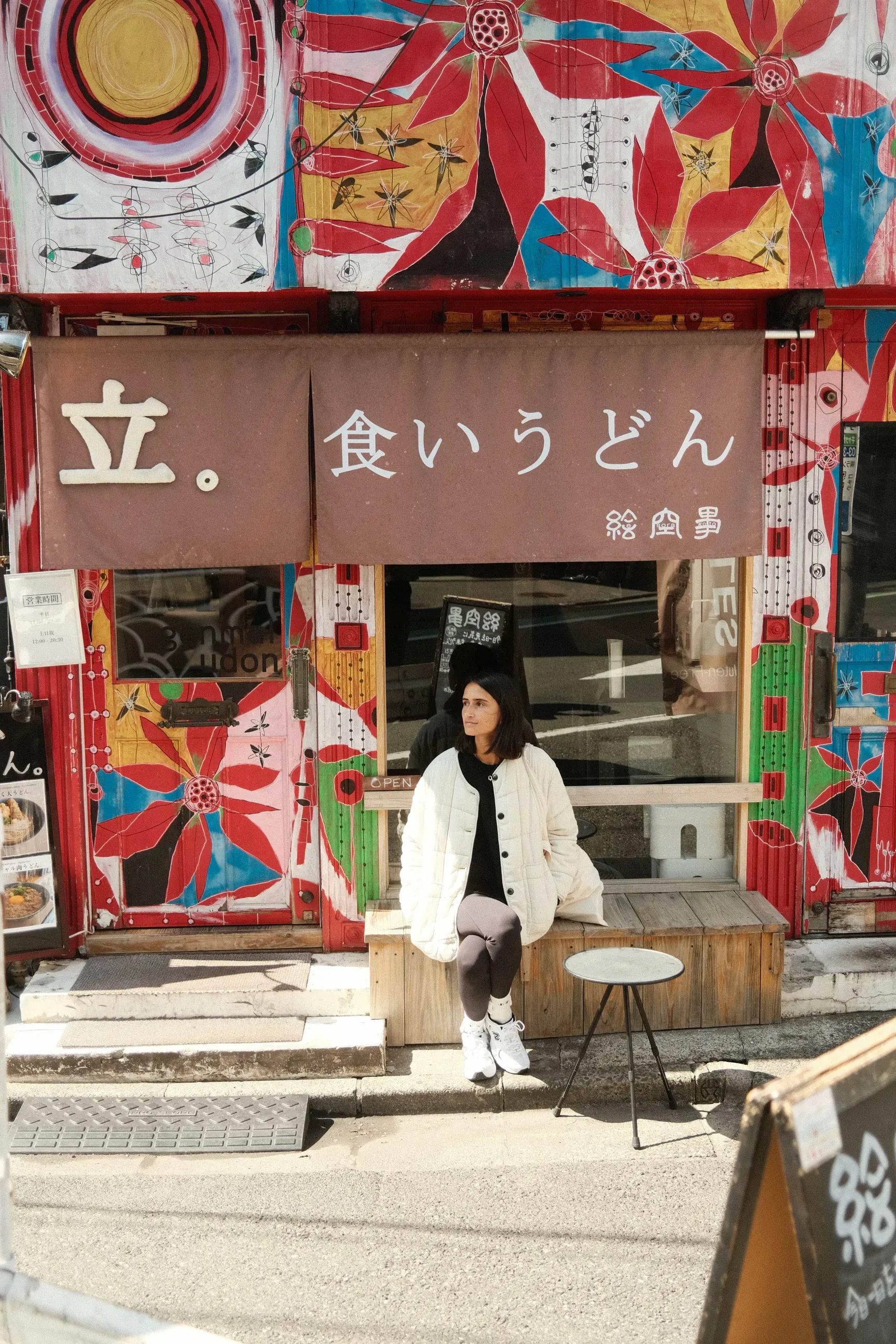
- Esoragoto Udon: one of the best udon we had in Japan. The best part: it's gluten-free. The place is a small counter where you eat standing up, like the classic Japanese tachigui (stand-up eateries).
- Rizlabo Kitchen: you can't miss the Japanese pancakes, with several gluten-free options.
- BREIZH Café Crêperie Omotesando: a crêperie with gluten-free options.
- RICEHACK Glutenfree Bakery: a 100% gluten-free bakery.
- I’m donut?: a very trendy chain in Tokyo, famous for its fluffy filled donuts. It has several locations around the city. (not gluten-free)
- Higuma Doughnuts: a specialty coffee shop, ideal for a break with a donut in hand. Nice setting and good service. (not gluten-free)
7. Ueno: museums, parks and culture
Ueno is one of Tokyo's most important cultural areas. If you're putting together your itinerary and wondering what to see in Tokyo beyond the most modern neighborhoods, make sure Ueno is on it.
The nicest part of the area is Ueno Park, ideal for a stroll or a picnic and, if you're traveling in spring, for enjoying the cherry blossoms. Inside the park are some of Tokyo's best museums, like the Tokyo National Museum, the National Museum of Nature and Science, and the National Museum of Western Art.
Very close by, you can wander through Ameyoko, a classic local market. It's an alley full of street stalls and stores selling clothes, snacks and souvenirs.
Ideal for cloudy days or if you're interested in classical Japanese culture.
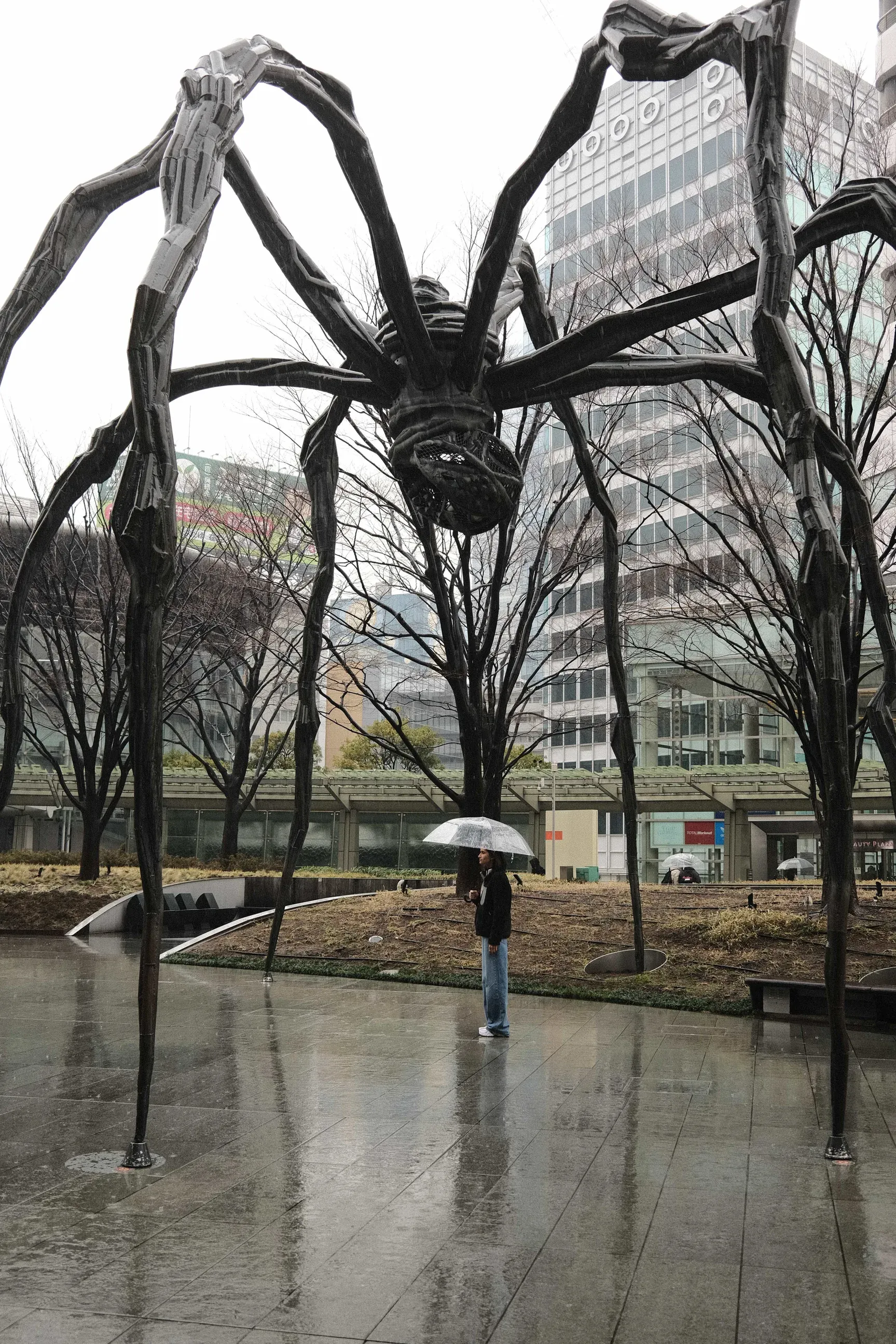
8. Roppongi and Tokyo Tower: art, views and charming corners
If you're looking for a neighborhood that combines art, modern architecture and spectacular views, Roppongi and the area around it are a great addition to your Tokyo itinerary.
One of the main attractions is the Roppongi Hills Observatory (Tokyo City View), with an incredible panoramic view of the city and Tokyo Tower. The same complex has the Mori Art Museum, with contemporary exhibitions and a terrace that's perfect for taking photos.
👉🏻 Get your ticket to the Roppongi Hills Observatory
Very close by, next to Roppongi Keyakizaka station, there's a street that's transformed in spring by the sakura in bloom and lit up at night with lights that give it a magical atmosphere.
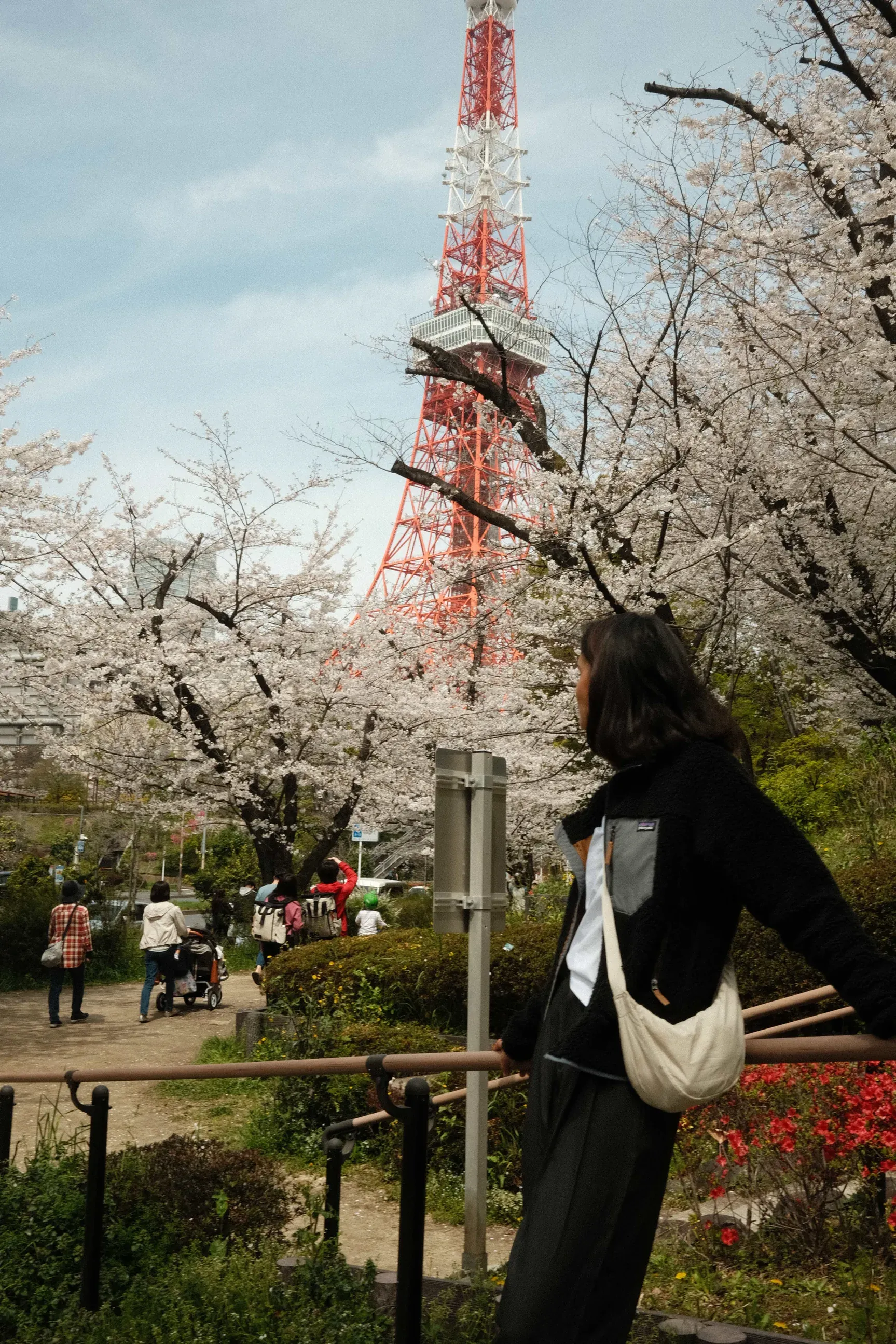
The famous Tokyo Tower is a few minutes' walk away. From under Akabane Bridge you get a direct view of the tower, especially at sunset or at night. Another good place to see it is Momiji-dani Park, which turns pink with cherry blossoms in spring and shades of red and gold in the fall. Right next to it is Zojoji Temple, a Buddhist temple with a lot of history and a classic photo of the tower rising behind it.
👉🏻 Get your ticket to go up Tokyo Tower here.
Where to eat gluten-free in Roppongi
- Gluten Free T’s Kitchen: gluten-free Japanese fried chicken.
- Pizzakaya: American-style pizza with a gluten-free option.
- Cafe Komaya: a quiet café with cakes, bread and 100% gluten-free options.
9. Chiyoda: imperial history
Chiyoda is the political and imperial heart of Tokyo. This is where you'll find the Imperial Palace, the residence of Japan's imperial family, surrounded by gardens. It's an elegant area, quieter than other neighborhoods, ideal for an unhurried walk.
It's also one of the best places in Tokyo to see the cherry blossoms. If you're in the city between late March and early April, don't miss it.
You can't go into the main building of the Imperial Palace, but you can walk around its perimeter, cross the famous Nijubashi Bridge and visit the East Gardens, which are free and very pleasant to walk through. Everything is spotless and well kept.
There's also Chidorigafuchi Park, a path alongside the palace lined with cherry trees.
Yasukuni Shrine is a Shinto shrine surrounded by cherry trees. It's very peaceful and less touristy than others, with several street food stalls at the entrance.
If you're into art, MOMAT (the National Museum of Modern Art, Tokyo) is nearby. It has 20th-century Japanese works and a café overlooking the palace gardens.
10. Odaiba
Odaiba is an artificial island in Tokyo Bay, with a futuristic feel, giant malls, incredible views and plenty of activities for every taste.
In front of DiverCity Tokyo Plaza you'll find the famous life-size Gundam robot. It's 19 meters tall and it moves! Every so often there's a light and sound show. If you like anime, it's an essential stop.
The views of Rainbow Bridge at sunset or at night are spectacular. You can walk across it or just enjoy it from the shore or a viewpoint.
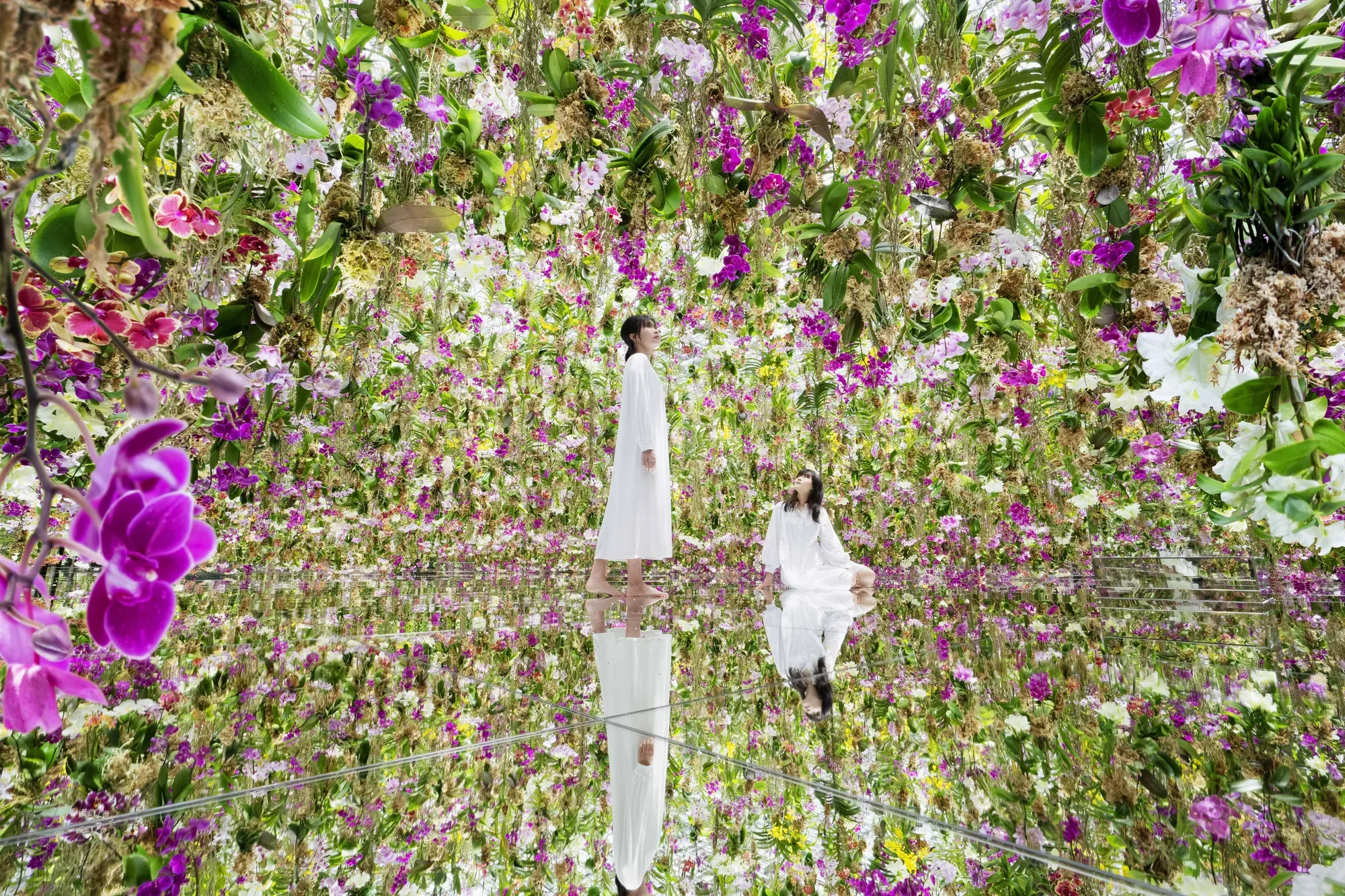
Go to the famous teamLab Planets. It's not strictly in Odaiba, but it's very close. It's an immersive experience with lights, mirrors, water and digital art. One of a kind.
Book your ticket for teamLab Planets TOKYO now (no lines and a guaranteed time slot):
👉 teamLab Planets TOKYO tickets
You can also go shopping or grab a bite at one of the area's many malls.
11. Shimokitazawa
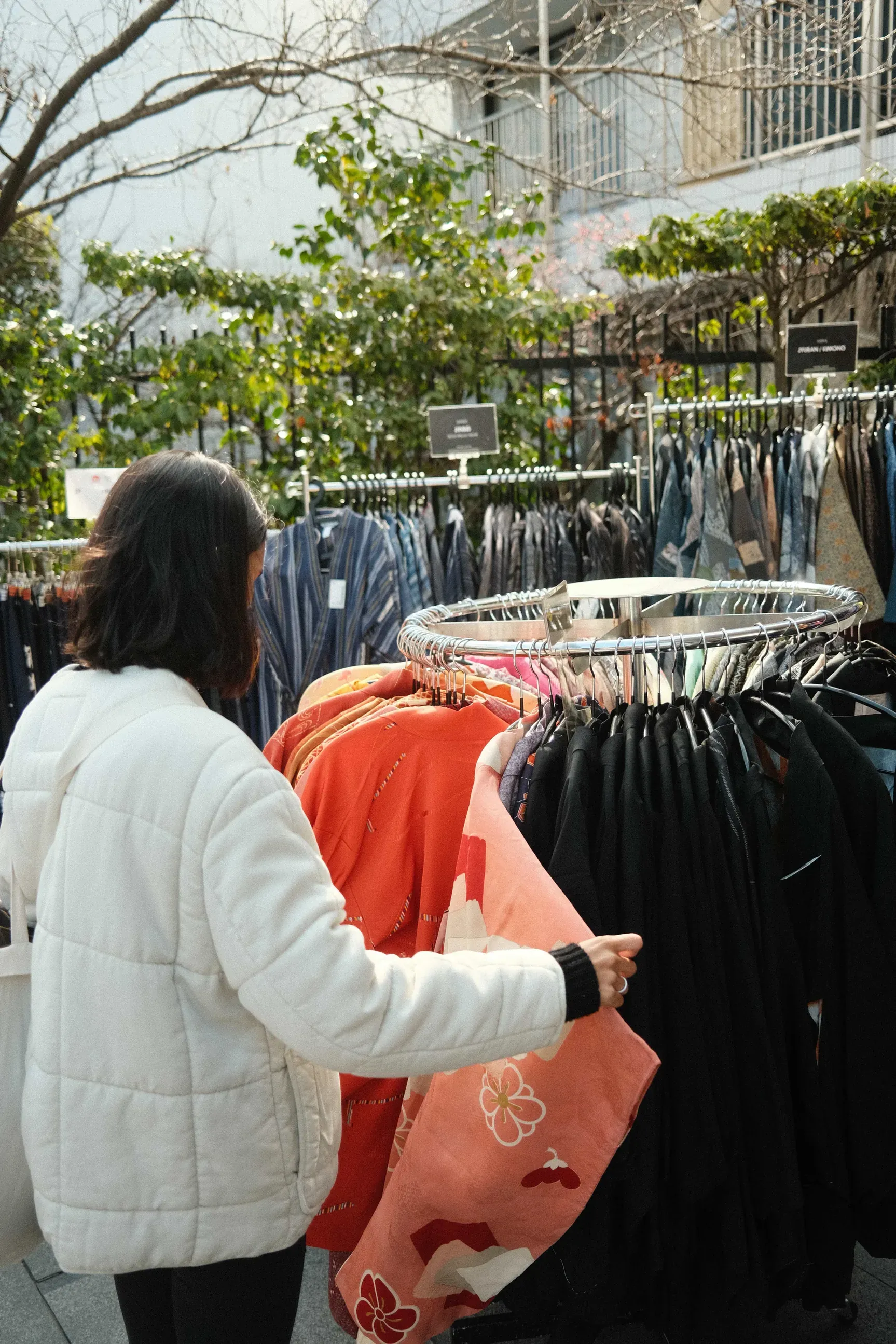
If you're looking for an alternative, artsy, laid-back Tokyo, you have to go to Shimokitazawa. It's a bohemian neighborhood full of vintage shops, record stores, little cafés and hidden bars. It's ideal for wandering aimlessly through its narrow streets, especially if you like secondhand fashion or finding one-of-a-kind objects.
It has a hipster but authentic feel, far from the frantic pace of other areas. It's one of those neighborhoods where you go with no expectations and end up spending hours walking, taking photos and discovering little corners.
It's a neighborhood to see on foot. It's best to go with no rush, ready to explore. Most places open after noon, so don't go too early.
Other places we loved in Tokyo
They're not among the best-known or most central neighborhoods, but these corners of Tokyo are worth it if you have a few extra days:
📍 Gōtokuji Temple and the cat tram
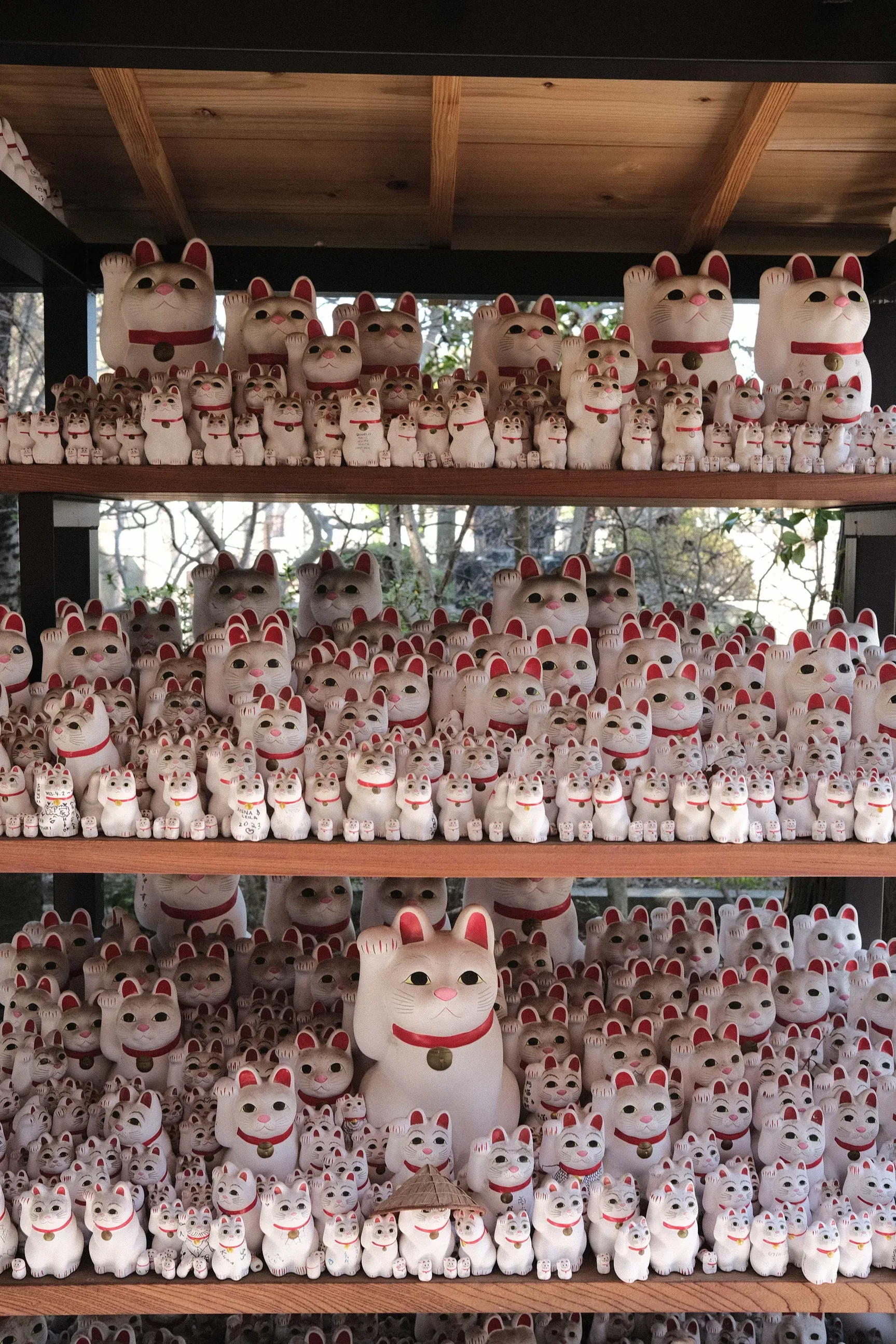
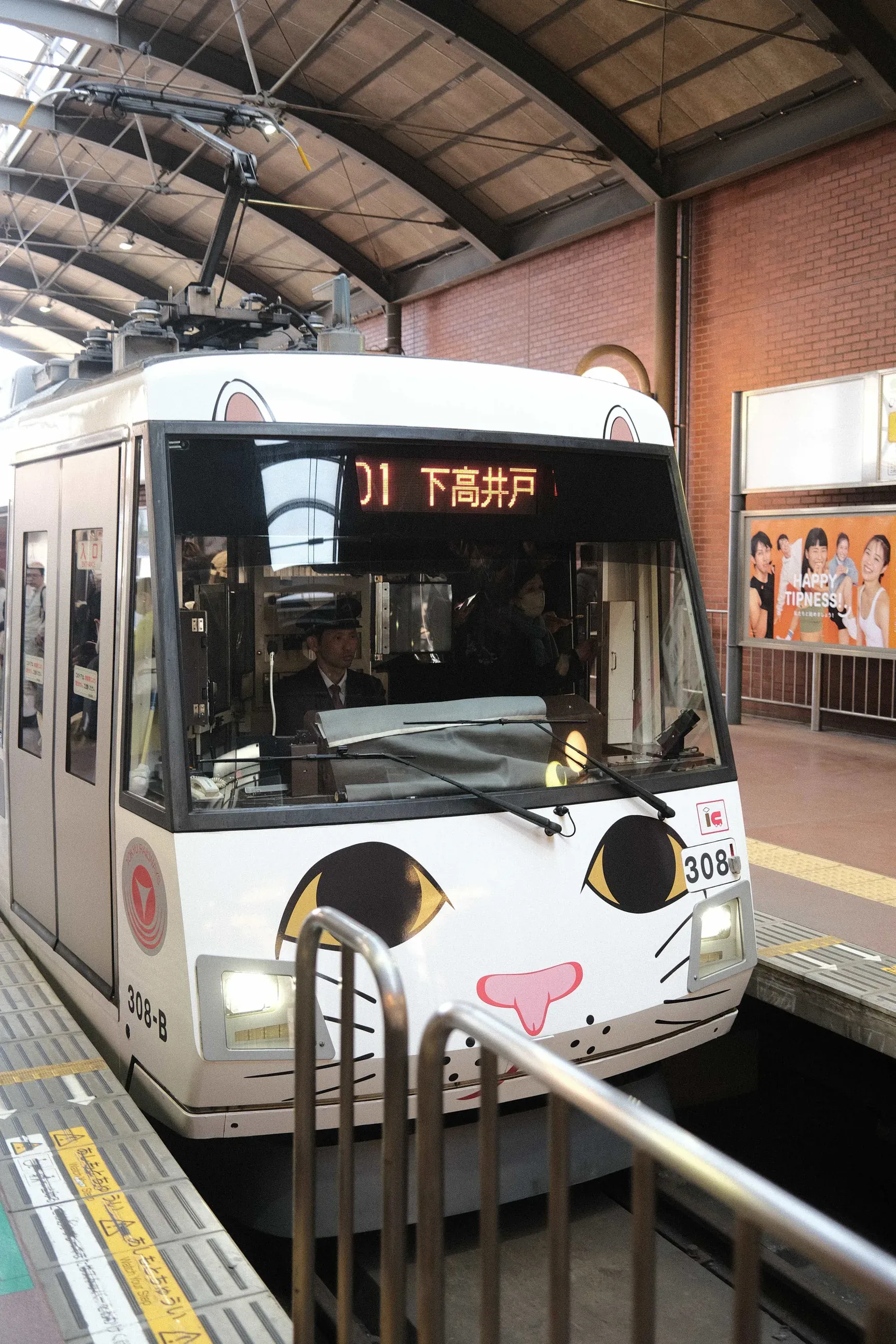
If you like unusual temples and cats, this place is for you. Gōtokuji Temple is known for its hundreds of maneki-neko, the lucky cats. It's in a very quiet residential neighborhood, ideal for an unhurried stroll. A good way to get there is the Setagaya Line tram, which also has a cat-themed car.
✨ Tip: Ideal for a relaxed morning away from the usual tourist circuit. It's not usually crowded.
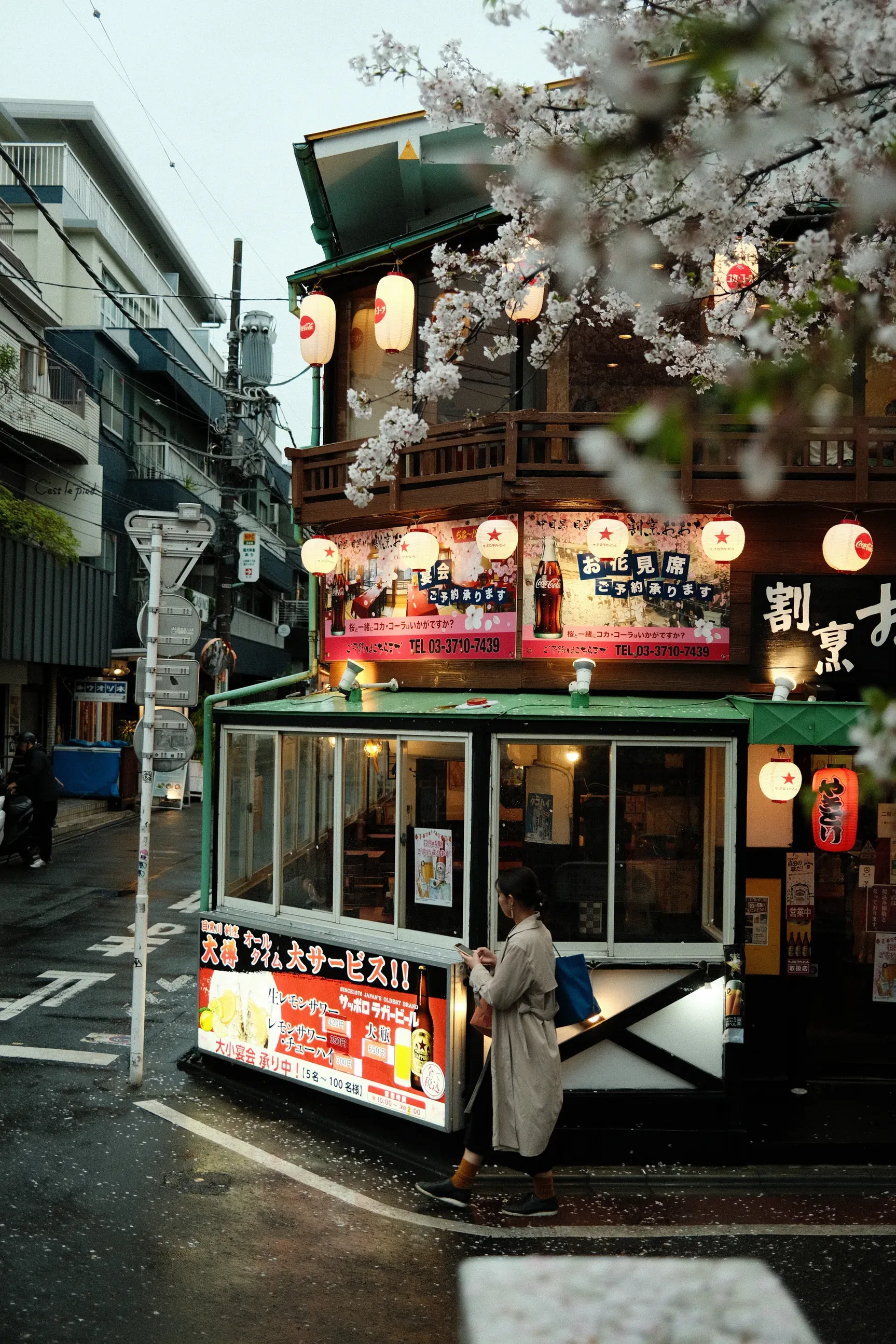
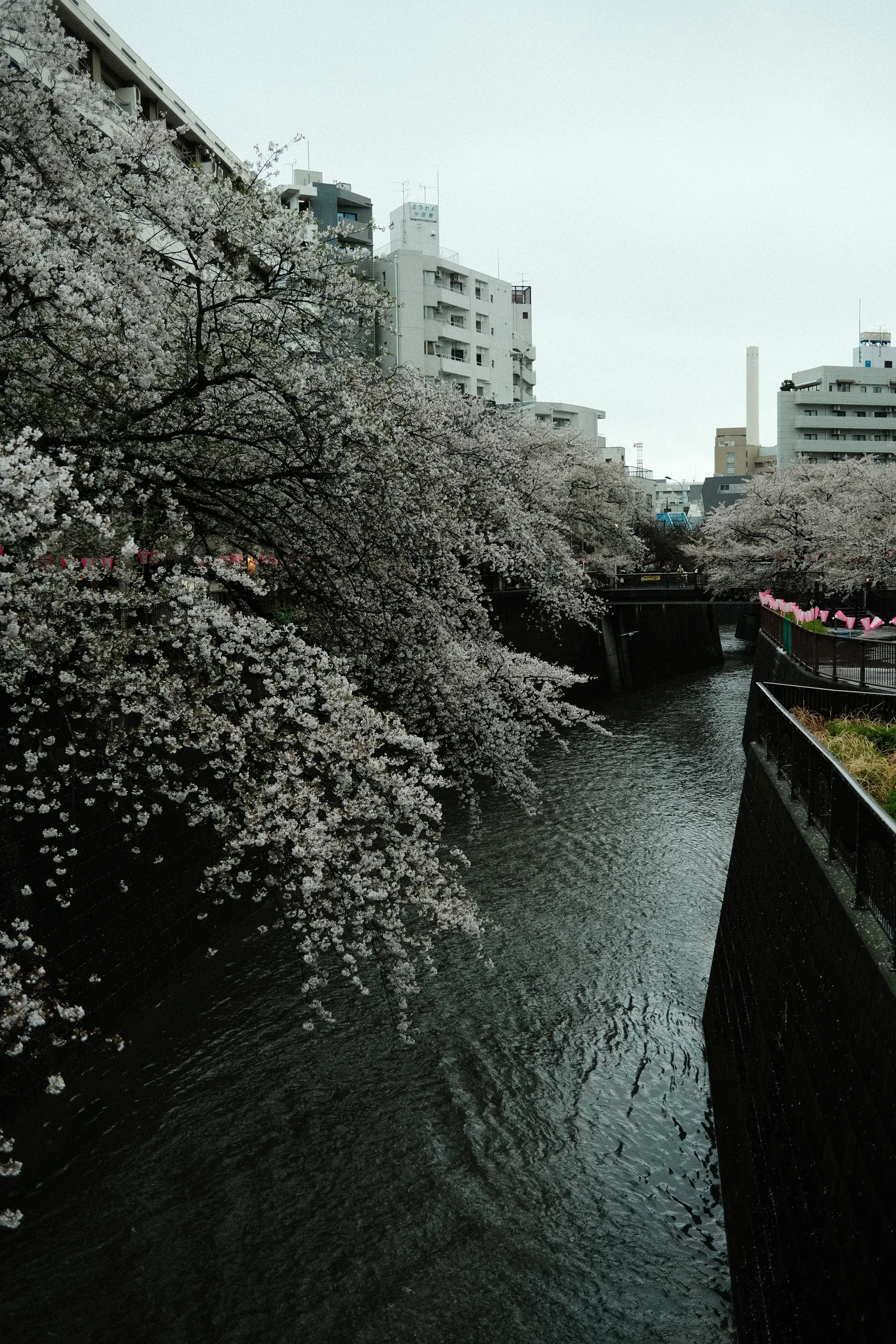
🌸 A walk along the Meguro River
If you're in Tokyo in spring, this is one of the prettiest places to see the cherry blossoms (sakura). The whole path along the river turns pink, and it's lined with bars and cafés where you can sit down for a drink overlooking the canal.
🧭 Tip: plan your days by area
Since Tokyo is so big, we recommend dividing your days by area to make the best use of your time and transportation. In our itineraries guide we show you how to combine neighborhoods efficiently.

See all the tours you can take here
See tours on GetYourGuide (opens in a new tab)
This is an affiliate link: if you book or buy through it, we earn a commission at no extra cost to you.
Day trips from Tokyo
Tokyo is fascinating, but it's also an excellent base for getaways to incredible places just a few hours away. Here are some great options you can do in a day (though in some cases we recommend spending at least one night).
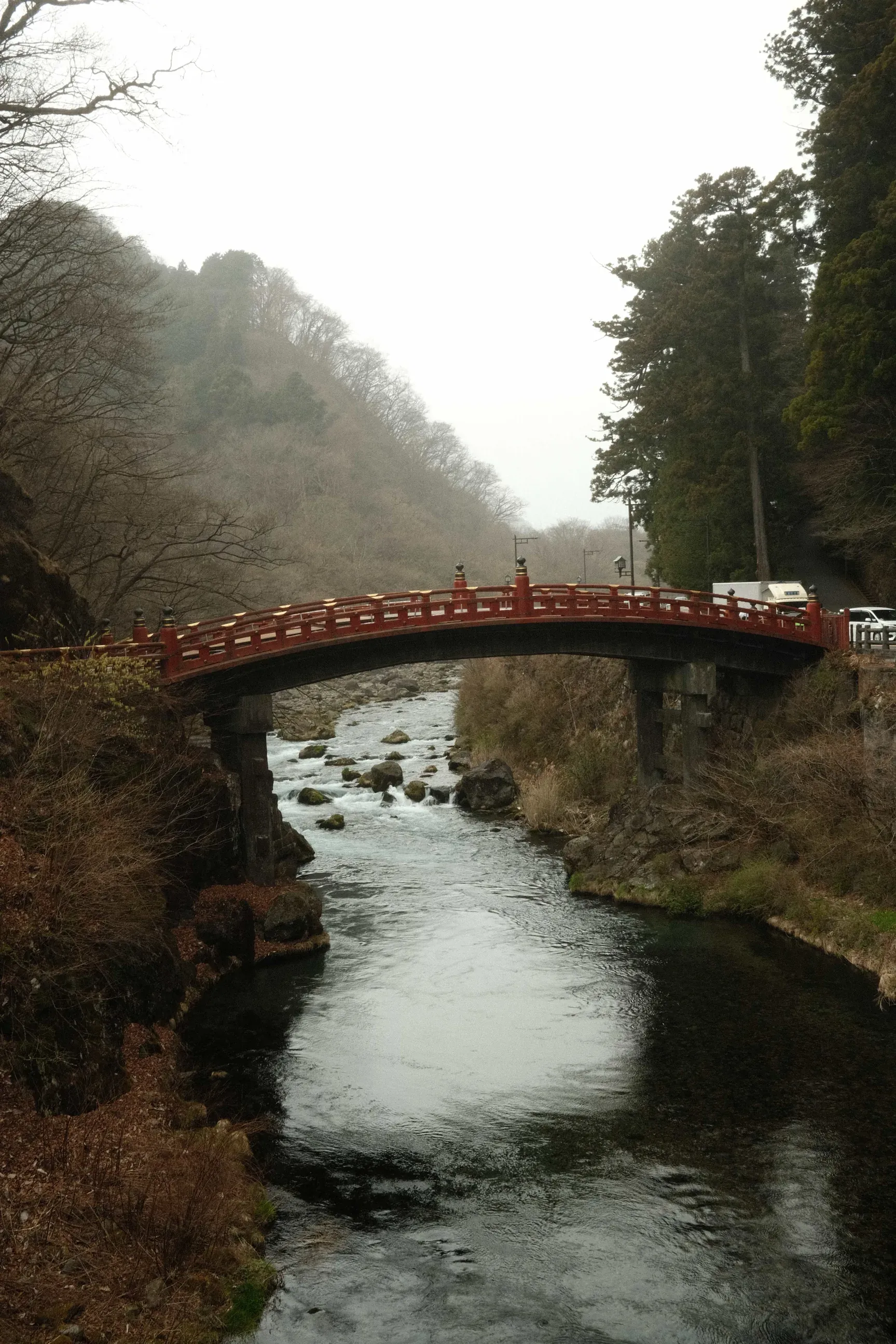
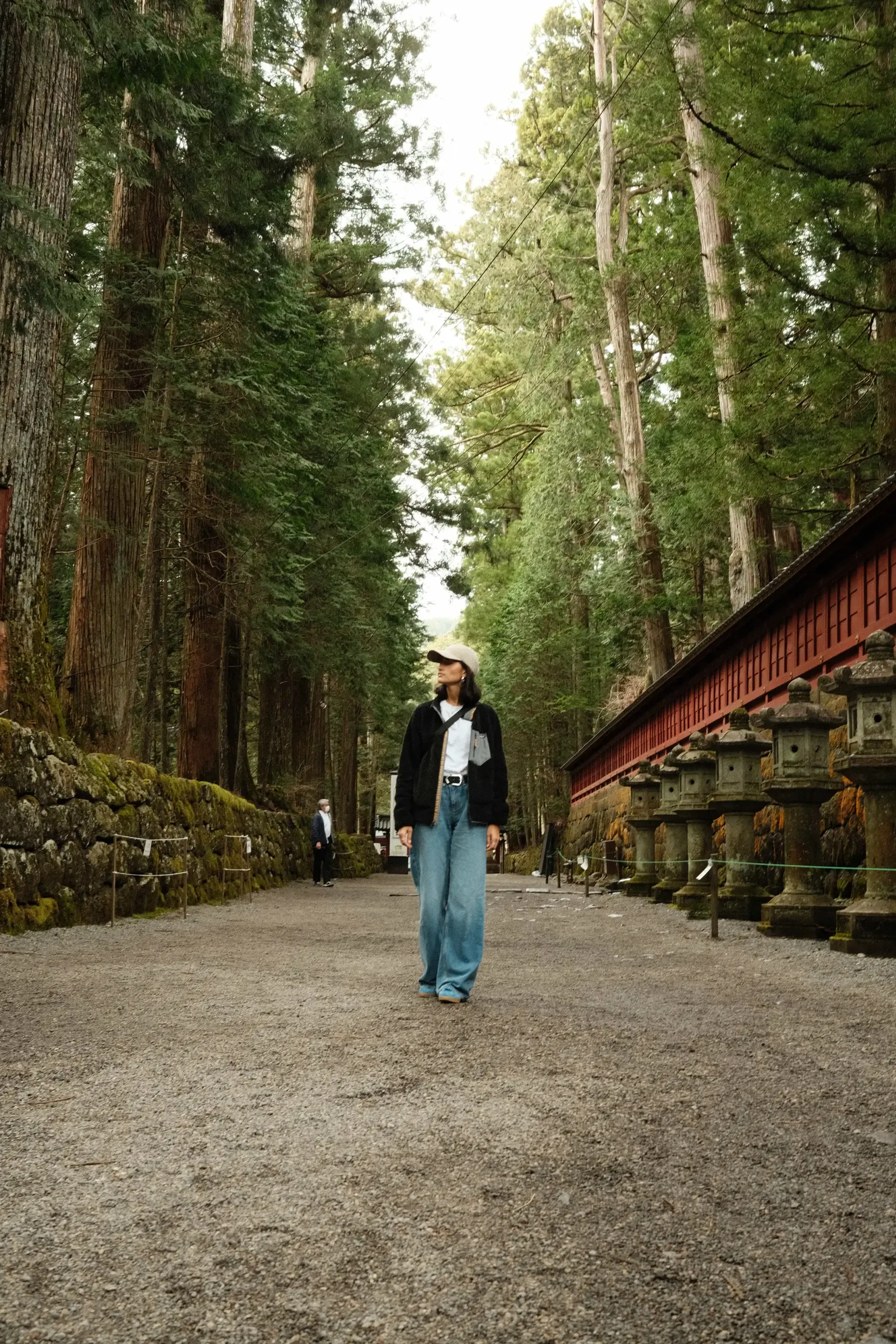
Nikko
A city full of history and nature, known for its World Heritage temples and shrines, like the famous Toshogu. It's surrounded by mountains and waterfalls, ideal for a change of scenery and for connecting with the most traditional side of Japan.
Mount Fuji
Seeing Mount Fuji up close is an unforgettable experience. You can do it as a day trip, but if you have time, we recommend staying overnight to enjoy the lakes and the amazing views at a slower pace. It was one of our favorite places in Japan.
✨ We'll soon publish a detailed guide with everything you need to know to visit Mount Fuji.
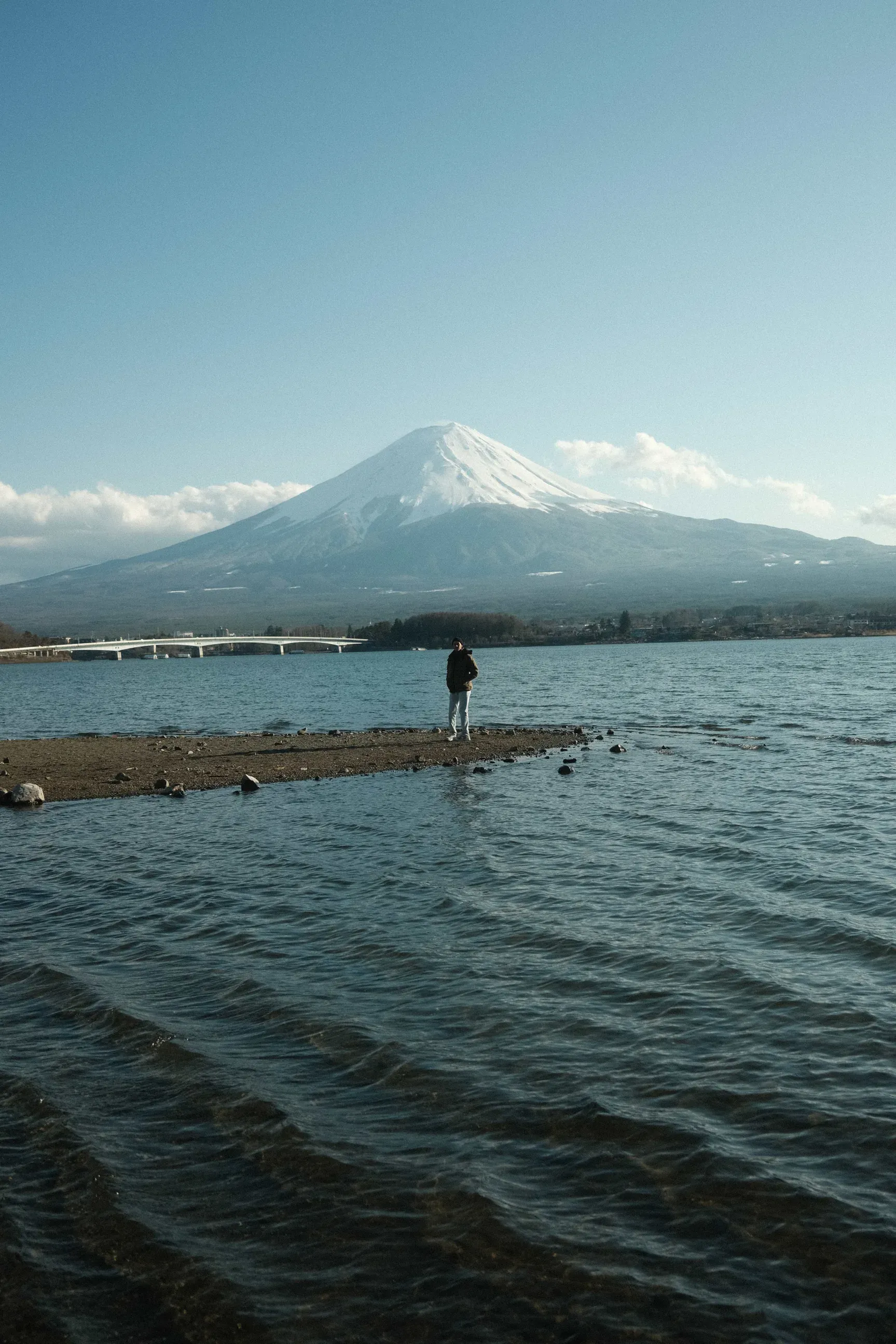
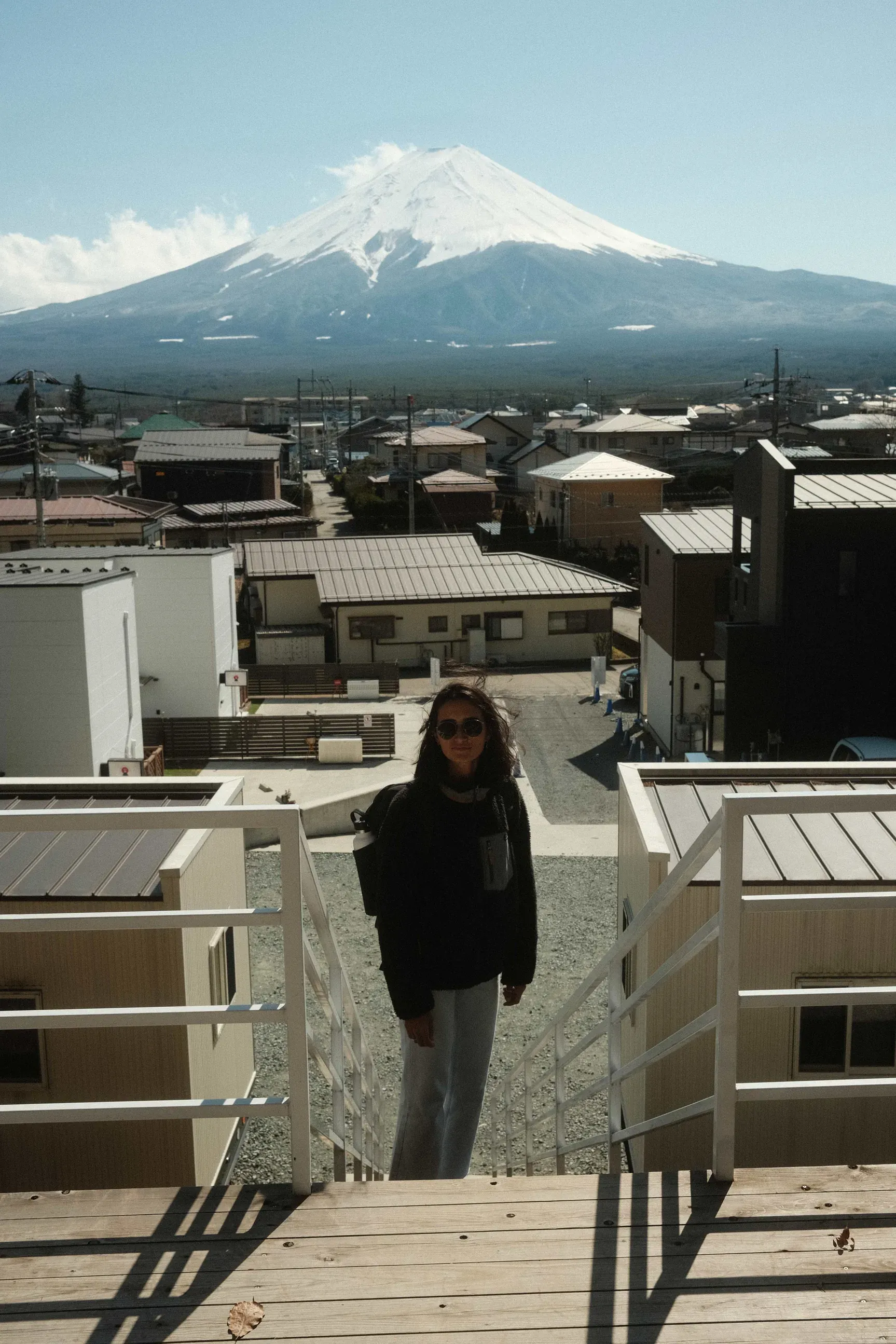
Kamakura
Just an hour from Tokyo, this former imperial capital is perfect for a getaway that mixes culture and the coast. It has beautiful temples, really cool streets and even a big outdoor Buddha statue.
Other places to consider
- Kawagoe: also known as “Little Edo,” with streets that preserve the traditional Japanese style.
- Yokohama: Japan's second-largest city, with a very popular Chinatown and a nice waterfront walk.
- Enoshima: a small island near Kamakura with shrines, ocean views and caves.

Find all the places to stay here
Book your stay on Agoda (opens in a new tab)
This is an affiliate link: if you book or buy through it, we earn a commission at no extra cost to you.
How many days do you need to visit Tokyo?
If it's your first time in Japan, we recommend staying at least 3 or 4 days in Tokyo so you can discover the city's highlights without rushing.
Tokyo is a huge, vibrant city with an enormous variety of neighborhoods, activities and corners to explore, from the tech of Akihabara to the temples of Asakusa, with viewpoints, parks, museums, street markets and themed cafés in between.
👉 Our general recommendation:
- 3 days in Tokyo: ideal for seeing the essentials and exploring the most famous neighborhoods.
- 5 days or more: perfect if you also want to see some of the surrounding areas, like Nikko or Kamakura, or even take a day trip to Mount Fuji.
📌 If you're planning your itinerary, don't miss our guide with different plans for 1, 3 and 5 days in Tokyo.

Stay connected with a Holafly eSIM
Get an eSIM on Holafly (opens in a new tab)
This is an affiliate link: if you book or buy through it, we earn a commission at no extra cost to you.
How to get around Tokyo
Tokyo has a super efficient, well-connected transit system. The subway and trains are the main ways to get around, with day passes running between 700 and 1,500 yen. A rechargeable Suica or Pasmo card is ideal, since it works on all the subway and train lines and saves you from buying individual tickets. We added the Suica card to our iPhone wallet and topped it up from the phone.
The Yamanote Line is a circular train line linking most of Tokyo's best-known neighborhoods, like Shibuya, Shinjuku, Ueno, Tokyo, Akihabara and Shimbashi. If you have the JR Pass, you can ride it at no extra cost, since it's part of the network run by JR.
A key tip for choosing where to stay is to look for a neighborhood near a Yamanote Line station, since it makes getting around the city easier and lets you make the most of your time in Tokyo. We have more recommendations on where to stay below.
You can also get around Tokyo by taxi, but they're pretty expensive.
Where to stay in Tokyo
Tokyo is enormous, and choosing the right area to stay in can save you time and money. These are the areas we recommend most:
- Shinjuku: full of life, bars and restaurants, with excellent transit connections.
- Shibuya: modern and youthful, perfect if you want to be at the center of the action.
- Asakusa: quieter and more traditional, close to temples and Japanese culture.
- Ginza: luxurious and elegant, ideal for shopping and gourmet dining.
- Ueno: practical and affordable, with museums and parks nearby.
We go into detail on the best areas and hotels in our complete guide: Where to stay in Tokyo + recommended hotels
- Did a price or a detail change? Tell us at hello@charoandmarcos.com
- Still have a question? Ask us on Instagram (opens in a new tab)

Your next step
What to see and do in Tokyo: itineraries for 3, 5 and 7 days
If it's your first time in Japan, Tokyo can seem huge and overwhelming, but with a well-planned itinerary you'll be able to enjoy its most…