Philippines travel guide: entry requirements, tips and the best islands for your trip
We wrote this guide in Spanish and translated it with the help of AI. Leer en castellano
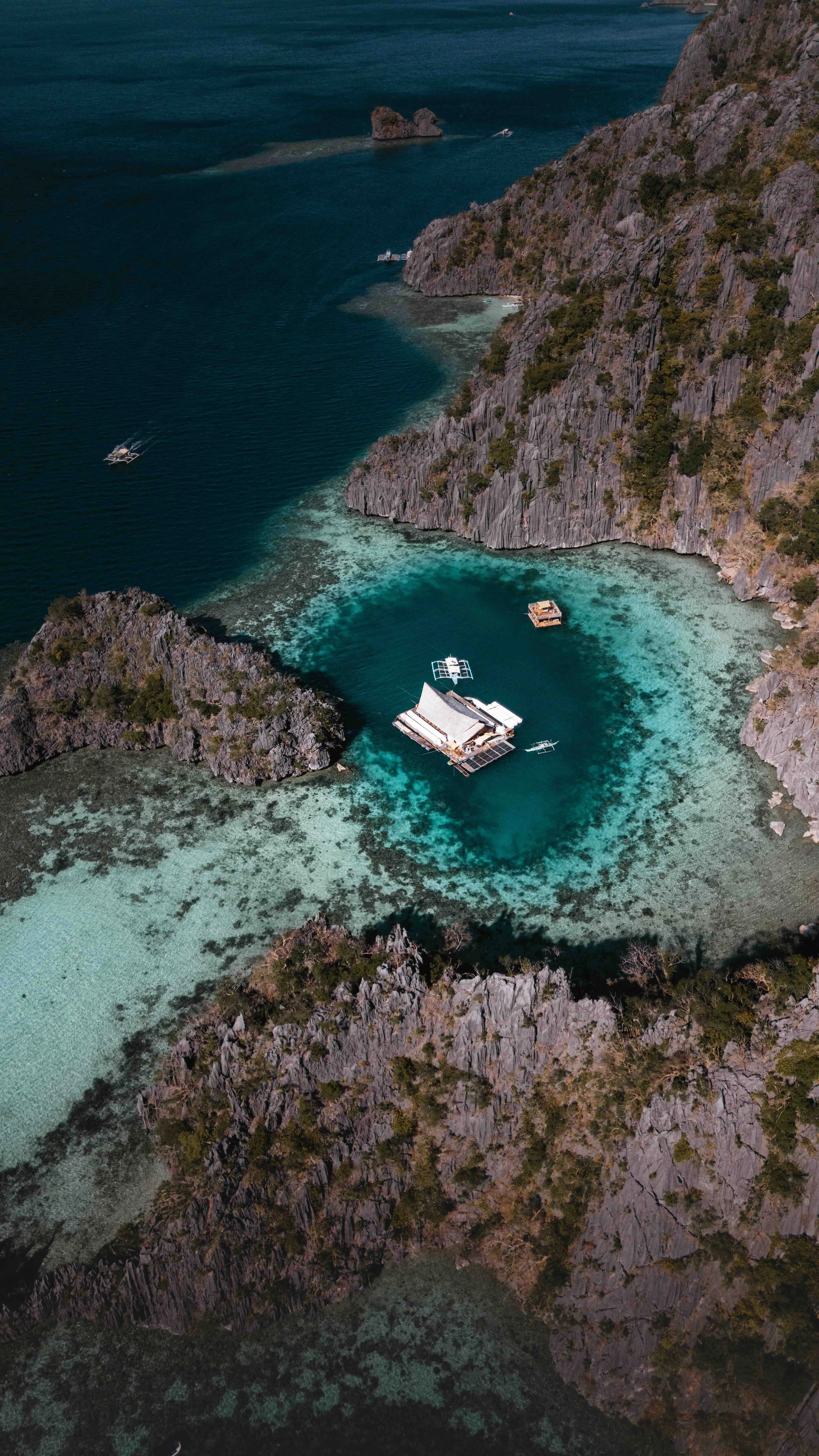
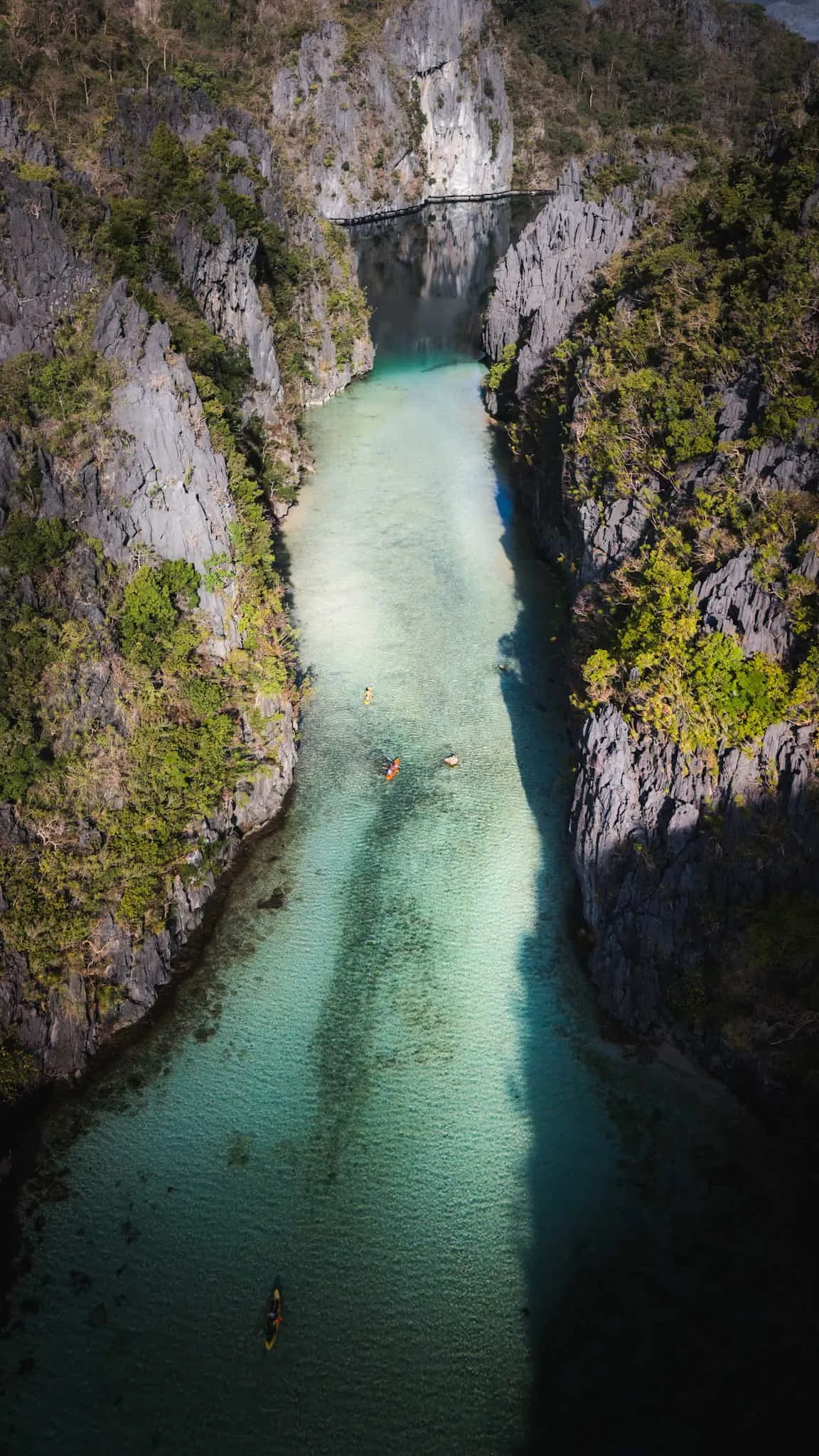
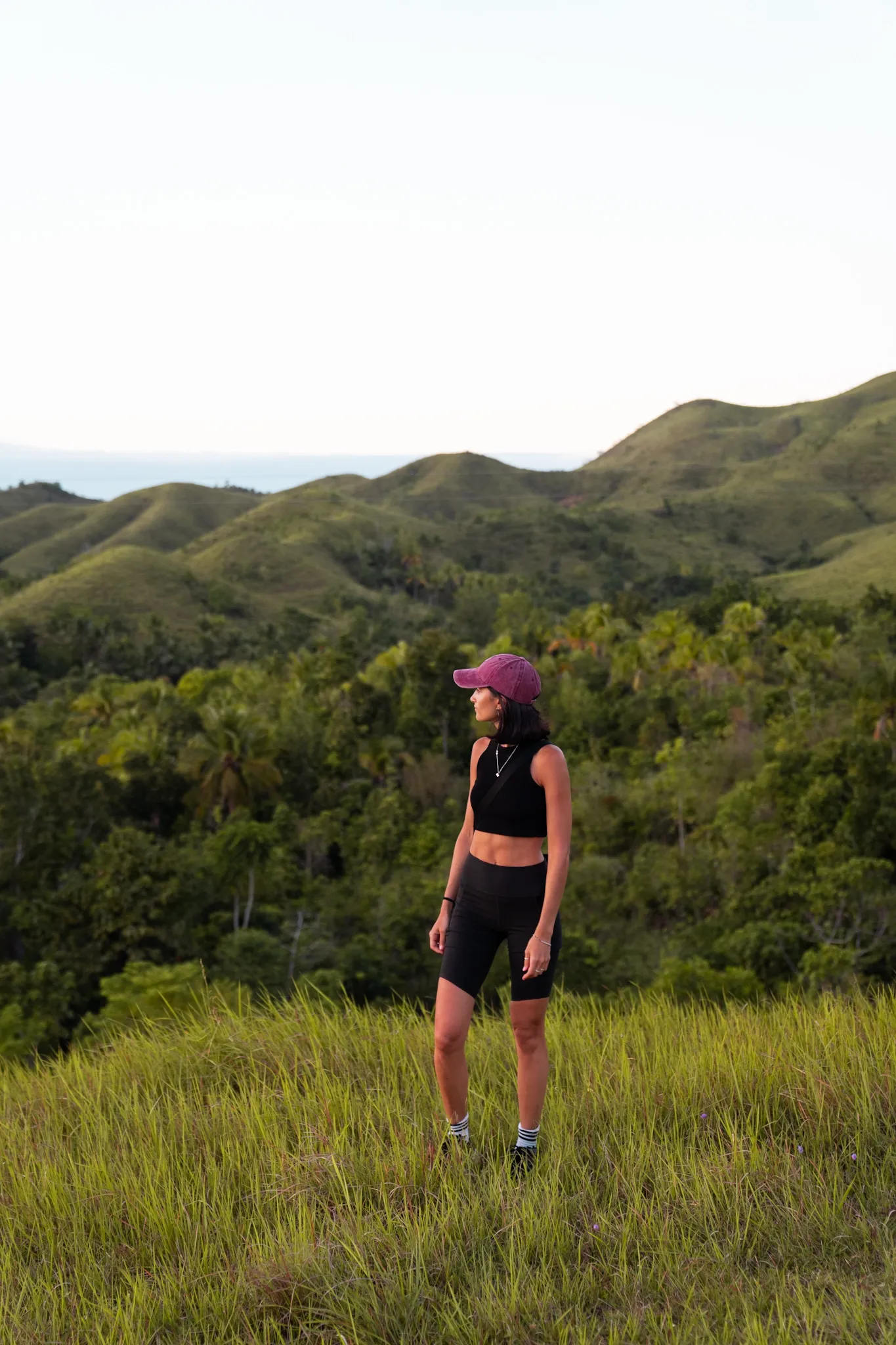
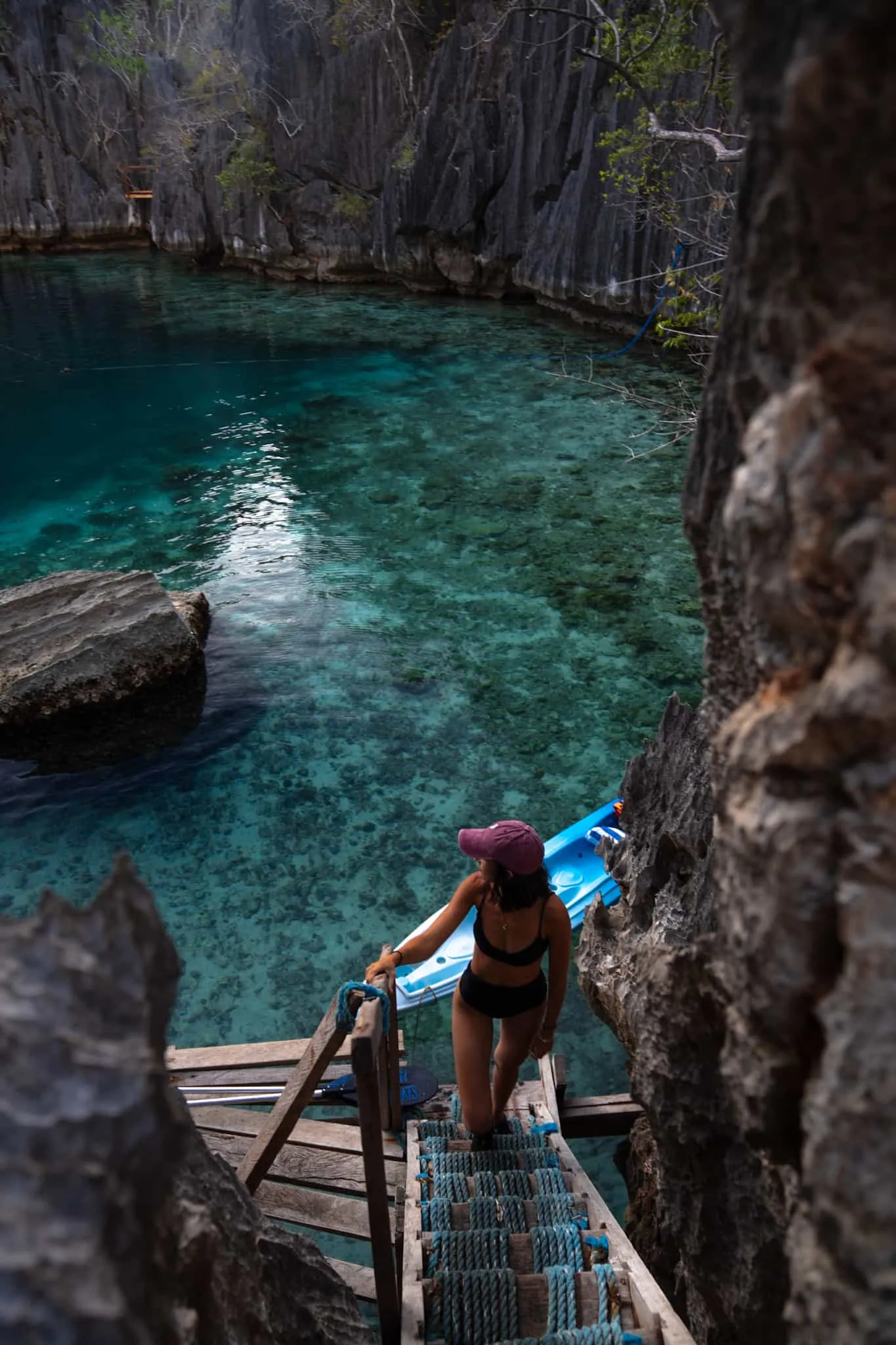
The Philippines is an archipelago of more than 7,000 islands, perfect for anyone looking for idyllic beaches, diving among reefs, mountain scenery and the warmth of its people. If you're thinking of traveling around this one-of-a-kind destination, in this guide we tell you everything you need to organize your trip to the Philippines: when to go, how many days to stay, transport, budget, requirements and key tips based on our experience traveling around the country.
This article has affiliate links: if you book or buy through them, we earn a commission at no extra cost to you.
Complete guide to traveling to the Philippines
1. What's the best time to travel to the Philippines?
The Philippines is a tropical country with two main seasons: dry and rainy.
- Dry season (December to May): Ideal for visiting most of the islands. December to February is cooler and perfect for outdoor activities.
- Rainy season (June to November): Fewer tourists, but a risk of typhoons, especially between July and October.
📍 Best dates by region:
- Palawan (El Nido, Coron): December to April.
- Cebu, Bohol, Siquijor: November to May.
- Siargao: March to October (surfing from August to November).
- Boracay: November to May.
- Balabac: March to May (avoid June to October because of the rain)
2. How many days do you need in the Philippines?
✔ Recommended minimum: 14 days to see several islands without rushing.
✔ Remember that getting between islands can take almost a whole day.
- 7 days: 1 or 2 nearby islands (Palawan, Cebu + Bohol/Siquijor).
- 10 days: Up to 3 main islands.
- 15+ days: A full route through Palawan, Siargao, Bohol and Cebu.
👉 Here's our 30-day Philippines itinerary for inspiration.
3. Currency and budget in the Philippines
Local currency: The Philippine peso (PHP)
You can change money at the airport or in the cities, although the best exchange rate is usually at Manila airport. The airport in Cebu, on the other hand, offers a less favorable rate. If you fly straight into Cebu, you can withdraw cash from the airport ATMs to tide you over, and then change money at recommended exchange offices like ALCO Foreign Exchange or at Marina Mall.
More and more places accept credit cards, but in less touristy areas it's still common for them to take only cash, so it's a good idea to always carry some. Many places also charge a 3 to 5% fee for card payments.
You can also withdraw cash from ATMs, but most let you take out a maximum of 10,000 PHP (about US$170) per transaction, with an additional fee of US$3 to 4 per withdrawal, on top of your bank's fee. BPI ATMs let you take out up to 20,000 PHP, and HSBC ATMs (available in big cities like Manila and Cebu) charge no fees in the Philippines and allow withdrawals of up to 50,000 PHP.
Tips:
- Use ATMs in big cities like Manila, Cebu or Davao to avoid availability problems in remote areas.
- Credit cards are accepted at hotels, restaurants and shops in tourist areas, but not always at small businesses or on less developed islands, where it's better to carry cash.
Budget:
The Philippines is an affordable destination, although transport between islands can push costs up a bit. An average trip includes:
- Budget accommodation: From US$10 to 30 per night (hostels and guesthouses).
- Local food: From US$2 to 5 per meal.
- Activities: From US$10 to 40 for basic tours; diving can cost between US$25 and US$50 per dive.
4. Internet in the Philippines: eSIMs, SIM cards and coverage
The two main carriers are Smart and Globe:
- Smart: Better coverage in rural areas and on remote islands.
- Globe: Good in cities and tourist destinations (Cebu, Boracay, Palawan).
🧠 We used a local SIM and a HolaFly eSIM. Marcos got the eSIM and I bought a SIM card at a 7-Eleven (cheaper, but hard to find). If you want to avoid hassle, HolaFly is a good option even though it costs a bit more.
💡 Almost all hotels and cafés have WiFi, but it can be slow. It's best to have your own data plan if you need a good connection.
👉 Here's our HolaFly link with a discount for buying your eSIM.
5. Entry requirements, visas and vaccines
Tourist visa:
Citizens of many countries can enter the Philippines without a visa for up to 30 days. If you're not sure, you can check here: iVisa.
If you want to stay longer than 30 days, you have to apply for a visa extension. You can do it online through the official immigration website (although the platform isn't very intuitive), on arrival at the airport or at an immigration office. We stayed 31 days and, for that one extra day, we had to extend the visa for another 29 days 😓. If you don't get the extension, they'll charge you a 1,000 PHP fine plus the cost of the visa. The 29-day extension costs about US$50.
Important: You'll need to show an onward ticket when you enter the country. It's very likely they'll ask for it at check-in or at immigration. If you don't have a departure flight yet or aren't sure how long you'll stay, you can book a cheap ticket just to show, or use the Onward Ticket platform, which "rents" you a ticket in your name for under US$20. You can find more information on its website.
Recommended vaccines:
No vaccines are required to enter, but the hepatitis A, tetanus and typhoid vaccines are recommended. Check with your doctor before you travel.
6. Getting around the Philippines
Domestic flights:
The Philippines is an archipelago, so the best way to get between islands is by plane. The main airlines are Cebu Pacific and Philippine Airlines. Cebu Pacific is usually cheaper, but it's the one with the most delays and cancellations. We recommend trying to buy your tickets ahead of time, since prices vary a lot.
Ferries and boats:
Ferries are a common way to get between nearby islands, like Cebu and Bohol, or between the islands of Palawan. You can see prices and book on 12Go.
Local transport:
- Tricycles: Motorbike taxis, ideal for short distances.
- Motorbike rental: Perfect for exploring freely, though always with care and a helmet. They usually rent for 350–400 PHP a day.
7. Where to stay in the Philippines
The Philippines has places to stay for every budget, from cheap hostels to luxury resorts.
- Hostels and guesthouses: Cheap, perfect for backpackers (Manila, Siargao, Palawan).
- Hotels and resorts: More luxurious, in destinations like Boracay, El Nido and Coron.
- Beachfront cabins: Very common in Siargao and Palawan, ideal for unplugging.
In high season it's best to book ahead, especially on popular islands like Boracay and Palawan, where demand can be high.
Here you can find all the places to stay.
8. How to plan your trip to the Philippines + key tips
🧭 Itinerary:
Divide your trip among the islands you want to visit and allow at least 3–4 days for each one.
💡 Tips for saving time and money:
- Buy domestic flights ahead of time.
- Avoid expensive tours by organizing your trips on your own.
- Eat local food (tasty and cheap).
📦 What to pack:
- Sunscreen, repellent, your own snorkel, a waterproof backpack, water shoes, a basic first-aid kit.
🔐 Health and safety:
The Philippines is safe, but we recommend traveling with travel insurance. We use HeyMondo, and if you buy it with our link we give you a discount.
9. Language, culture and Filipino hospitality
The Philippines has a mix of Asian, Spanish and American influences. It's the only country in Asia with a Catholic majority, which shows in its churches, festivals and customs.
- Languages: Filipino (Tagalog) and English, which is widely used across the country.
- Spanish words: Many words have Spanish origins, like mesa (table) or tenedor (fork). “Kumusta” means “How are you?”
The warmth and hospitality of the Filipino people is something we took with us from our time in the country. We felt really welcome, thanks to their kindness and their willingness to help us.
Keep traveling through the Philippines with our guides
Here are our detailed guides to the islands and destinations we liked most, so you can keep planning your trip with useful information, tips and real experiences:
📍 El Nido guide
Beaches, island hopping and hidden lagoons. Everything you need to know to enjoy this paradise in Palawan.
📍 Coron guide
Turquoise lakes, sunken ships to dive on and beautiful scenery. One of our favorite destinations in the Philippines.
📍 Cebu guide
Jump into hidden waterfalls, swim with turtles and discover the green mountains of the island's interior.
📍 Moalboal guide
The Sardine Run, turtles, snorkeling steps from the beach and a relaxed atmosphere that makes you want to stay for several days.
📍 Bohol guide
Chocolate Hills, tarsiers, waterfalls and quiet beaches. A perfect mix of nature and culture.
📍 Siargao guide
Unspoiled islands, good vibes, incredible food and sunsets you won't forget.
📍 Panglao guide
Beaches with crystal-clear water, spectacular diving and direct access to some of Bohol's gems.
🌴 All our guides are based on our experience traveling through the Philippines for a full month, with real tips, photos and what we wish we'd known before going. We hope they help you put together an unforgettable trip!
- Did a price or a detail change? Tell us at hello@charoandmarcos.com
- Still have a question? Ask us on Instagram (opens in a new tab)

Your next step
Philippines itinerary: routes for 15, 20 and 30 days
The Philippines is a country of more than 7,000 islands that combine turquoise-water beaches, tropical jungles and a warm, cheerful…