How to Visit the Maldives on a Budget
We wrote this guide in Spanish and translated it with the help of AI. Leer en castellano
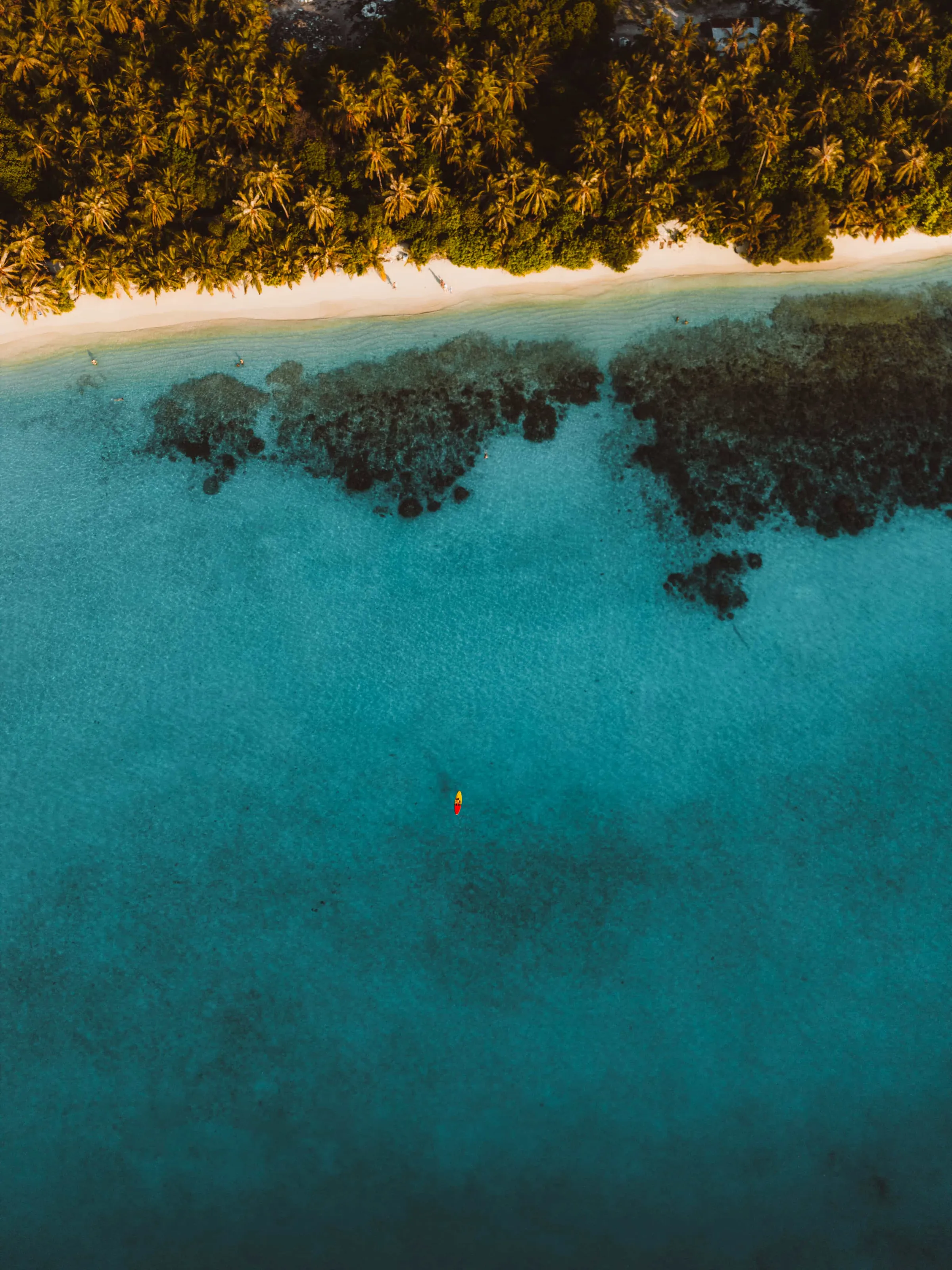
The Maldives is a tropical paradise in the Indian Ocean and a destination many people dream of visiting. With its white-sand beaches, crystal-clear water and incredible marine life, it seems out of reach for many because of its reputation for being extremely expensive. But with the right planning, you can enjoy the Maldives on a budget. Here's how.
This article has affiliate links: if you book or buy through them, we earn a commission at no extra cost to you.
Quick facts about the Maldives
Number of islands: 1,192 islands (200 inhabited and 97 with resorts).
Number of atolls: 26.
Population: 436,330 (2020).
Currency: Maldivian rufiyaa (MVR).
Language: Dhivehi.
Religion: Islam.
*What's an atoll?
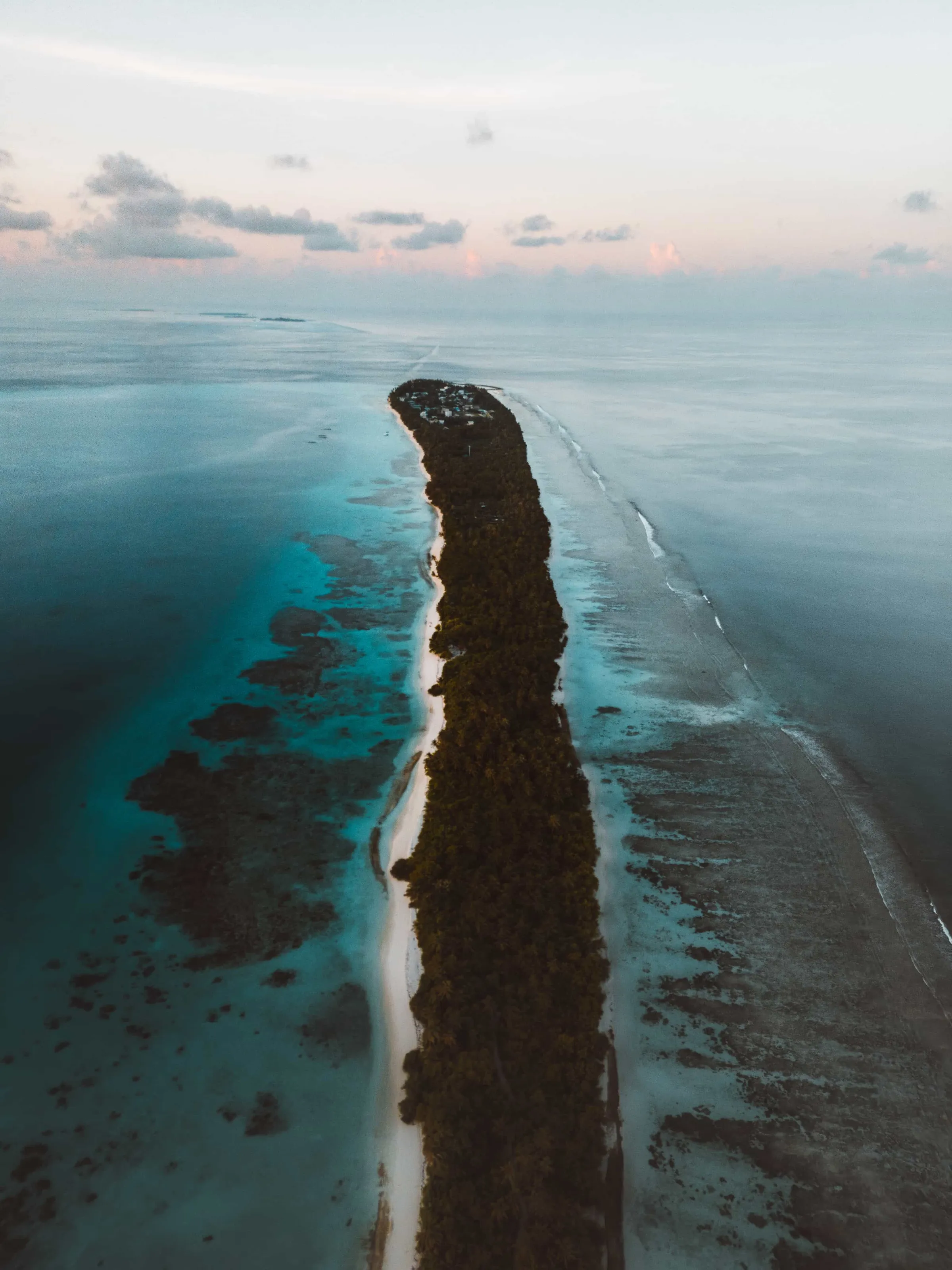
It's like a big ring of coral in the ocean. Imagine a large island that sinks into the water and leaves only the circle of coral around it. That creates a lagoon in the middle. The Maldives has 26 of these coral rings, each with many small islands and beaches. They're great places to dive and see colorful fish.
Where is the Maldives?
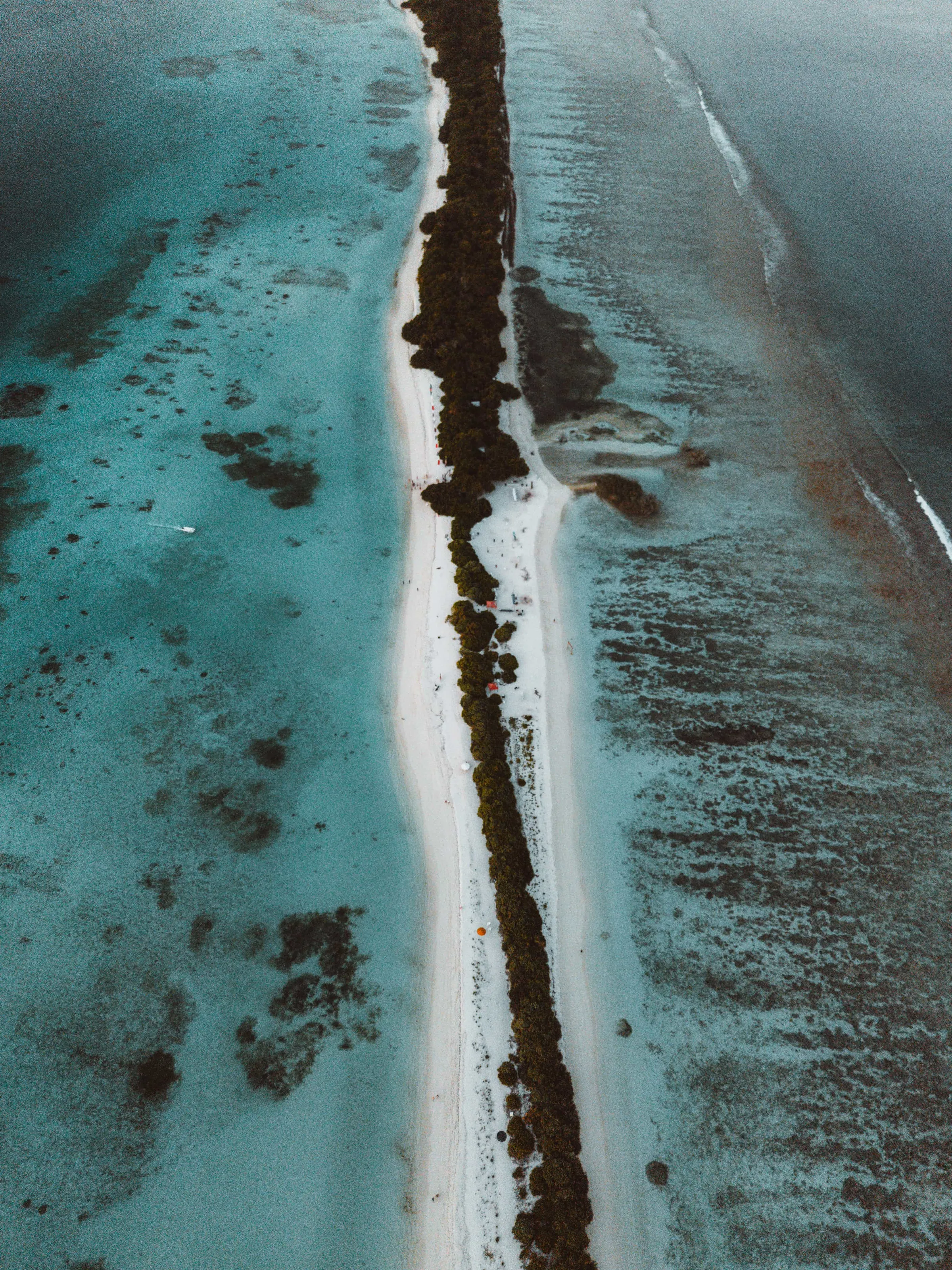
The Maldives is a small island nation in the Indian Ocean, just southwest of Sri Lanka and India. It's made up of almost 1,200 islands grouped into 26 ring-shaped atolls, and each island is all white-sand beaches and crystal-clear lagoons full of marine life.
Visa for the Maldives
For most nationalities, the Maldives offers a free visa on arrival. You'll have to fill out a form. Make sure you have your travel details printed or on your phone to show the immigration officers, such as your departure flight information and your accommodation booking confirmation.
Local islands in the Maldives
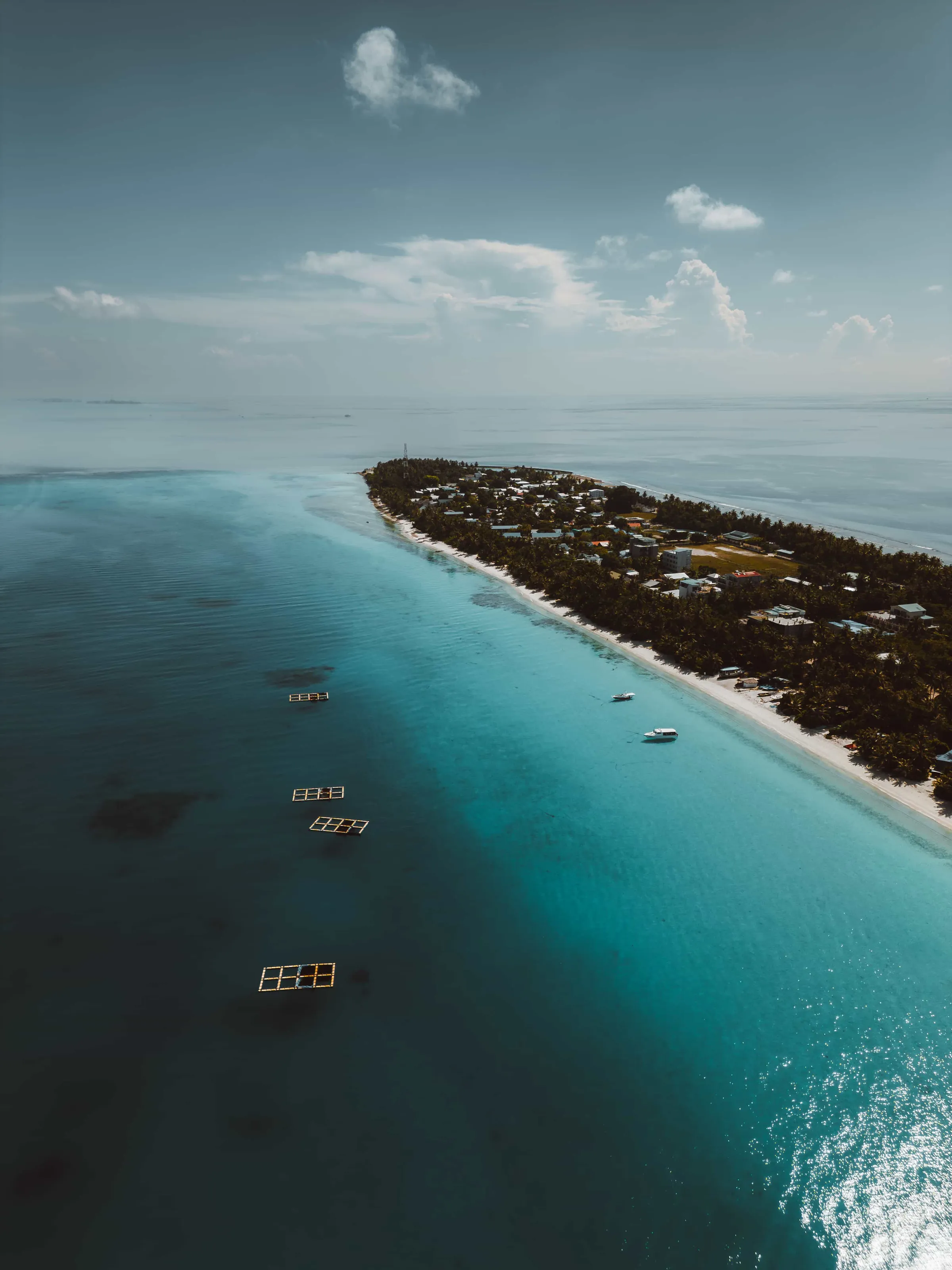
The local islands in the Maldives have small populations of between 2,000 and 3,000 people. Maldivians are very kind and welcoming, always happy to receive tourists. Life here is relaxed, with residents spending time with family and friends.
On the islands there are various shops, cafés and local restaurants. The national currency is the Maldivian rufiyaa, but with tourists they usually deal in US dollars. In fact, we didn't have to change any money.
Keep in mind that many islands have no ATMs, so it's better to withdraw money in Malé. We recommend messaging your accommodation to ask about this, and also whether they accept USD or you'll need MVR.
Religion in the Maldives
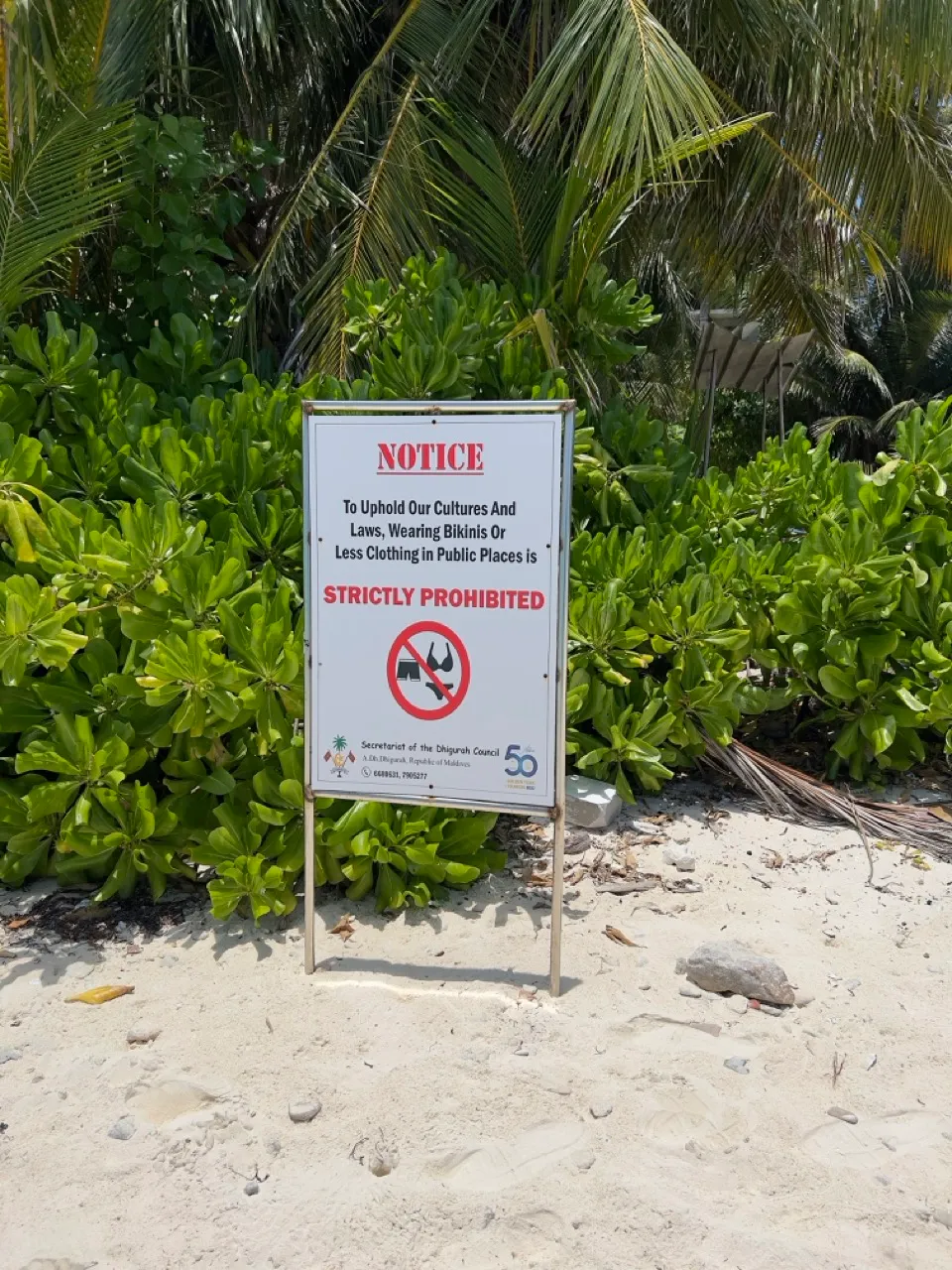
The Maldives is a Muslim country with conservative dress rules. Although the rules are more relaxed for tourists, we women have to stay clothed (no bikini) everywhere. Ideally, keep your shoulders and knees covered.
Many islands have a "bikini beach," a designated beach where tourists can be in swimwear. It's important not to leave these areas without covering up, out of respect for the locals and their religion.
Alcohol is strictly forbidden on almost all local islands, and you're not allowed to bring alcohol into the country.

Travel with peace of mind with Heymondo travel insurance
Get your travel insurance on Heymondo (opens in a new tab)
This is an affiliate link: if you book or buy through it, we earn a commission at no extra cost to you.
How do you get to the Maldives?
The main airport is Malé International Airport (MLE), on the island of Hulhulé, near the capital, Malé. Several international flights land here, so search websites like Skyscanner for the best deals.
We were on a trip through India and took advantage of being so close to the Maldives to fulfill our dream of seeing this paradise. To give you an idea, the ticket from southern India to Malé cost us US$100, and we bought it on short notice.
The best time to visit the Maldives
The Maldives is warm all year round, though there are two distinct seasons: the dry season (December to April) and the rainy season (May to November).
Weather forecasts often aren't accurate, so don't worry too much about what your weather app says. If you're looking to save money, the low season (May to October) or the shoulder season is ideal. During these months, accommodation and flights are cheaper because rain is more likely, and there are fewer tourists. We traveled in April, at the end of the dry season, and had spectacular weather.

See all the tours you can do in the Maldives
See tours on Civitatis (opens in a new tab)
This is an affiliate link: if you book or buy through it, we earn a commission at no extra cost to you.
How do you get around the Maldives?
Local ferries: Cheap but slow, they connect the inhabited islands with Malé. There aren't direct routes to every island, and they don't run every day, so if you go with this option you'll need to plan carefully.
Speedboats: Faster than the local ferries, and more expensive. They run at more times of day and connect Malé directly with several local islands. It's not only tourists who use them: many locals do too.
Domestic flights: For the more distant atolls, you can fly. There are several airlines, such as Fly Me, Maldivian Airlines and Manta Air.
Seaplane: Another popular way to get around the Maldives. These are special planes that can take off from and land on water. They're ideal for taking tourists from the main airport in Malé to remote islands and the private resorts scattered around the country. Obviously this is the most expensive option, but it's mind-blowing. We got the chance to fly on these seaplanes when we stayed at a resort.

See all the budget places to stay in the Maldives
Book your stay on Agoda (opens in a new tab)
This is an affiliate link: if you book or buy through it, we earn a commission at no extra cost to you.
Where to stay in the Maldives on a budget
Almost 10 years ago, the government of the Maldives relaxed its tourism rules and began allowing people living on the inhabited islands to open their own hotels or guesthouses. This was a big success for the locals, and it also made it possible for many tourists to visit this paradise without spending a fortune.
With more than 200 local islands, it can be hard to choose where to stay. Here are some popular recommendations for budget travelers:
South Ari Atoll: Mahibadhoo, Omadhoo, Dhangethi and Dhigurah.
North Ari Atoll (Alif Alif): Rasdhoo and Thoddoo.
Vaavu Atoll: Fulidhoo.
Malé Atoll: Thulusdhoo, Gulhi, Guraidhoo and Maafushi.
Each of these atolls offers different chances to spot marine life. Whale sharks can be seen year-round in South Ari Atoll, off Maamigili Island, so day trips from the islands in South Ari Atoll will be cheaper than from other atolls. South Ari Atoll is also where large groups of manta rays migrate during the season. If this is your priority, staying in this atoll may be a good option. On the islands you'll find plenty of places to stay, from US$30 to US$150 a night, and the price may include breakfast or some kind of meal plan.
Other things to consider when choosing a local island are its distance from Malé, the price of getting there and how often transportation runs. Also check that it has a good bikini beach.
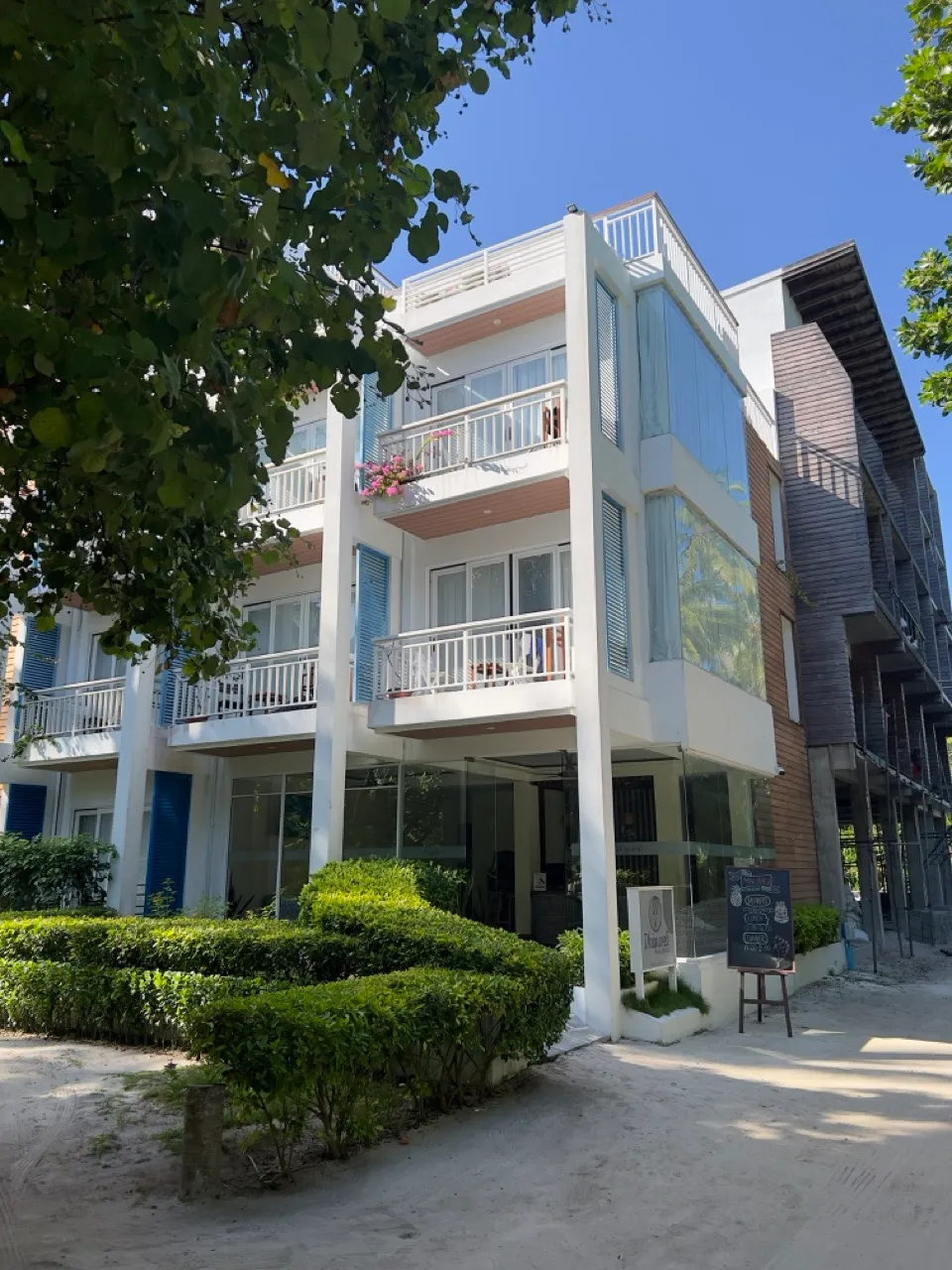
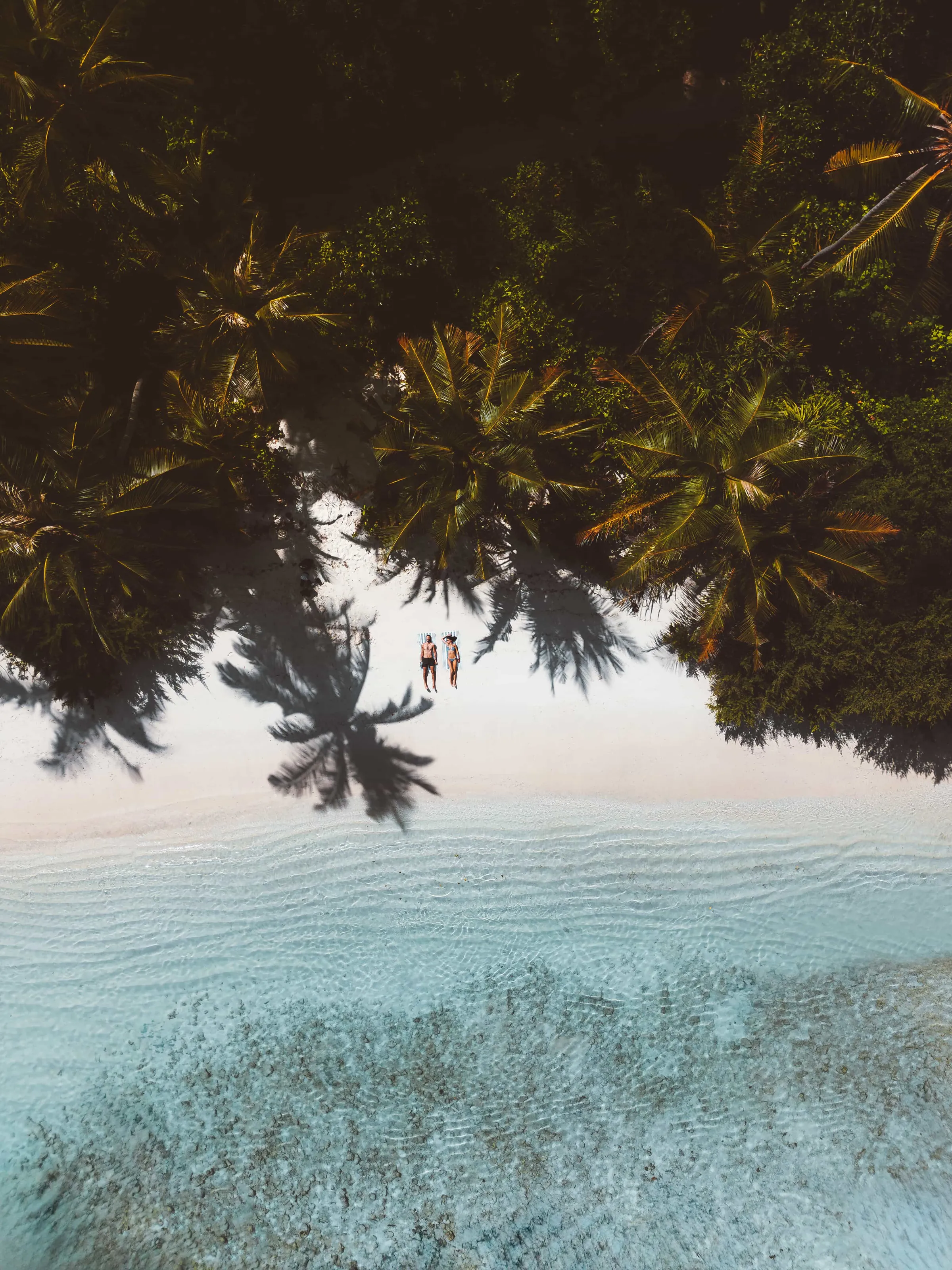
We chose to stay in Dhigurah, in South Ari Atoll, a small island with a good range of hotels, beautiful beaches and not too many tourists. We made the right choice: Dhigurah is a real find, ideal for a quiet, authentic stay. We understand that Dhigurah is one of the more expensive local islands, which is why it isn't so crowded with tourists. That said, we can't compare it with the other islands, since we didn't visit them.

Stay connected with a Holafly eSIM
Get an eSIM on Holafly (opens in a new tab)
This is an affiliate link: if you book or buy through it, we earn a commission at no extra cost to you.
Tours in the Maldives
There are many tours you can do in the Maldives, for every budget.
1. Swim with whale sharks
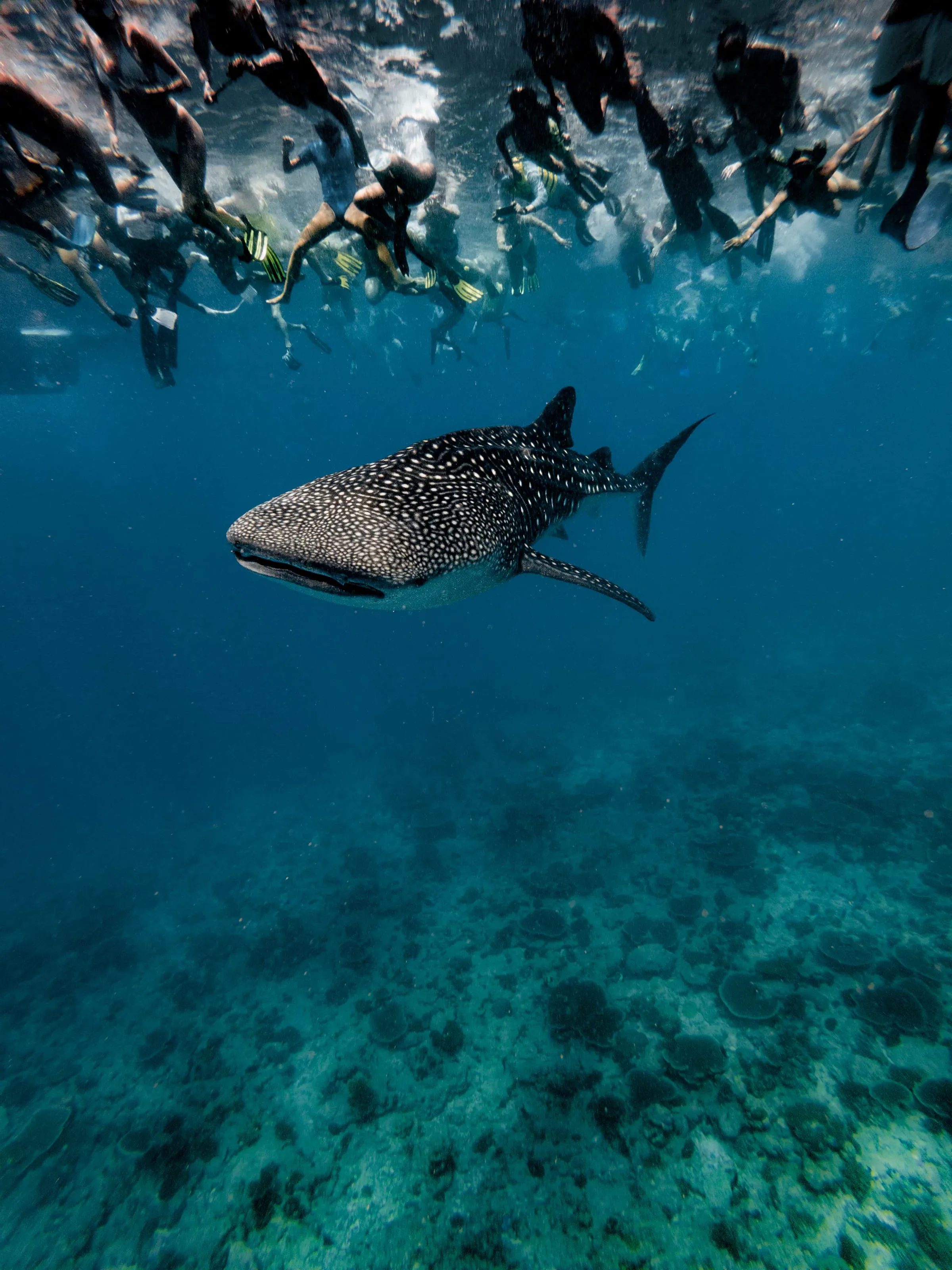
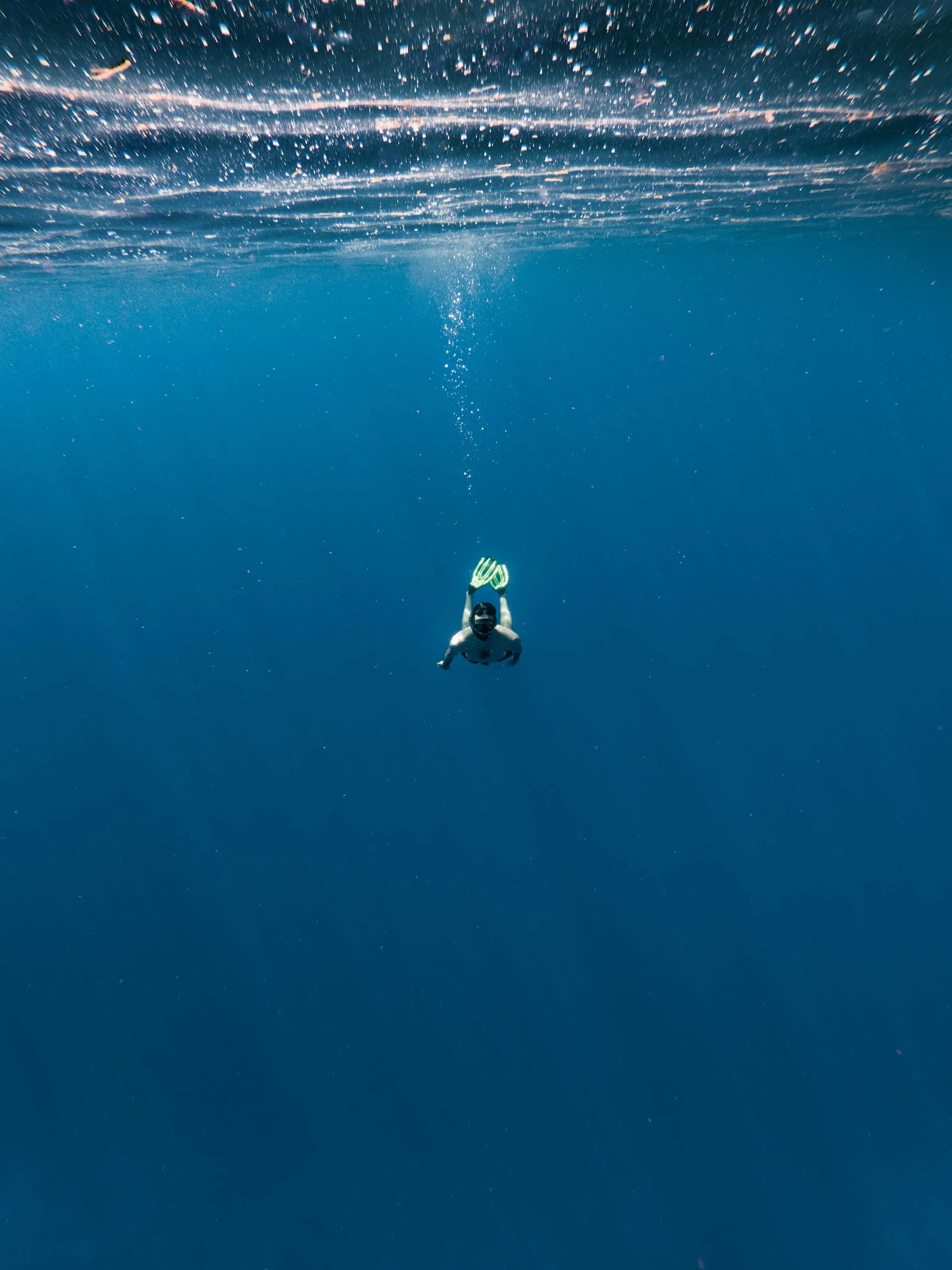
This is probably a dream for many people, and in South Ari Atoll you can make it come true. We did this tour and, to be honest, it left a bitter taste. There were a huge number of tourists, both from farther islands and from Dhigurah, where we were staying. It wasn't just the crowd surrounding the whale shark, but also the way some people chased it, trying to touch it or get in its way. If you decide to do this tour, our recommendation is to choose a dive school, even if you only plan to snorkel. We found that, in general, divers show more respect for the marine world and behave more responsibly.
2. Snorkel on the reefs
Explore the islands' coral and marine life.
3. Swim with manta rays
Watching these majestic animals during their migration must be magical.
4. Spend the day on a private island
You can take a trip to a sandbank and enjoy having the place to yourself, or spend the day at a private resort. Several resorts let you pay to spend a day on their private island.
Tips for a budget trip
Accommodation: Look for local guesthouses, with prices between US$30 and US$150 per night.
Taxes: Check whether the 12% government tax and the Green Tax are included in the price.
Transportation: Book your speedboat transfers in advance to secure your spot and get better prices.
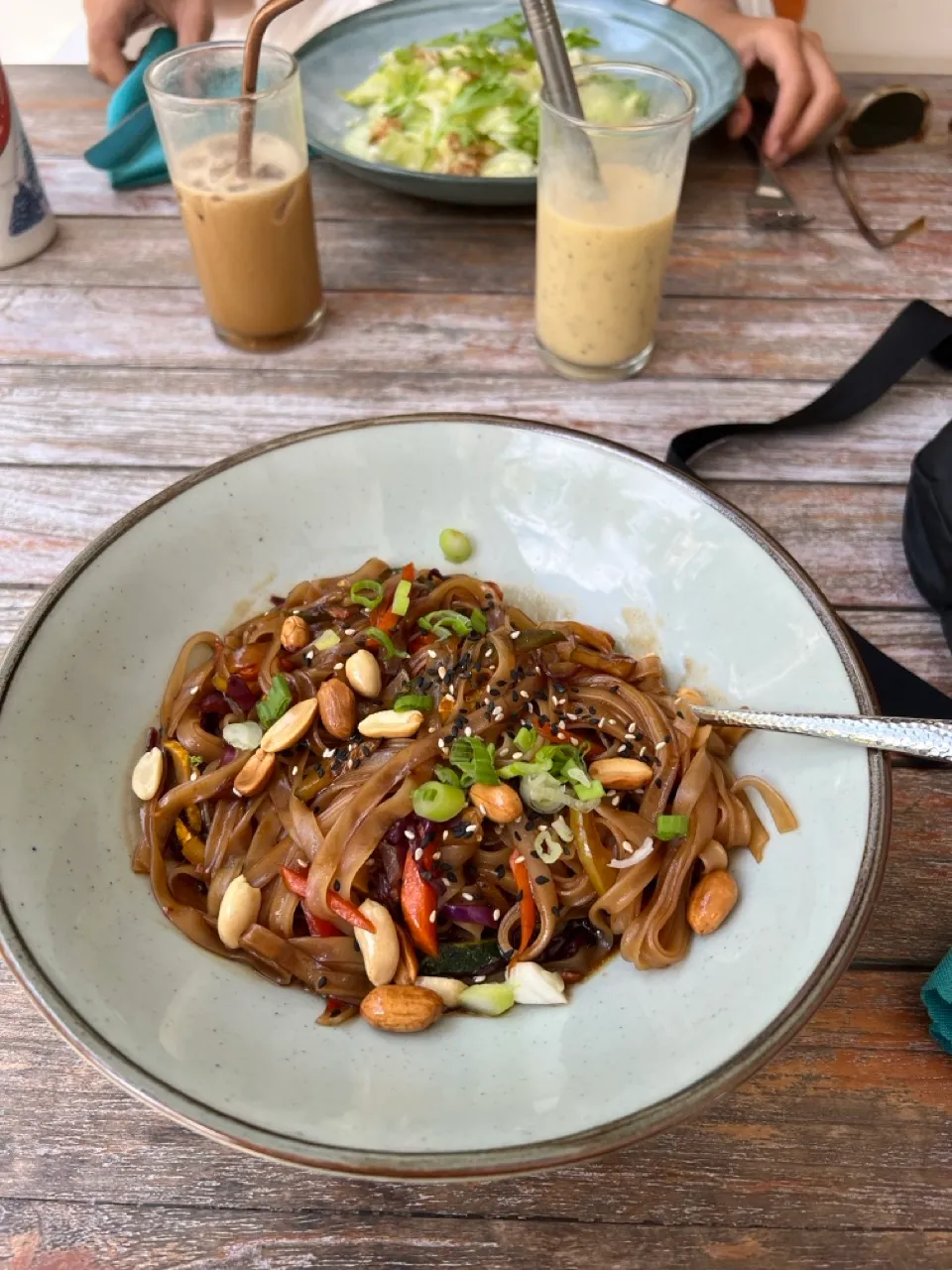
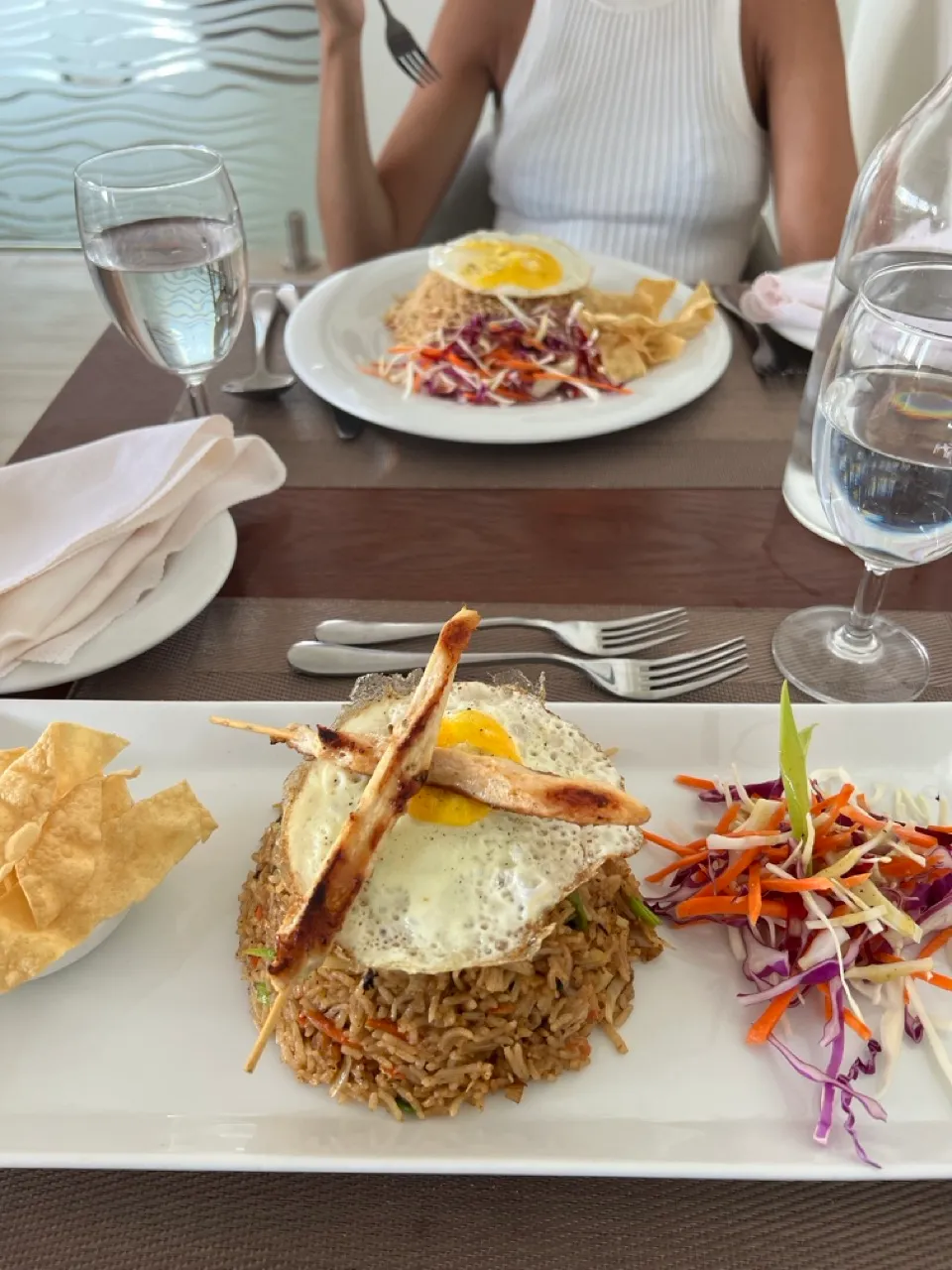
Many places to stay give you a discount for eating at their restaurant. We ate at our hotel for US$10 per person, and the food was delicious.
- Did a price or a detail change? Tell us at hello@charoandmarcos.com
- Still have a question? Ask us on Instagram (opens in a new tab)